1. SOGESTER has been operating in Angola since 2007 and become one of Angola’s key port and logistics operators, playing an important role in managing container terminal operations and supporting the country’s maritime trade. What have been the most significant milestones in SOGESTER’s development since its creation, and how have these achievements contributed to strengthening Angola’s logistics ecosystem and its integration into global maritime trade network?
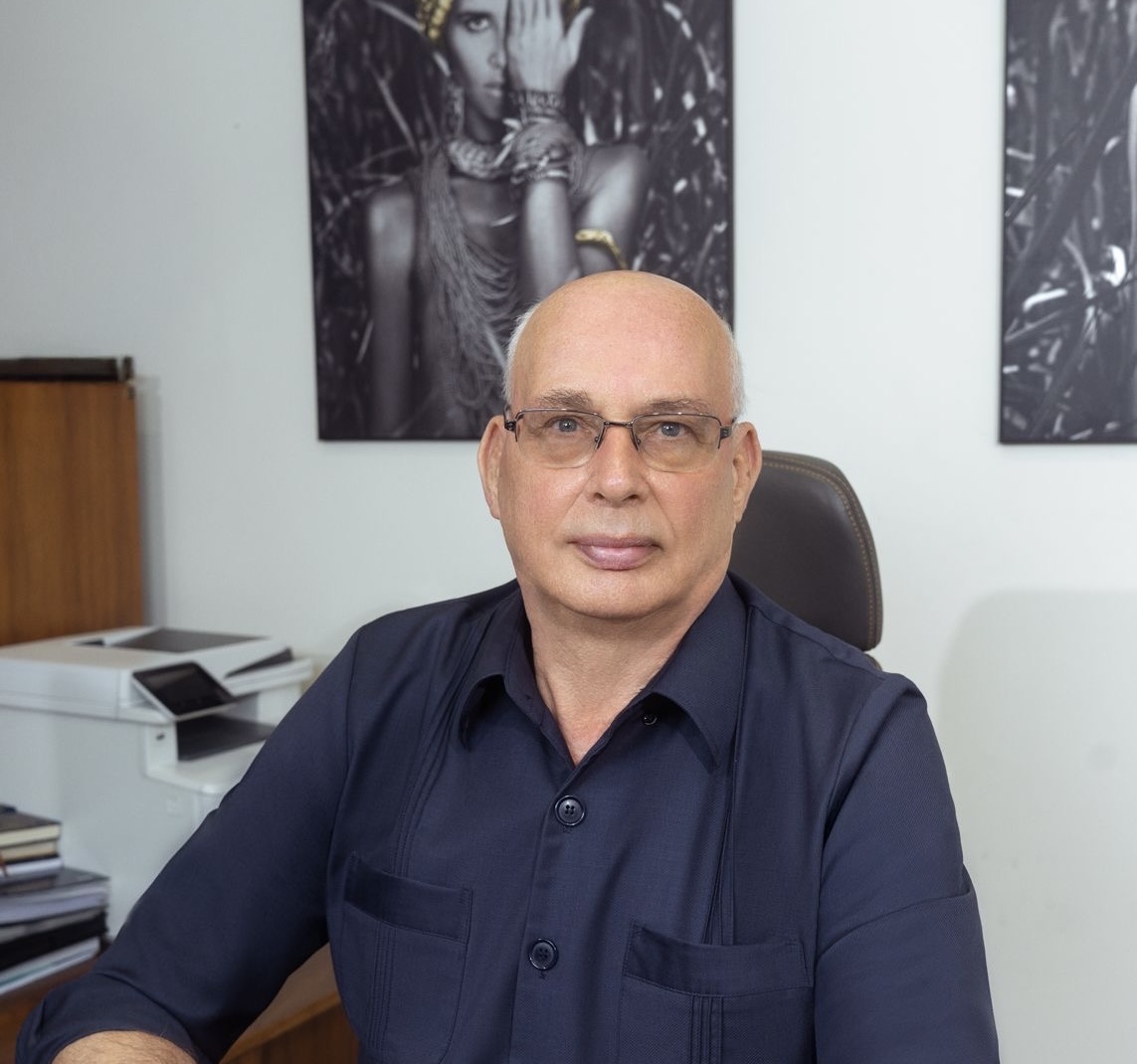
Mr. Frans Jol:
SOGESTER started in 2007 together with APMT/Maersk, at that moment there were no mobile cranes only vessel cranes and each day around 26 vessels were waiting to come alongside in Luanda port, no computer systems neither in the terminal as in AGT or Port authorities. Containers could stay in the port for 30-40 days before cleared. Then in 2013 the first container handling mobile cranes arrived the Liebherr 500, later the Liebherr 550 and the Liebherr 800, SOGESTER was the first and still only terminal operator in Africa with 3 Liebherr 800 cranes able to operate large container vessels.
2. During 2019, the SOGESTER Container Terminal, located at the Port of Luanda in Angola, invested approximately USD 25 million in a comprehensive modernization program focused on enhancing its capacity, efficiency, and service quality. Could you share some of the company’s most recent operational indicators as of early 2026, such as annual container throughput, terminal capacity, workforce size, and the scale of infrastructure investments made across your terminals? How do these figures reflect SOGESTER’s long-term strategy to strengthen Angola’s maritime logistics capacity?
Mr. Frans Jol:
Yes, I arrived in 2018, and we started the project of the 3×800 Liebherr cranes, to be able to handle the larger vessels, improve liability and productivity to a higher level. Moves went up from 10-12 moves per crane to 17-18 moves but also heaving larger vessels with high stacking on deck this would reduce crane productivity but instead and 16-17 rows we could do 23 rows on the vessel and could move the cranes with containers to a higher level on the vessels.
Luanda:
Moves 2008: 308.508 TEUs
Moves 2013: 533.330 TEUs. Golden years Angola
Moves 2024-2025: 365.183 TEUs and 276.350 TEUs
Work force was reduced from around 1250 to current 741 level by natural educement.
3. In recent years, SOGESTER has implemented several digital and automation initiatives across its operations, including automated gate systems for trucks, Optical Character Recognition (OCR) technology for container identification, remote monitoring systems for refrigerated containers, and the expansion of its integrated Terminal Operating System to improve cargo tracking and operational efficiency. In this context, what have been the impact of those initiatives on logistics efficiency, and in strengthening Angola’s maritime and supply chain infrastructure in the years ahead?
Mr. Frans Jol:
Yes, in 2018 we started to look for new operational systems and hat became Solvo, a Dutch company located in the Hauge, the Netherlands. For finance we bought IFS10 software and for automatic reefer monitoring we bought RTE from the United States. We also implemented reefer racks in the yard for around 500 full reefer containers. Implementation was done during the covid period while the terminal was operating at 50% due to the restrictions by the Government, but after covid implementation was done fast.
Recently, we also bought automatic yard system from Camco and implemented automatic payments from customers and lines and releasing containers from their own office.
In 2026 we implemented the automatic system OCR at the Pin station, able to inspect and photograph direct after discharge containers before going into the yard, for export a similar system was created.
4. Taking into account SOGESTER’s partnerships with global port operator APM Terminals, its collaboration with technology providers such as Solvo, and its relationships with major international shipping lines including COSCO Shipping, Maersk, CMA CGM, OOCL and MSC Mediterranean Shipping Company. How have these strategic alliances contributed to strengthening technical expertise and improving operational standards. Futhermore, are there additional strategic partnerships—both locally and internationally—that SOGESTER is pursuing to further expand its logistics and maritime capabilities?
Mr. Frans Jol:
The years of cooperation with APMT/Maersk for sure gave the support and safe working and procedures inside the terminal, all these large lines have a positive impact in during the operation of the vessels, productivity is measured and accidents and claims discussed, all to have a better operation at the end. The same for our import customers who want to get the containers as fast as possible to reduce costs and have the stores full. That’s why 2 ICD’s were created, one on the way to Congo and one the main express ring road around Luanda. Today reefer containers stay in the port for hours and standard containers around 2 days max. This due efficiency on our part but also with the AGT fiscal police all located at the terminal area.
Since 2 years SOGESTER is running without an international partner but with the same senior managers and in the same way as before using the long existing standards on all departments. Financial, operational, technology, technical and HSE, no fatal accidents in the container terminal for 19years is a record and we received awards for this, and operations in 2025 from Global Port Forum in Singapore/Dubai.
5. SOGESTER participates in several social initiatives in local communities, including donations of essential goods to social support centers in Viana, support for children’s shelters in Cacuaco, participation in educational and cultural projects in the Boavistacommunity. Could you share more about the impact these initiatives have had on the community? How does Sogester integrate ESG principles into its long-term operational strategy, and are there additional sustainability initiatives currently under development?
Mr. Frans Jol:
Yes, after 2018 we continued with our social projects which we did before, but we changed the policy, from many individual projects we established 6 main projects, which we not only helped in food and repairs but also completely developed hospitals, schools, girls’ orphanage.
6. Looking ahead, SOGESTER has outlined several strategic priorities aimed at expanding and modernizing its port infrastructure, including the reinforcement of the quay wall at the Boavista terminal in the Port of Luanda, preparations for the installation of new ship-to-shore cranes, and the continued digitalization of terminal operations. What are other company’s key investment priorities for the coming years? Are there plans to expand capacity at existing terminals, strengthen inland logistics networks, or explore new opportunities within Angola’s maritime and logistics sector?
Mr. Frans Jol:
It’s very clear that the vessels getting larger and draft deeper and competition growing in Luanda, we need to upgrade the terminal for the next 20+10 years concession we just received in December from the Minister of transport. This time not only for containers but also for RoRo and General cargo vessels.
To be able to do these investments we do need to re-enforce the quay side, but at the same time we will create a new quay wall 7m outside current quay, and this will go from the start to the end of the terminal creating a straight quay for 535m. The Port authority has signed and inside the concession document that they will dredge the port and road from pilot station to the quays to allow vessels to arrive with the 16m draft. On the new quay there will be a rail for the new ship-to-shore cranes (4) with an outreach of 24 rows (on the vessels), and we will keep at least 4 mobile cranes for the smaller vessels or GC vessels.
When those cranes are shipped from China, there is space on the vessel to take also some RTGs with them and to reduce costs we will do that too. The plan is after the quay to reconstruct the yard from reach stacker operation into a RTG operated yard.
The 2 ICDs Panguila (35km) and Viana (30km) are ideal to be used during all this construction work and to assure that the terminal continue to operate, starting this month that we will have 350m on the SOGESTER/SONILS quay with 12.5m draft and in this cooperation will allow us to continue operation and construction at the same time.
Currently consultant company is doing Proposed Implementation Model (Design –Construction Inspection and working on the plans how to do new quay in the fastest but safe way).
Separate from Luanda, SOGESTER operates terminal in Namibeand will be operating Soyo and Cabinda terminal too.
7. As an executive with more than five decades of experience in the global maritime and port industry—beginning his career at sea with Shell Tankers and now guiding the development of one of Angola’s key logistics operators as CEO of SOGESTER? Could you share with us the leadership principles and professional experiences that have most shaped your vision for the company? What legacy would like to leave one day at SOGESTER?
Mr. Frans Jol:
I believe one the most important things to remember are your friends which you met during the years of working, no CEO knows everything but when you treat your friends, Partners and costumers correct and stay in touch with them, then they are all happy to help you, guide you or give the contacts to the right person.
Be honest, be available for your people and be clear and respect them all no matter which location or continent you are working in.
I am now 73, still enjoying working and want to get this project starting in the correct way, we have change SOGESTER from a standard African terminal into a modern terminal as you expect in Europe and next step is to change the equipment into that direction too. The 24.000 TEUs vessels did arrive also in West Africa, and we need to be ready.
Finally, we need to find a new international partner for SOGESTER to use the benefits they have whilst buying equipment, increase the volumes in the terminal and make sure SOGESTER is today the best terminal in Angola will also be the best in the years to come.