1.Since its establishment more than two decades ago, Grupo Boa Vida has grown into one of Angola’s most prominent private developers, playing a significant role in shaping large-scale residential and urban projects in Luanda. Through flagship developments the group has contributed to the expansion of modern housing infrastructure while diversifying its activities into sectors such as agriculture, industry, and services. What have been the most significant milestones in Grupo Boa Vida’s growth trajectory, and how have these projects and diversification efforts helped position the group as a key player in Angola’s real estate and urban development landscape?
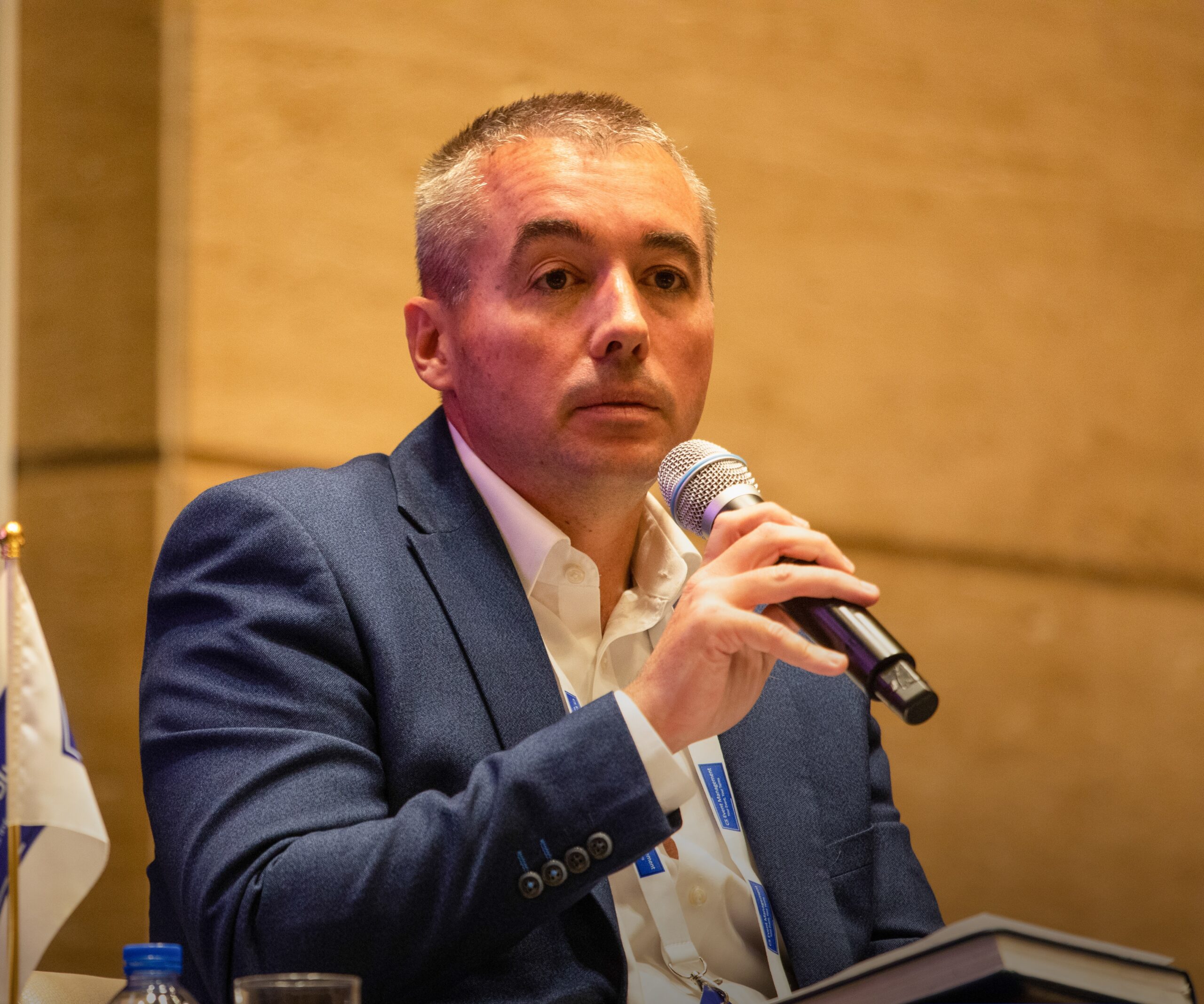
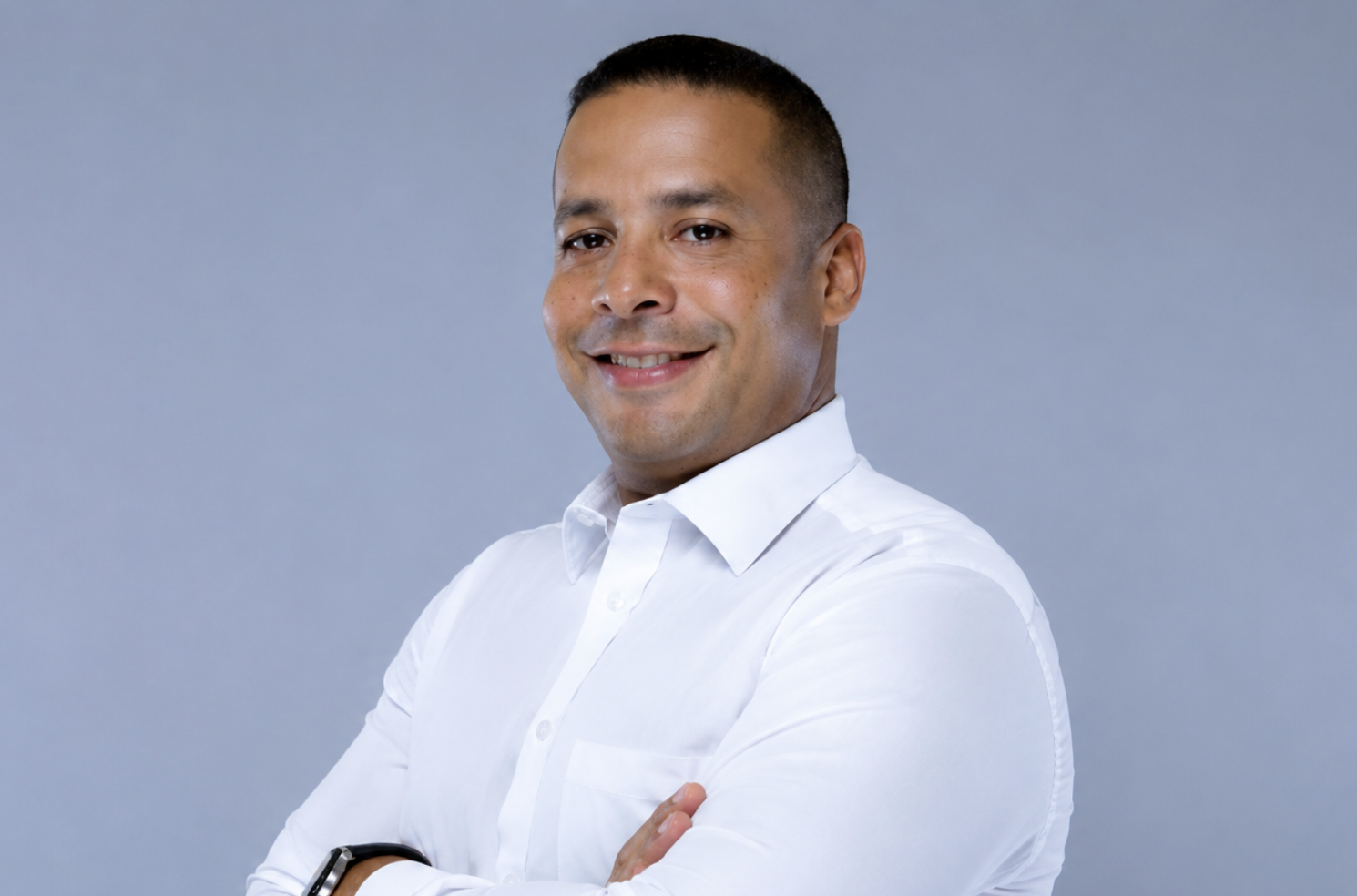
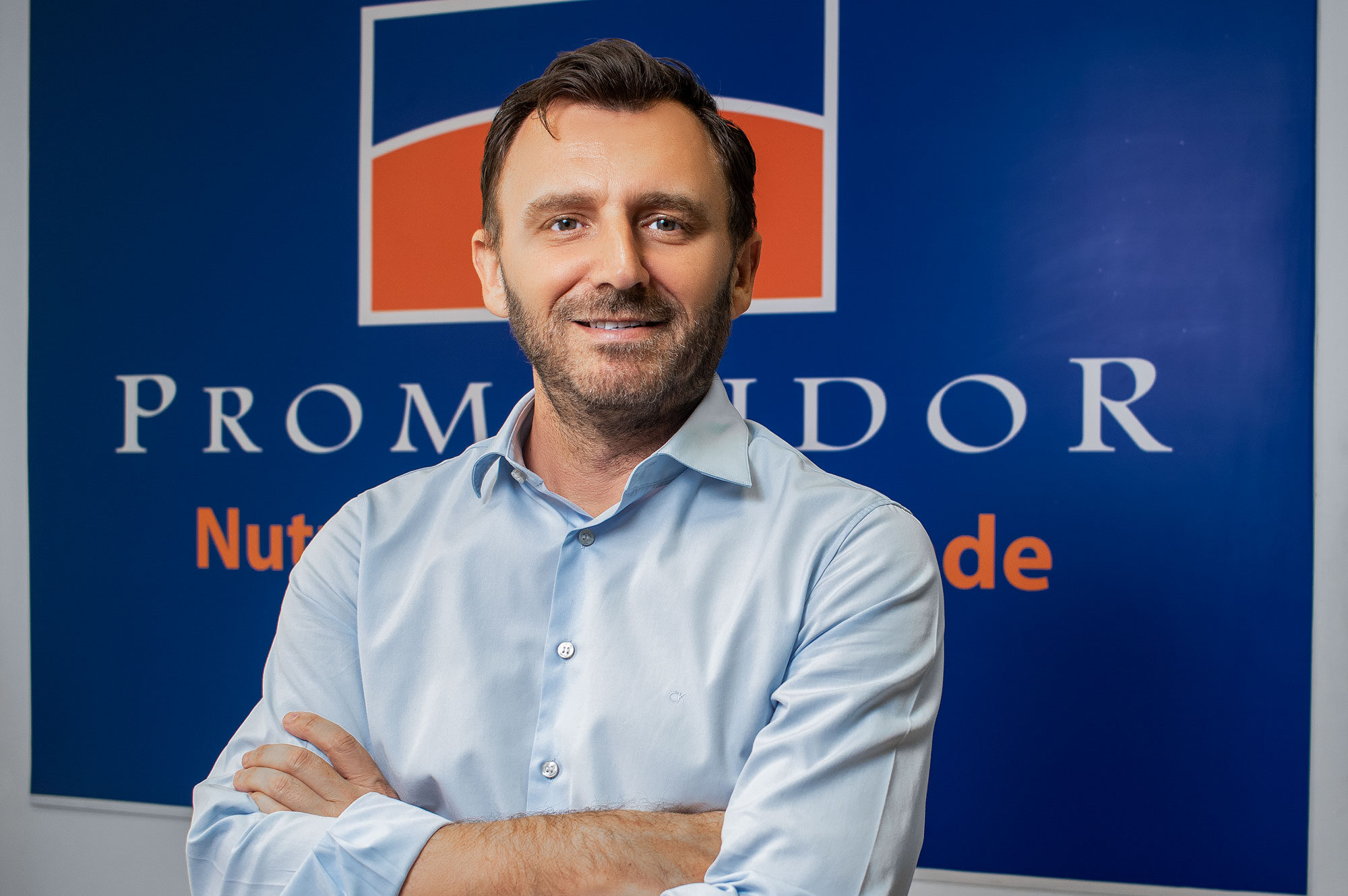
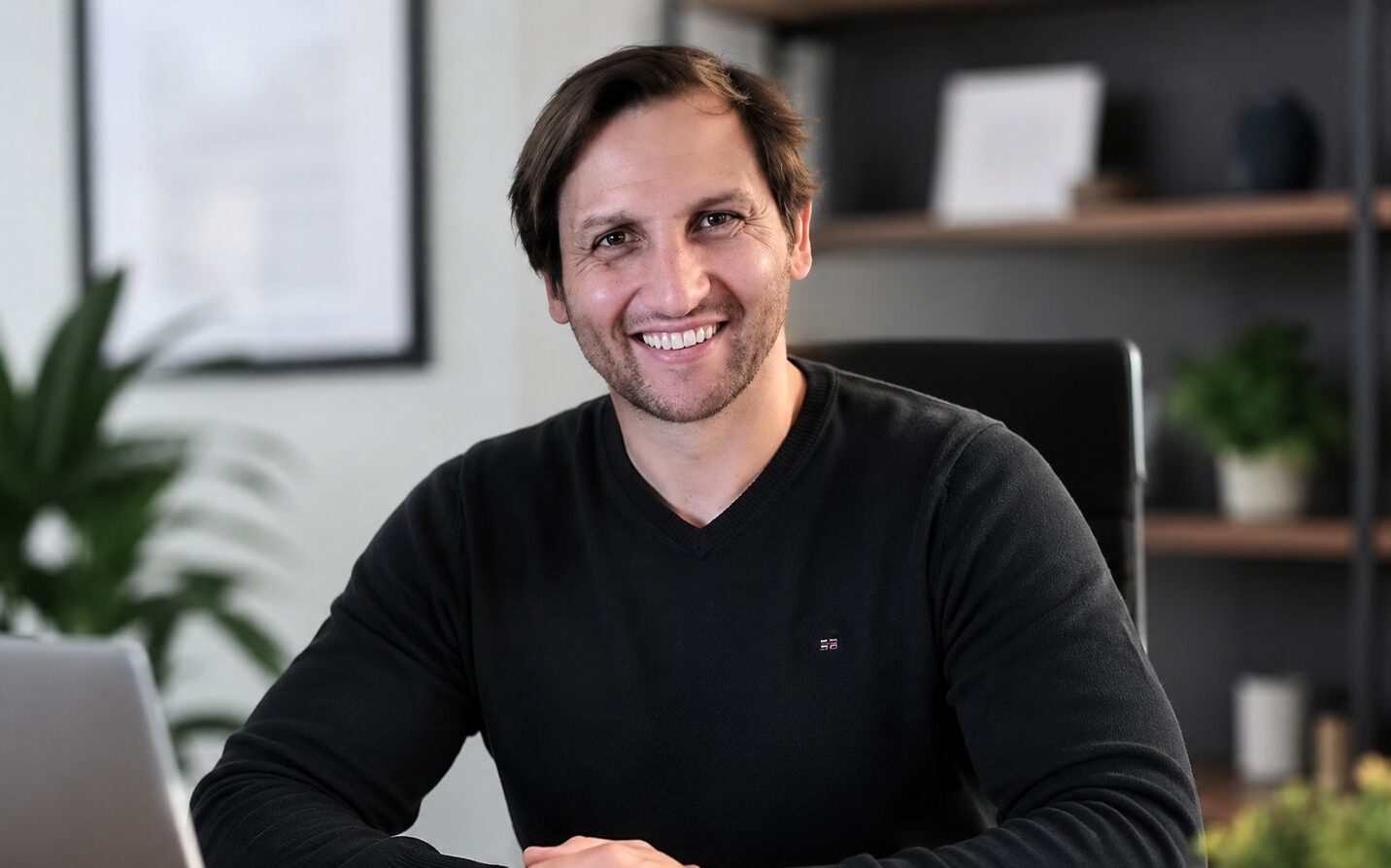
Mr. Tomasz Dowbor: Grupo Boa Vida has been present in the Angolan market for more than 30 years, and one of the most important milestones in our development was our decision to invest strongly in national resources and national labor. From the beginning, we believed that the country’s growth must be built on the capabilities of its own people. As a company, we focused on training Angolan professionals and preparing them to face the challenges not only of our company but also of the country’s strategic development sectors, particularly construction, industry, and agriculture.
This approach allowed us to align our growth with Angola’s broader economic priorities while creating opportunities for local talent. Our projects in residential infrastructure, especially large urban developments, have played a significant role in expanding modern housing and improving quality of life. At the same time, diversifying into industry and agriculture strengthened our ability to operate sustainably and support Angola’s long-term development goals.
2. Grupo Boa Vida has delivered several large-scale residential and mixed-use developments in Luanda, including flagship projects such as the Urbanização Boa Vida and the broader Cidade Boa Vida, representing hundreds of millions of dollars in investment and thousands of housing units. Could you share some of the group’s most recent performance indicators as of early 2026, such as the total number of residential units delivered, current projects under development, workforce size, or the overall investment volume across your real estate portfolio? How do these figures reflect Grupo Boa Vida’s long-term strategy and its contribution to addressing Angola’s growing demand for modern urban infrastructure and housing?
Mr.Tomasz Dowbor: Angola has created greater opportunities for investment in the real estate sector. In this context, Grupo Boa Vida has made significant investments in residential infrastructure, recognizing that construction is one of the sectors capable of generating employment, particularly for young people entering the workforce.
Today the group includes more than 30 companies and employs over 9,000 direct workers, of which approximately 99.5% are Angolan nationals. This reflects our commitment to developing local management and technical capacity rather than relying heavily on foreign labor, which was more common in the early 2000s and 2010s. To support this objective, we created the Instituto de Liderança, a business unit dedicated to leadership training and professional development for local talent.
Our flagship project, Cidade Boa Vida, represents a major milestone. The development is expected to reach close to 7,000 housing units in total, with more than 2,000 houses already delivered and nearly 10,000 residents currently living in the community. The project has become a benchmark for quality housing for the Angolan middle class, offering security, privacy, and improved living standards.
3. Over the past two years, Grupo Boa Vida has expanded its focus on innovation and modernization through initiatives ranging from biometric border-control technologies to the launch of the Polish Industrial Park and the continued development of large-scale smart residential communities. How have these initiatives improved operational efficiency, enhanced the customer experience, and supported the modernization of Angola’s real estate market?
Mr. Tomasz Dowbor: Innovation and modernization are key elements of our strategy. Through our cooperation with partners in Poland, we introduced several technological solutions in Angola, including biometric systems and other digital tools that support modernization and efficiency. Initially, these technologies were implemented within our own operations, but we also extended them to public institutions and government entities.
Digitalization is a global trend, and Angola is currently undergoing an important transformation to modernize both corporate and governmental processes. By introducing these solutions, we aim to contribute not only to improving our internal management but also to supporting the country’s broader transition toward digital governance and modern administrative systems. We believe that these technological partnerships represent an important step toward strengthening Angola’s institutional and business infrastructure.
4. Over the years, Grupo Boa Vida has collaborated with engineering firms such as NOAH, construction specialists, financial partners, and public institutions. How have these strategic partnerships contributed to accelerating project delivery, strengthening technical expertise, and supporting the development of modern housing and integrated urban communities in Angola? Are there other new partnerships GrupoBoa Vida is looking into to expand its portfolio?
Mr. Tomas Dowbor: Partnerships have been an important part of our development strategy. While technology and international collaboration are valuable, our primary focus remains on people and on creating opportunities for employees to develop their skills. Through programs aimed at improving professional capacity and encouraging innovation, we aim to strengthen the overall expertise within our organization.
In addition, Angola is currently experiencing a new phase of international engagement and investment. Following recent international summits and increasing cooperation between African and European partners, we see strong interest from companies across Europe and other regions in sectors such as construction, agriculture, mining, and energy.
Grupo Boa Vida has already established partnerships with companies from Poland, South Africa, Portugal, and other countries, and we believe this is only the beginning of a new chapter of international cooperation. These partnerships bring technical expertise, new technologies, and investment opportunities that help accelerate project delivery and strengthen our position in the market.
5. In recent years, Grupo Boa Vida has implemented several social responsibility and workforce development initiatives, such as providing food and educational support to social institutions such as the Lar Mamã Madalena orphanage, organizing charity events and holiday programs for children in communities such as Caxito in Bengo province, and literacy initiatives such as the EJA (Education for Youth and Adults) program. Could you please share with us the impact these initiatives have had so far? Are there other ESG practices you can share with us?
Mr. Tomas Dowbor: Social responsibility has always been part of our company’s values. Many of these initiatives were inspired by the humanitarian vision of my father, who believed strongly in helping people and creating opportunities for children and communities. In his memory, we established the Foundation Mariusz Dobrowolski three years ago, which now coordinates our social initiatives.
Through this foundation, we support at least twelve community activities each year, many of them focused on children and vulnerable communities. For example, we have been supporting the Lar Mamã Madalena orphanage for around 20 years. The institution cares for approximately 100 orphaned children and supports around 300 additional children from disadvantaged backgrounds. Currently, we are building a new facility for these children in Caxito, providing them with improved living conditions, education, and opportunities to learn agricultural skills. The new center is expected to be inaugurated soon.
Within the company itself, we also run several social and welfare programs. These include the distribution of approximately 1.7 million free meals annually to employees and surrounding communities, healthcare services for workers and their families, and training support programs. Through initiatives such as the “Mercado” program, employees can access essential food products before receiving their salaries, helping them manage financial difficulties. We also encourage education by subsidizing training courses and professional development opportunities for our workforce.
6. Over the past two years, Grupo Boa Vida has continued expanding its flagship Cidade Boa Vida through new phases such as Condomínio 6 Premium, Condomínio 17, and Condomínio 18, adding hundreds of modern housing units and reinforcing the project’s vision of a fully integrated urban community in Luanda. Looking ahead, what are Grupo Boa Vida’s strategic priorities for the coming years? Are there plans for new residential developments, expansion into other regions of Angola, smart-city infrastructure integration, or additional investments in commercial, educational, and mixed-use urban projects?
Mr. Tomasz Dowbor: Angola has enormous potential for real estate development. Luanda alone has around nine million residents, and the country’s population is growing at approximately 3.5% per year. This means that the demand for housing and urban infrastructure will continue to increase significantly in the coming years.
For Grupo Boa Vida, our strategy is to continue expanding our projects while maintaining the quality standards that have become associated with the Boa Vida brand. In Luanda, we are preparing a second phase of development near the new international airport, which will include approximately 5,000 additional housing units.
These new projects will aim to replicate the successful model of Cidade Boa Vida by creating integrated residential communities that offer security, reliable water and energy supply, and spaces designed for family life. We believe that the next few years will be very positive for Angola economically and politically, especially in sectors such as agriculture and construction, and we intend to actively participate in this new phase of development.
7. As the Chief Executive Officer of Grupo Boa Vida, and as an entrepreneur who moved to Angola in the 1990s and has since accumulated more than two decades of experience in real estate development and urban projects, could you share with us the personal values, formative experiences, and entrepreneurial insights that have most influenced your leadership philosophy and your long-term vision for contributing to sustainable urban development in Angola? What is the legacy that you would like to leave at the company?
Mr. Tomas Dowbor: Our mission at Grupo Boa Vida is centeredon improving the quality of life of the people who work with us and the communities around us. My personal goal is to contribute to creating opportunities for individuals to grow professionally and personally while demonstrating that it is possible to build successful and high-quality projects in Angola.
For many years, there was a perception that the best opportunities were always abroad—in Europe or South Africa. One of our objectives has been to change this mindset by showing that Angola itself can offer excellent professional and personal opportunities.
The legacy I hope to leave is a strong example that development, professionalism, and quality can thrive in Angola. If we can inspire our employees, partners, and communities to believe in their own potential and to contribute to building a better country, then we will have achieved something meaningful. Our goal is not only to build houses but also to help build a better future for Angola.