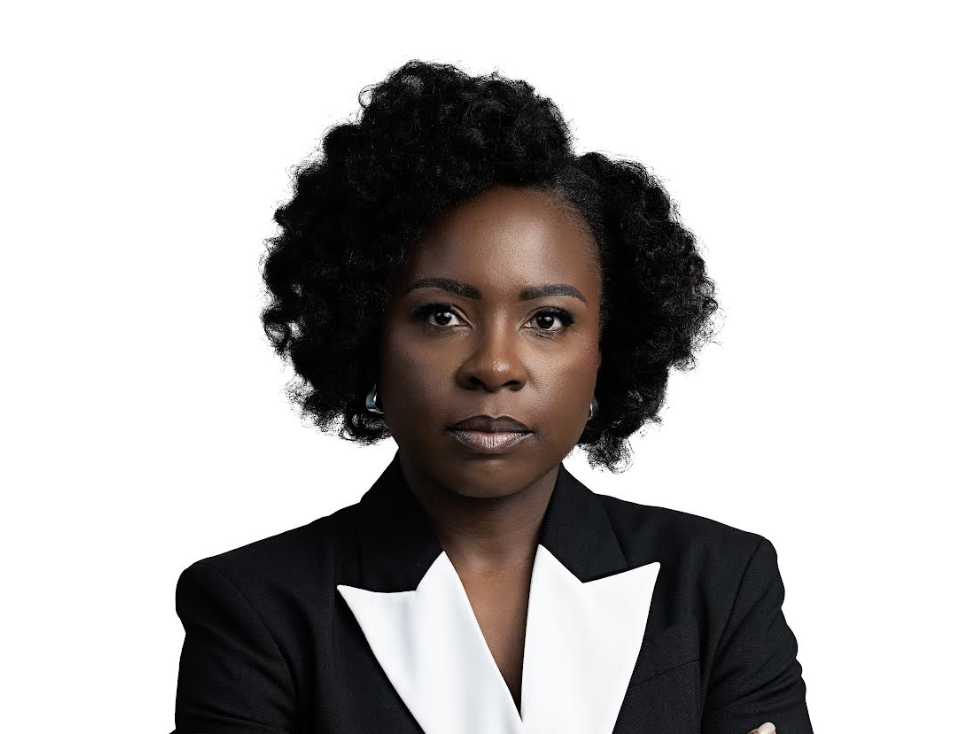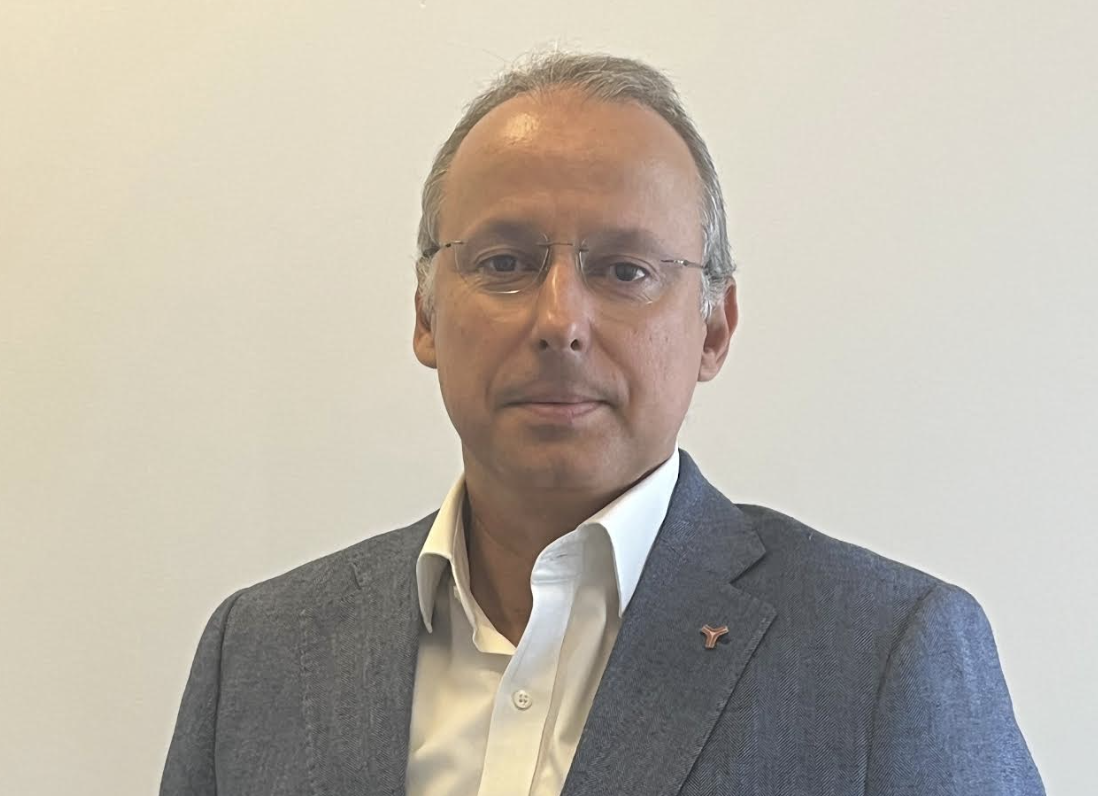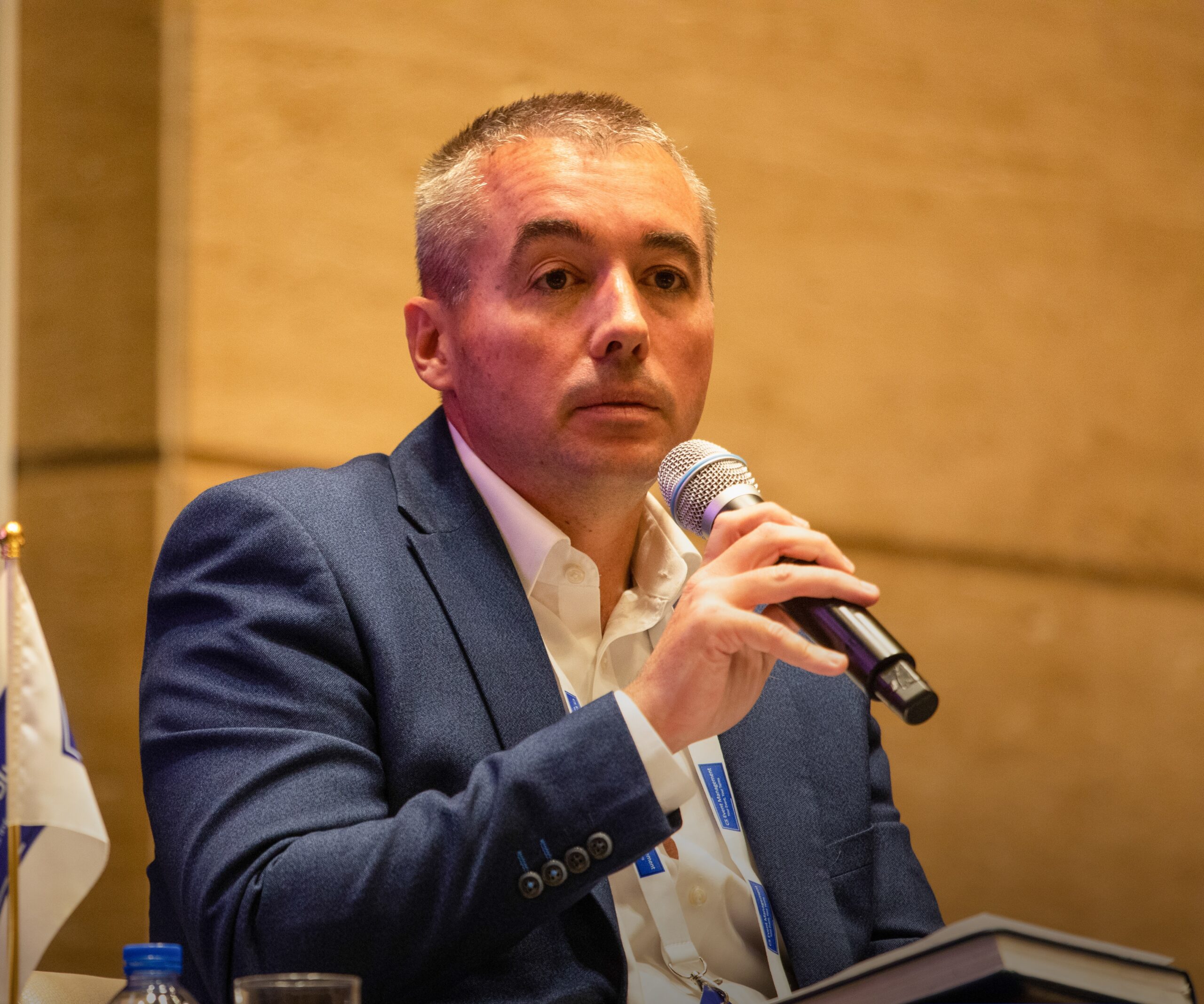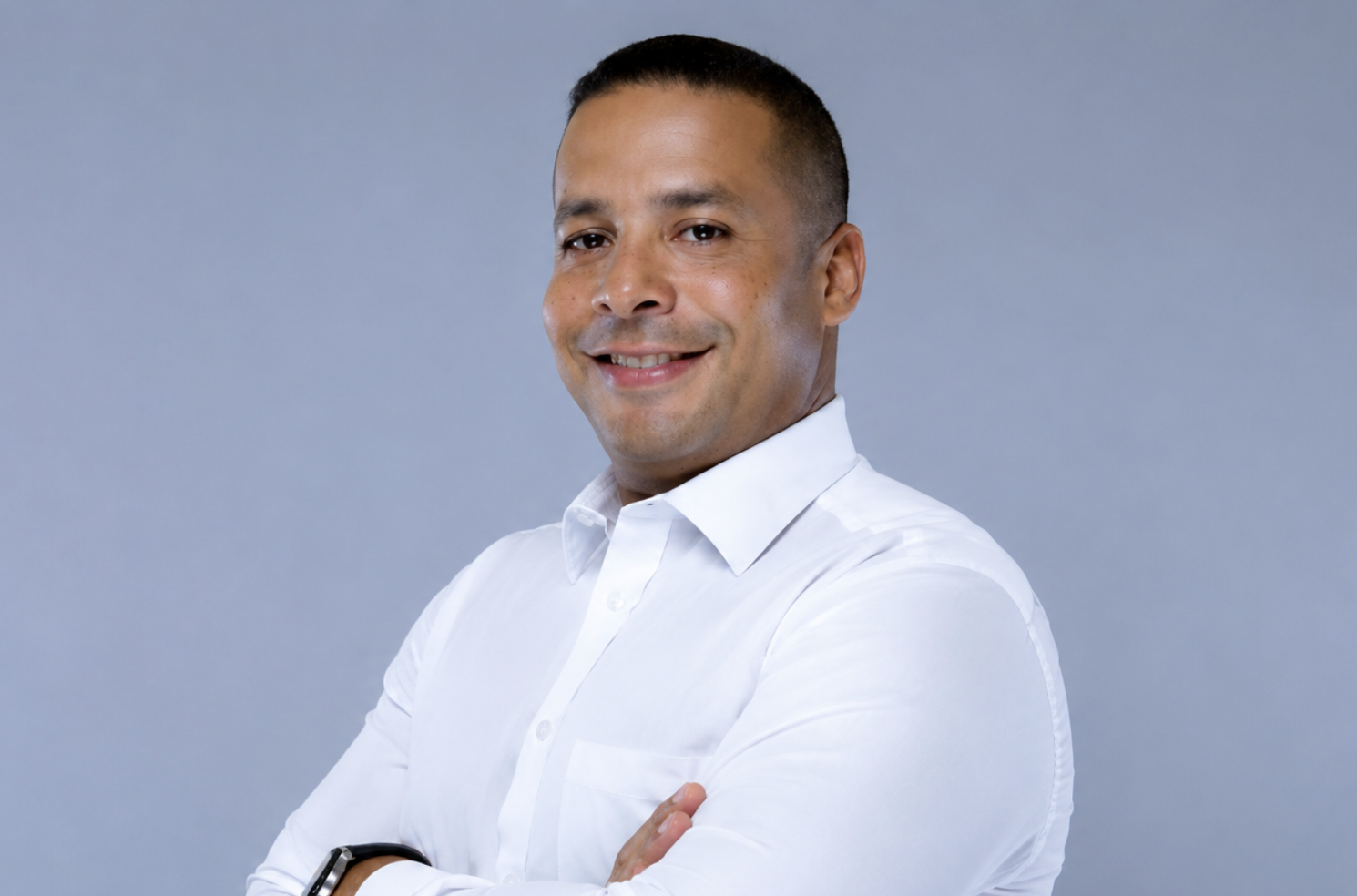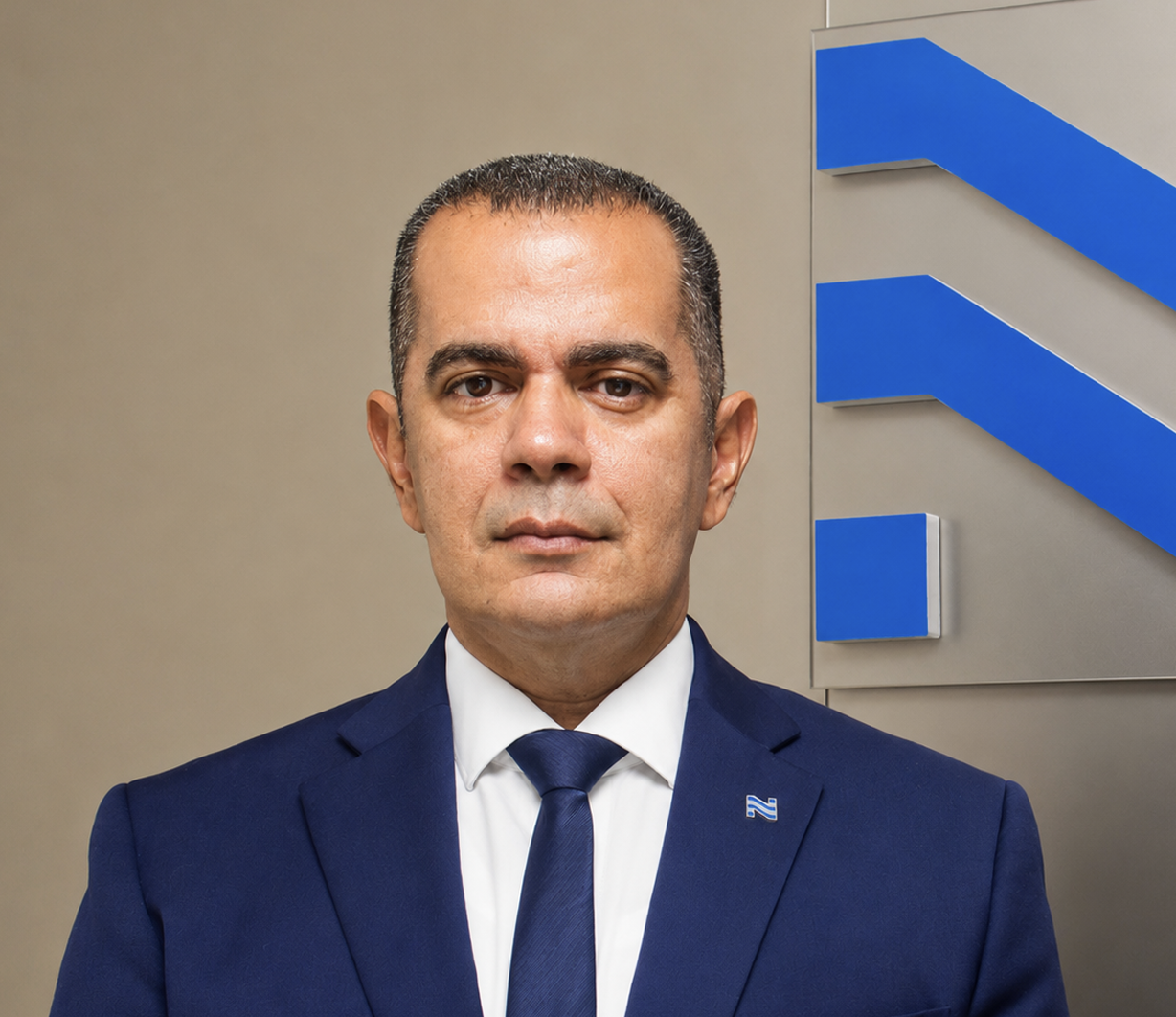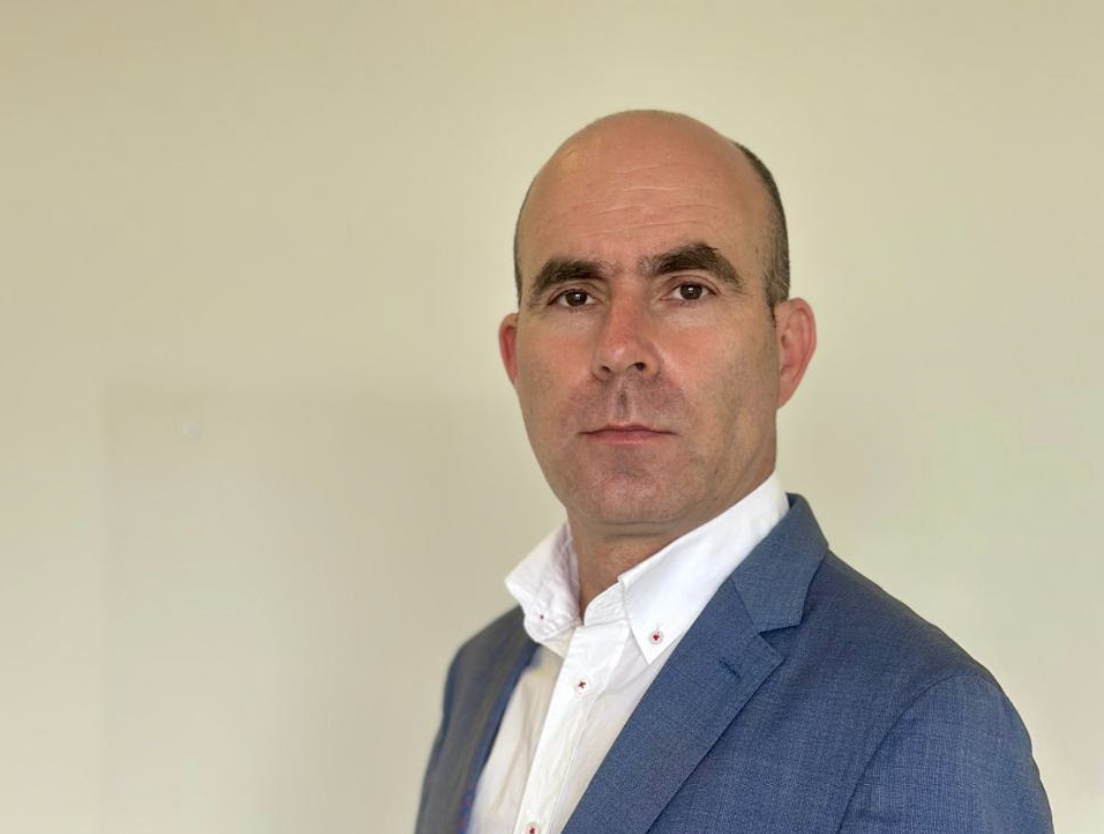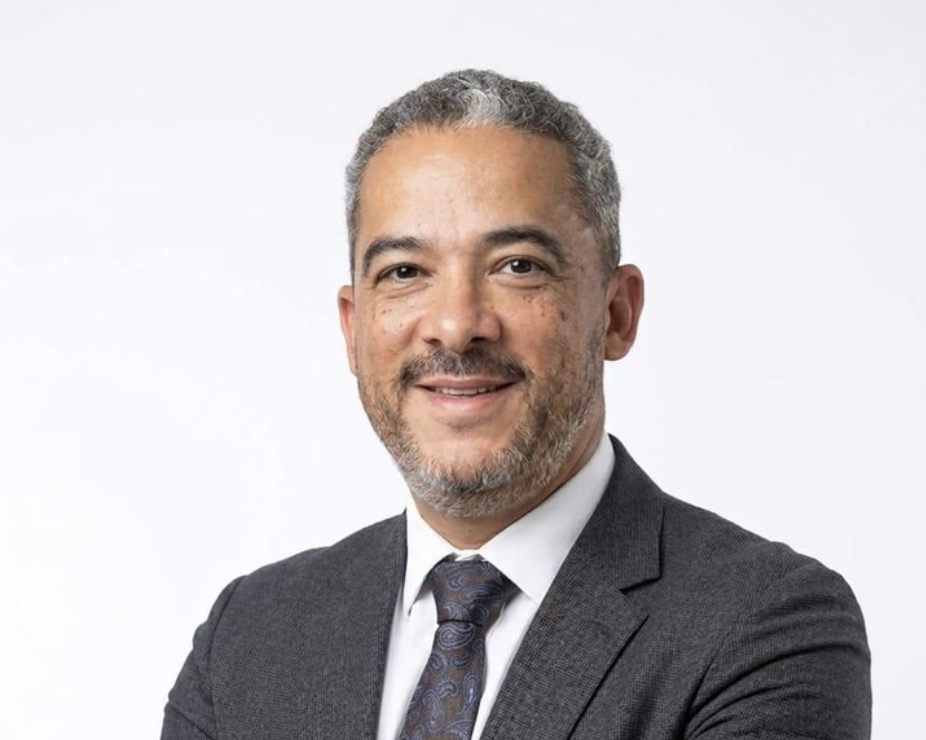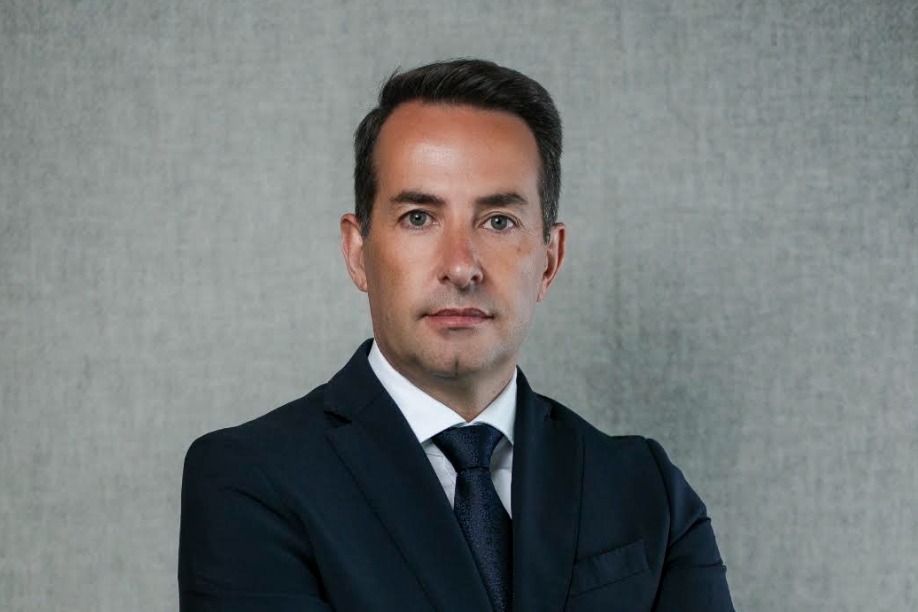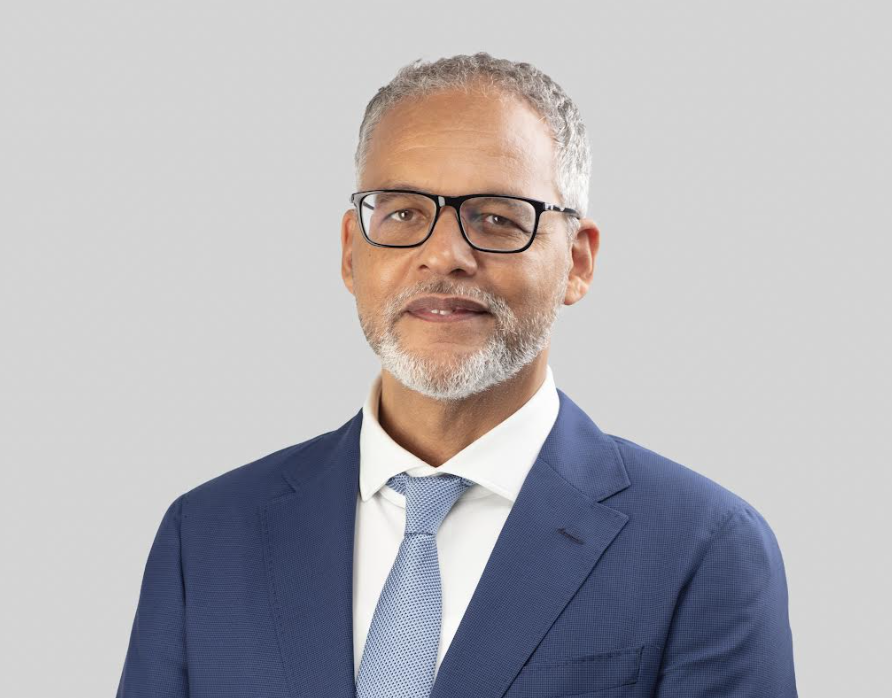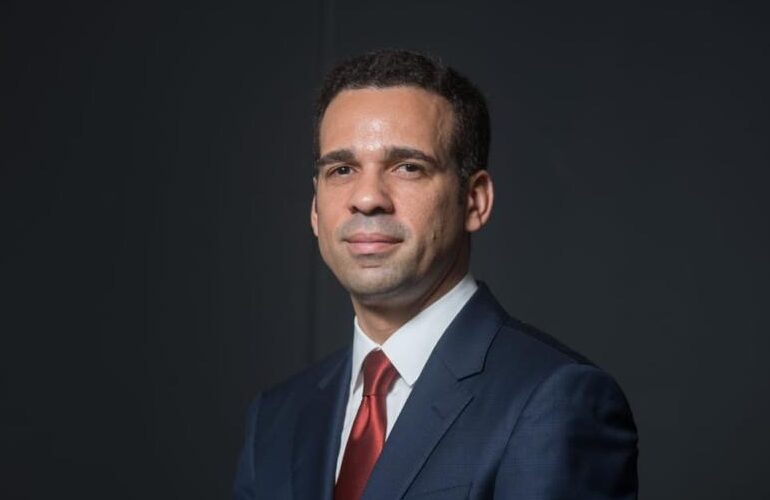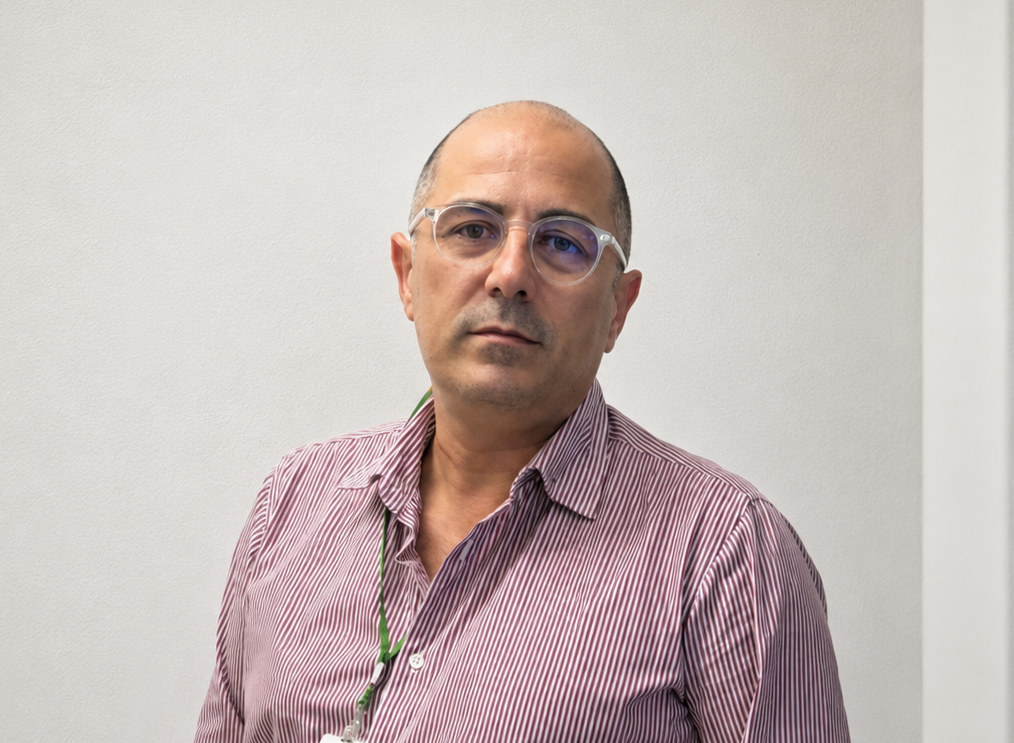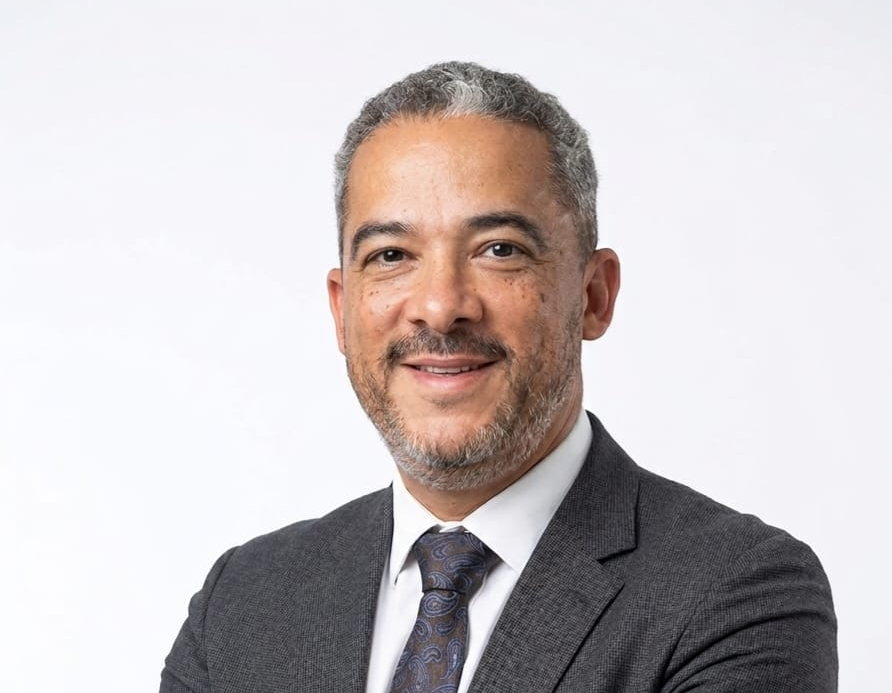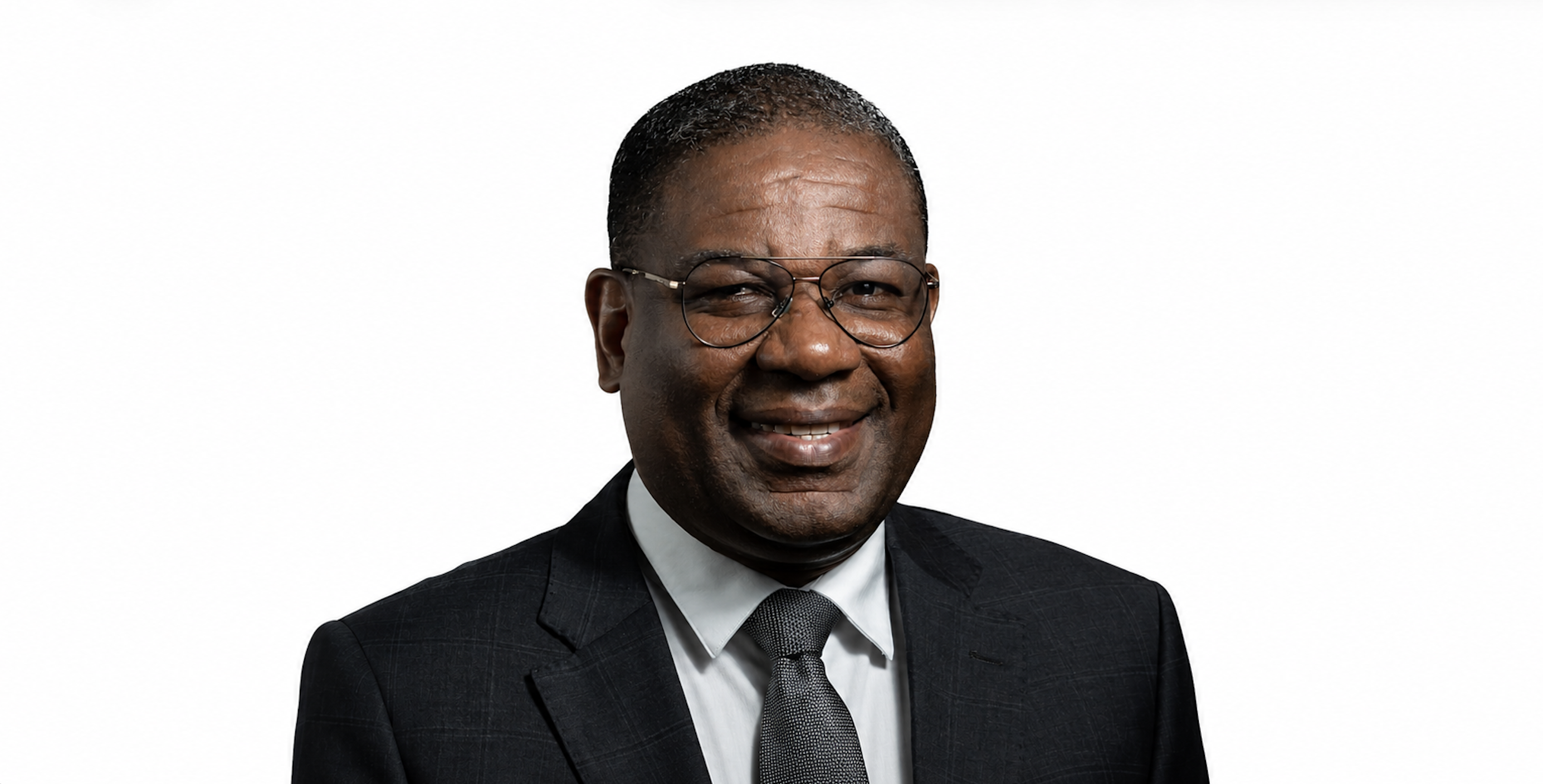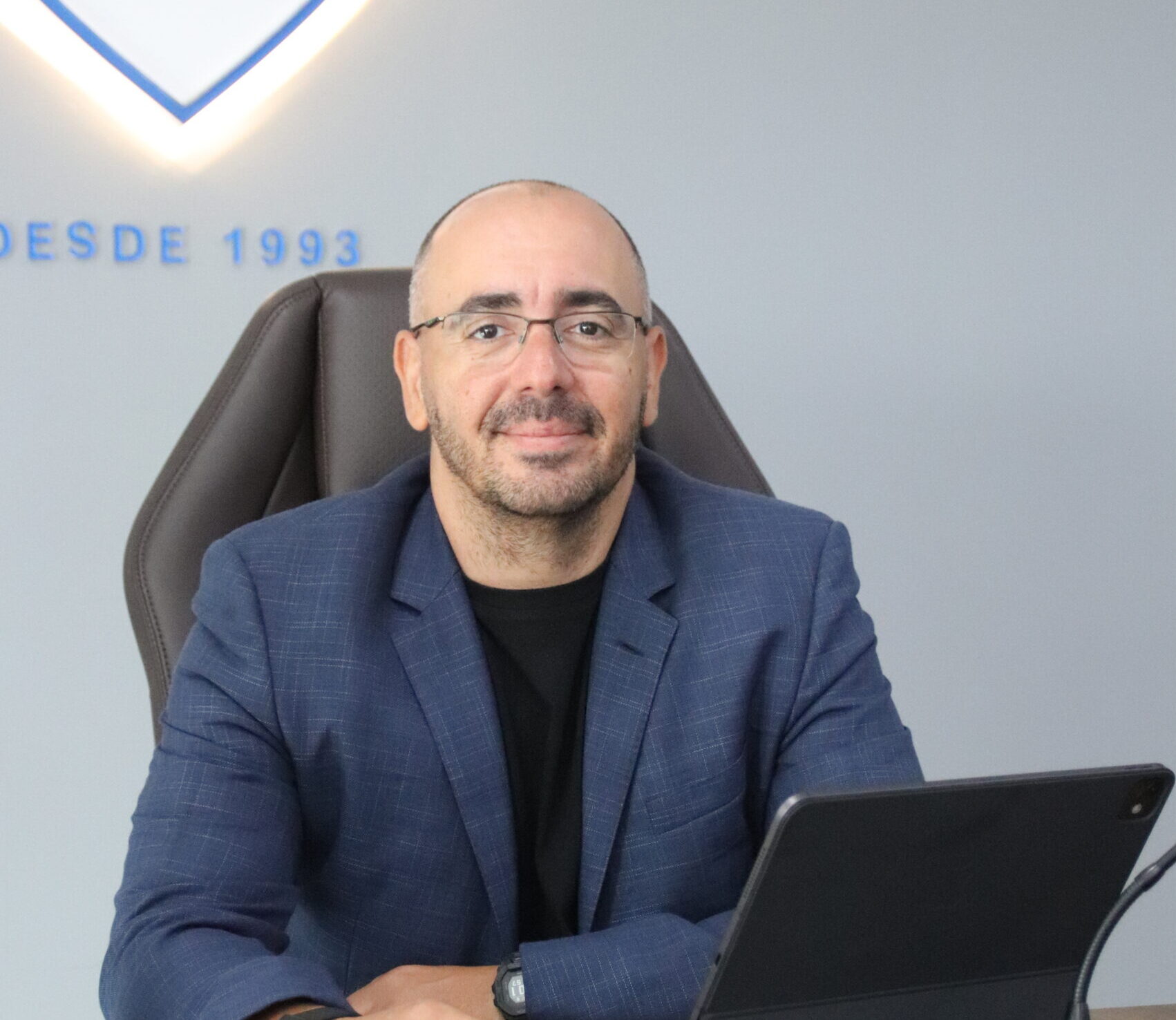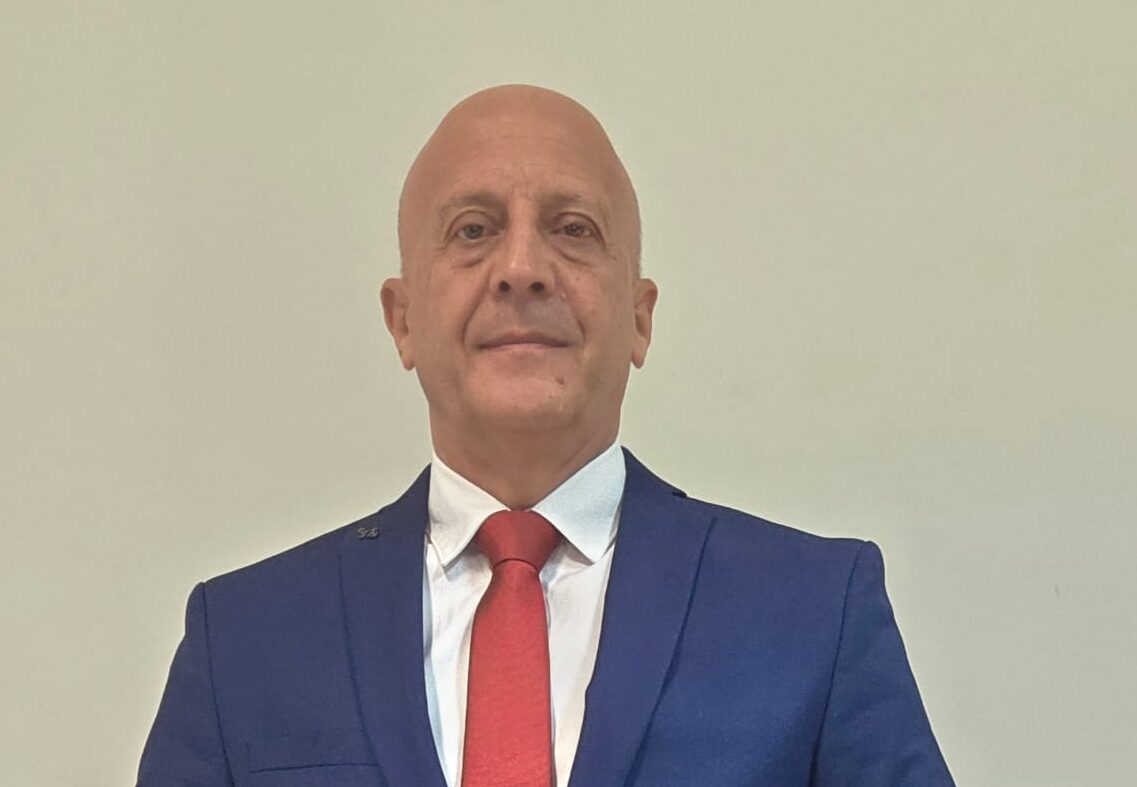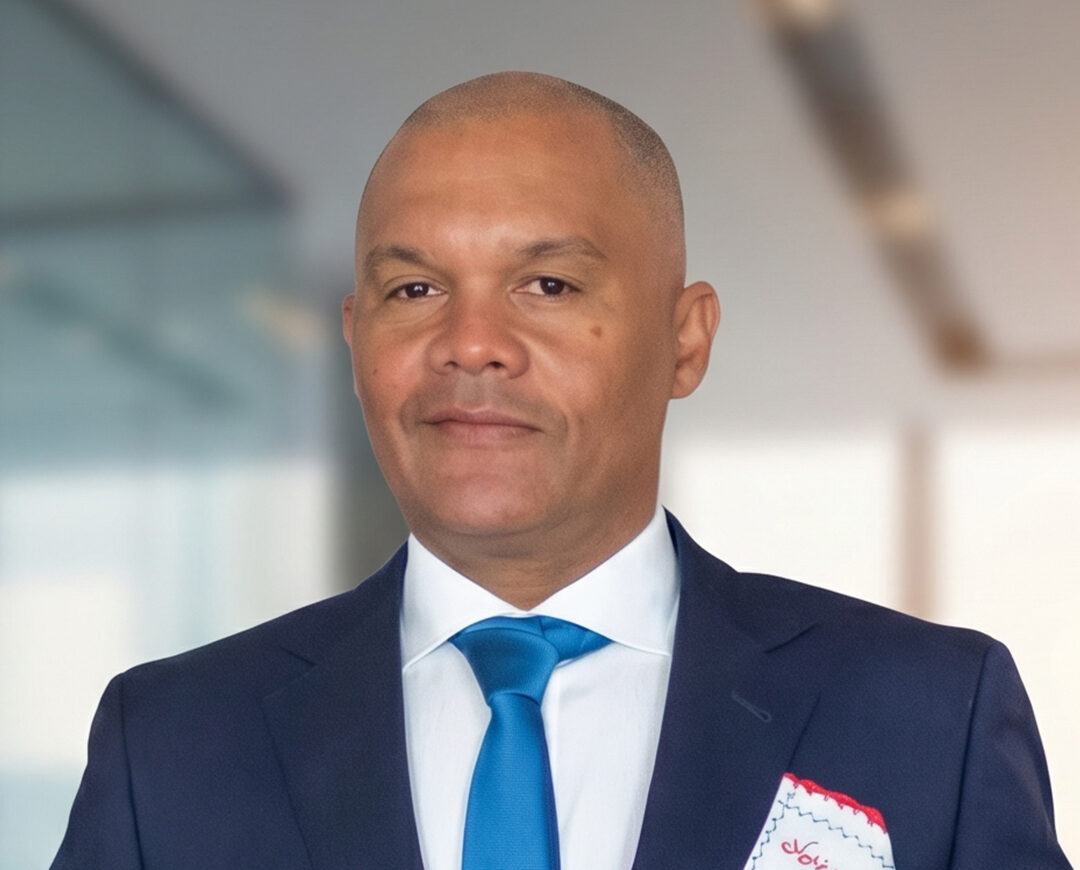

Could you start by introducing yourself and telling us how you came to lead Global Captive Management in the Cayman Islands?
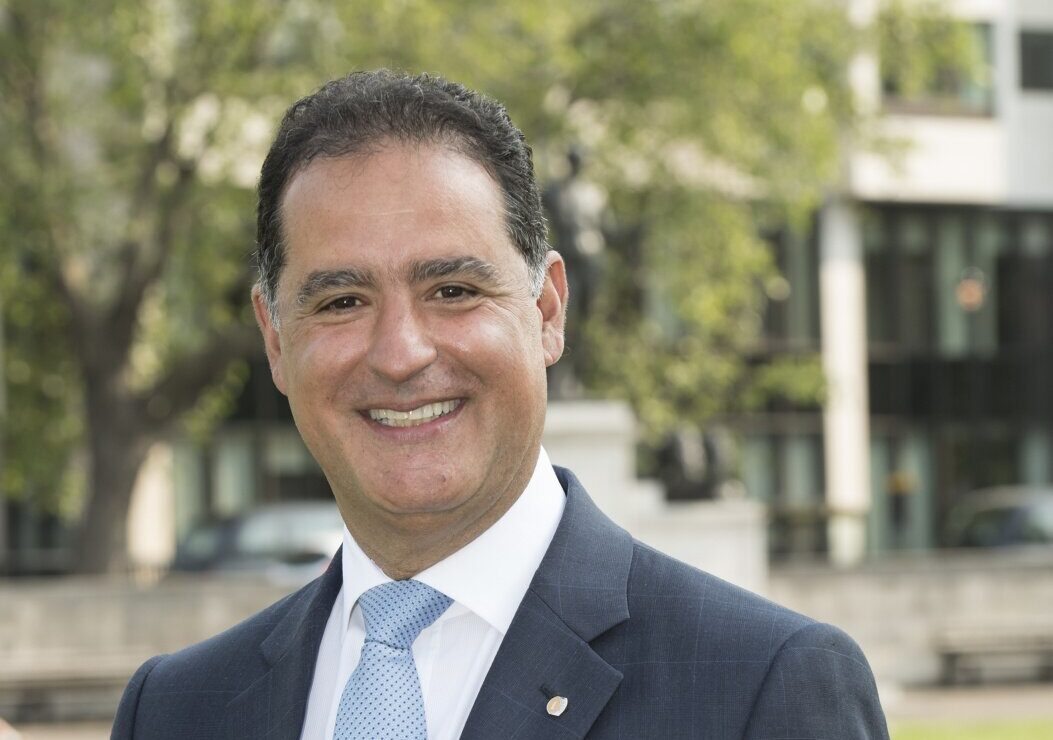
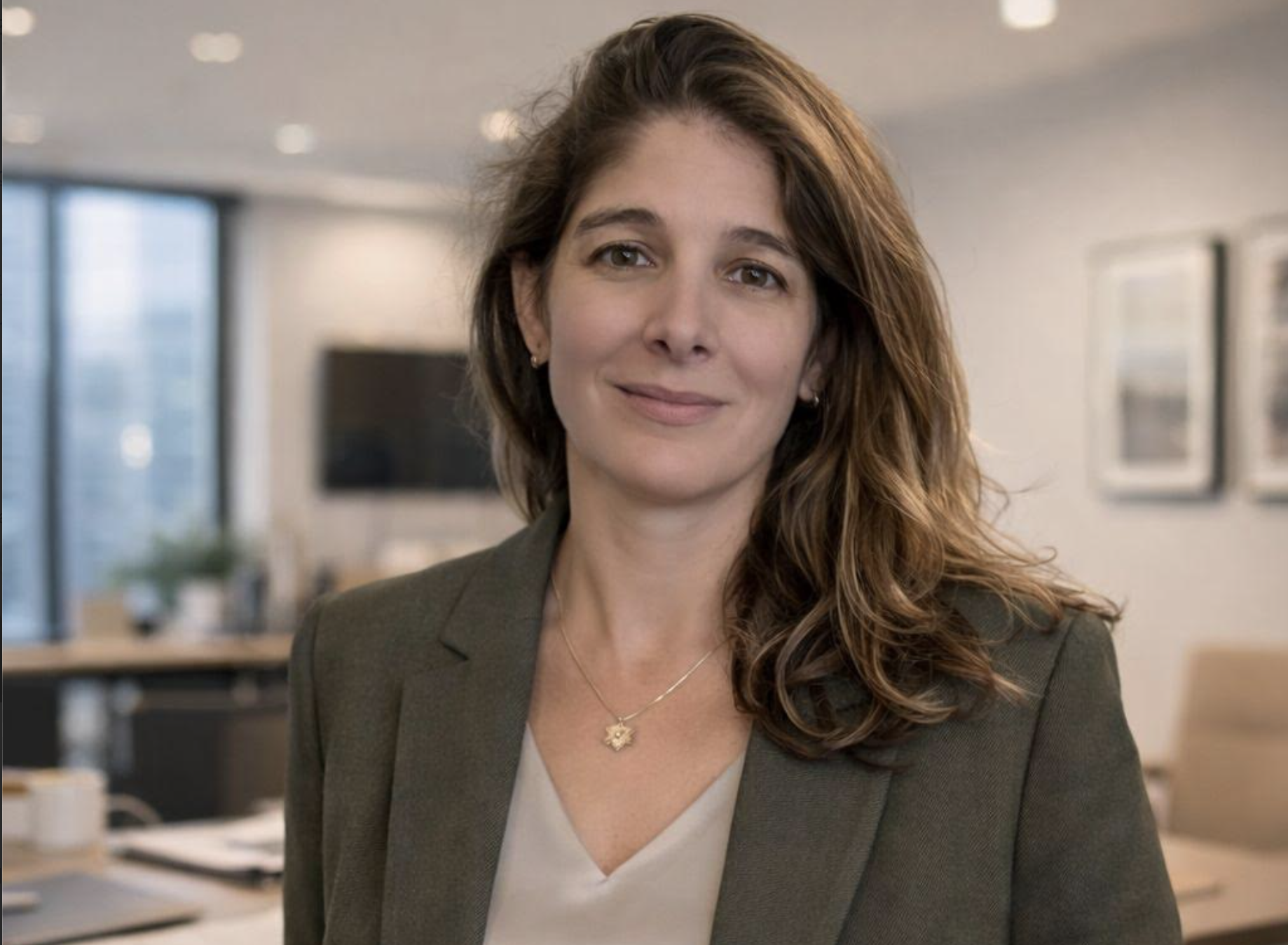
I’m originally from Sussex, England, where I studied and qualified as a chartered accountant while working for Deloitte. My partner at the time had just returned from Bermuda and spoke about the incredible opportunities overseas, so I began researching and discovered the Cayman Islands. I moved here intending to stay a couple of years, working at Deloitte auditing hedge funds, but quickly realised that wasn’t for me. I became interested in insurance after assisting on one of their audits, and when an opportunity came up at Global Captive Management (GCM), I took it. That was 17 years ago. I started as an account executive and worked my way up through the organisation, gaining a wealth of experience. In January 2024, I became President. Over the years, my husband joined me here, we built our life, and now Cayman is truly home.
GCM has undergone some changes in recent years, including a rebranding and office renovation. Can you talk about the company’s history and these recent developments?
GCM was founded in 1982 by Peter MacKay, right at the birth of the captive insurance industry in Cayman. Harvard established the first captive here in 1976 after Bermuda declined their application, which kickstarted the industry locally. Over the decades, Peter built GCM into one of the leading captive managers on the island. Unlike Aon or Marsh, we are entirely Cayman-based, competing with multinational firms from our single location. In 2019, Peter decided to retire and sold the company to Holmes Murphy, a US brokerage and long-time partner of ours. Crucially, the sale preserved our independence and culture. With Holmes Murphy’s support, we’ve rebranded, renovated our offices, and gained access to resources we couldn’t have had before, while maintaining local decision-making and the same high level of service.
How has the company performed this year, and what growth have you experienced recently?
This has been a very strong year for us, with significant growth across different types of captives, including single parent captives, group captives, segregated portfolio companies, and B3s. Several of our segregated portfolio companies added cells this year, and we brought on two new group captives as well as a transfer of another. One of our biggest achievements was launching our own segregated portfolio company structure, allowing US companies to “rent” cells without setting up their own legal entities, while relying on our expertise for governance and regulatory compliance. Over the past three to four years, we’ve grown revenues by around 30%, consistently surpassing the targets set by our parent company. In an industry where 5% growth is considered strong, achieving over 10% revenue growth and a “Rule of 20” performance metric is something we’re very proud of.
Cayman’s financial services industry operates in a competitive global environment. What challenges do you see the jurisdiction facing, and how are they being addressed?
I think Cayman has done exceptionally well in recent years. The Premier’s leadership, especially in getting us off the FATF list, was critical. Cayman Finance has also done a fantastic job of defending the jurisdiction’s reputation. They actively challenge inaccurate media portrayals, which is important because Cayman is often unfairly stereotyped in global narratives. In reality, setting up a bank account here is far more rigorous than in places like New York. The industry is professional, well-regulated, and flexible. At GCM, we work closely with regulators rather than against them, because their role strengthens our reputation as a stable and robust jurisdiction. We go beyond the minimum, training our clients’ directors, strengthening governance frameworks, and helping to educate them on best practices that often benefit their own businesses back home.
The US market is clearly essential for your business. How do you reach and engage clients there?
The US represents about 95% of our portfolio. Europe tends to use its own jurisdictions like Guernsey or Luxembourg, whereas US companies usually choose between US domiciles, Bermuda, and Cayman. To reach this market, conferences are key. We maintain a presence at major captive association events across different states and often collaborate with Cayman Finance and IMAC on their booths. We’ve also invested heavily in our LinkedIn presence, growing from 400 to over 2,000 followers. But above all, our industry is relationship-driven. Over four decades, we’ve built strong ties with brokers, agents, consultants, and lawyers across the US, who recommend us to their clients. Offering innovative structures like our SPC helps us stand out. We may be local, but we’re competing at the top level.
Finally, what message would you like to share with USA TODAY’s readers about doing business with Cayman and with GCM?
Cayman remains a premier jurisdiction for financial services thanks to its strong regulatory framework, innovative spirit, and professional ecosystem. Our legislation has evolved over decades in step with the industry, allowing us to remain competitive and forward-thinking. At GCM, we’re proud to be a locally embedded firm offering a boutique, highly responsive service. We don’t offshore our work—every member of our team is based here. That means clients can speak directly to the people managing their business. We’re also actively involved in shaping the industry’s future through bodies like IMAC and Cayman Finance. In short, Cayman offers a stable, innovative environment for insurance and financial services, and GCM represents the best of that local expertise with a global reach.