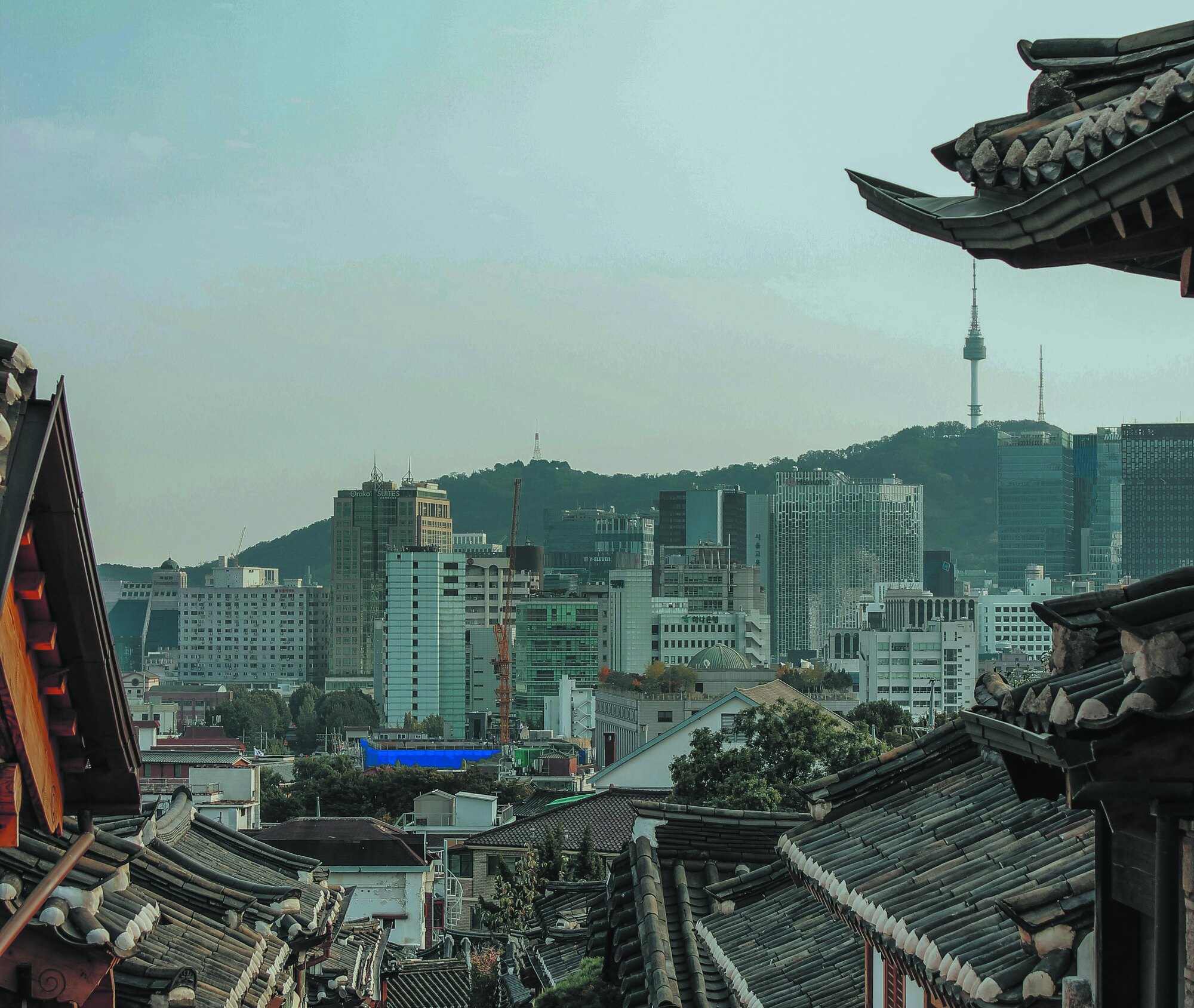
Few economies have compressed as much transformation into as little time as South Korea. A country once constrained by limited natural resources and a relatively small domestic market built itself into one of the world’s major industrial economies through exports, education, manufacturing and relentless investment in technology.
The first victories were industrial. Shipbuilding, steel, automobiles, electronics and petrochemicals created scale. Semiconductors and displays moved Korea further up the value chain. Today, artificial intelligence, high-bandwidth memory, advanced manufacturing equipment, batteries, biotechnology, robotics and clean energy are pushing the economy toward another transition.
President Lee Jae Myung has described that achievement in striking terms. “With limited natural resources, Korea achieved the remarkable milestone of becoming the world’s 10th-largest economy,” he said in his 2026 New Year’s address.
The more important question for investors is what Korea does next. The economic backdrop is strengthening. The IMF expects GDP growth of 2.6% in 2026 and 2.5% in 2027, following a significant upward revision driven partly by exceptionally strong AI hardware exports. The OECD similarly identifies semiconductor exports as a central engine for growth and private investment, while expecting investment to broaden beyond the sector as 2026 progresses.
This is not simply another semiconductor cycle. It is an opportunity for Korea to convert decades of accumulated industrial knowledge into leadership across the infrastructure surrounding the AI economy.
Korea’s advantage begins with density. Chipmakers operate alongside equipment manufacturers, testing specialists, advanced-material companies, battery producers, engineering groups and increasingly sophisticated software and data businesses. Innovation therefore travels through an ecosystem rather than residing within individual corporations.
Research intensity reinforces that model. Korea devoted approximately 5.1% of GDP to R&D in 2024, according to OECD data, one of the highest shares among OECD economies and well above the organization’s 2.7% average.
That commitment helps explain why opportunities increasingly extend beyond the conglomerates that first made Korean industry internationally recognizable.
SEMICS illustrates the mindset emerging among specialized technology businesses. Its international expansion began early, while its management culture emphasizes rapid execution rather than hierarchy for its own sake. “If everybody has a target and empowerment is granted, they decide quickly,” founder Shoun Yu said. “The leader’s job is to make sure people have a clear target.”
That philosophy matters beyond one business. Korea’s next investment story is increasingly about companies operating deeper inside global value chains: businesses producing the equipment, testing technologies, components, engineering systems and intellectual property upon which larger industries depend.
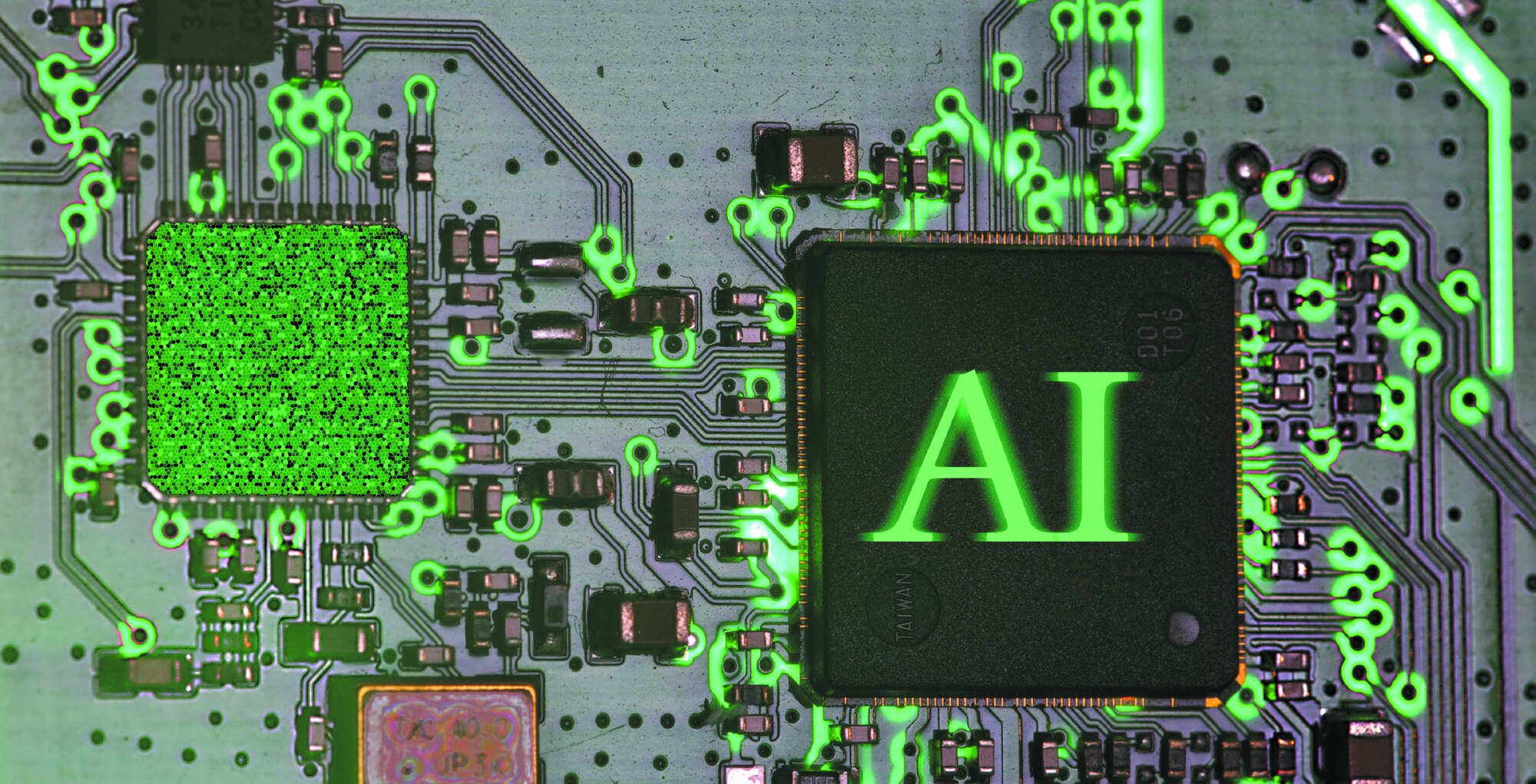
Artificial intelligence is accelerating that opportunity. Every advance in AI ultimately carries a physical requirement. More computing requires more sophisticated chips. More sophisticated chips require new memory architectures, inspection systems, testing equipment and manufacturing facilities. Those facilities require energy, water, precision environmental controls and enormous capital investment.
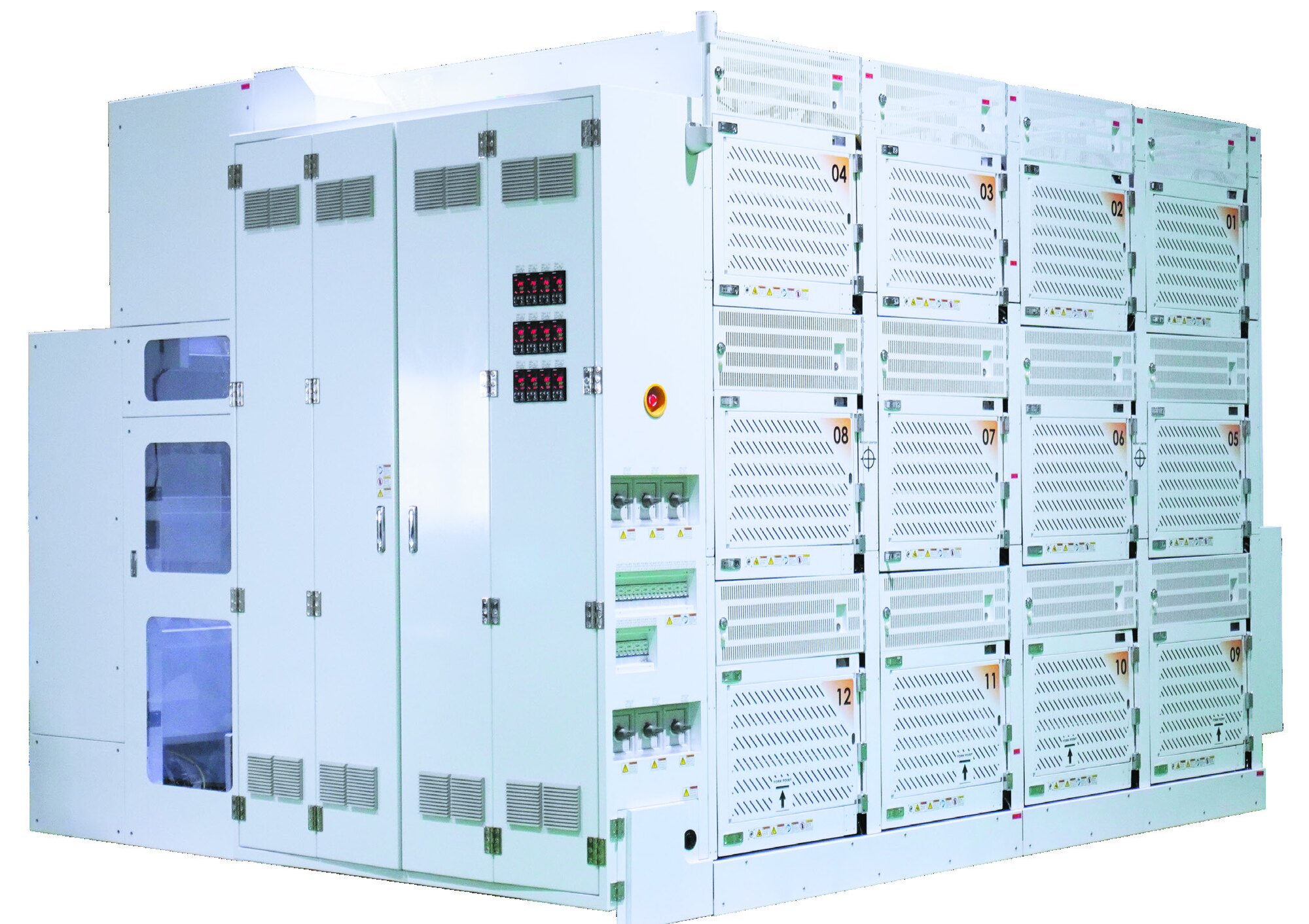
Korea already occupies strategically valuable positions across that chain. NEXTIN represents one part of the equation as increasingly complex semiconductor architectures create new inspection requirements. Yet its wider message is about international industrial cooperation. “U.S. companies also need to think about cooperation with Korean companies,” President and CEO Chris Park said. “Korea is rich in manufacturing technologies and human resources.”
That proposition is becoming more relevant as governments seek both resilience and additional manufacturing capacity. Supply chains are being reconsidered, strategic production is being localized and capital is moving toward semiconductors, batteries, energy and AI infrastructure.
Korea can participate not merely by exporting finished products, but by exporting the capabilities required to build those industries.
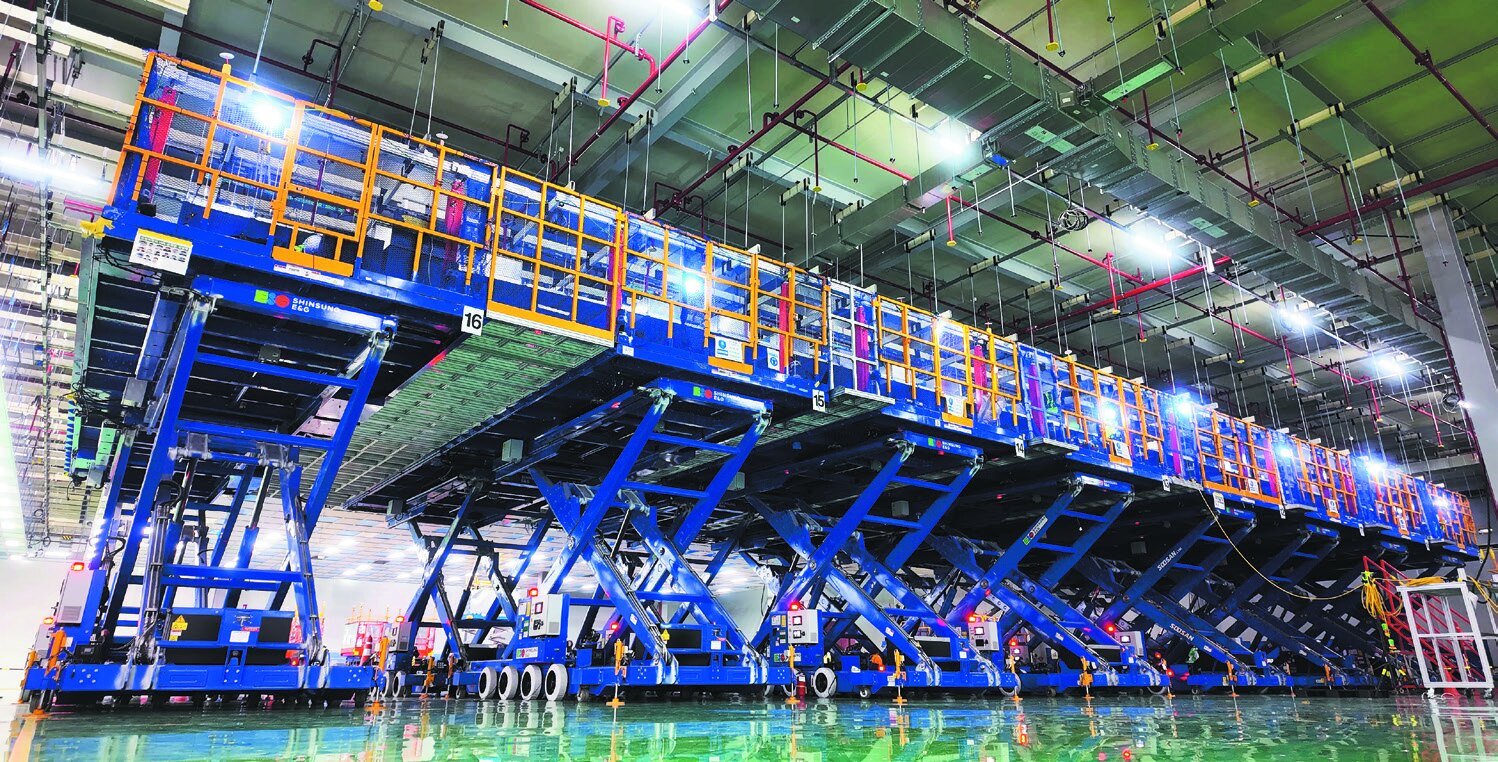
Shinsung E&G offers another perspective on that transition. Nearly five decades of Korean industrial development have taken the engineering group from controlled environments into the infrastructure supporting semiconductors, displays and secondary batteries. Its experience abroad also reflects how Korean suppliers are adapting to customers beyond their domestic ecosystem.
“We don’t only work with Korean companies; we work with American companies,” CEO Lee Ji-Seon said. “The culture may be different, but we learn their systems and business customs, and we develop based on that.”
For investors, that adaptability is important. Korea’s opportunity depends not simply on technological excellence at home, but on whether its industrial champions can translate that expertise into international markets.
Policy is increasingly aligned with that ambition. In Silicon Valley in July, President Lee presented Korea directly to global venture investors. “Korea’s competitiveness extends far beyond just technology,” he said. “It rests on the ability to deliver fast execution, a world-class manufacturing base, advanced digital infrastructure, exceptional talent and the resilience of our people, who have repeatedly turned crises into opportunities.”
His administration has pledged to improve conditions for international entrepreneurs and investors, including visa reform, stronger links between companies, research institutions and investment organizations, and financial support designed to help promising startups reach international markets. The objective, Lee said, is to foster “one of the world’s most attractive environments for investment and entrepreneurship.”
That opening matters because Korea’s innovation economy is broader than manufacturing. Biotechnology and healthcare technology offer another route to global growth. Seegene, for example, has spent more than two decades developing molecular diagnostics while pursuing a model in which technology, data and product-development capabilities can increasingly be shared internationally.
Its entrepreneurial philosophy captures something fundamental about the economy that surrounds it. “Without trying, nobody knows,” founder and CEO Dr. Jong-Yoon Chun said. “Don’t hesitate, don’t be afraid. Try.”
That willingness to challenge established models has become increasingly valuable as Korea searches for its next generation of globally competitive businesses.
There are challenges. An ageing population will place growing pressure on public finances and the labor market. Regional imbalances remain substantial, while an economy heavily exposed to international trade must continuously navigate geopolitical disruption, energy security and changing global supply chains. The OECD has specifically identified ageing, regional disparities and long-term fiscal sustainability as structural issues requiring continued reform.
Yet Korea’s economic history has repeatedly been defined by its response to constraints. Limited natural resources encouraged industrialization. A relatively small domestic market encouraged exports. Competition with larger economies encouraged specialization. Technological disruption is now encouraging another transformation.
The result is an investment proposition increasingly difficult to reduce to the familiar names at the top of Korea’s corporate hierarchy. Behind them sits a dense network of specialized companies, engineers, researchers and entrepreneurs participating in some of the defining investment themes of the coming decade.
President Lee has made the invitation explicit. Korea, he said, has become “an irreplaceable hub of innovation that can offer global investors new opportunities for growth.”
For international capital, the next Korean opportunity may therefore lie precisely where its previous economic victories began: in the intersection between necessity, technology and an extraordinary capacity to build.