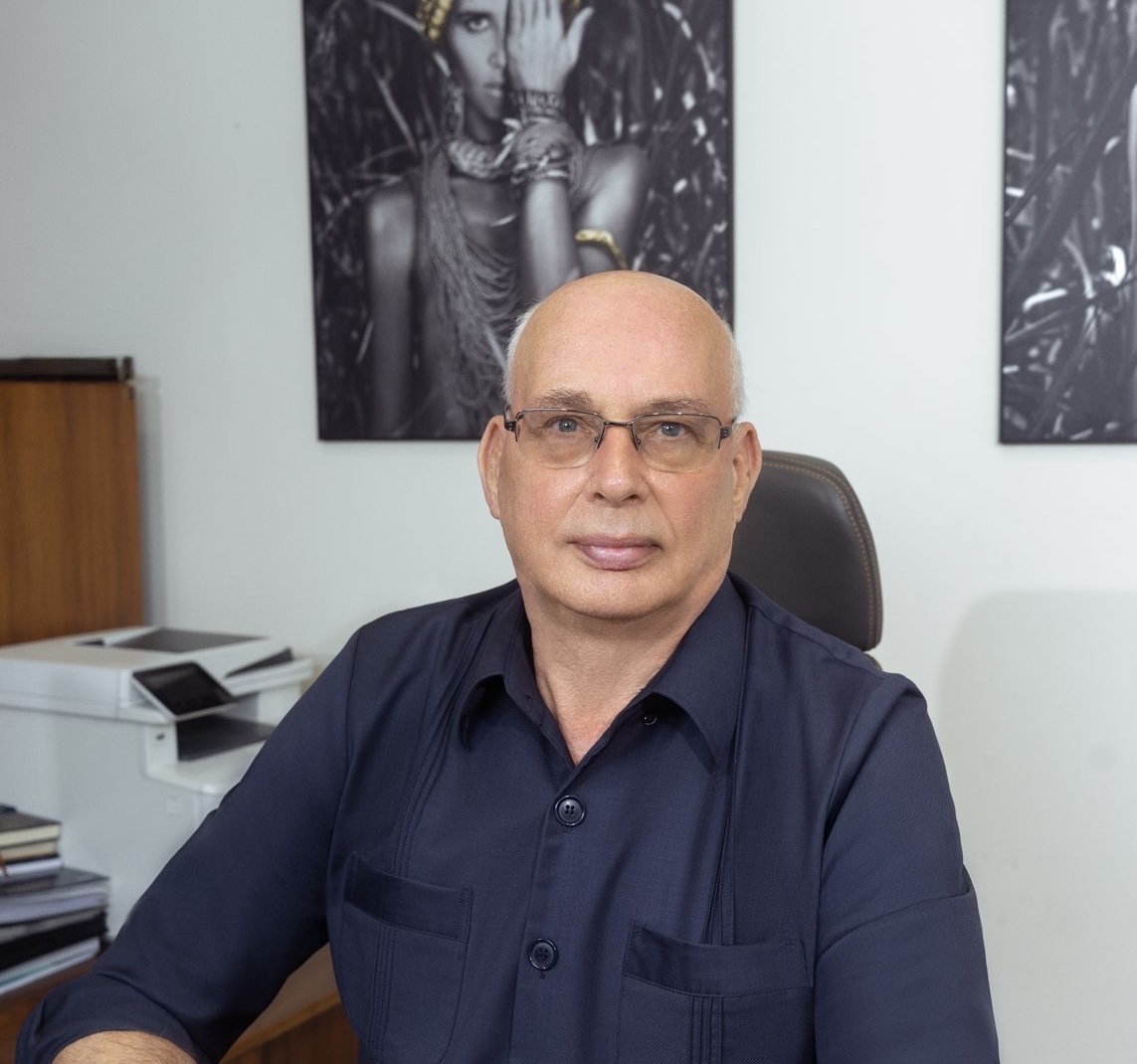
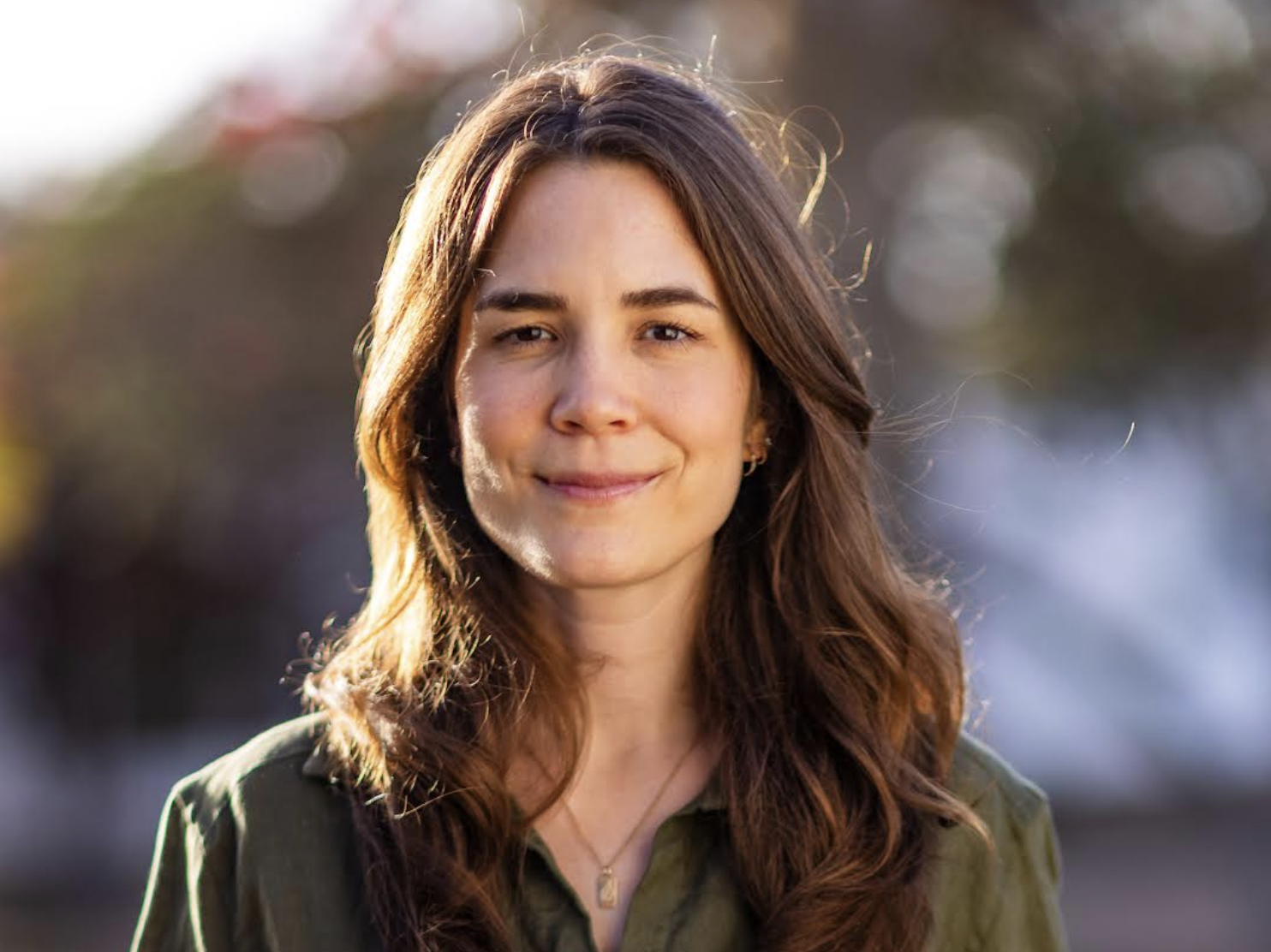
1. AvaGro has evolved from a pioneering horticultural operation in the Namib Desert into a broader agricultural solutions company. How would you assess the company’s performance in the first half of 2026, and what are your key strategic priorities for the remainder of the year as you continue contributing to the transformation of Namibia’s agricultural sector?
Well, 2026 has been – and still is – quite a transformative year for AvaGro. Last year, we had a really tough winter, historically one of the coldest winters that Namibia has ever had. I’ve been here for 10 years, and for me it was definitely the coldest and most severe winter. I remember clearly, it was from March all the way until Monday, the 17th of November, when the sun finally came out. So, we had a tough year.
The climate used to be much more moderate when I came here many years back, but now the climate has changed quite a bit. It was tough for us. I think as for many farmers and agribusinesses around the world, the climate is definitely changing a lot and production costs are rising.
To be competitive and to continue running a successful, financially sustainable business is becoming more and more challenging. We came out of 2025 with that experience.
So, in 2026, we have really looked at how we can restructure and build the company in a way that we can withstand such tough years. We have changed. Currently, we have built a partnership with a development finance institution. They can give us financial terms that are more appropriate and adapted to the environment that we are in. And with that, we could invest in more technology and equipment that we require in order to continue producing in an environment that is getting more and more challenging. So, for us 2026 has been really about strengthening the heartbeat of the company, located in Swakopmund in the middle of the Namib Desert. It’s the place that we call our laboratory, from where we trial, test and develop all the new value chains. This place is the root, where we have our tissue culture lab, the nurseries, and from where we are developing the value chains further.
It is critical that we have a strong foundation. We have a very strong operation that is producing day by day, month by month through every season. That has made us see ourselves as a producer, meaning a farmer who produces fresh produce.
However, it became very clear in 2026 that from this farm we have evolved into what we see as a platform. So, now we really see this platform evolving, offering more services to farmers, through plant material and digital services and training, so that we can create a much greater impact for the wider community.
Our land is quite constrained. It is only 12 hectares, where we produce intensively in controlled environments, greenhouses, shade nets, nurseries, etc. But we would like to take these learnings and create a wider impact in other regions, what we call agroecological zones in Namibia.
We can do that by producing young plants. For example, bananas coming from the lab to the nurseries to farmers in the north, or citrus trees that we are grafting here locally for farmers that want to produce both for the local and export market, as well as many other young plants that farmers need. And we are one of the few private nurseries. Most of the nurseries are sitting under the Ministry of Environment. We are already GLOBALG.A.P. certified, and we are following the same practices in our nurseries so the farmers can access clean and healthy planting material.
What goes with that is after-sales service. We’re providing agronomic advice, possibly even over and above that advice, how to enter the market or find a route to market. That way other farmers can benefit from the value chains we are creating. Ultimately, all this is done with the aim of import substitution, and having value chains that are truly localised.
As we have seen the evolution from a farm/producer into a service provider through a platform, we also want to focus more on education and training, and use digital tools and technology.
I had three students here from Columbia University in New York that are very progressive when it comes to the application of technology, even AI-enabled technology for good in the sense that the wider community can benefit from it. So, we are currently working on digital tools that can help us transfer knowledge to these regions and to the farmers who are buying our plant material, and who are becoming part of the value chain.
So, yes, 2026 has definitely been a very transformative year. And we have just come out of winter. Now we’re entering into the warmer summer months and a lot of the work that we have been quietly developing throughout the winter will come to fruition in the second half of this year. And we are very excited and looking forward to it.
2. AvaGro’s collaboration with the Namibian Agronomic Board has produced Namibia’s first locally grown commercial-scale banana harvest. What has this initiative demonstrated about the potential for developing new horticultural industries in Namibia?
It’s definitely been a milestone event, and it is how I see AvaGro really creating lasting impact in Namibia, particularly in its agricultural sector.
For AvaGro, it has always been about more than just growing the end product, say the tomato, the flower, the banana. It is about building integrated value chains that are localised. What we mean by that is that food security doesn’t just come by producing enough of the end product. It means that you have the seeds, the genetics, the young plants, the knowledge, all locally available so that a value chain is truly integrated and rooted in the local context.
We have set up other value chains before the bananas, for example, greenhouse and hydroponic vegetable production. But with bananas it goes further because we are starting much earlier in the value chain. We started in our tissue culture lab, where we got diverse banana genetics. And why bananas? They are, after apples, the number one imported fruit into Namibia. We’re importing around 6,000 tonnes of bananas per annum into Namibia.
And it is also a staple food that kids need when they go to school to be well-nourished. It is the crop that every household requires. On the other hand, it is a crop that we have been importing entirely into Namibia. So, that is one reason why we chose banana as the first crop for our tissue culture lab. And we’ve built the lab from the ground up with the assistance of Pasture Valley from Eswatini. The clean rooms, climate control systems and laminar flow benches were designed from scratch, and Michelle McCubbin, Director at Pasture Valley, helped us adopt the protocols so that we could multiply the bananas locally here in the desert.
A special focus was on genetics that are high yielding, that are maybe drought- and cold-resistant. Then from the lab, after eight months, they’re going to our nurseries, where we’re doing the hardening of the plant. We basically acclimatise the plant to an outdoor environment.
Primary hardening for two months, secondary hardening for two months. After about a year, we have a 25-centimetre banana plant that can go to the farmer. And then, together with the Namibian Agronomic Board (NAB), who are our strategic partners, we have set up trials in different agroecological zones to see how the banana plants adapt. We had successes in areas where the climate was favourable. We also had losses in some areas where frost hit us badly. That is the whole point of trials: to see what is possible. If you enter the research world, you go with an open mind. You don’t know what will be the outcome. But quite a few of the farmers who we have been working with have harvested their first bunches after 14 to 18 months. And it’s been a really big moment for us, because the quality of the banana is very good. It is good for the formal market. We have grown it to the specifications that the retailers in Windhoek require, and we have managed to harvest and to handle the plants or the fruits in such a way that they could reach the shelves in Windhoek. Literally within hours everything was sold out.
The banana is one value chain. We are starting another value chain in the north with trials on sweet potatoes. Again, we follow the learnings. You often learn through failure, and you get back up and you try again, applying your learnings to other product lines. We always have in mind which staple foods are needed and nutrient-dense, and of which we may not have enough planting material available or finished product available.
I see AvaGro really building on that first value chain that we have successfully developed. We will also be planting more banana trials with new varieties. A lot more farmers are now confident enough to get involved, because they have seen it’s working. It’s been a huge success.
3. AvaGro uses hydroponics, precision irrigation, controlled environments and other technologies to overcome challenging growing conditions. Which technologies have the greatest potential to transform agricultural productivity and water efficiency in Namibia, and how can their adoption be expanded among other growers?
Namibia is a very dry country and it doesn’t have the most conducive soils to grow some crops that we would see in other countries with nutrient rich grounds. Most of the time we see quite sandy soils that are very low in nutrients, and a lot of the crops, whether it’s our bananas or any agronomical crop, they like obviously a nice home for their root zone. We often have to think about how we can enrich the soils with organic matter, compost and things that help to create a good environment. That is one of the limiting factors that we see.
For us here in the desert, we had to build technologies that can overcome those limitations. Even here at AvaGro, our soils are very nutrient-deprived and hence we are growing in cocopeat, which is a substrate that helps us to have a good growing medium and buffer for the crops. That is maybe a unique growing technology that not every farmer can afford. It is very unique to our environment.
Over and above, we are also seeing the adoption of shade nets and greenhouses in other parts of Namibia, that can protect the crop from environmental factors and possible insects.
The sun is extremely intense in Namibia, which is good for harvesting and producing solar energy. But for the crops it can be so intense that you burn them. So, the shade nets provide protection from the sun.
We might also have outbreaks of pests that we can control better with this system. A structure that can protect the crop is very helpful.
And there are ongoing trials in Namibia for agrivoltaics. In other countries it is already applied where farmers are growing crops under solar panels so they can harvest energy and crops at the same time. Another very important technology in Namibia is reverse osmosis, purifying water through desalination. In many places in Namibia the water is very salty, it contains a lot of sodium and chloride. So, we need to eliminate the salts that are not beneficial for the plants and supplement the water with nutrients that the plant can actually absorb.
It would be helpful to make water purification technology more affordable. That way even farmers could blend the normal groundwater with the cleaned water and apply it to many more crops. For example, we saw a farmer in the Tsumeb area who wanted to plant bananas, which is possible from a climate point of view, but his water was very salty and the bananas wouldn’t grow. That is another very important aspect to consider, along with drip irrigation, in a country that is so arid and suffering from drought. The precise application of water is critical.
Tissue culture and climate-controlled nurseries allow us to produce clean plant material that is very vigorous and strong, and ready for the field for the farmers. That is another positive aspect of technology.
I also want to venture in how AI can help us on the ground to grow a better crop. I know that farmers are using AI-enabled drones to make certain decisions on their open fields. At first, I struggled a bit to see how we could apply it. But I’ve learned a lot recently about how digital systems can really benefit the wider community. Even in very rural settings where there may not be access to education, to training courses, to best practices, we can produce really good content through videos, through audio scripts, and share all of this through WhatsApp’s bots. Very simple but very meaningful.
I believe a critical tool for the future is taking a look at the technological development that we see evolving around us at full speed, and using it for good, creating benefits for more people in the wider community.
4. AvaGro’s experience in the Namib Desert offers lessons for other regions facing water scarcity and climate challenges. How do you see the company’s technologies and expertise translating into opportunities across Namibia and Africa?
This whole idea of software development to multiply our learnings and to share them is huge. Namibia is an amazing place to trial and test things. I feel the country, the community, the people, they are all very receptive to testing out new things. This is particularly true in the agricultural sector. It’s a relatively small community, so I feel we are working closely together, both public and private sector, commercial and communal farmers, to see how we can use these opportunities for our benefit.
For me, Namibia is like a hub. Yes, we are a little bit isolated in our desert, but we can use that to our advantage, as a breeding ground for innovations and technologies that can be trialled and tested, and then replicated. Namibia can become a hub for IP development that might serve the wider region, or even the continent. I think there is huge potential for that.
5. As Namibia seeks to expand local agricultural production and reduce imports, what investment opportunities do you see across the agricultural value chain, and how is AvaGro positioning itself to attract international partners?
AvaGro has developed more than one pilot project, with quite a few initiatives that are ready to scale. If international investors are interested in creating value and contributing meaningfully to the economic development of Namibia, now and in the coming years, AvaGro is the vehicle to do that.
It is important to work with organisations that are firmly rooted in the local context, and that are part of a wider ecosystem. For me, it has always been about collaboration from a very early stage. I have formed partnerships with the tertiary education institutions, universities, government and private sector. I am also actively contributing to some of the associations that are currently operating, in order to organise, aggregate and collectively benefit from a cooperative mindset.
The key for sustainable development is to collaborate. When we talk about investment opportunities, it is not only one organisation that benefits; there is a ripple effect. For example, if we were to invest in a new nursery facility or a diverse tissue culture lab with very strategic crops, that would be both important for local food security and for a thriving, industrialised export horticulture sector in Namibia. It can really do that.
The other thing is, I’ve been here for 10 years. AvaGro was founded in 2019. We have paid our dues, and the journey was one of perseverance, adaptability and resilience.
For companies coming from abroad, especially from overseas, which means they don’t yet have a local presence, it is important that they work with local partners who understand that greatness or impact doesn’t just happen overnight. It is the accumulation of small steps and perseverance that can help you create a platform that will have wider impact.
6. AvaGro is contributing to a more resilient, technology-driven and locally integrated food system. How do you envision the future of Namibia’s agricultural sector, and what is your message of confidence to international investors?
Namibia is on the cusp of a very exciting evolution in the agricultural sector. Traditionally, we have been farming mostly with animals, because a lot of the soils here are not immediately suitable for crop production. But I think we have really successful examples of what can be done. And we have learned, and we are trialling and testing crops that are very adaptable to the local context.
Both the public sector and the private sector are really striving to learn from other countries with similar conditions, both from a climatic point of view and a human capital point of view.
I see a lot of new technologies being locally adapted. The mindset is there. And the key players in the ecosystem thriving to implement them.
The way I see Namibia, the growth will be exponential, because you can be a first mover in so many areas. And, like I mentioned, Namibia is a hub. Many areas remain relatively undeveloped, without the legacy of earlier environmental damage. In Namibia you have the opportunity to start with a clean sheet, and you can create a path that is green from the outset. You won’t have to start regenerating something that has been damaged, you can grow and build on a strong foundation.
I think the sector will thrive, in particular because the Namibian Agronomic Board has valuable subsidy schemes for farmers. For example, a five-year scheme on potato production where farmers have the opportunity to get subsidies for seed tubers. And we want to plant about 90 hectares per year of potatoes. We can even think further about value addition through products such as crisps and fries, and so many other things. That is another way in which we, meaning the sector, see local beneficiation as a possibility. It’s a whole new sector in terms of manufacturing and agro-processing. And we see that our government is creating very conducive policies in order for us to do that here.
Even if investors are coming in from a long-term point of view, because in manufacturing you will invest for 10 or 20 years, Namibia offers a stable environment for long-term investment.
Finally, in Namibia’s horticulture sector, I personally feel we shouldn’t try to do it all. I firmly believe that there are crops that make more sense to grow locally for food security, and other crops that don’t. That’s when good relationships with your neighbours are really helpful, so that you can import them. So, looking at the region, I think Namibia is being strategic. We are part of the SADC region, so we think of who can grow what, where, when and how can we complement our food basket through regional trade. Namibia has a very bright future when it comes to horticulture development.