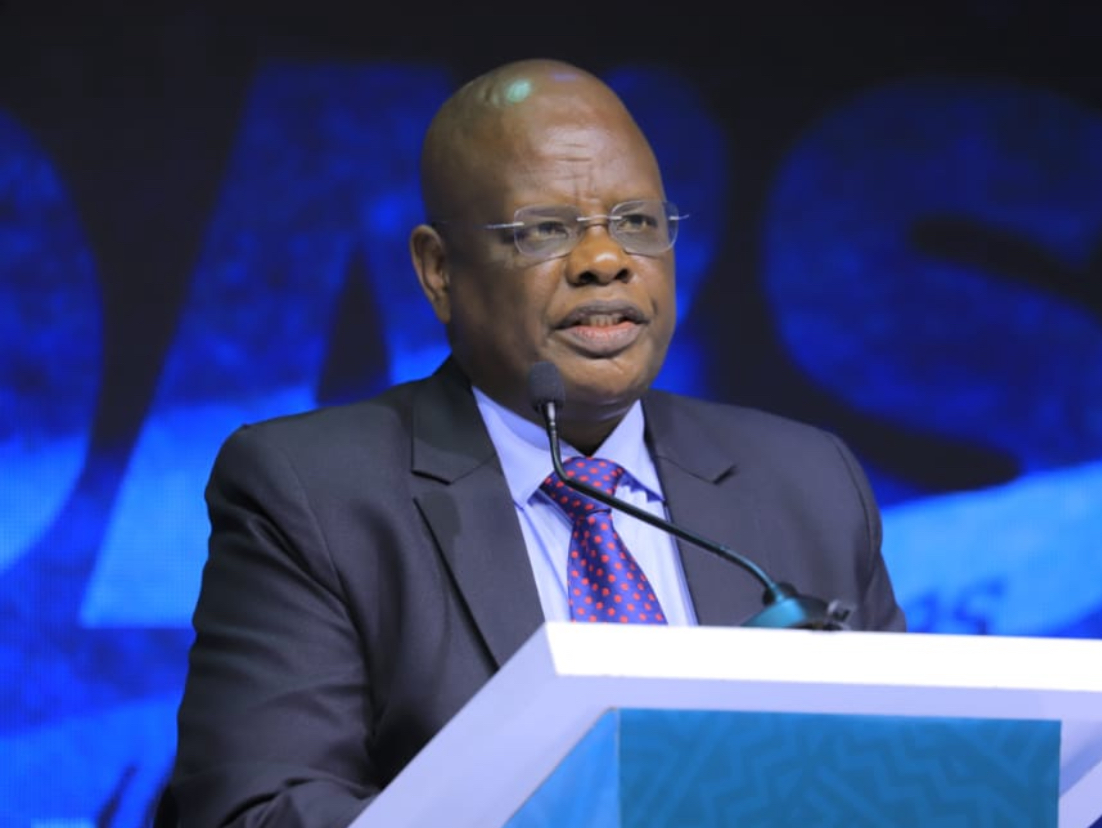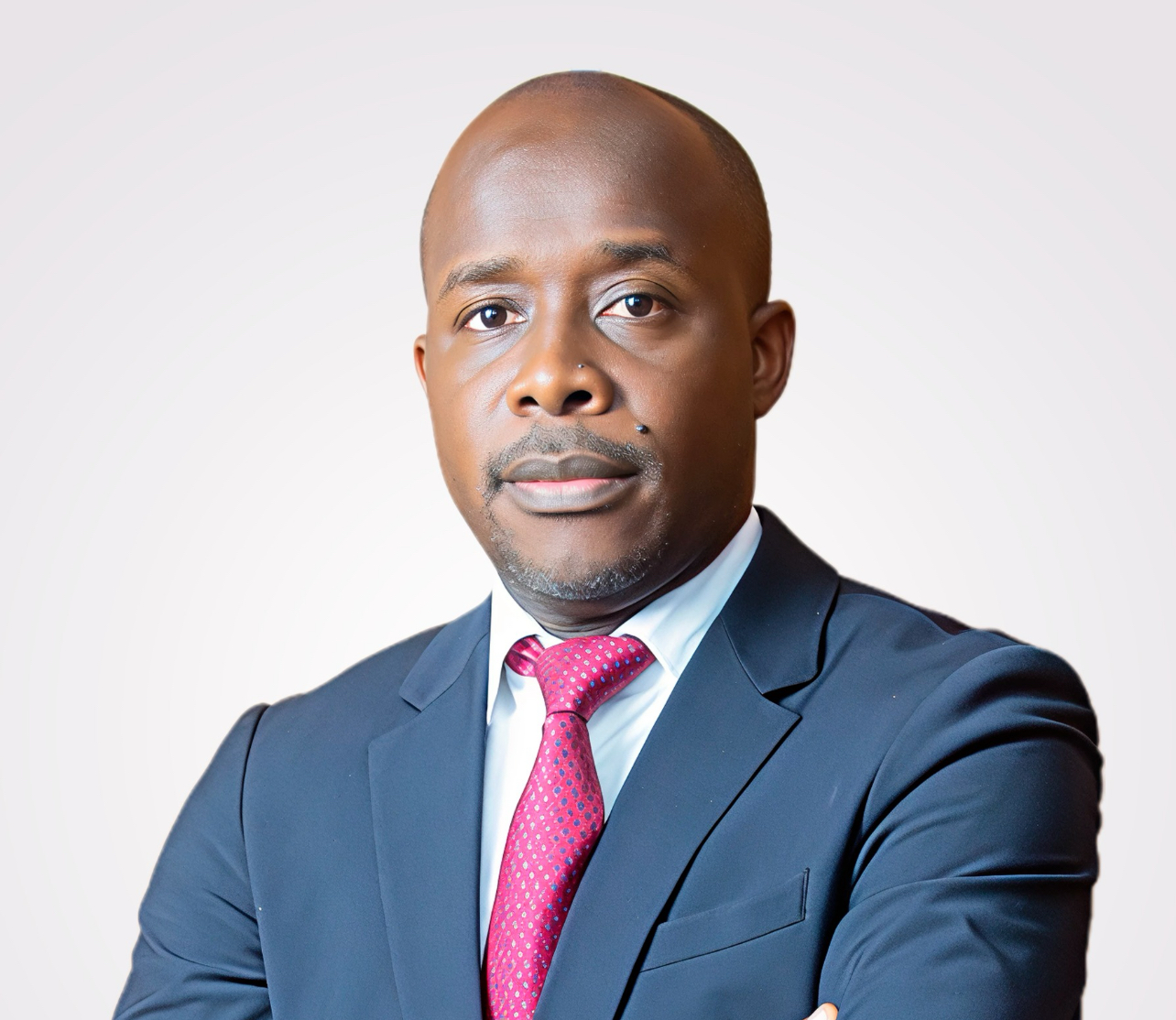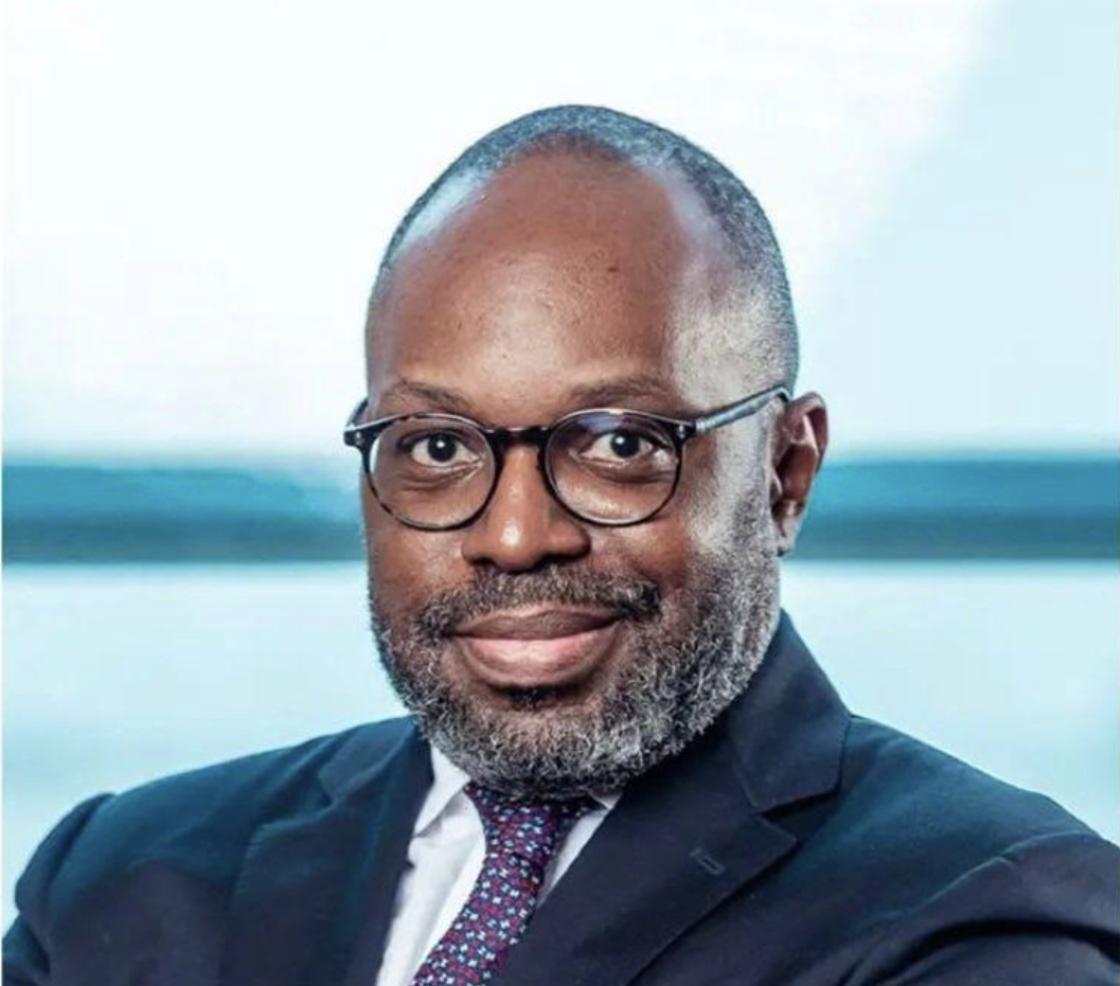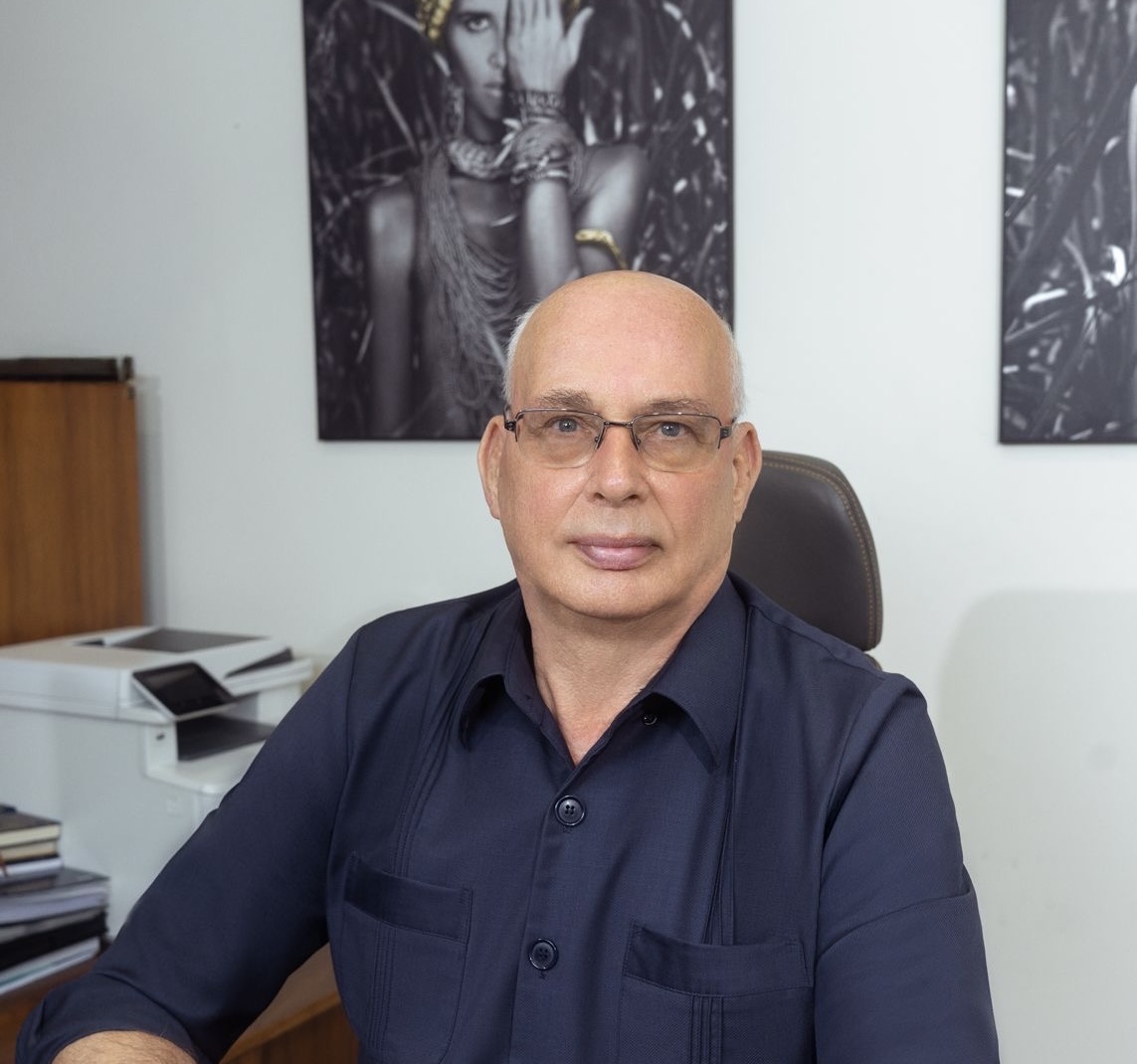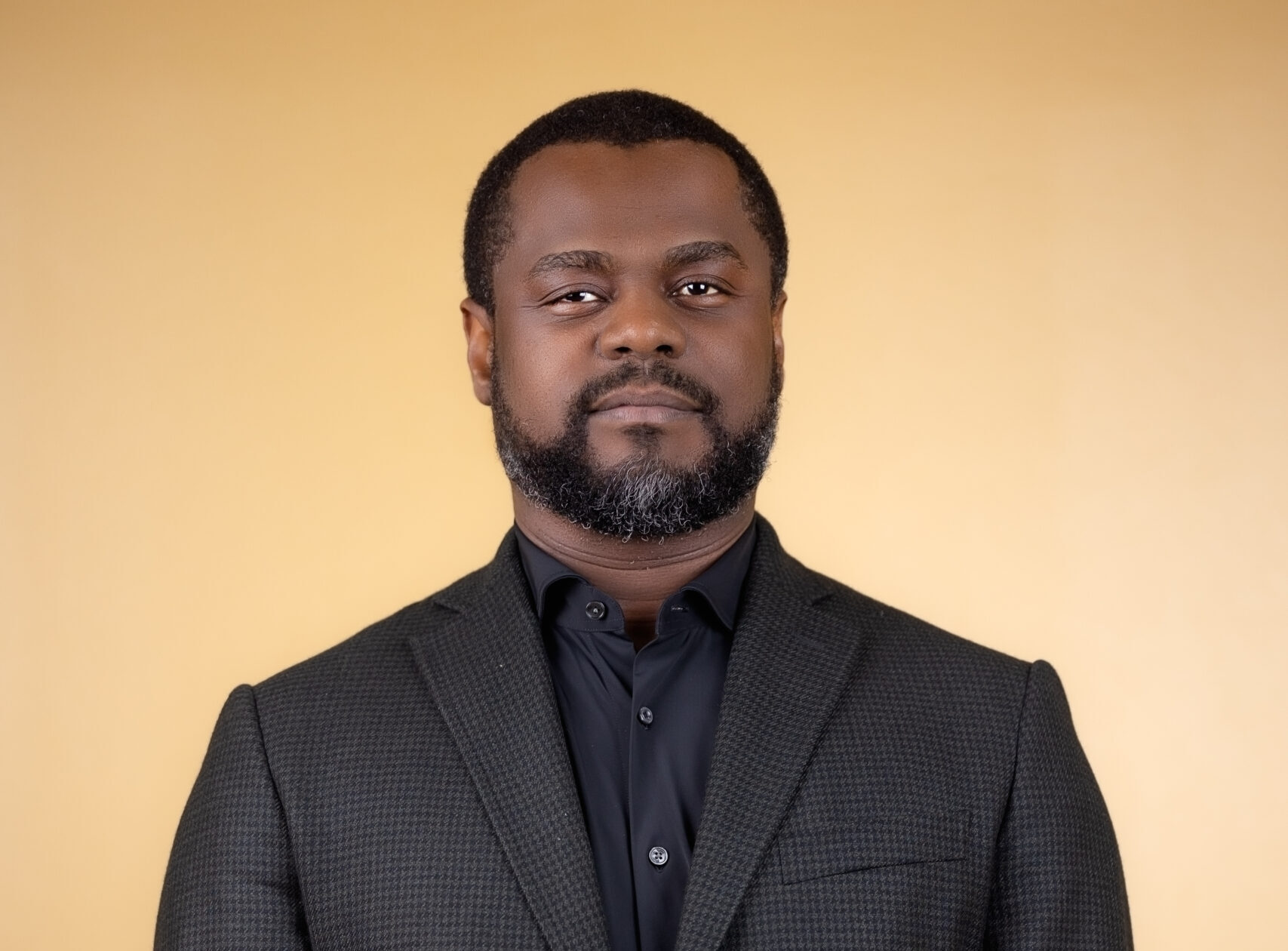

As CEO of Uganda Tourism Board, you’re at the forefront of shaping the country’s tourism strategy. What is your vision for positioning Uganda as a leading destination globally?
Uganda is a unique destination, and essentially, our positioning right now is exactly that, how unique we are, and how unexplored we are. So, our vision for Uganda, Vision 2040, which feeds into the National Development Plan of the country, is essentially to deliver 10% of Uganda’s GDP by 2040, which should be an estimated 50 billion U.S. dollars.
So, we want to grow from single-digit, where we are, to that very audacious and bold goal of 50 billion U.S. dollars. Uganda also, by 2040, as a country, our vision is to have achieved middle-income status for all Ugandans, and that would be a 500 billion U.S. dollar economy that we are essentially gunning for. Uganda’s vision for tourism is that tourism will lead the growth in the economic sector.
Tourism is one of the four ATMs, we call them the ATMs, agriculture, tourism, minerals, oil and gas, and science and technology as an enabler. And we see in that plan, which we call the 10-fold growth plan, tourism is going to grow ahead of all the other sectors, which will be growing on an average 10-fold or 5-fold for science and technology as an enabler. Tourism is pegged to grow 25-fold, so our vision for tourism is to actually lead Uganda into middle-income status.
How has the industry performed recently?
Uganda’s trajectory on tourism is positive. We are plus 80% recovered from COVID, which we all know adversely affected global travel. And so, our recovery is very well in tandem with the rest of the globe, which I think is at about 90% of pre-COVID numbers in global travel. And in just this last fiscal year, Uganda grew about 7% above the previous year in terms of arrivals, and so the last number we recorded for 2025 was 1.3 million visitors, generating revenue of about 1.28 billion U.S. dollars.
And that is a vast improvement on the year before. I’ve already said we grew about 7% year on year, and we’re looking at increasing that number sizably. We are also looking at increasing the number of days, and we’ve seen people stay, and those have also improved.
I think, you know, about five years ago we might have been at about six, seven days. We’re now at about 8.6 days that they stay. We’re going for 10, 14 days. There was a time in the early 80s, 70s, when visitors or tourists would stay up to 21 days in Uganda because there is enough to do. Everything is spread around the country, and no one part of the country is the same as another part of the country, which is what makes us really truly unique.
And I guess I’ll speak to some of those facets later, but, you know, Uganda is a country where you find a snow-capped mountain, and also one of the hottest places on earth, which is the equator, all in one destination or location within a few thousand kilometres from each other. That presents a real opportunity. Our last readings, reports, indicators, KPIs, all point towards one thing, and it’s that tourism is now at a tipping point.
We’re about to achieve double-digit growth year on year. This year we’re going for about 2.5 million visitors. In 2025 we had what I’ll call the best December ever in terms of arrivals. We also had the best peak from July to August-September, summer months is when a lot of the visitors come in. And again, 2025 was the best year we’d had in a long time.
So, increasing the number of days. I’ve said they’ve already gone up to 8.6. Also increasing the spend per visitor. We were tapering on about $120, a little less than a few years ago, and now we’re up to about $161 a day for tourists. But nowhere near where we need to be. We need to double that figure in order to achieve the revenue that we’re going for.
We’re starting to focus on increasing vehicles for commerce and product development in the tourism space. We’re graduating slowly but surely. In marketing terms, we’re pivoting from relying heavily on wildlife, landscape, the typical African safari over-dependence.
We’re pivoting to include culture, heritage, provenance, all of which Uganda is very rich in. When you look at the tapestry of the history of Uganda, there’s just so much storytelling to be told in there that we believe we’re only at the beginning. We’re laying the foundation for that.
So, it’s a really positive outlook if I haven’t painted it as rosily enough as I should have. We believe that Uganda is at a tipping point for tourism.
Uganda offers a distinctive tourism proposition, but still it remains unrepresented globally compared to your neighbours. How is UTB strengthening Uganda’s international image and visibility among target markets?
The first thing is the positioning, the brand positioning. And that starts from understanding what are travellers looking for now. We have upwards of three billion travellers globally every year. And people are looking for more connection. People are looking for connectivity, experience, immersion. It’s not enough now to sit in a car and look at beautiful sunsets, etcetera. People want to touch, feel, experience.
With that information and with those insights, Uganda’s positioning itself is a premier and sustainable destination. And when I say sustainable, I don’t use that word lightly. We’re doing all the work that is required to set the foundation or set up a framework that allows for tour operators, hotel owners, the whole value chain to participate in a sustainable tourism development agenda.
It starts right from the communities and the work we’re doing in that space. We’re driving our tourism development to focus on uplifting all the different societies which tourism can actually benefit. It’s not enough to be living adjacent to a national park. We want them to participate in the tourism value chain, whether it’s by way of commerce and they’re selling products or souvenirs. Are they part of a storytelling? We feel there’s an opportunity for the communities to actually benefit way more than they’ve been doing. And in doing so, create a sustainable circle. It’s called the circle of life, where the wildlife somehow contributes to the society within which it actually exists and the society protects, conserves and nurtures the wildlife.
That is not some far out government revenue that I will never see. You’re actually touching and feeling the benefit of being the neighbour of a pride of lions. You’re touching and feeling the benefit. Your children are going to school because you live in and around the windy impenetrable forest, one of the last remaining rainforests on planet earth. There should be a direct benefit to you. And we feel that a lot of the travellers now are alive to that fact. They’re conscious of their impact on the community, their impact on the environment. And Uganda is so blessed because we have an opportunity to shape our sustainable tourism development programmes and frameworks in the right way.
So, we’ve seen and you’ve mentioned the people we’re up against who have gone ahead of us who are more well-known destinations than we are. The South Africans, the Kenyans, the Tanzanians. But it’s a challenge because of how far behind we’re perceived to be. At the same time, it’s an opportunity because now we can build our tourism sector sustainably, because we know what to do and what not to do. We have the blueprint for building a premier sustainable destination of Uganda.
And in line of accelerating the growth, what partnerships, local and international, are you leveraging to expand Uganda’s tourism footprint, for example?
Maybe I should have started sharing our strategic pillars, because one of those is actually private-public partnership. The PPPs will lay the foundation of our sector more than any other sector that we’re dealing with. We believe that tourism is private sector-led. The rest of the sectors may have maybe a 50-50 split between public and private sector participation. But for tourism, the skew is self-evident because all the hotels are privately owned, all the tour operators are private businesses. All the investors in the value chain are private sectors. So, we cannot move an inch without the private sector. Collaboration with the private sector for us is key.
We do the hard work as Uganda Tourism Board, where we see ourselves as a conduit between the tourism sector and the rest of government. Because tourism is heavily private sector-led. It’s heavily reliant on marketing and positioning and all those things that typically government doesn’t do. Because you’re busy writing framework and policies and discussing tax regimes and excise. This side of commerce where rubber hits the road, where people are dealing one-on-one with tourists, with customers, people are curating experiences that we can sell globally; that’s the hard work that we do so it makes it possible for the private sector to operate optimally. So, we push for policies and frameworks within which private sector can thrive. I don’t know how many Tourism Act policy revision state meetings I’ve been in since I started, and I’ve only been in this role about 10 months. But it’s such a critical part of it, because we need to create the environment for the tourism sector to thrive or to grow, and it’s everything ranging from tax to regulation to immigration laws, visa fees, etc. All those things work together to make sure that the private sector thrives.
In terms of international collaboration, you will have seen us by now on international platforms and media like CNN. And it’s not enough, we don’t just buy media with CNN, they are a very quintessential partner of ours because they create content with us. So, we are co-creating the story of Uganda. They spent the better part of their visit in the Rift Valley region telling the story of Uganda the way we want it to be told.
There’s a couple of programmes we do, again, with the international fraternity on sustainability. Call to action, call to earth. You will see us partnering with some OTAs, like Expedia, for example. We’re there for the first time and we’re already reaping the benefits.
There are many exhibitions and international expos that we participate in as Uganda Tourism Board. IBTM, ITB Berlin, WTM London, there’s a New York travel adventure, there’s Indaba in Durban, a couple of other international ones that we take the lead on. Then there’s also the ones where the Uganda missions in different countries do their work around economic and commercial diplomacy. So, there’s a whole ECD strategy that is also underscoring or underpinning work we’re doing as UTB. We have representatives there, our marketing officers present and helping with visibility, with the experience and setting up. In those instances, you find that it’s led by our mission, and we’re there to support. So, it’s another example of collaboration.
Uganda’s tourism sector presents significant untapped potential. Where do you see the most promising opportunities for investors across the value chain?
The biggest opportunity in this country, hands down, is the number of freshwater bodies we have. Uganda is a water basin, and again very untold, unspoken in fact. We are home to about 165 freshwater lakes. You probably have only heard about Lake Victoria, which is the largest tropical freshwater lake. And also, by mass and volume it’s number two in the world, but number one in terms of tropical freshwater body. And I don’t use the word tropical lightly, because that informs just how biodiverse this lake is. However, I challenge anyone to count the number of water vessels on there, commercial vessels, cruise vessels. I’ll give you the answer: it’s almost nothing. Local and fishermen. Which is fine, but think about the opportunity on 165 lakes.
The opportunity in fishing, in boating, in bird watching. Uganda is home to a thousand plus species of birds, and most of them are situated in and around the lakes. Think about the sports activities that could be on the water bodies. My mind can go as far as the eye can see. Because the opportunity in what we call the marine economy is almost untapped. So, for an investor, potential partner, that’s where I always start my conversation.
The wildlife is one thing. And again, we boast of being one of the most biodiverse locations on planet Earth, both from a flora and fauna perspective. You will know that Uganda obviously has the Big Five, but the word is already out about the Big Seven. And I think it’s great. It’s the only country that can actually say that.
We have 19 species of primates, about 13 of those are day walkers. Those are the ones you commonly see. The chimpanzee, the gorilla, there’s the baboon. Those are the day walkers of the primates. But we also have about seven species of night walkers. So, when I tell people about these kinds of things, I think that we should actually be looking at curating night tours for those people that have the appetite for that kind of adventure and exploration. So, it’s again, very untapped potential.
And we don’t say as much about the great work we’re doing in conservation as we should. Because we’re not the Big Seven by accident. There is a concerted effort to make sure that these animals are protected and are nurtured and multiplying, and that they are in an environment where they can actually grow and thrive.
Our rhinoceros’ story: from zero to where we are now, because they were extinct in the early 80s. Now we’re having to translocate them back to their natural reserve because they’ve outgrown the sanctuary that we set up. That’s a lot of work. But I didn’t know any of this until I joined tourism myself. That’s why we are partnering with international media to tell this story.
And the story is simple. It’s not just “Explore Uganda”. Come visit one of the most sustainable places on earth. We are raw, untapped, pure nature. And I haven’t even talked about the people. That would be the “Big Eight”, that’s the eighth wonder of Uganda. Almost 70% of Uganda’s population is below the age of 30. We’ve got a really young, energetic population or demographic. And with that comes also a certain hunger and zest for life. You just feel it. The streets are buzzing with commerce. People are buzzing with curiosity. Uganda is the one place where you ask for directions to a place or a location, assuming your Google map is not working, and somebody will drop what they’re doing and come with you. I think it’s some of those facets that we need to start promoting, start amplifying so that people can understand how unique Uganda is.
Honestly, and I’m not saying it because I’m a Ugandan. I’m a relatively well-travelled Ugandan. But the things that I see and experience here, I’ve not seen them anywhere else in the world, I haven’t. And I talk to a lot of people within the tourism sector, people who are in charge of airlines, people who have travelled to 90 countries plus. We always make the top four if they’ve been to Uganda, bare minimum, top four.
International visitors currently spend an average of 8.6 days in Uganda. Do you believe this is sufficient to fully experience the country’s tourism offering? If not, what would you recommend visitors include in a longer stay, and how is the Uganda Tourism Board working to encourage extended visits?
Worst case, 14 days. And in this scenario, you might be able to see about 55% of Uganda. If you really want to get immersed and you’re not in a rush, take your 21 days. You will experience some of the community-based tourism that we talk about, start to learn about the culture, the people and their traditions. You will do the wildlife, you will do the landscape, you’ll do a bit of the water marine excursions I’ve spoken about.
Uganda is also home to the source of the River Nile. A lot of people claim things on the River Nile, but in Uganda, where Lake Victoria breaks into the River Nile, there’s a whole host of rapids. So, whitewater rafting is another great phenomenon here. There’s tubing and bungee jumping. Then there’s just the beauty of the Itanda Falls. There’s a place in Uganda where you can’t even hear yourself think or talk. And it’s not waterfalls, it’s mostly rapids. And then, if you go further east, you’ll find what we call the land of a thousand falls, because there’s waterfalls at almost every touch point. They disappear back into the earth and then spring up from somewhere else. There’s the magnificent Sipi Falls, from 100 to 65 meters, three waterfalls all in the same area, and it’s just magnificent.
So, that would be my itinerary for you. Start with the water, the source of the Nile, do the River Nile, do the Sipi Falls, then do the wildlife, the national parks. And then just do some Uganda, Kampala nightlife. And you end with the gorillas. The gorillas can never miss on any itinerary.
As Uganda continues to gain recognition as a unique destination, what would be your message to Fortune readers about visiting and investing in the country?
Uganda’s National Development Plan is actually set up for investment. And as for other destinations that may be more developed, or even if they’re still developing, I don’t know if I can truly compare some of the incentives we’ve put in place with other countries.
I’ll tell you one or two that we speak profusely about. The fact that if you choose to invest in Uganda, you can repatriate 100% of your profits. That is already one truly attractive incentive.
Besides repatriating your profits without any encumbrances, we also allow for you to have 100% shareholding in whatever you’re establishing here. So, whether it’s a hotel, boating chain, boats on the water, you’re building or investing on an island -we have several islands in Lake Victoria-, it’s not a prerequisite for you to have a local shareholder. We advise that you have a local partner, because it always helps. But if you know business and you know commerce, then we don’t need to tell you that. You know that a local partner and local representation is important. But, again, 100% shareholding. We don’t make any demands on how your equity is set up.
We also have some really attractive concessions on land, in and around the national parks. As long as you know you’re compliant with the conservation rules and laws, we allow for you to do development within an agreed proximity to where the wildlife and the reserves are. And those are for me just the top three, the top of the iceberg.