
1. To begin, I would like to discuss the role of the Ministry of Foreign Affairs in Angola’s current development agenda. What priorities are guiding the Ministry today, and how is diplomacy helping Angola move forward?
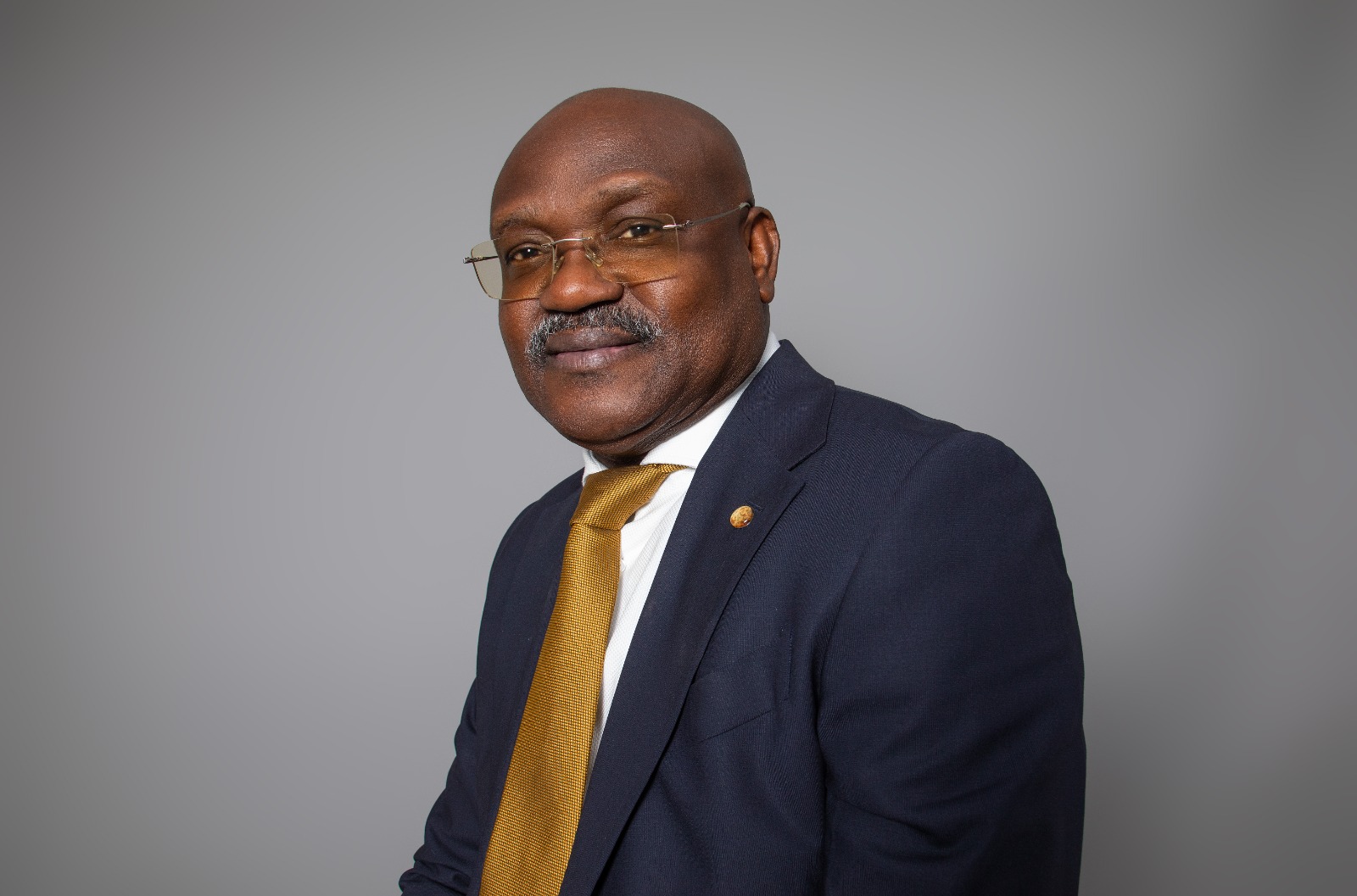
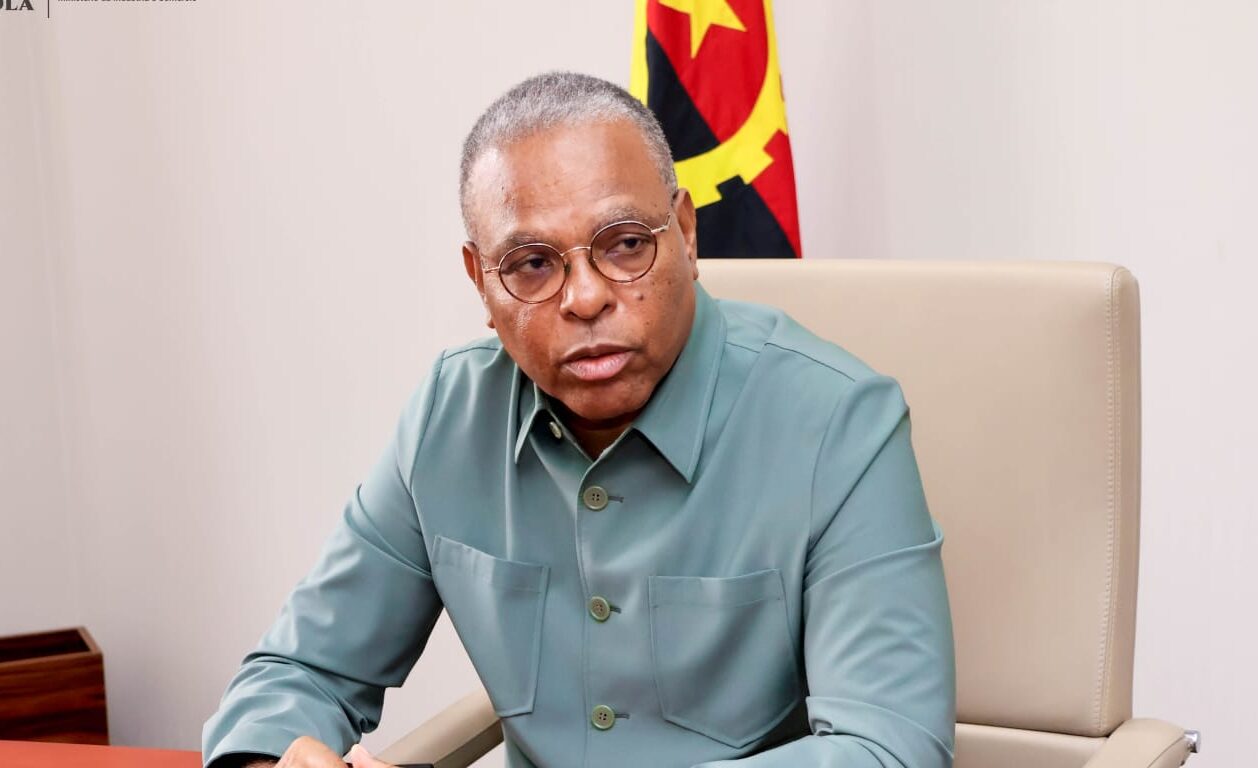
H.E. Ambassador Téte António: First and foremost, the role of the Ministry of Foreign Affairs is to assist the Head of State in implementing the priorities and foreign policy of the Republic of Angola. Foreign policy is not something abstract. It does not emerge from a vacuum; it is based on a country’s political, economic and social priorities, among many other considerations, including its stability. These are the different dimensions that define foreign policy.
This brings us to what Hans Morgenthau said: diplomacy is the brain of national power, just as national morale is its soul. If a country’s diplomatic vision is limited, its interpretation is flawed or its determination is weak, all the advantages that the country possesses—whether comparative advantages in raw materials, geographic location, population density or available natural resources—will be of little use.
Diplomacy is therefore an extremely important instrument for meeting our domestic needs. The role that diplomacy and foreign policy play is, first, to develop bilateral relations with other countries so that we can attract what they may offer in terms of investment, technology and knowledge. We must also develop multilateral relations, ensuring Angola’s integration into the international arena and its participation in regional and international organisations. This is also part of the mission of the Ministry of Foreign Affairs.
Ultimately, diplomacy serves to meet our domestic needs, including the creation of a favourable environment around us. This explains the many efforts made by the Republic of Angola to contribute to peace in neighbouring countries where conflicts remain, including the Democratic Republic of Congo. We have also been involved in the Central African Republic and in the conflict between Uganda and Rwanda.
All these efforts help us create a favourable environment around Angola and develop good relations with our neighbours. Our economic integration also depends on the relationships we maintain with neighbouring countries. If we want to build infrastructure that contributes to regional integration, as in the case of the Lobito Corridor, we must maintain good relations with Zambia and with the other countries involved. This is why Angola invests significantly in good-neighbourly relations, while also recognising that our geographic location is highly strategic.
2. The Lobito Corridor has become a major example of Angola’s role in regional trade and international investment. With this project in mind, how can diplomacy help turn strategic infrastructure into broader value for Angola?
H.E. Ambassador Téte António: This falls directly within one of the Ministry’s mandates, which is to open the country to the world. Opening the country to the world cannot remain merely a statement; it must be accompanied by concrete measures, such as the railway and the Lobito Corridor.
The corridor connects us with Zambia and the Democratic Republic of Congo. God willing, our ambition is also to connect the Lobito Corridor with TAZARA, the railway running from Dar es Salaam in Tanzania to Zambia. This would allow us to connect the Indian Ocean with the Atlantic Ocean. One can imagine the volume of business that could develop around this railway connection.
More importantly, the Republic of Angola has developed an innovative concept through the Lobito Corridor. In addition to being a major logistics platform comprising several logistics bases, the corridor is designed as a development hub. It does not exist solely to transport goods or raw materials from one location to another or towards the Atlantic Ocean. It should also attract multifaceted investment, including investment in digitalisation, agriculture and the local processing of the raw materials that are already circulating, or will circulate, along the railway.
This innovative vision has become a source of inspiration for other corridors emerging across the African continent. The economic integration we support is not limited to creating the physical conditions for movement through roads and railways. It also includes energy integration.
Angola currently has an energy surplus. According to specialists, Angola also has some of the least expensive energy on the African continent. This means that we can export energy to neighbouring countries and potentially beyond them. This is another project currently under development, although my colleagues responsible for the energy sector will be able to explain it in greater detail.
All these initiatives contribute to the economic integration of the continent and to creating the conditions necessary for us to meet our own needs as a country with the ambition to develop.
3. Angola has announced visa-exemption measures for citizens of several countries, opening the country to more visitors and business links. In practical terms, how can the Ministry of Foreign Affairs help transform this openness into stronger tourism, investment and cultural exchange?
H.E. Ambassador Téte António: As a country, we have a central principle within our foreign policy: the Republic of Angola must be open to the world. Being open to the world means creating the practical conditions required for that openness to become a reality.
We believe that Angola can also become a starting point for investment across the rest of the continent. We have discussed economic integration, which leads us to the African Continental Free Trade Area. However, we cannot take advantage of continental trade unless we create the necessary connections between African countries through roads, railways and air transport.
We have the new Dr. António Agostinho Neto International Airport, which contributes to this objective, but we must also make it easier for people to enter the Republic of Angola. Opening the country to the world necessarily requires the facilitation of entry conditions. This is why Angola has introduced visa exemptions and simplified the processes through which visas are obtained at our embassies.
From an economic perspective, these measures can generate significant gains by bringing more citizens of other countries into Angola. They also support tourism, because there can be no meaningful tourism if people experience difficulties entering the country.
This policy has an impact on our budget because consulates and embassies that previously issued visas no longer collect the same level of consular fees. However, the country benefits in other ways through the greater number of people entering Angola and the business opportunities created by facilitating their movement. This is one of the dimensions of our foreign policy, and we must continue to implement this orientation.
4. Angola’s role in the Luanda Process has placed dialogue at the centre of its regional diplomacy. How does this experience reflect Angola’s contribution to peace and stability in Africa?
H.E. Ambassador Téte António: I recently repeated to my colleagues a proverb that I often use: only someone who has had a wound on the tongue knows the taste of blood. Angola has experienced that wound.
We went through 15 years of struggle for national liberation from colonial rule, followed by 27 years of civil war. War causes almost indescribable destruction, not only physically but also socially. As a country that knows this experience, we believe we can make our own humble contribution to peace.
This experience led us to defend the resolution of conflicts through peaceful means. Our view is simple: if the parties can reach the negotiating table quickly, why should they spend 30 years fighting only to eventually sit at that same table? We therefore prefer the shorter path towards peace, which is the peaceful resolution of conflicts.
Angola has already served two terms on the United Nations Security Council. We recently completed a mandate on the African Union Peace and Security Council, and we have also deployed forces within the SADC region.
We have participated in the mediation of several conflicts. We were involved between the Democratic Republic of Congo and Rwanda, and we continue to support the Democratic Republic of Congo in different ways, even though Angola no longer holds responsibility for the mediation. We have also been involved in the Central African Republic and mediated the conflict between Rwanda and Uganda.
This contribution led the African Union to designate President João Manuel Gonçalves Lourenço as the Champion for Peace and Reconciliation in Africa. Angola continues to invest in this area. A meeting bringing together women working for peace and democracy from different parts of the world, particularly Africa, is currently taking place as part of this broader commitment.
The Luanda Biennale for a Culture of Peace is an initiative of the Republic of Angola, the African Union and UNESCO. This is an investment that we believe must continue.
Beyond our own experience, we remain conscious that Angola benefited from the solidarity of many peoples during the difficult periods of the anti-colonial struggle and the civil war. Other nations stood in solidarity with us. It is now our turn not only to continue carrying the message of peace, but also to contribute in solidarity to the search for peaceful solutions for other peoples.
5. Angola’s future growth depends on stronger cooperation in technology, skills and productive sectors. What role can diplomacy play in attracting partnerships that support innovation and knowledge transfer?
H.E. Ambassador Téte António: First, it is important to say that technology is a means of transmitting knowledge. It serves as an instrument and a vehicle for our work. It is therefore in our interest to contribute to attracting both investment and knowledge.
The Ministry of Foreign Affairs has been a partner in this process through economic diplomacy. Many people believe that economic diplomacy is carried out solely by the Ministry of Foreign Affairs, but that is not true. Economic diplomacy is a partnership between diplomacy and the country’s different national sectors.
We promote the initiatives that we consider useful according to the priorities established for Angola’s development. This is why we work with the Ministry of Transport, with the institutions responsible for mineral resources and with all the other ministries. We maintain channels of cooperation with the different sectors in order to promote the priority areas of our economy and society.
In the field of knowledge, we have an area that we call academic diplomacy. Not long ago, Angola hosted a major meeting with American universities. The objective was to establish agreements between American and Angolan universities and develop avenues of cooperation for knowledge sharing and improvements in the quality of education in the Republic of Angola, including in areas such as innovation.
This is an experience that we would like to replicate with other countries that possess developed capabilities in these areas. We believe this is an effective way to educate a larger number of people. Scholarships remain a highly useful avenue, but bringing knowledge directly into the country and into our own environment can help educate more young people and develop local solutions to the problems and challenges we face.
6. Looking now to the future, the Ministry of Foreign Affairs works at the intersection of foreign policy, national image and international cooperation. What are the Ministry’s main priorities for making Angola a more visible and trusted partner in the years ahead?
H.E. Ambassador Téte António: First, we will continue to invest in peace because peace creates confidence. The credibility of the country also creates confidence.
We must continue ensuring that the reforms introduced in Angola, both from a legal and economic perspective, become attractive factors for those who wish to work with the Republic of Angola. Diplomacy will continue to attract investment and establish a productive partnership with the country’s different sectors.
In the priority areas we identify, we must not only bring knowledge and investment into Angola, but also take Angola’s experience wherever it may be useful. Diplomacy has the responsibility to open doors so that all national sectors, across their different areas of expertise, can develop an international presence.
This cooperation must work in both directions: bringing experience and opportunities into Angola while also taking Angola’s experience abroad.
7. Your career spans international economic relations, preventive diplomacy, conflict resolution, the United Nations, the African Union and Angola’s foreign service. With this journey in mind, how has your diplomatic experience shaped your vision for Angola’s role in the world, and what legacy would you like to leave through the Ministry of Foreign Affairs?
H.E. Ambassador Téte António: I believe that the main concern must always be to give substance to a diplomatic career. Every generation that passes through this Ministry must first invest in its people and in their training, so that they have the capacity to interpret the world around them.
As I mentioned at the beginning when referring to Morgenthau, diplomats must have the ability to interpret events correctly. This is especially important in a world undergoing profound change, where developments are moving much faster than they did in the past. This creates even greater demands for diplomats.
New technologies have also made information widely available. The essential question is therefore: what quality of information should a diplomat provide? The capacity to interpret information and events must always remain central to the profession.
Diplomats must also fulfil their principal mission, which is to open the country to the world and support the objectives we have already discussed. Above all, foreign policy must maintain the ability to adapt. The capacity for adaptation must remain one of the defining characteristics of Angola’s foreign policy.