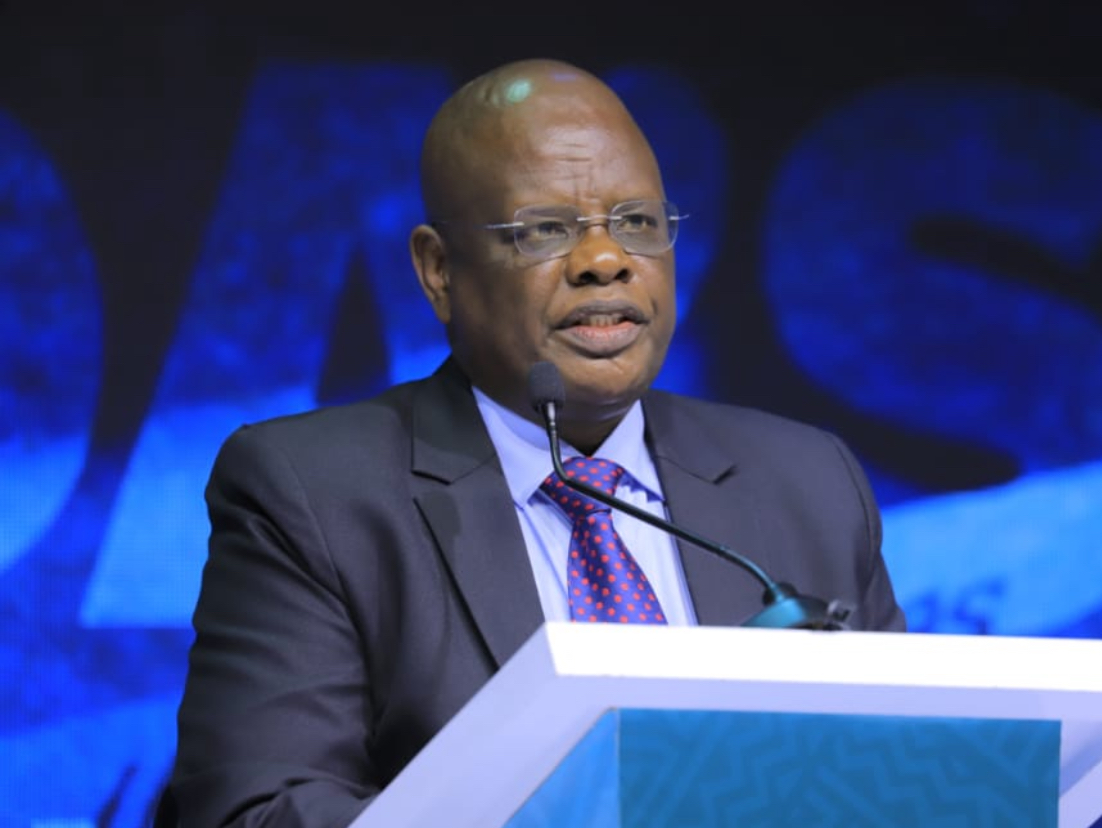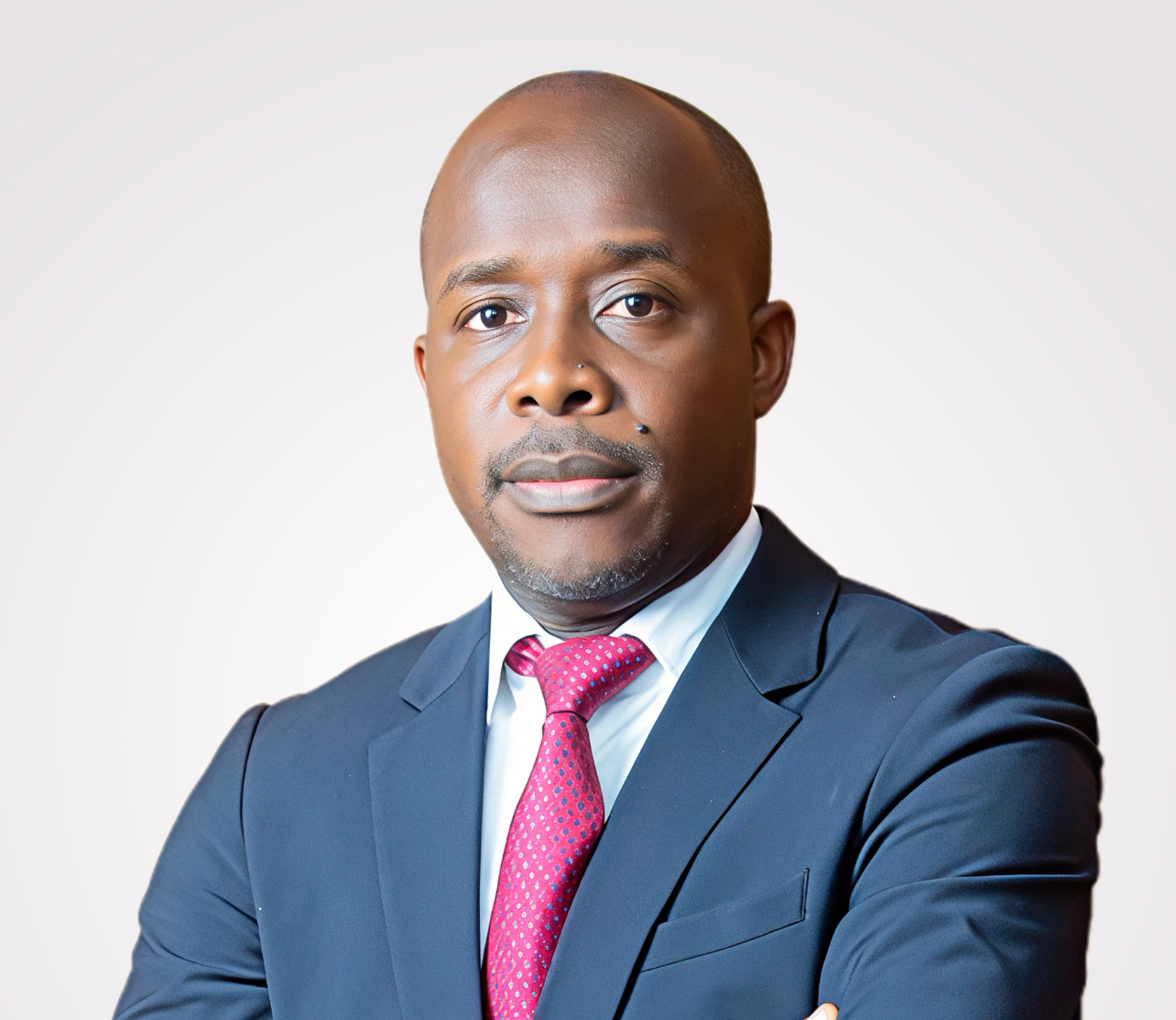
1. TCQ Power has developed its presence in Sierra Leone through major energy infrastructure investments, including the NANT Power project. In this regard, what have been the company’s most important milestones, and how have these achievements shaped its position in Sierra Leone’s energy sector?
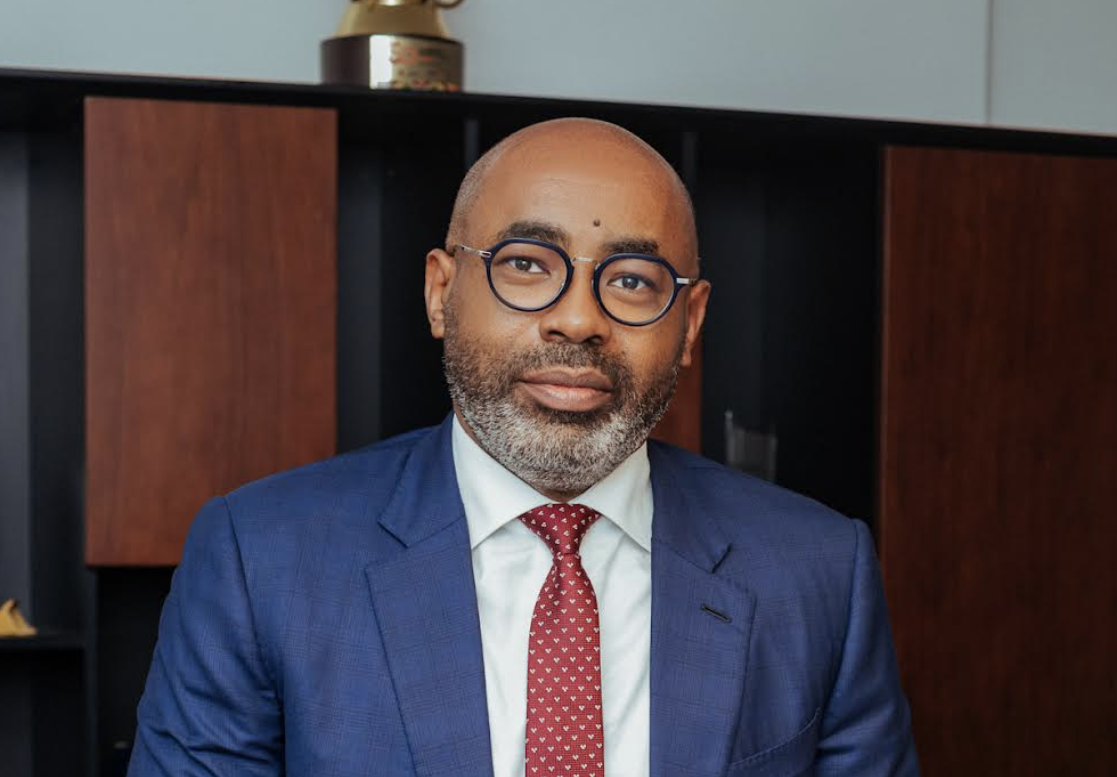
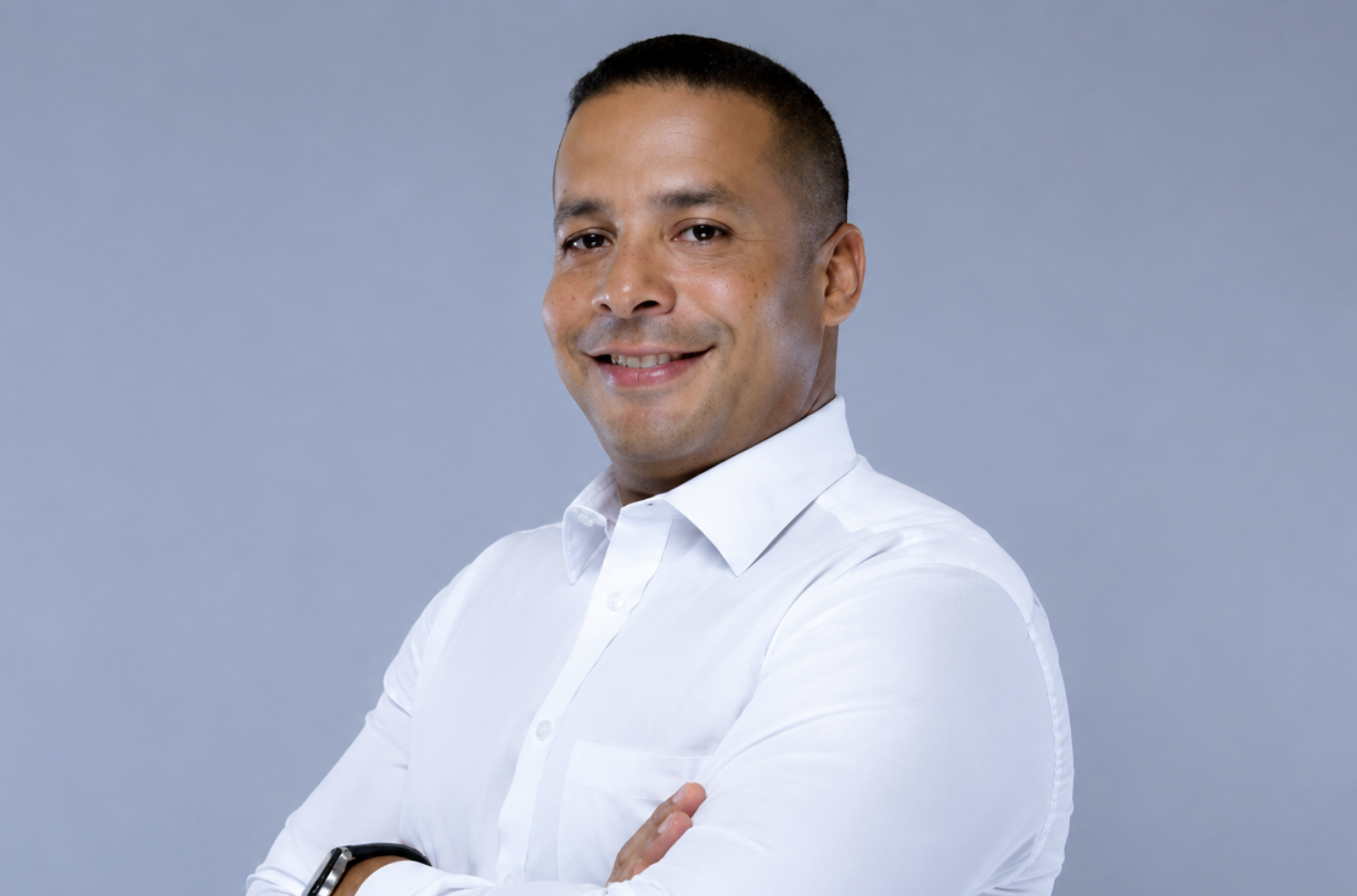
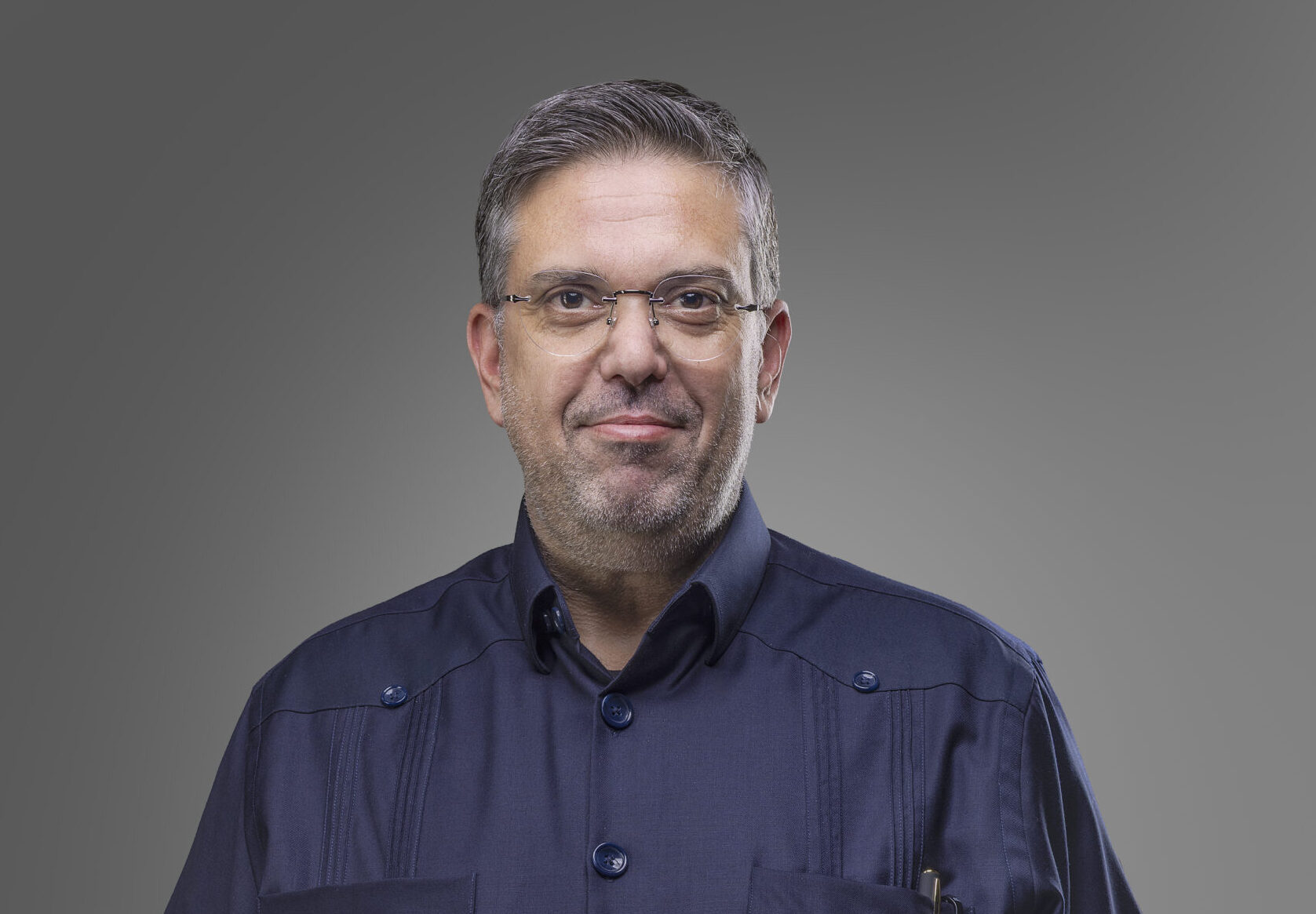
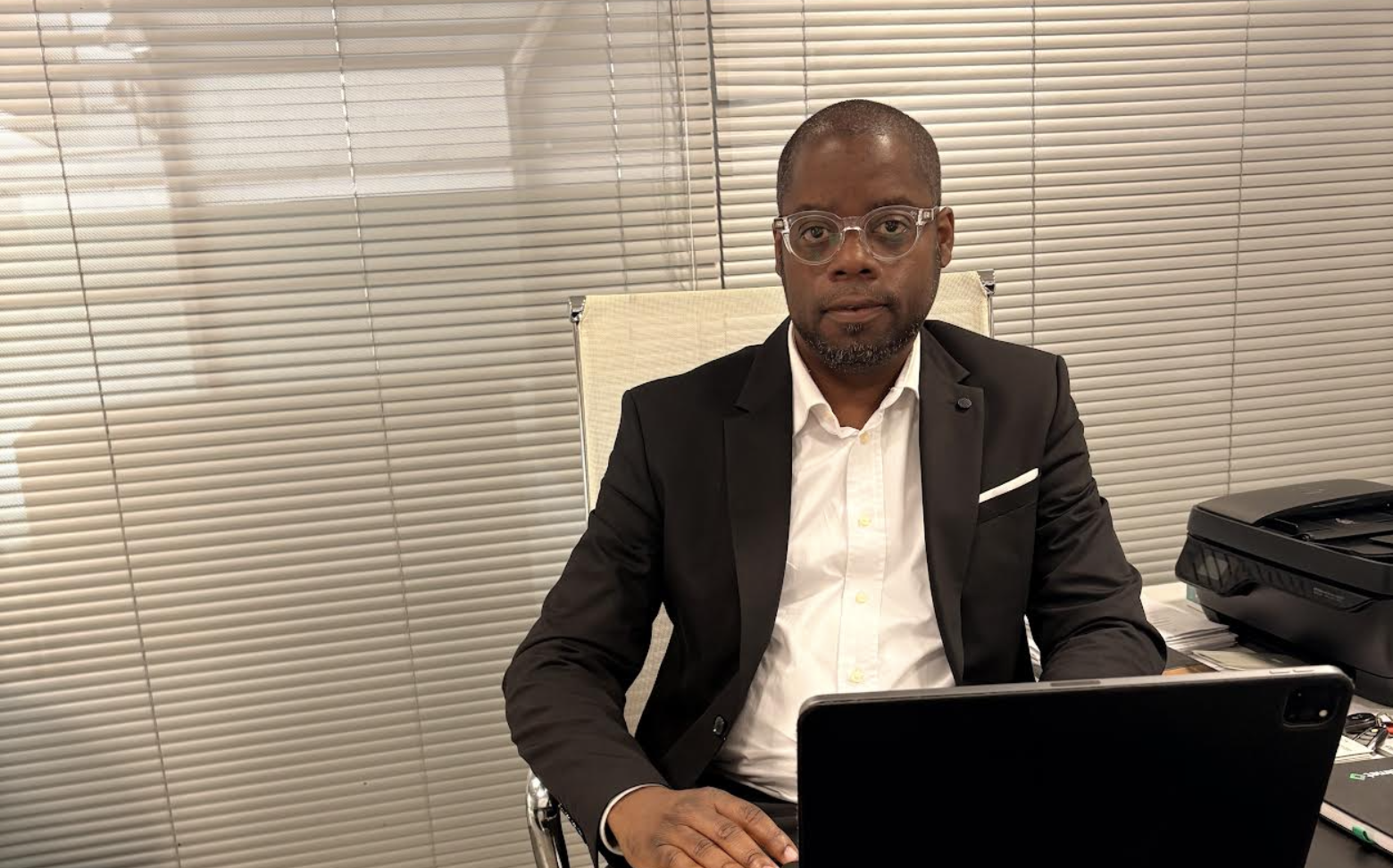
Mr. Karim Nasser: TCQ Power, the company I manage, started development of the Nant Power project. The best answer is to visit the site. You can see a USD 417 million power project taking shape. We believe we are the largest investor in Sierra Leone’s power sector. Nant Power has strong U.S. Government backing through the U.S. International Development Finance Corporation (DFC), the project’s principal lender.
Once completed, Nant Power is expected to account for around 60% of Freetown’s generation. That gives a sense of how much one project can change the country’s electricity supply.
For an economy with GDP of roughly USD 5–5.5 billion, this is a substantial investment. Bringing a project of this scale into construction has established Nant Power as a major participant in the sector.

Nant Power project — aerial site overview
2. Sierra Leone’s growing electricity demand is creating opportunities for private investment in energy infrastructure. What opportunities do you see for expanding funding and private-sector participation, and how can investments such as NANT Power support the country’s energy development?
Mr. Karim Nasser: Sierra Leone has a clear need for electricity. The challenge is turning that need into projects that investors can finance. We have helped advance the reforms needed to make the sector bankable and give private capital a reason to come in.
That required a financing structure suited to Sierra Leone’s particular circumstances. We developed it with DFC, and the project won Power Deal of the Year for Africa at the IJGlobal Awards 2024. It took considerable work to make the financing possible in a small economy with a financially constrained utility.
The opportunities extend well beyond the power sector. Sierra Leone has mineral resources that are increasingly relevant to technologies such as AI. Reliable electricity is essential if the country is to develop those resources and attract the investment that goes with them.
The plant will be online in Q4 2027. Delivering the project will give investors a concrete example of what can be achieved here.
3. Moving from economic development to the technology behind these projects, how can modern energy technologies improve efficiency and reliability, and what role do you see for different energy resources in Sierra Leone’s future electricity supply?
Mr. Karim Nasser: For a factory, reliable electricity means knowing that the next shift can run. Our 108.4 MW plant is designed around that need. It uses combined-cycle technology: gas turbines generate electricity, and we recover heat from their exhaust to produce steam that drives a steam turbine. That gives us more electricity from the same fuel than a gas turbine operating alone, reducing fuel use and emissions per unit of electricity. That matters in a country where both the availability and cost of power constrain growth.
Nant Power brings together expertise from several countries: U.S. financing and design, Siemens technology from Germany, and components from the United States, Germany and India. TCQ, one of Nant Power’s sponsors, is Lebanese. The other partner, Anergi, is based in the UK and owned by South African investors, while our contractor, Shapoorji Pallonji, is Indian. You can see that international collaboration taking physical shape on the site.
Our plant will provide the baseload power needed to support industry and help the grid accommodate more renewable generation. As the system develops, solar and hydro can make a greater contribution and help lower electricity costs. Sierra Leone needs an energy mix that works for its economy, with each resource contributing to a reliable supply.

Nant Power project — power block construction
4. What role can strategic partners play in supporting development in Sierra Leone, and what lessons from NANT Power’s experience could help attract further international investment into the country?
Mr. Karim Nasser: Strategic partnerships work when both sides see a clear benefit. Sierra Leone needs reliable electricity to develop its economy, while the U.S. has an interest in more secure critical supply chains. Our experience with DFC shows how that alignment can bring a major infrastructure project into construction.
The lesson is to turn shared interests into projects that can be financed and delivered. Investment in power builds productive capacity and gives other businesses a foundation on which to invest. The international backing for our project also shows confidence in Sierra Leone and the reforms taking place. That should encourage other investors to look at opportunities here.
Partners also need to understand Africa’s immediate energy needs. Dependable gas-fired generation can support industrial growth alongside the development of renewable energy. As reliable power becomes available, investors should look seriously at mining and beneficiation, meaning more processing of Sierra Leone’s minerals within the country. Agriculture and agro-processing also offer opportunities, including irrigation, cold storage and local processing. These investments can create jobs and help Sierra Leone retain more value from its resources.
5. Beyond investment, how does NANT Power approach ESG and corporate social responsibility, particularly in environmental management, local employment and support for communities?
Mr. Karim Nasser: Our responsibility starts with understanding how the project affects the people and environment around it. The Environmental and Social Impact Assessment (ESIA) provides the basis for managing those effects, from air quality and noise to water and waste. We put that into practice through management plans and regular environmental monitoring at the site and in neighbouring communities. As the photographs show, the plant is in an urban setting. We are spending millions of dollars on noise control to minimise the impact on our neighbours.
One figure I am particularly proud of is that women make up 20% of our site staff. We actively recruited and trained women to join the project in a sector where they are often underrepresented. In the surrounding community, we have also launched a programme to help vulnerable women learn skills and find alternative livelihoods.
Construction has shown us where more training is needed in modern building methods. We are expanding that work and intend to establish a training centre as part of the gas expansion. Engineering scholarships and support for nearby schools are another part of our effort to develop local skills.
We have also reached 1.5 million work-hours without incident. A dedicated ESG team supports this work, and our commitment goes beyond satisfying lenders’ requirements.
We want our neighbours to consider us family. We are building a long-term presence here, and the people around the project should have opportunities to participate in it.
6. Your career in engineering and energy infrastructure has involved major projects and international investment, bringing together technical knowledge and business leadership. Looking back on your professional development, how have these experiences shaped your leadership, and what achievements are you most proud of in developing NANT Power and its projects?
Mr. Karim Nasser: When I told people I wanted to develop a USD 400 million project in Sierra Leone, some looked at me as though I was crazy. I put my reputation on the line, and I was determined to finish what I had started.
I grew up in the UAE, where my father owned a company employing 12,000 people. We sold it in 2008, and he retired. I had my own construction company, and after the downturn in 2011 I began looking at energy opportunities across Africa.
We had built power plants as contractors in the UAE. I wanted to take the next step and develop and own one. Smaller projects that did not attract the largest developers looked like an opportunity for us. The Minister I met in Sierra Leone gave me confidence that we could get things done, and I started developing the project in 2012.
The financing had to be put together three times. The World Bank was involved from 2012 to 2017, then withdrew over environmental concerns as the project was then designed to run on heavy fuel oil. We had already spent millions of dollars on development and had to restructure it.
We secured U.S. interest in funding the restructured project. Before disbursement, Russia’s invasion of Ukraine drove up fuel prices and inflation, and we had to raise more money. We reached financial close in November 2024. What began in 2012 had become a twelve-year undertaking.
Alongside the financing, we had to deal with skills shortages, political arrangements and resistance from established interests. The experience taught me how much of leadership is about adapting to the next setback while staying committed to a project you believe in.
Seeing the plant take shape is particularly satisfying after all of that. The people who doubted it can now come and see it for themselves. I was not that crazy after all.

Nant Power project — power block and waterfront
7. Looking ahead, what are NANT Power’s main priorities for the coming years, and what role do you envision for the company in Sierra Leone’s energy sector and wider economic growth?
Mr. Karim Nasser: Our first priority is to bring Nant Power into operation and demonstrate that a project of this scale can succeed commercially in Sierra Leone. That will matter to every investor considering what to do next.
Building it is one thing. Getting paid is another. Investors will want to see reliable payments before they commit. The utility’s financial position remains a challenge, and although reforms are under way, there is still work to do. We are helping to push those reforms forward.
The regional interest is already there. When ministers from Guinea and Liberia visited the site during a summit in Sierra Leone, their reaction was: ‘How come this is happening here and not in our countries?’ We were subsequently invited to explore opportunities in both countries.
We have signed a mandate with the Government for an LNG terminal in Sierra Leone and are working with DFC on its development. Sierra Leone’s deep, sheltered waters offer an opportunity to bring U.S. gas to industry here and in neighbouring Guinea and Liberia. Guinea’s expanding mining sector is a significant part of that opportunity.
Alongside the terminal, we want to develop power projects in Guinea and Liberia under the Nant Power brand.
My ambition is to have 1,000 megawatts installed across the three countries within five years. We have spent years learning how to get a complex project financed and built in this region. Now we want to put that experience to work on the next projects.