Trinitas was established with the objective of contributing to Namibia’s infrastructure development while creating opportunities for local engineers. How do you assess the development of Namibia’s engineering capacity, and where are the biggest gaps today?
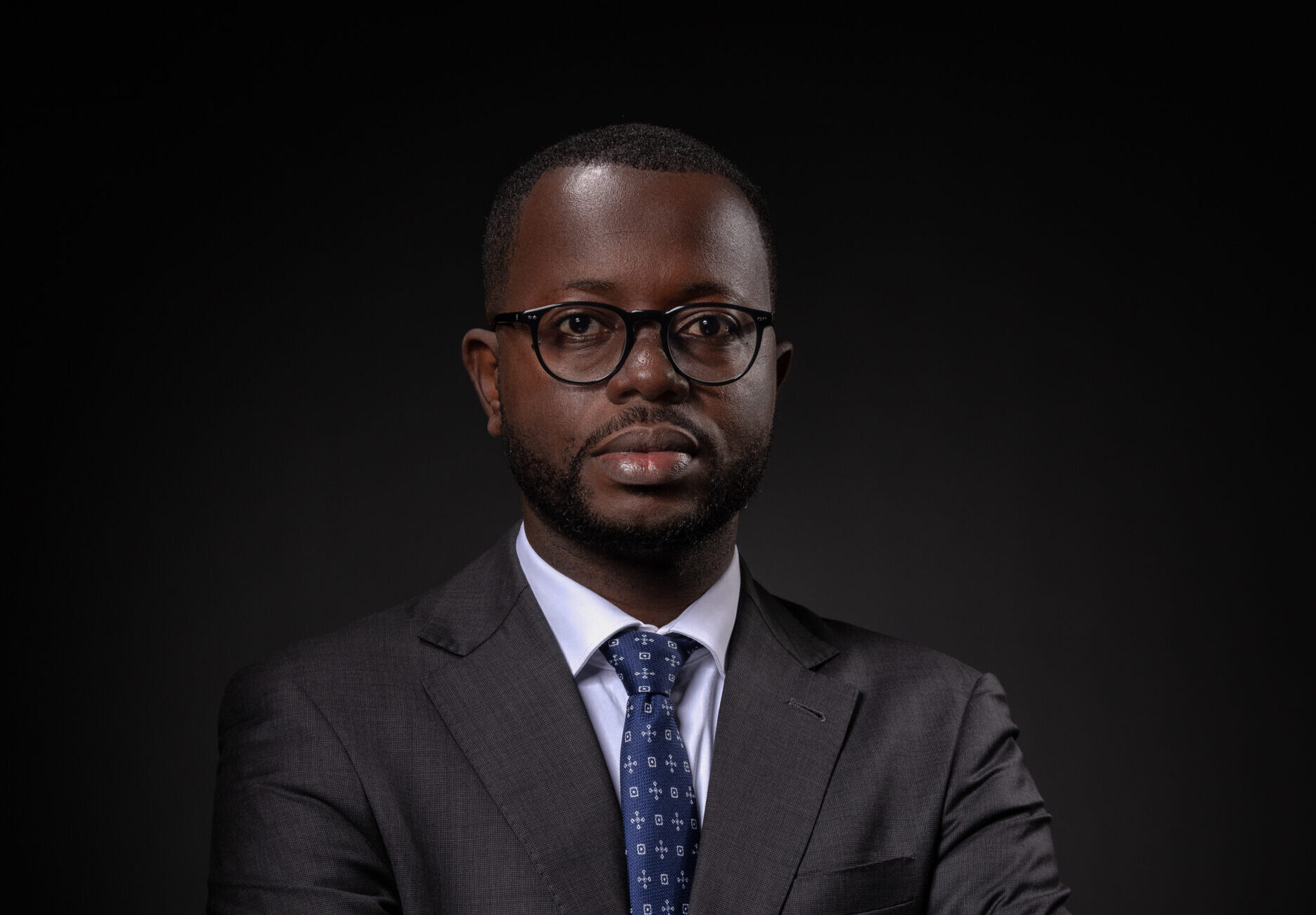
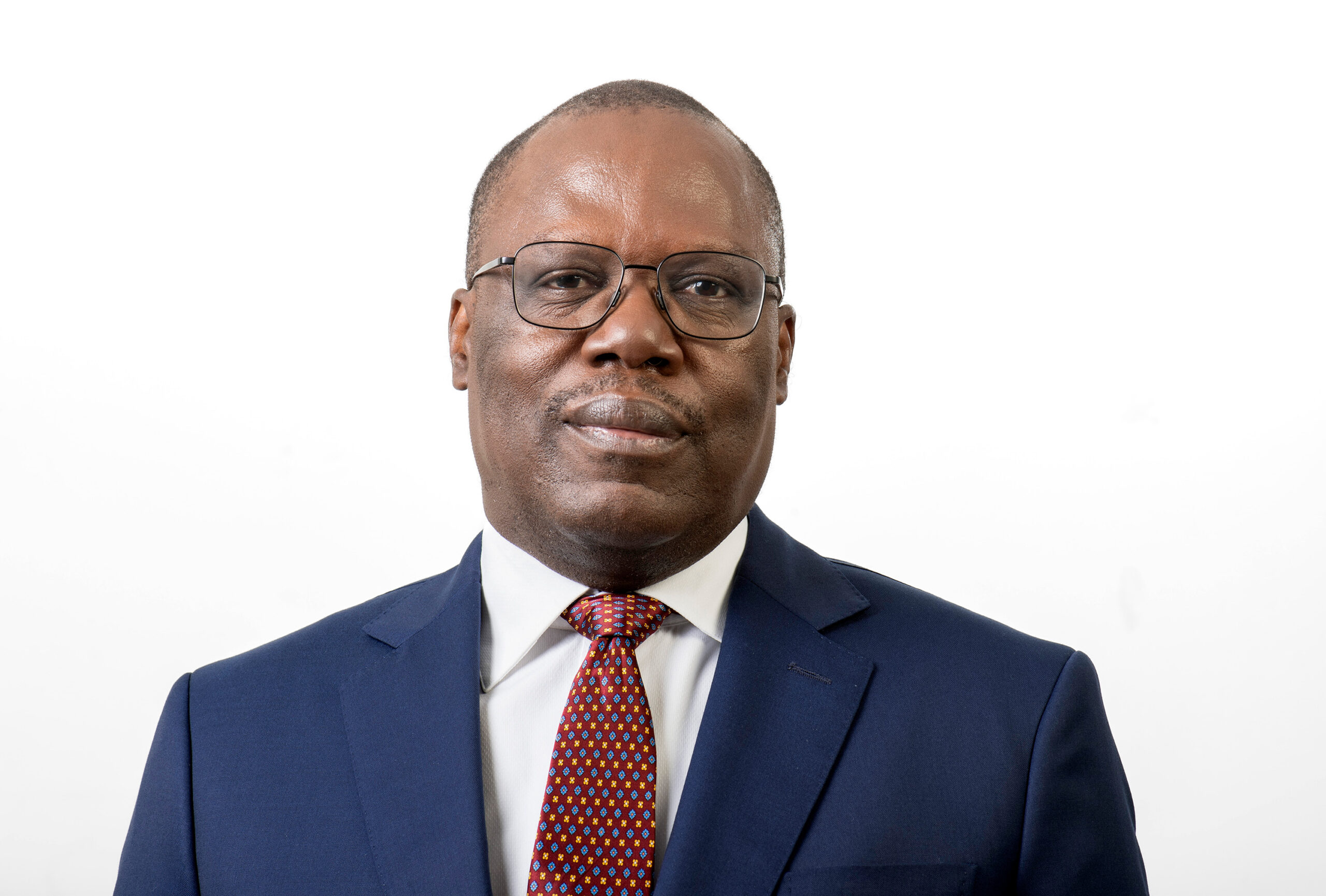
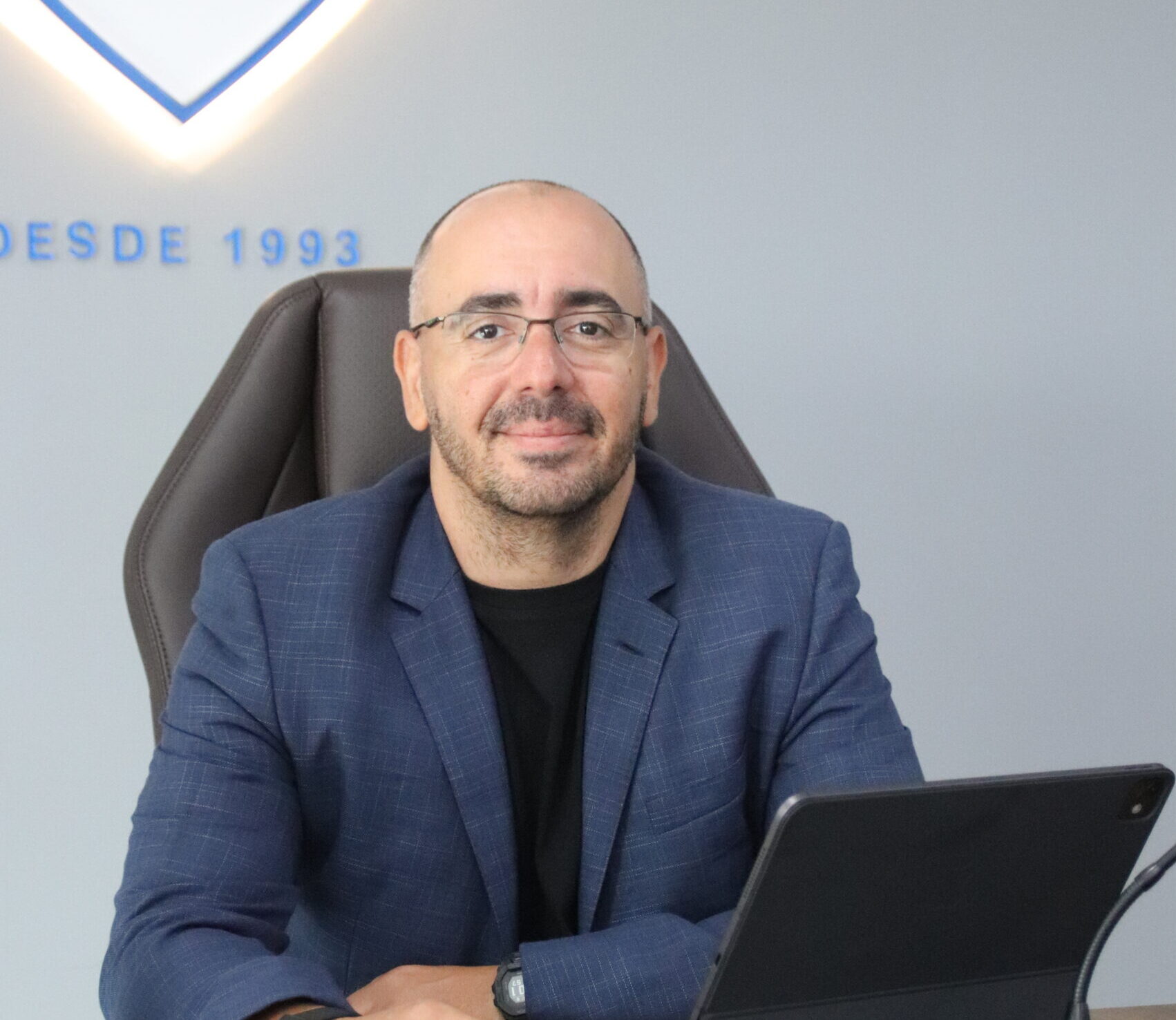
I’ve been an engineer now for almost 15 years, and I started Trinitas back in 2018. When I graduated, I was fully funded by the government. One of the challenges that I noticed then was that the government itself was unable to absorb all the graduate engineers, including its own engineers that it had funded through scholarships or bursaries. When I first started working, that was something that was in the back of my head.
And, right now, there are a number of engineering firms that are actually absorbing a lot of these graduates and supplementing government. But in terms of the market opportunities, our industry is still relatively inexperienced, especially with some of the emerging markets such as oil and gas.
At Trinitas we are aggressively looking for international partnership, so that when the opportunities arise, we can contribute. For example, right now there’s a tender that is out on upgrading Namport. There are very few Namibian engineers with marine engineering experience. So, in order to be competitive, we then engage European firms with experience. We provide the local support and they provide us with their expertise. In doing that, we can bridge that gap and participate in the development of these different infrastructures.
The tender has three parts: Engineering, Procurement, and Construction (EPC). In this case, Namport has requested an independent review engineer (IRE). So, the EPC contractor will do the designs and then the IRE will review their designs and approve them for construction. We are coming on board as the IRE. By partnering with European firms, we gain the necessary expertise.
Trinitas is involved in solar, wind and other renewable-energy infrastructure, including the 50 MW Astra Farm solar project. What opportunities do you see for Namibia to develop a stronger domestic renewable-energy industry and engineering ecosystem?
Namibia is one of the most sparsely populated countries in the world. You have large open spaces of land. I think only Australia and Chile come close our heat radiation, especially in terms of how much energy you can generate per US dollar. If I’m not mistaken, we have one of the lowest costs in the world.
In terms of space, you can put up plants. Our national grid is close to 95-98% efficient in terms of run time. We hardly have cutouts. If you want to put up renewable or alternative energy sources, the country’s own infrastructure is quite stable, although depending on where the plant is going to be, the investor might have to look into upgrading some of the transmission facilities, such as your substation or even the power line in certain stretches. The opportunities in renewable energy are endless, with the sun and the wind. Even with the wave technology. There are some investors that were exploring that in the northwestern part of Namibia.
Trinitas works across roads, water, municipal infrastructure, buildings, energy and industrial projects. What infrastructure priorities will be most important if Namibia is to support its next phase of economic growth and industrialisation?
One is the ports. Our major port is currently Walvis Bay. There are plans to upgrade it so it can be able to take in more cargo, and there’s also proposals to upgrade the port at Lüderitz, because it’s closer to where most of the oil discoveries are happening. That infrastructure needs to be in place.
The other infrastructure that is also receiving a lot of attention is the railway, because it’s much cheaper to move cargo with railway. But our railway line is one of the oldest in the world, so the need to upgrade is becoming critical. We have done very well with our road infrastructure, so the next step is to upgrade the railway.
There’s also been some discussions to try and upgrade the airport as well. But for me personally, I think something that also needs to be prioritized is logistics. If you look at Namibia’s location, it’s one of the few countries that has an arm that stretches into the middle of Africa, the Caprivi Strip. It is basically the only place in the world where four countries meet: Namibia, Botswana, Zimbabwe and Zambia. If that part of the country can also be connected to the railway, it would be an enormous breakthrough.
The electricity grid is one of Namibia’s great infrastructures. We currently have powerline that allows for any energy that is produced within the country to be sold through the Southern African Power Pool via Zambia. However, a high voltage powerline to Botswana would further bolster Namibia’s net energy exporter ambitions.
And there’s also the infrastructure of all the services around to support the logistics when you build a logistics hub. In Lüderitz, for example, there’s still a housing shortage. Two years ago, I had a project in Oranjemund, and Total Energies and Shell had leased Fly Namibia’s airline so they could fly in their staff in the morning, then fly them back in the afternoon. That’s because Oranjemund and Lüderitz don’t have enough housing facilities. So, all these support services are opportunities that investors can look into. And that’s easy for us because we are in infrastructure, so we can assist with developing them.
Those are all opportunities in terms of infrastructure that can be beefed up to make Namibia more competitive going forward.
How is Trinitas positioning itself to participate more actively in the development of the country’s emerging oil and gas and industrial sectors?
We’ve had some projects with Puma Energy that have exposed us to the downstream. They’ve given us an opportunity to be involved in their downstream infrastructure, which has exposed us to their standards in terms of designs and safety audits.
With Namibia’s oil and gas ambition, we already have that part of the value chain that we can contribute as Trinitas. On the upstream we will need to have partners that can help. But they will find us crawling rather than needing to be picked up from point A to point B. We are not at the rock-bottom starting point; we are climbing up the ladder. In terms of oil and gas, we are quite fortunate in that regard.
We’ve not only worked on service stations, but also on ground storage facilities, including the ground fuel depot here in Windhoek, one of the biggest in the country.
We’ve also done some work on the jet fuel depot at Hosea Kutako Airport, so we do have that exposure.
As major infrastructure and energy projects attract international companies and capital, how can Namibia ensure that local engineering firms, professionals and suppliers participate meaningfully in these projects and build capabilities over the long term?
Namibia has a local content framework. For example, with construction, there’s a minimum requirement stating that at least 10% of the value of the project needs to be reserved for locals.
When it comes to consultancy services, we go out there by ourselves and look for partners when opportunities present themselves. To a certain extent, I’ve not yet seen a requirement that encourages local participation, especially for us as engineers in the consulting industry. That is something that the government needs to look at in terms of developing a framework that encourages that skills transfer. Skills transfer is mainly on construction at the moment; the actual building of the infrastructure, the hands-on. But in terms of the design component, we can still do a bit more.
We are trying to ensure that we expose ourselves by partnering. But if there is a legal framework that recommends it, then it makes it easier.
Creating opportunities for young Namibian engineers is one of Trinitas’ stated objectives. What more needs to be done by universities, government and industry to develop the technical talent Namibia will need for its next phase of development?
Every year I put out two to three hours and I spend time with final year students at NUST (Namibia University of Science and Technology), engineering students.
There is often a gap between industry expectations and what the graduate engineer expects. With these engagements, I try to bridge that gap. What NUST has also done is having local experts providing input on re-evaluating and adjusting the curriculum, especially for engineers, so that it aligns with what the industry needs. There is a need for constant review.
Where Namibia is going, you cannot wait 5 years or 10 years to review the curriculum. It needs to happen more frequently so that it aligns with where the country is going. Especially if you want to bring in local content.
Trinitas combines multiple engineering disciplines with project management and has developed capabilities in areas such as space infrastructure, energy systems and sustainable engineering. How important will innovation and multidisciplinary expertise be to the future competitiveness of Namibia’s engineering sector?
So, for example, I’m a mechanical engineer by profession, but now I’m adding a master’s degree in civil engineering. One of our biggest projects is the proposed Student Village in Khomasdal Ext 16 in Windhoek. We just need a few municipal approvals and then construction might start next year. We are constructing about 11 multi-storey student accommodation facilities with support infrastructure including 5,000 capacity conference facility. So that forces me, as the owner of an engineering firm, to put on two hats. I won’t necessarily do the civil engineering calculations, but at least it gives me a civil engineering understanding in addition to my practical knowledge.
The same thing applies with technology. We are constantly having to look at new solutions, new software that can help us to be more efficient. The company itself finances skills development to enhance efficiency and productivity of our team.
With major opportunities emerging across energy, infrastructure and industrial development, where do you see the greatest opportunities for Namibian engineering companies over the next decade, and what will be required to turn Namibia’s ambitions into projects on the ground?
What is your message of confidence for global investors and international business people considering Namibia as a destination for their next venture? And why would they choose Trinitas as their partner of choice?
Firstly, with Namibia, we are the most stable country in Africa. Not only politically, but even our institutions.
With the technologies that we are looking at, such as renewable energy, the infrastructure is there. With oil and gas, the potential to upgrade the infrastructure is there. And Namibia is a gateway to Southern Africa.
When it comes to Trinitas, we believe in collaboration. That’s the most important thing. We have a saying in our office: “a good engineer knows their limits”. So, we are open to learn.
Like I said earlier, we already have our downstream experience in the petroleum and gas industry and we can build on that. In terms of renewable energy, we are running a 60-million-USD solar project. We’ve also been involved in wind solutions in the past. The experience is there. But we will need partnerships, and we are open to them.