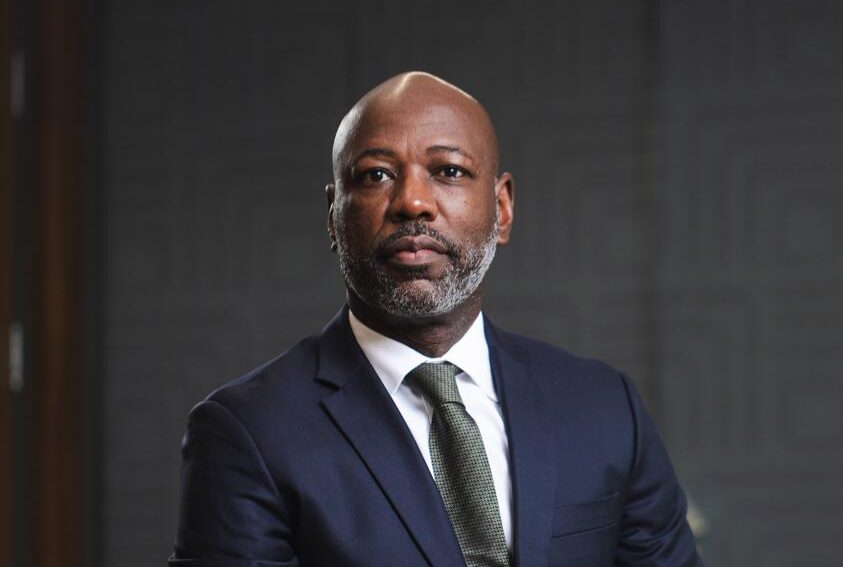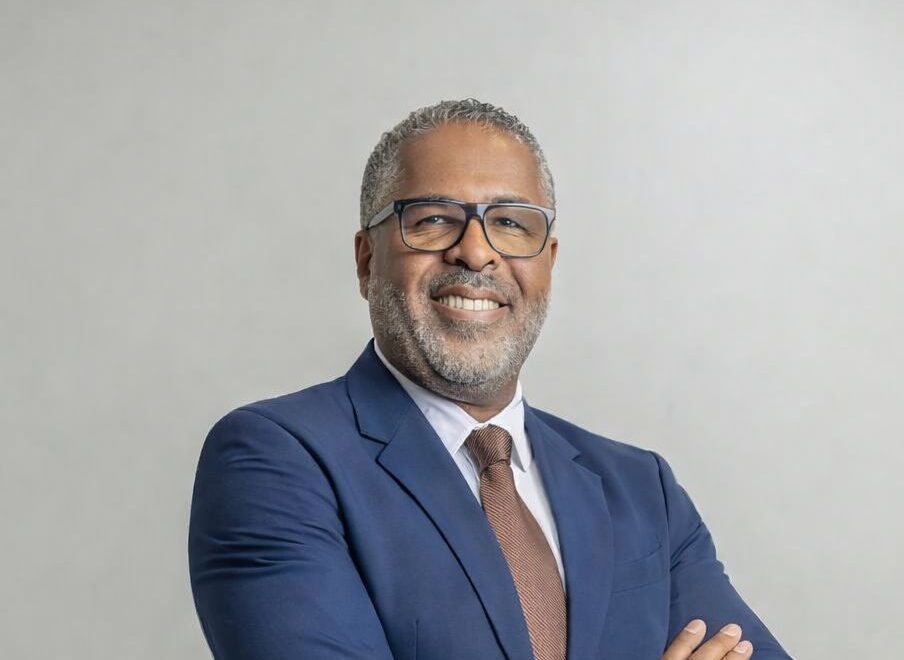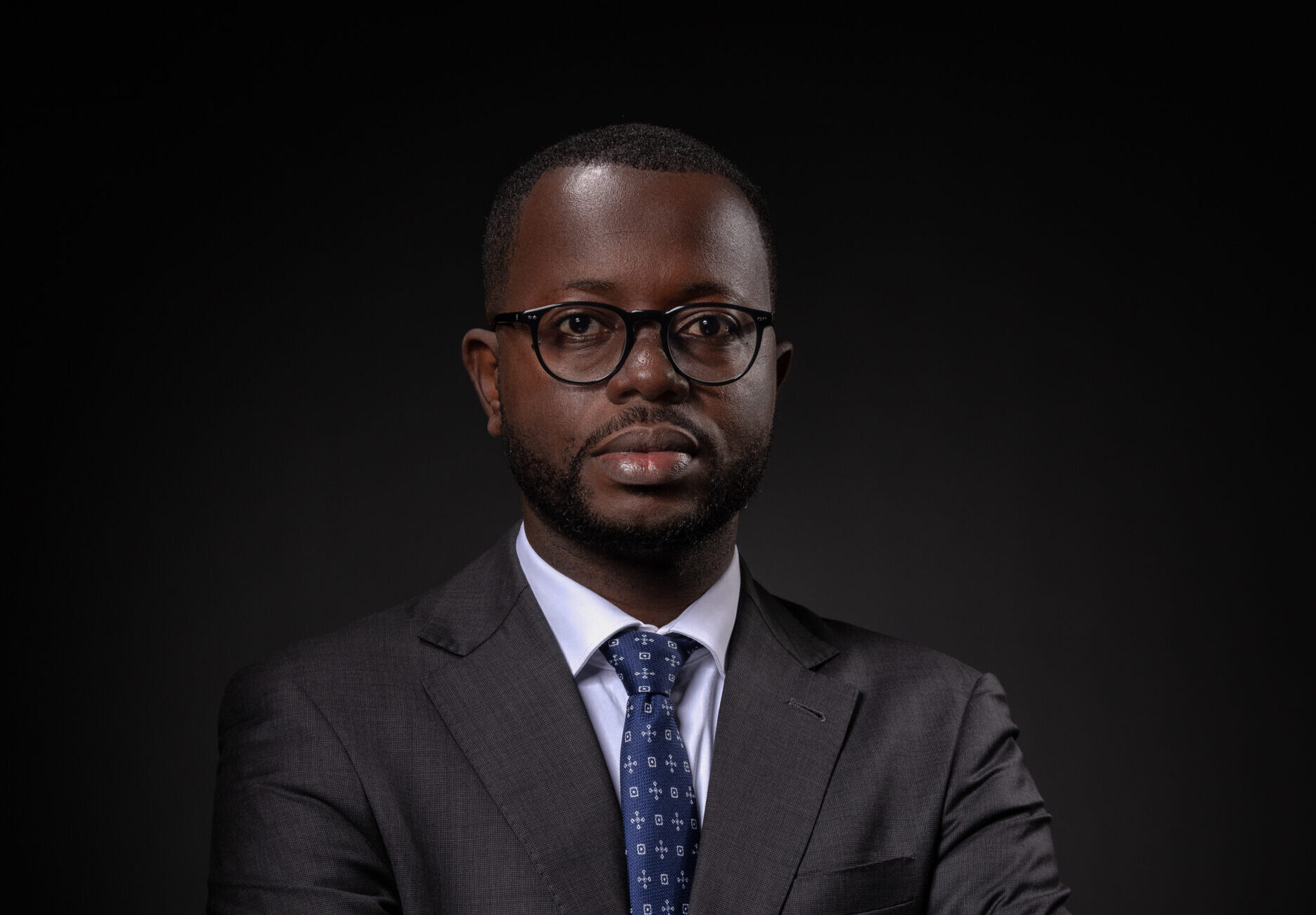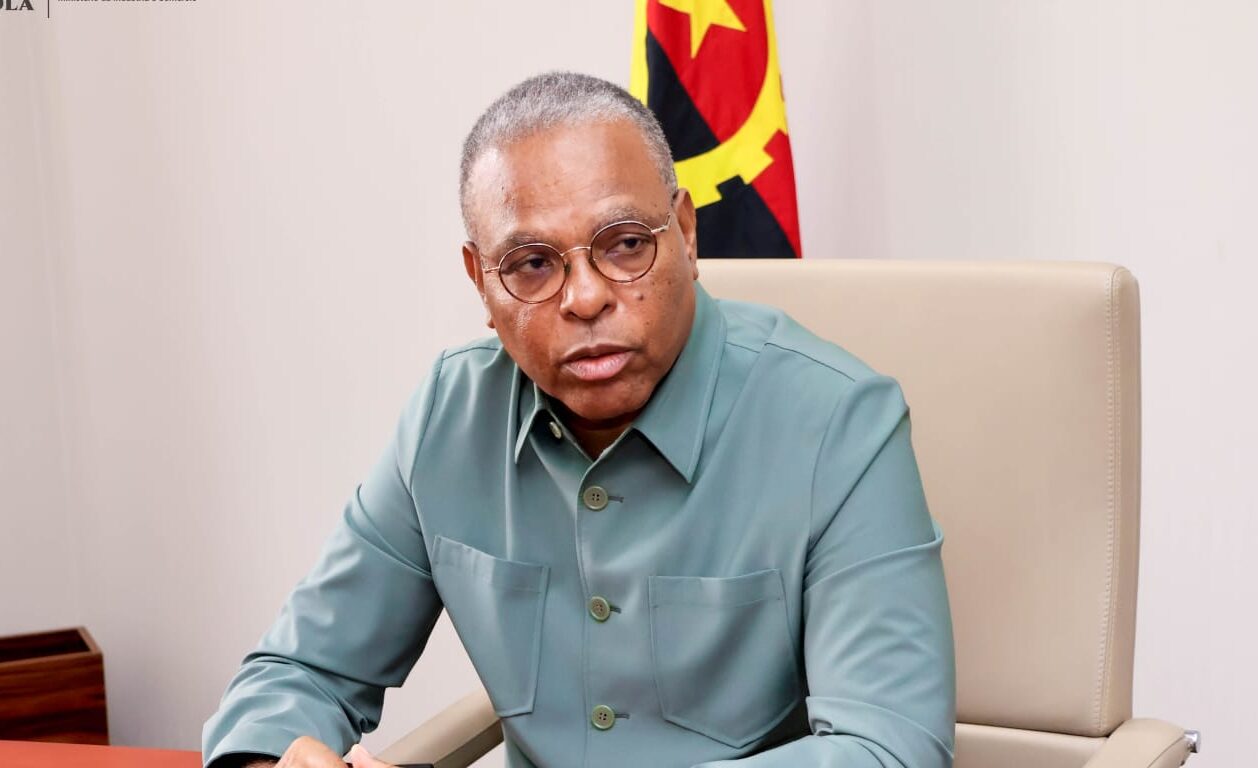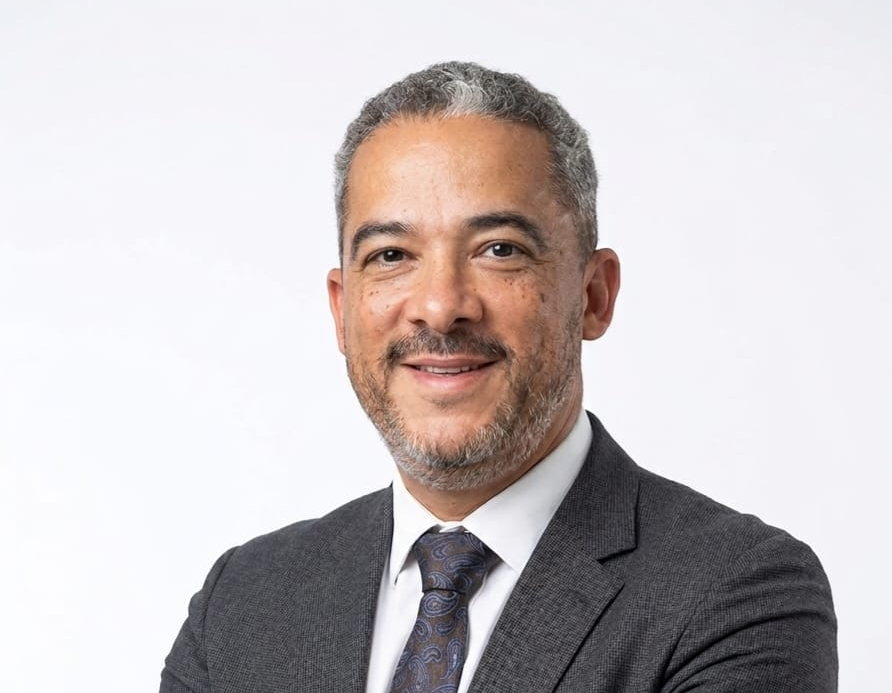
1. For over 90 years, SLB has maintained a historical footprint across Angola, Central and East Africa, supporting energy development while advancing decarbonization and accessible energy. With more than 30 years at SLB, you have witnessed multiple industry cycles. How do you see SLB’s role in the region today, and how does your vision as Managing Director build on this long-term legacy?
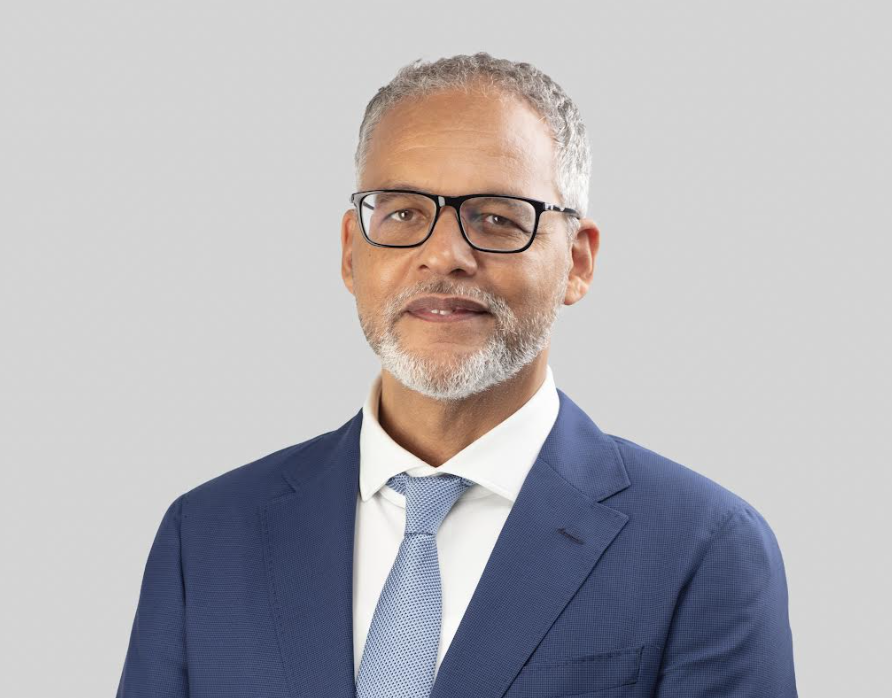
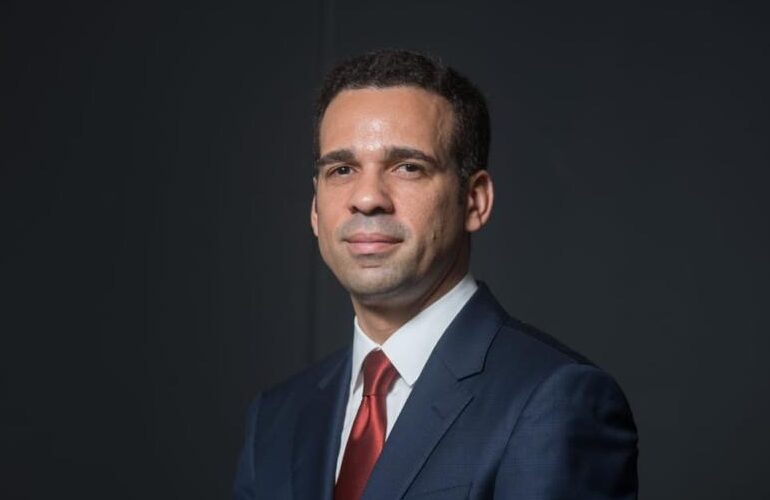
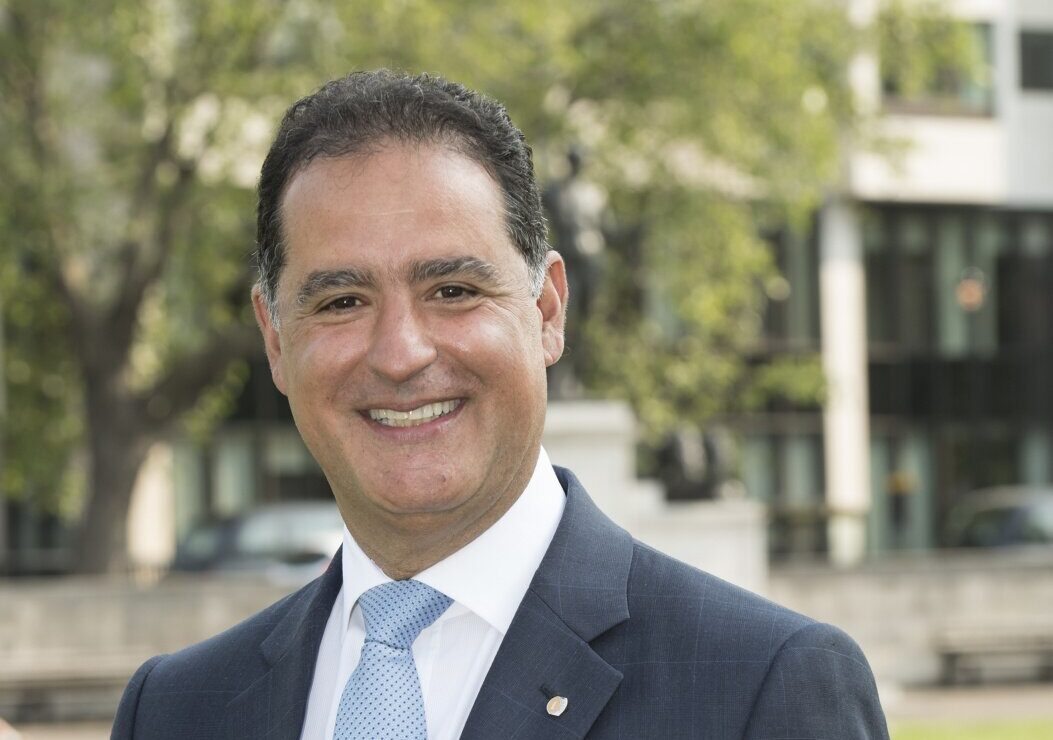
Miguel Baptista:
As SLB marks its centenary in 2026, Africa remains central to the company’s story, with more than 90 years of continuous presence on the continent.
I have been fortunate to be part of this journey for the past 30 years, progressing from field-based roles to leading the company’s portfolio across Central, East and Southern Africa. It is a responsibility I approach with great respect for the legacy that already exists and for the opportunities ahead.
The energy industry continues to play a critical role in this part of the continent, particularly for countries with oil and gas resources where the sector remains a key driver of economic development. SLB contributes as a trusted technology and services partner, working closely with both customers and governments.
Our commitment is to enable these stakeholders to meet their production, efficiency and sustainability objectives, while supporting the delivery of energy that is increasingly affordable, accessible and lower carbon. This is ultimately what underpins our work across the region and the focus of our teams, partners and contractors on the ground every day.
2. How has SLB adapted its portfolio of technologies and services to balance energy security, affordability and decarbonization in the African context?
Miguel Baptista:
We are very proud to participate in a broad range of major energy projects across the continent. Our objective is to unlock energy resources in the cleanest and most efficient way possible, balancing cost, performance and emissions outcomes.
Technology is therefore a central component of our strategy. We deploy advanced digital, subsurface, production and chemistry solutions to help customers maximize value from their resources while reducing their environmental footprint across the full lifecycle of assets. At the same time, we place a strong focus on hiring, training and developing people within the region.
Nationalization for us goes beyond compliance; it means investing in and empowering local talent and leadership, which is fundamental to how we operate and how we create long-term value in the region.
3. 2025 marked a significant year for SLB, driven by strong performance and major global and regional strategic developments. Could you provide an overview of SLB’s recent performance in Angola and the key milestones achieved?
Miguel Baptista:
Angola is a fundamental market for SLB and serves as the regional hub for our Central, East and Southern Africa operations.
One of our most important milestones in recent years was the opening of the Luanda Performance Center. The purpose of the center is to create a collaborative environment where SLB experts and customers can work together to address some of the industry’s most complex challenges.
The center enables both in-person and virtual collaboration, drawing on expertise from across the region as well as SLB’s global network. While it initially focused on production optimization, its scope continues to expand across the value chain.
Another significant milestone was the integration of ChampionX into SLB. This brings together complementary capabilities across chemistry, equipment and digital solutions, enabling us to deliver more integrated outcomes and unlock additional value for our customers.
4.Africa remains a priority region for global energy markets and long-term investment, with oil and gas production growth driven by major producers including Angola, Nigeria and Mozambique. What are your expectations for SLB’s growth across Angola, Central and East Africa in 2026?
Miguel Baptista:
Africa continues to be an important region for oil and gas investment, particularly in upstream activities, and we see this momentum continuing across several markets.
This is supported by the work many governments are doing to create more attractive and stable environments for investment, which is encouraging new exploration activity and new entrants. Namibia, for example, has become one of the most exciting exploration regions globally, while activity remains strong in countries such as Angola, Congo and Gabon.
Angola has clearly stated its objective of maintaining production at around one million barrels per day through to 2030, and neighbouring producers are also looking to increase output. At the same time, investment in gas projects is expanding across the region, reflecting both domestic needs and longer-term development plans.
Overall, industry estimates suggest that cumulative investment across the region could exceed $120 billion by 2030, which underlines the scale of opportunity and Africa’s continued relevance in the global energy landscape
5. ESG considerations are increasingly central to long-term value creation in the energy sector. How does SLB approach ESG and sustainability across its regional operations?
Miguel Baptista:
ESG is a core priority for SLB globally, anchored around three pillars: climate action, people and nature.
From a climate perspective, we are focused on reducing our own operational emissions, with a stated ambition to achieving net zero that is inclusive of Scope 3 emissions by 2050, against our 2019 baseline. In parallel, we support our customers through a portfolio of Transition TechnologiesTM designed to help reduce emissions while maintaining operational performance.
One example is a technology called Ora, which allows reservoir evaluation without the need for extensive flaring. This helps reduce emissions while still providing important reservoir information.
On the people side, we invest strongly in education and community initiatives.
One example is our SEED program — SLB Excellence in Education and Development — which promotes science, technology, engineering and mathematics education for young students.
Another initiative we are particularly proud of is a project we implemented in Congo where we built a primary and secondary school for children with hearing impairments. The school provides education opportunities for hundreds of students who previously had limited access.
Across the region, our community programs continue to focus on education, access to water and women’s empowerment, reflecting our commitment to long-term, sustainable impact.
6. Technology is reshaping how energy companies operate, improve efficiency and reduce emissions. How does SLB integrate technological innovation and digitalization into its operations and client solutions?
Miguel Baptista:
Our approach to digitalisation is centred on connecting data and enabling integrated workflows across the energy lifecycle.
By bringing together different datasets into unified platforms and applying AI-enabled workflows, we can generate insights that improve decision-making, efficiency and performance. This integration allows us to optimise operations from exploration through to production and asset retirement.
Another important aspect of our approach is openness. Many of our digital platforms are designed so that other technologies can integrate with them, creating a collaborative ecosystem that enables better solutions.
7. The sector faces the challenge of sustaining investment and production in maturing assets while managing decarbonization pressures. How do you assess this balance of challenges and opportunities for Angola and the wider region?
Miguel Baptista:
This balance is particularly relevant in Angola and several other mature producing markets across the region.
There remains significant value in existing assets and infrastructure, and the Angolan government has introduced new frameworks designed to incentivize additional investment, including initiatives focused on incremental production.
Technology plays a critical role here. By combining digital solutions with advanced chemistry and equipment capabilities — including those strengthened through the integration of ChampionX — we can help operators improve recovery and extend the productive life of existing assets.
In many cases, maximising value from existing infrastructure can be both more cost-effective and less carbon-intensive than developing new assets, making it an important part of the industry’s broader decarbonisation pathway
8. Global perception plays a critical role in attracting investment and long-term partnerships. How does SLB build international credibility and visibility through communications, partnerships and technology leadership?
Miguel Baptista:
At SLB, we believe that global credibility is earned — through consistent execution, integrity, technology leadership and strong collaboration.
Our reputation rests on open dialogue with stakeholders and long-standing partnerships with operators, governments and suppliers. This allows us to bring the best of SLB’s global technology and expertise into local contexts, while also helping to advance industry standards globally.
Importantly, we don’t just operate in the countries where we work; we invest in skills development, environmental stewardship and long-term economic progress, recognising that trust and performance go hand in hand.
For Fortune readers, the key message is that SLB takes a long-term view. Across diverse geographies and energy systems, we work alongside our partners to build solutions that are resilient, forward-looking and capable of supporting a secure, affordable and lower-carbon energy future in a rapidly evolving global landscape.