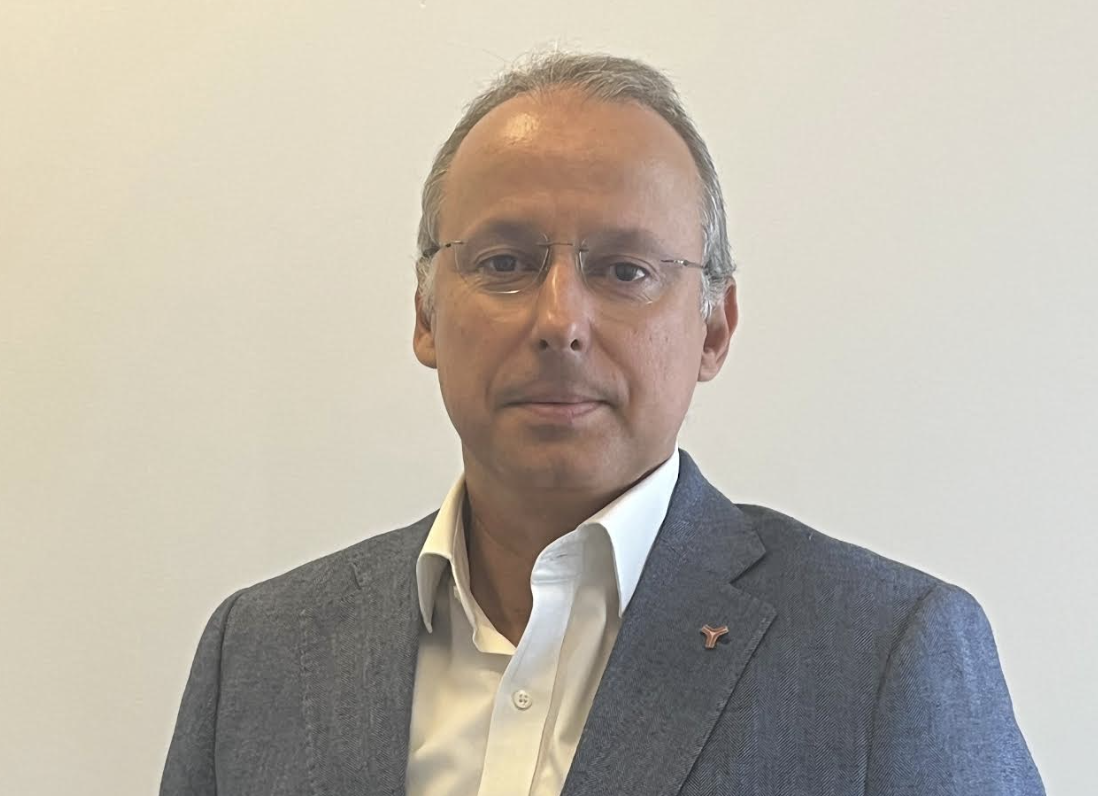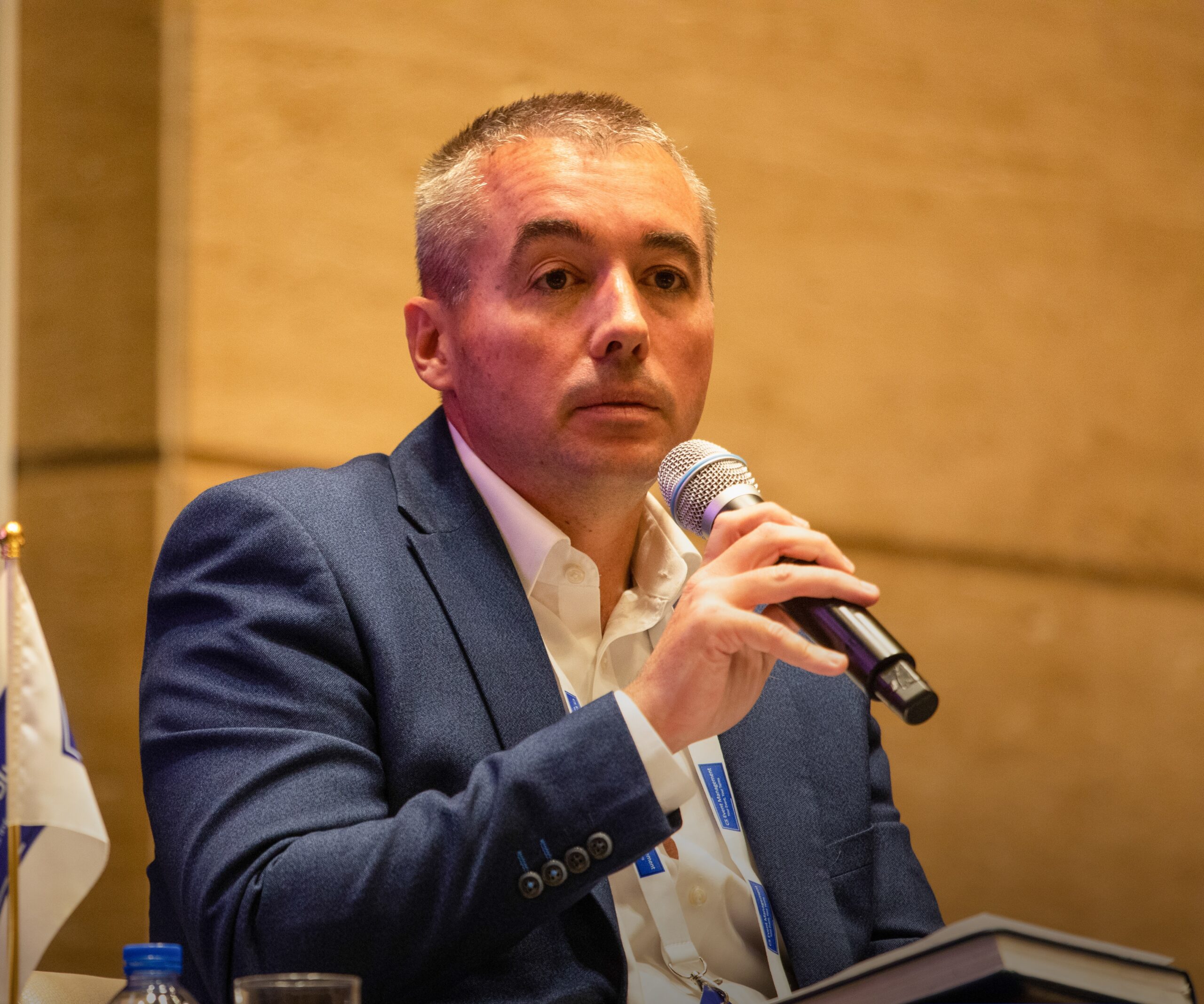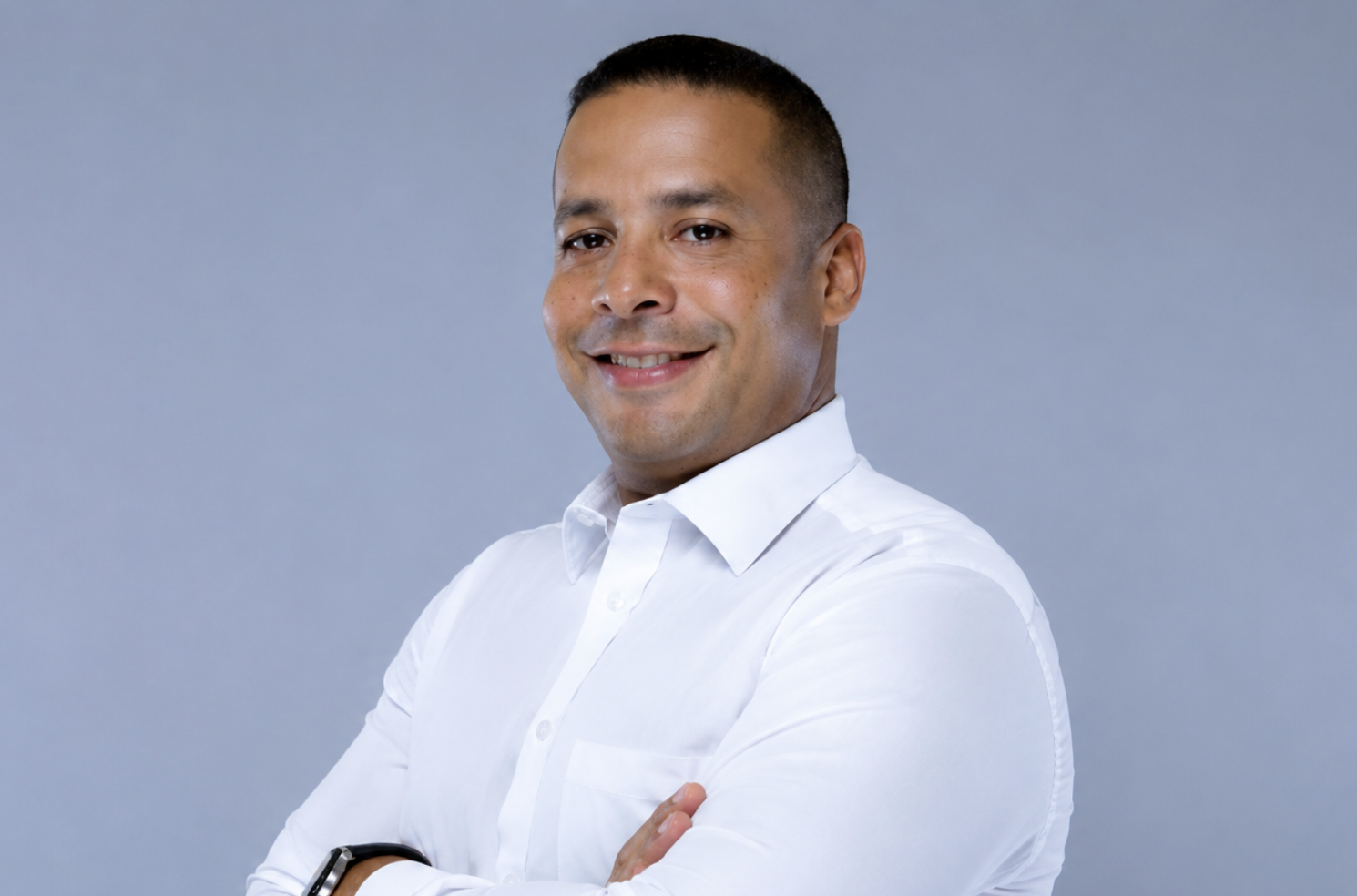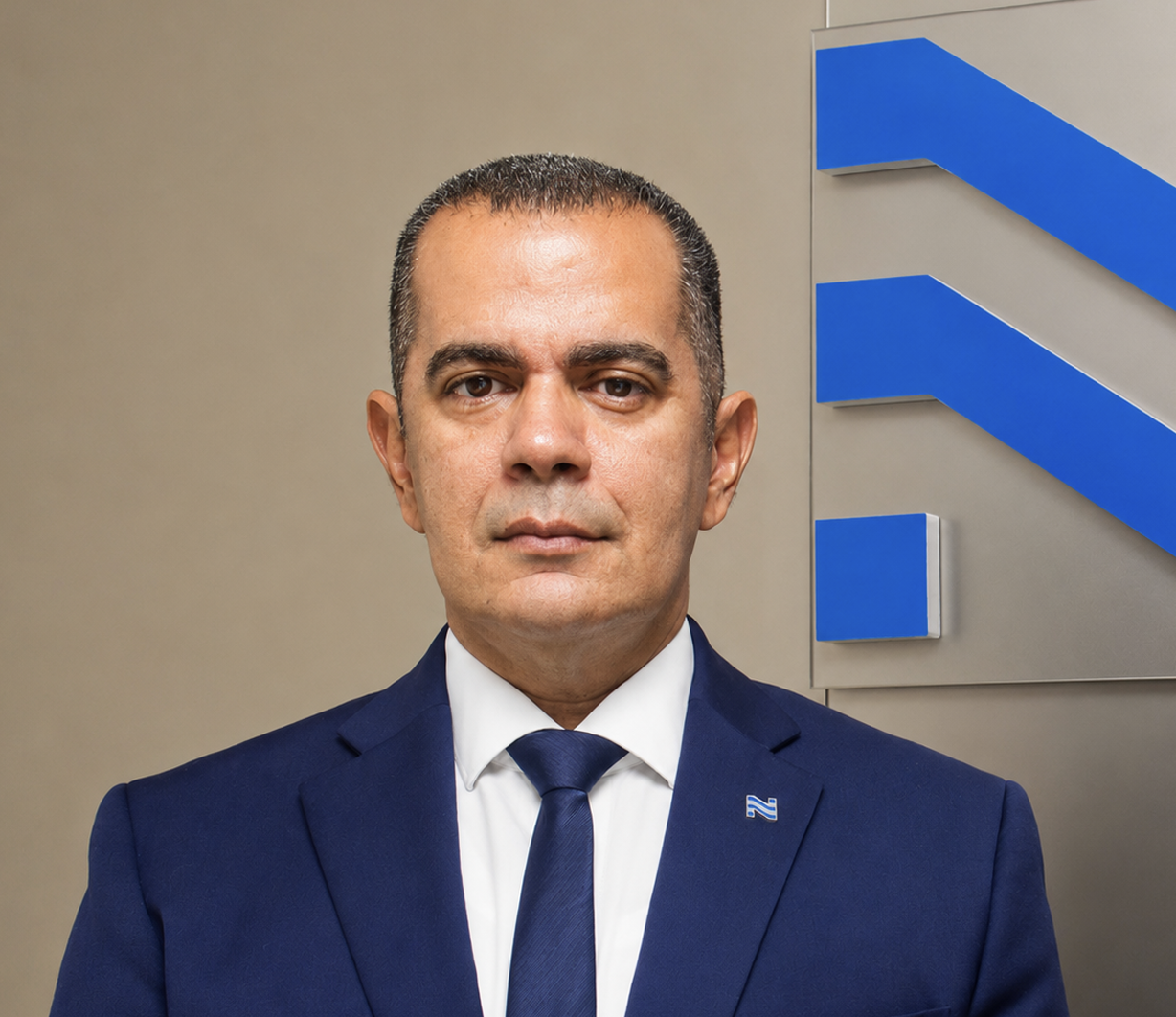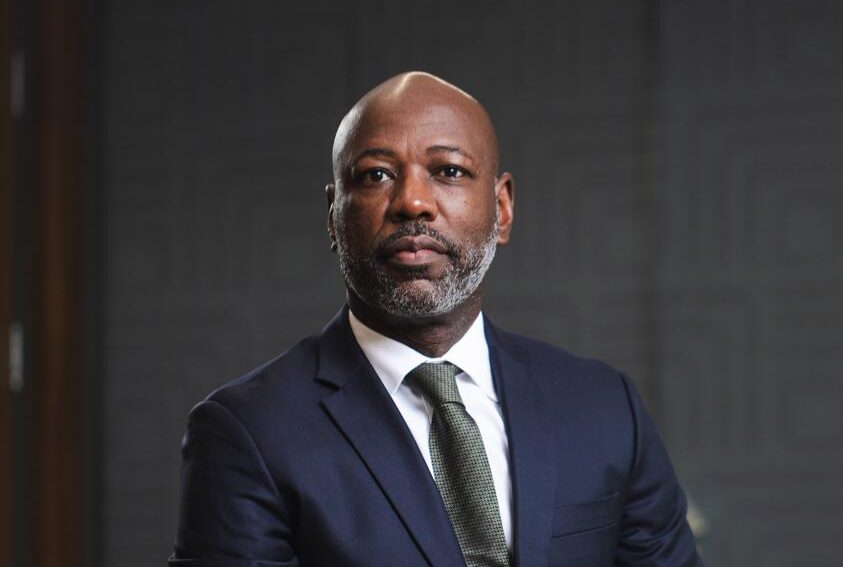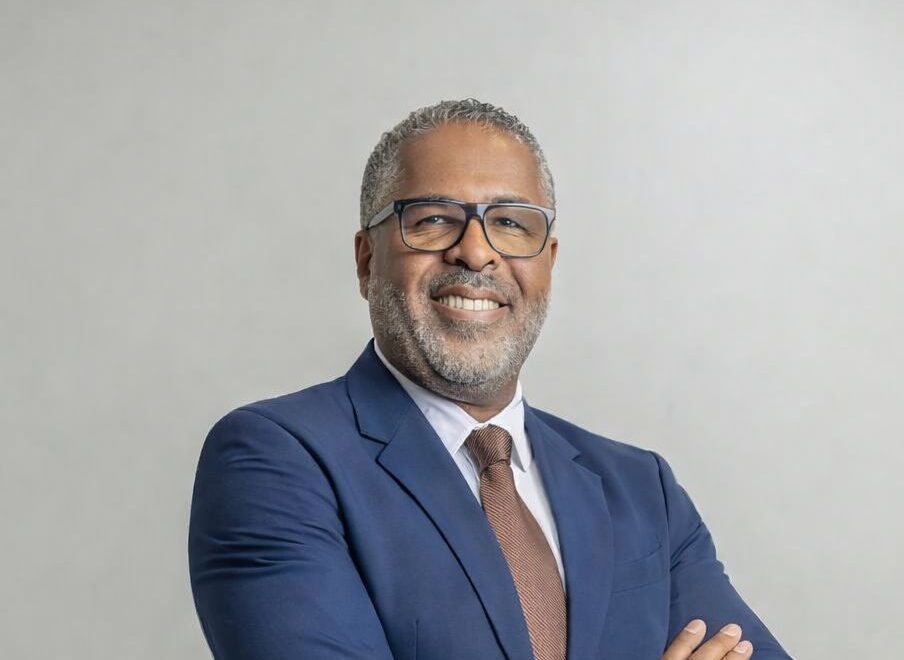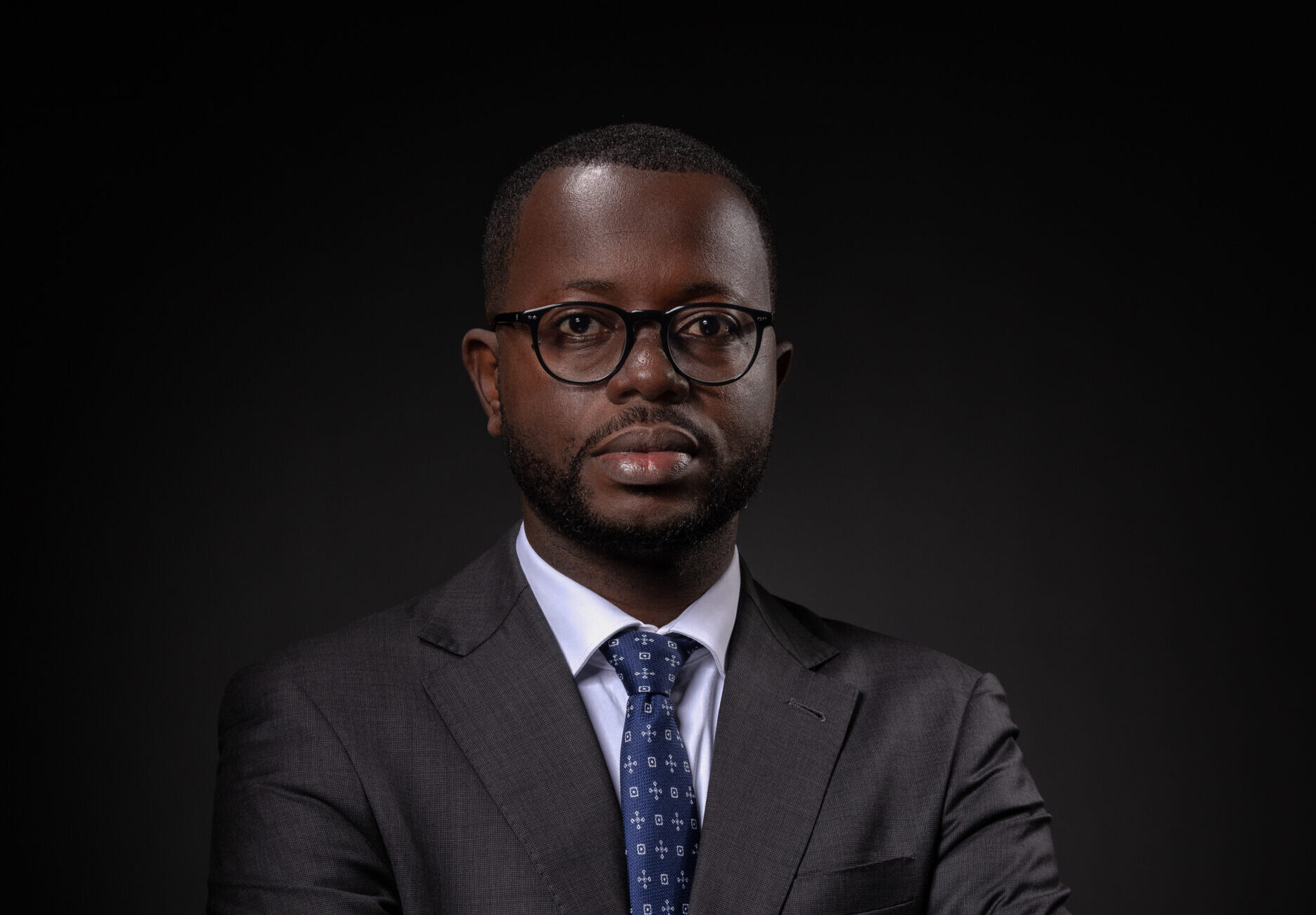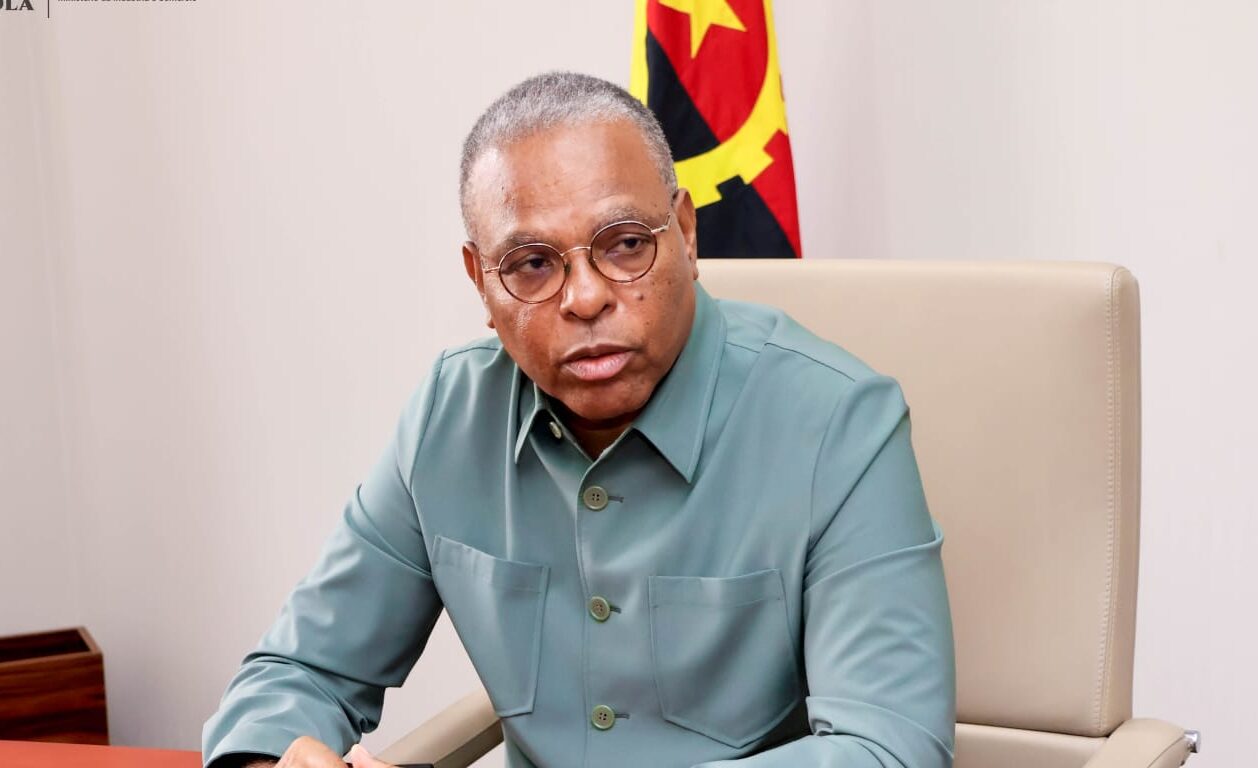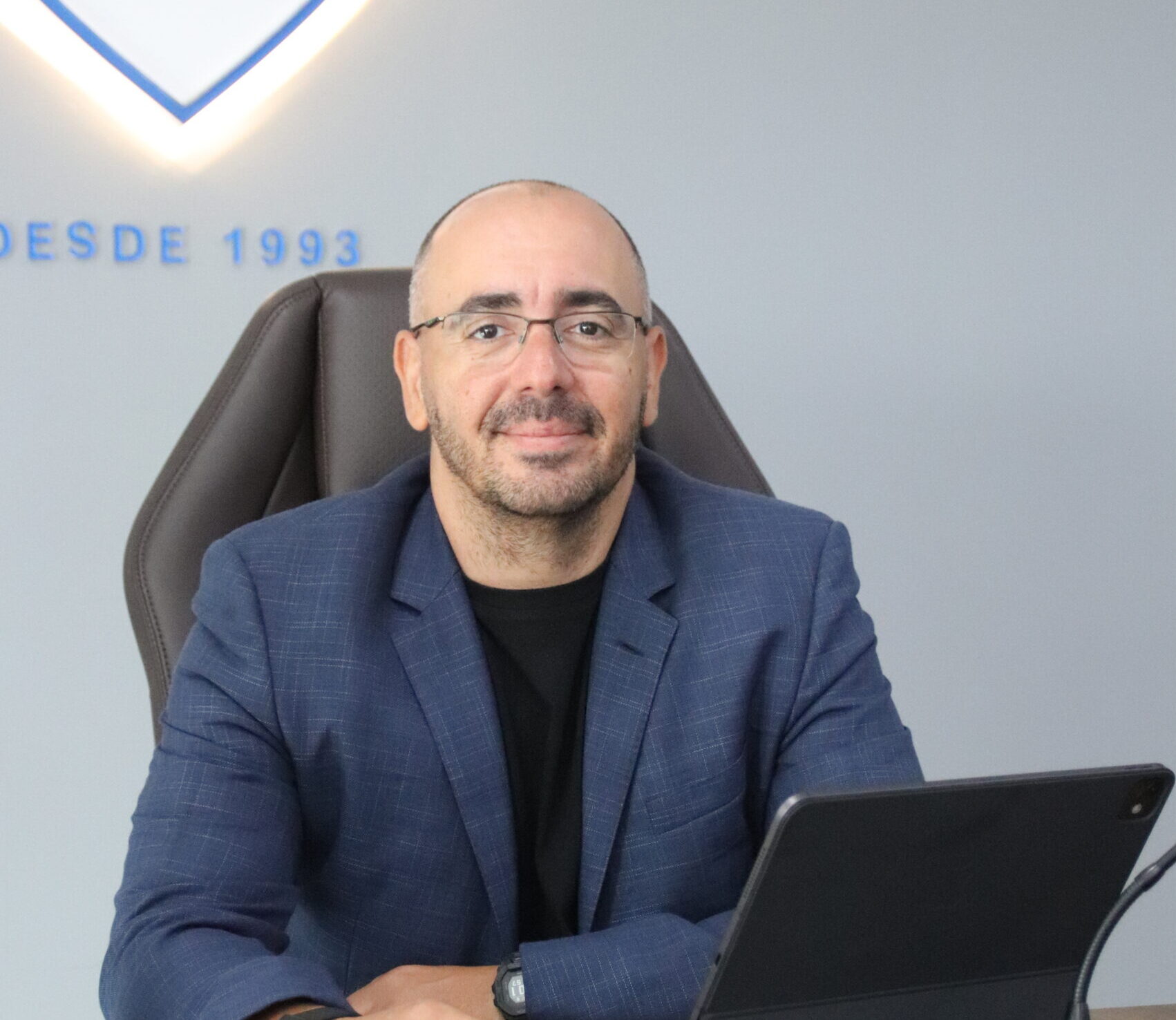
- Copia Group operates in a highly strategic and regulated sector, including the supervision of major infrastructure works, geoscience, and energy. How was the company founded in 2015, and what were the main milestones that consolidated its credibility as a national reference in Angola?
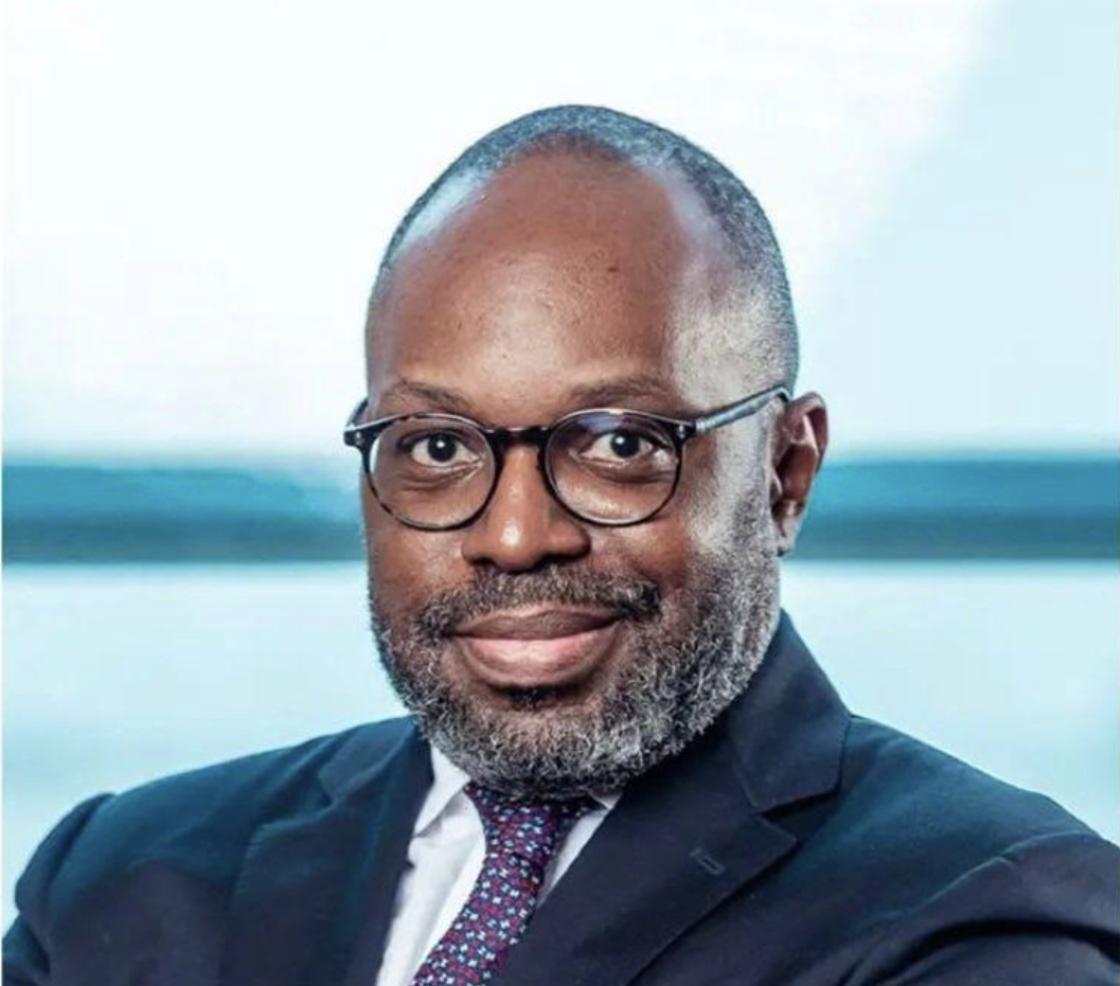
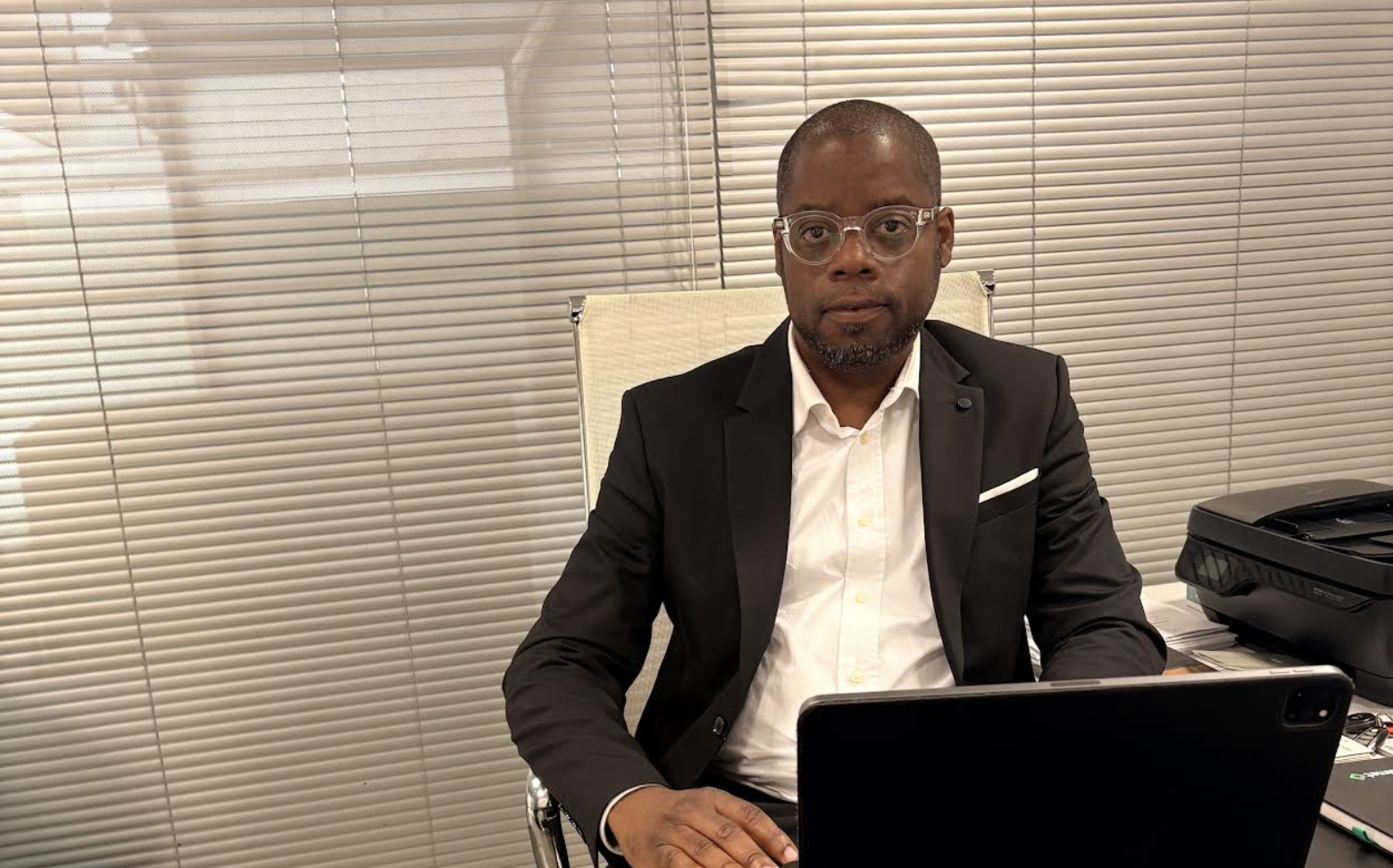
Adilson Mangueira Nelumba:
Copia Group was founded in 2015 with a clear mission: to provide professional supervision and oversight for complex national projects.
My own background played an important role in shaping this vision. I am a civil engineer by training, having studied in Namibia at the Polytechnic University, with a focus on civil engineering and master planning. After returning to Angola, I began my career at Sonangol’s exploration directorate, where I gained extensive exposure to geoscience, seismic projects, and the broader oil and gas value chain.
One of the defining experiences of my early career was serving as assistant project manager for a major 2D seismic campaign covering over 2,600 kilometres in the Kwanza Basin shortly after the end of the war. This project provided valuable insight into the technical and strategic importance of Angola’s energy resources.
Over time, I recognised a significant gap in the industry: while construction projects routinely rely on independent supervision, the oil and energy sectors often manage oversight internally. I believed Angola needed specialised external supervision services, applying the same rigour and accountability seen in major civil engineering works.
That conviction led to the creation of Copia Group, which remains a family-driven company with a strong culture of trust, commitment, and long-term vision.
Since its foundation, Copia has contributed to major national projects, including demining and topographic works for the Lauca hydropower transmission lines, supervision contracts for Angola’s road infrastructure, and most notably, leadership of the supervision consortium for the Caculo Cabaça Hydropower Project.
Today, Copia is proud to lead a highly technical team of approximately 70 professionals, 90% of whom are engineers, and the majority of whom are Angolan.
- Angola’s infrastructure and construction sector has returned to strong growth, driven by investment in energy, transport, and housing. How does Copia translate this sector expansion into operational strategy and performance?
Adilson Mangueira Nelumba:
Angola is celebrating 50 years of independence, but in many ways, the country has experienced only 24 years of sustained peace. The reconstruction process that began after 2002 created a new era of national development, with major investments in roads, railways, airports, and energy systems.
Copia’s strategic focus is to bring a differentiated and technology-driven approach to supervision. Before any major project begins, there must be rigorous studies, design work, and engineering validation. Copia participates across the entire lifecycle—from early-stage project design through to full construction oversight.
We believe that supervision is not simply a contractual formality; it is essential to ensuring quality, efficiency, and long-term durability. Too often, projects are delivered quickly but face structural or operational issues within a few years. Our role is to prevent that outcome by applying technical discipline and modern monitoring tools.
We are also integrating advanced technologies such as drones, AI-supported reporting systems, and continuous professional training. In projects involving thousands of workers—such as Caculo Cabaça, with over 6,000 people on site—technology becomes indispensable for real-time oversight and decision-making.
Copia’s mission is to raise supervision standards in Angola, particularly in sectors where independent oversight has not yet been fully institutionalised.
- What key indicators does Copia use to measure performance beyond financial outcomes?
Adilson Mangueira Nelumba:
As a private company, we evaluate performance continuously. One of the most important indicators is the number of active contracts and projects under supervision, as this reflects both operational scale and client trust.
However, beyond volume, we focus on impact. Supervision is often a discreet function, but its value becomes clear once projects are underway. Clients quickly realise that progress, quality assurance, and contract integrity depend on effective oversight.
Ultimately, our success is measured by the tangible difference we make in safeguarding project outcomes, protecting client investment, and ensuring long-term infrastructure resilience.
- The Caculo Cabaça Hydropower Plant is among the largest renewable energy developments in Africa. What partnerships does Copia prioritise to accelerate innovation and strengthen Angola’s position globally?
Adilson Mangueira Nelumba:
Copia does not operate in isolation. Partnerships are essential, particularly for projects of national scale.
For Caculo Cabaça, we formed a consortium with highly experienced international partners, including engineering expertise from Brazil, institutional project management support from Israel, and administrative and talent management capabilities from the UAE.
These partnerships bring advanced technology and operational knowledge that Angola is still developing domestically. For example, we have implemented innovative reporting systems that allow project owners to monitor progress remotely in real time, supported by drone-based data collection.
In parallel, Copia is expanding into the oil and gas sector, where we are already in discussions with ANPG and onshore operators to supervise seismic exploration campaigns.
We have also developed proprietary Angolan software platforms, including CopiaSim, which applies AI and machine learning to seismic interpretation, and DynamicSim, designed for reservoir volumetric modelling. These tools will soon be presented internationally, including at an upcoming conference in Qatar.
- Copia integrates advanced technologies such as BIM, GIS, IoT, drones, and high-precision monitoring systems. How do these innovations create competitive advantage in supervision and geoscience quality control?
Adilson Mangueira Nelumba:
Technology is central to Copia’s competitive positioning.
In geoscience and seismic acquisition, precision is critical. Activities such as magnetometry, gravimetry, and seismic surveys require careful calibration, survey design, and strict adherence to geological parameters.
Copia provides independent supervision to ensure that contractors collect data accurately, equipment is properly configured, and operations remain aligned with technical specifications. This applies both offshore—where navigation and vessel positioning are key—and onshore, where topographic accuracy determines data reliability.
Through GIS-based reporting platforms and daily operational monitoring, we provide decision-makers with clear, actionable oversight throughout the lifecycle of complex exploration and infrastructure campaigns.
- ESG principles play an increasing role in Copia’s strategy. How are sustainability and governance incorporated into your operations?
Adilson Mangueira Nelumba:
ESG is integral to Copia’s governance model.
Environmental responsibility is one of our strongest internal pillars. We are currently progressing toward international certification, including ISO 9001 and upcoming ISO 14001 standards.
We are also developing training programmes to support sustainability awareness not only within Copia but across the broader ecosystem of contractors and partners involved in national projects.
Governance, for us, is fundamentally about professionalism, inclusion, and ethical responsibility—promoting women, ensuring workplace safety, and building a culture where individuals are valued regardless of background.
Copia’s core product is knowledge. We bring Angola’s most experienced engineers together to provide high-level expertise that strengthens project quality and national development.
- Looking ahead, what is Copia Group’s long-term vision for Angola, and what role should companies like Copia play over the next decade?
Adilson Mangueira Nelumba:
Copia’s ambition is clear: to become Angola’s number one supervision and oversight company, and ultimately a leading reference across Southern Africa.
This is not driven by ego, but by national necessity. Angola needs stronger independent supervision across construction, oil and gas, and mining—sectors that are foundational to development.
Mining, in particular, represents a strategic frontier. It is one of the oldest industries in human history and one of the most complex to regulate. Copia is investing heavily in research, partnerships, and innovation in this space, and we believe our work will generate breakthroughs that resonate far beyond Angola.
Over the coming years, Copia will continue to expand its technological capabilities, develop local talent, and contribute to building a more innovative, resilient, and sustainable Angola.