“Panama has always been seen as a country that brings people together,” says de León. “Our mission is to move beyond the image of a transit country and become a destination where visitors stay, explore and experience everything Panama has to offer.”
Central to that strategy is a new national brand, Panama, Host to the World, designed to showcase the country’s rich biodiversity, vibrant culture, commercial strength and investment potential. The initiative also seeks to encourage every Panamanian to become an ambassador for the country.
Public-private collaboration has become another defining element of the government’s approach. Working closely with Copa Airlines, the Ministry of Tourism has expanded the Panama Stopover program, allowing international passengers to spend several days in the country without additional airfare. By incorporating hotels, restaurants, shopping centers and tourism operators into the initiative, Panama has transformed a logistical advantage into an opportunity to increase visitor spending and encourage longer stays.
“Every month we meet with Copa Airlines to strengthen the program and continue improving the visitor experience,” explains de León. “The private sector has played a fundamental role through promotions, special offers and nationwide initiatives that have made Panama a more attractive destination.”
Beyond leisure tourism, Panama is also strengthening its position as one of the region’s leading destinations for meetings, incentives, conferences and exhibitions (MICE). International events generate significant economic activity while introducing thousands of business travelers to the country, many of whom later return as leisure visitors or potential investors.
Recognizing that competitiveness also depends on informed decision-making, the ministry has invested in advanced market intelligence and digital tools to better understand visitor behavior, measure tourism performance and guide future development.
At the same time, Panama continues expanding its tourism footprint beyond its traditional destinations. Through the Sustainable Tourism Master Plan, the government has invested in infrastructure, public spaces and workforce development while promoting new destinations that highlight the country’s extraordinary natural and cultural diversity.
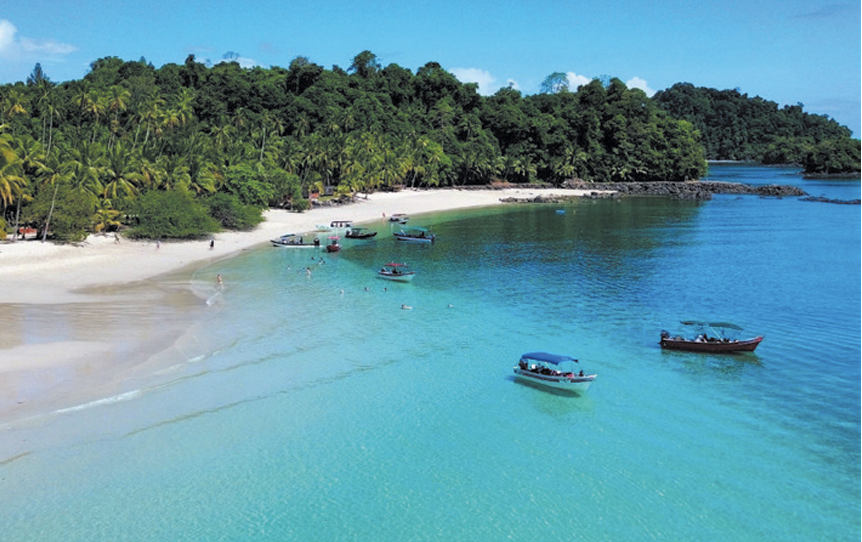
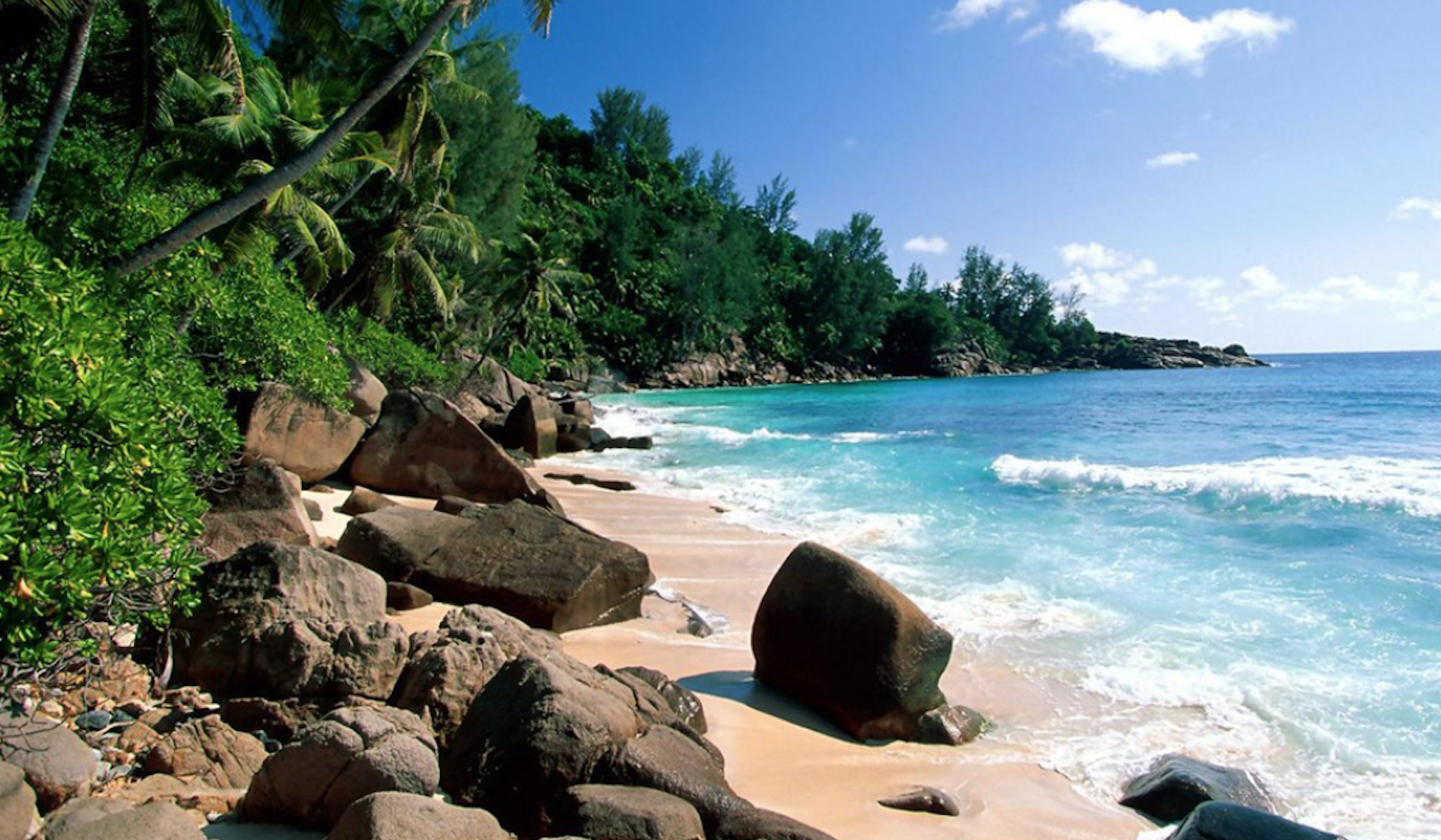
“The opportunity now is to continue developing destinations beyond our major cities,” says de León. “From tropical forests and pristine beaches to archaeological sites and indigenous communities, Panama offers experiences that many international travelers have yet to discover.”
Looking ahead, the ministry aims to further strengthen domestic tourism while expanding Panama’s international presence. As connectivity, infrastructure and economic stability continue attracting global attention, tourism is becoming not only an economic driver, but also a powerful platform to showcase the country’s broader investment potential.
For Panama, the future of tourism is no longer about moving people through the country— it is about giving the world a reason to stay.
The focus is practical rather than speculative: enabling clients to move between crypto and fiat, manage liquidity more efficiently, and access financing without liquidating digital assets. “People want liquidity without giving up their Bitcoin position,” Méndez said.
The approach is anchored in regulation and trust. Towerbank positions itself as a supervised institution bringing compliance and risk controls into digital assets, reframing innovation as institutional adoption rather than disruption.
This evolution also reflects Panama’s broader financial position. Despite outdated perceptions, the country remains a dollarized, well-connected banking hub supported by logistics and services growth. “Panama has everything it needs to place itself at the forefront of the region,” Méndez said.