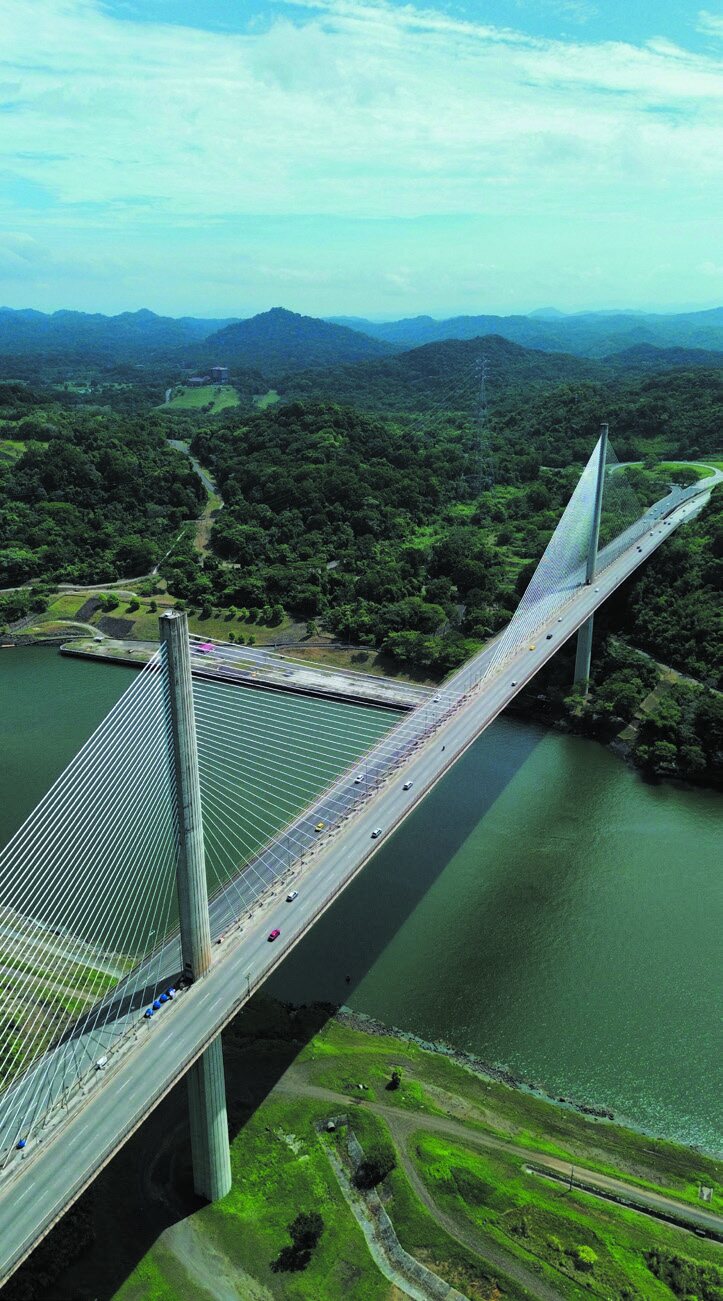
Few countries are as structurally tied to energy outcomes as Panama. The Panama Canal remains the backbone of the economy, and its operation depends directly on water availability—making energy policy inseparable from environmental management.
“The Canal is still the engine of the economy,” José Antonio Morales, founder of Grupo Solectric, said. “Without water, there is no Canal, and without the right energy strategy, water becomes a problem.”
This dynamic has accelerated Panama’s shift toward cleaner energy sources. Unlike other markets where the transition is driven primarily by regulation or climate commitments, in Panama it is increasingly seen as a matter of operational necessity. The country’s energy future is therefore being shaped not only by decarbonization goals, but by the need to protect resilience, competitiveness and the resources that underpin its economic model.
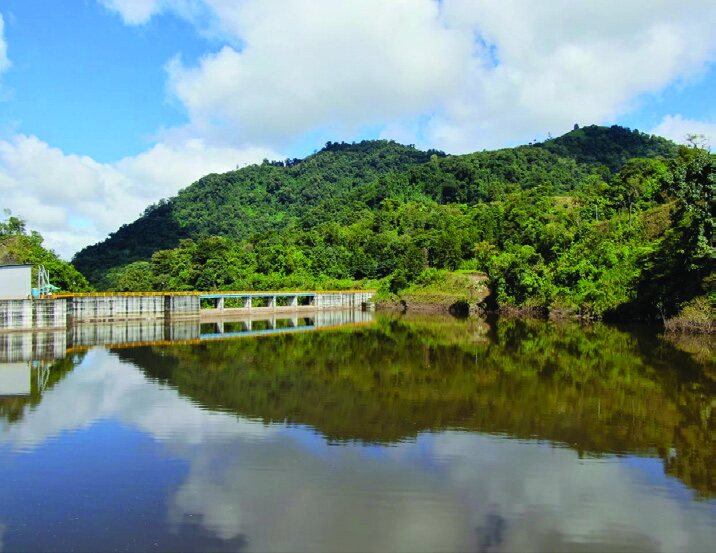
Panama already benefits from a relatively clean electricity matrix, heavily supported by hydroelectric generation. That legacy gives the country an important advantage: rather than building a renewable system from scratch, it can use hydropower as the foundation for a broader and more diversified portfolio.
The next phase is increasingly visible in the growth of solar generation and continued investment in wind and hydroelectric projects. Solar capacity has expanded rapidly in recent years, while Panama’s electricity procurement framework is bringing new renewable projects into the pipeline. The national energy information system now tracks hydro, solar and wind as distinct and increasingly consequential components of the generation mix.
This diversification matters beyond the headline numbers. Hydropower provides Panama with an established source of renewable electricity, while solar and wind can broaden the country’s resource base and reduce its exposure to the variability of any single source. The result is a more flexible energy system—and potentially a more resilient one.
For investors, that creates a compelling proposition: Panama can combine established renewable infrastructure with abundant solar resources and favorable conditions for wind, while strengthening the energy security of its broader economy.
For Panama, the renewable transition is therefore less about replacing one technology with another than about building on an existing strength. Water created the conditions for one of the world’s most important trade corridors; now, sunlight and wind are becoming complementary assets in the country’s energy strategy.
That evolution could position Panama as a distinctive example of how geography, infrastructure and energy policy intersect. As renewable technologies mature and investment expands, the opportunity is not simply to produce more clean electricity, but to create a diversified energy platform capable of supporting the Canal, industry and economic growth while managing the environmental constraints that make the country’s prosperity possible.