A Renewable Strategy with Balance
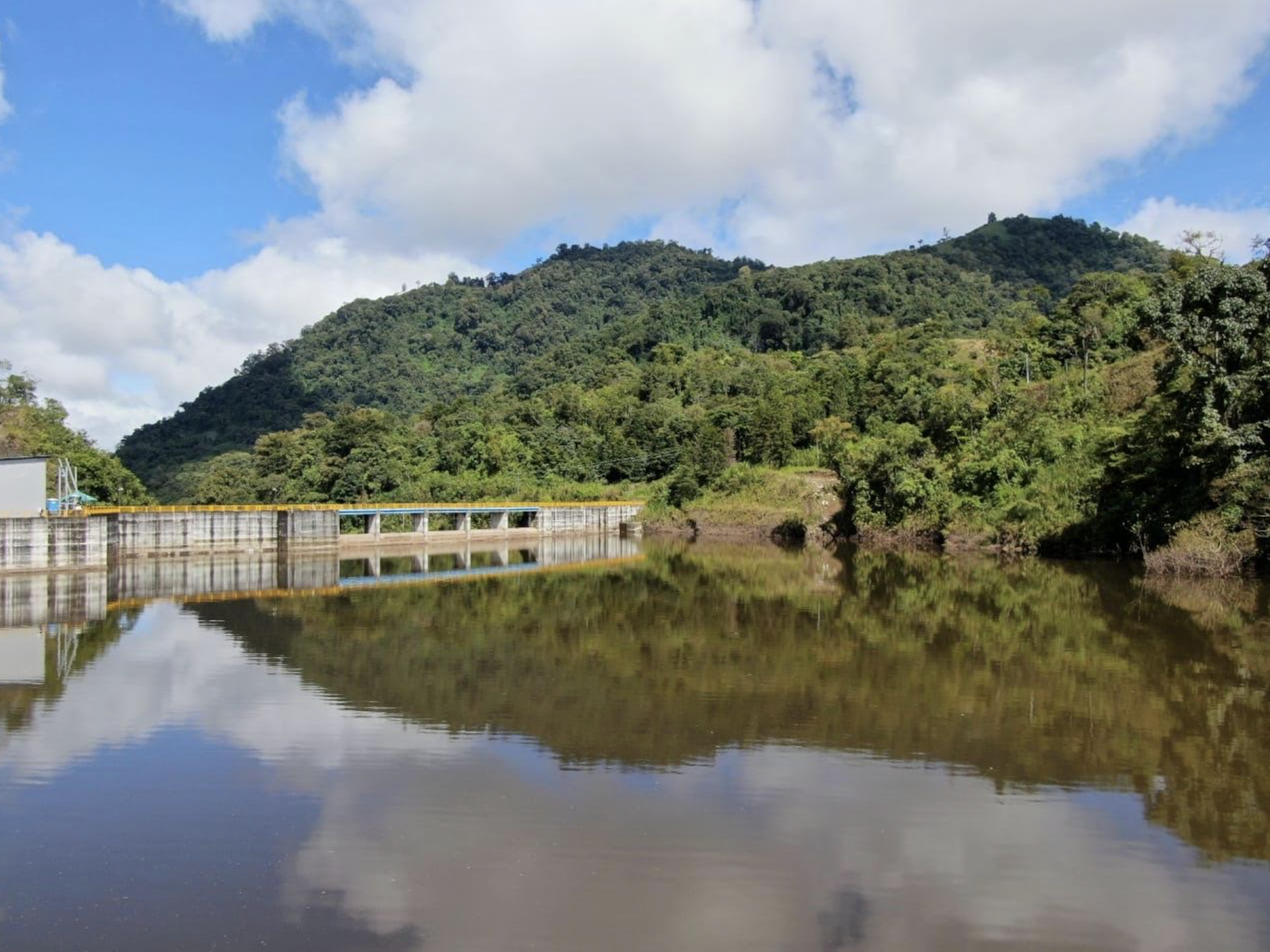
Panama’s natural conditions provide a strong foundation for renewable energy, particularly hydropower. EISA has leveraged this advantage while expanding into solar generation, building a portfolio that reflects both sustainability and diversification. “We believe in renewable energy,” said Cotes.
At the same time, the country’s energy matrix is designed with balance in mind, where renewable sources are complemented by natural gas to ensure reliability. From a system perspective, Panama has maintained a proactive approach to investment planning. “If investments are not made at the right time, development can be slowed,” he said.
A Competitive and Transparent Market
Panama’s energy sector has developed into a competitive and transparent market, supported by structured procurement processes and clear regulatory frameworks. “That guarantees competition, it guarantees investment, and it ensures the energy sector continues to grow,” said Cotes.
The strength of this environment lies in its predictability. “Energy investments are not made from one year to the next, they take three, four, five years depending on the technology,” he said.
Enabling the Next Wave of Demand
As global industries evolve, Panama is positioning itself to capture new sources of demand, including data centers. “Panama can become a data center hub,” said Cotes.
The country’s value proposition is built on location, connectivity, and infrastructure. “We can maximize opportunities for those who need energy and for those of us who can provide it,” he said.
Energy Ahead of Growth
One of Panama’s defining strengths is its ability to anticipate demand. “Generation has always been one step ahead of the economy in Panama,” said Cotes.
Reliable energy supply, combined with macroeconomic stability and a dollarized economy, enhances the country’s attractiveness. As global energy systems evolve, Panama is positioning itself to play a larger regional role.
For EISA, this opportunity lies not only in generating power, but in contributing to a broader transformation—where energy underpins growth and supports Panama’s development as a regional hub.