Panama: Host to the World
Moving beyond its role as a transit hub, Panama is redefining itself as a destination.
Caribbean Fuels Holding is advancing a multi-phase strategy that positions Panama not only as a logistics hub, but as a future center for fuel storage, distribution, and refining across the Americas.
For more than 15 years, Caribbean Fuels has operated within global fuel markets as a broker, securing access to primary supply sources and building relationships across international energy networks. That experience now underpins a decisive strategic shift: moving from intermediary to infrastructure owner.
This evolution reflects a deeper ambition, to control critical segments of the value chain and operate as a long-term energy platform. Direct access to refinery-level pricing has already enabled the company to compete effectively in regional markets. The next step is to anchor that capability in physical assets.
“We have built the expertise and access over time,” said company president Walber Castillo. “Now we are consolidating that position with infrastructure that allows us to operate at scale.”
Reclaiming Strategic Ground
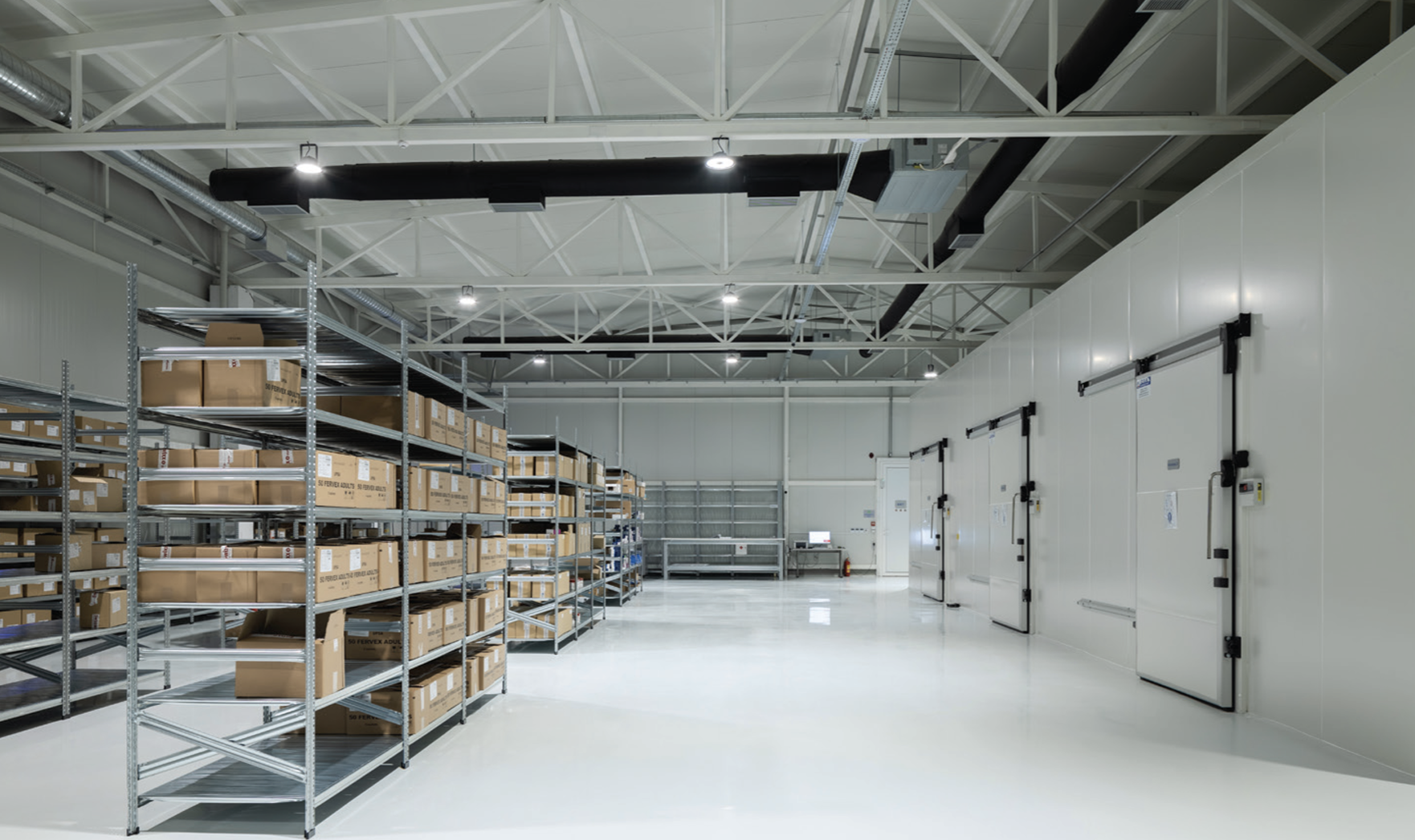
The first phase of that transformation is already underway in Gatún, within the Panama Canal zone. The site, spanning 109 hectares, had fallen into disrepair after years of abandonment. Caribbean Fuels is now restoring it as a modern storage and distribution terminal.
An initial $25 million investment is being deployed to rehabilitate damaged infrastructure, address environmental deterioration, and prepare the site for expansion. Once completed, the facility will increase its capacity from 1.2 million to 2.2 million barrels of fuel oil and diesel.
This is more than a storage upgrade. It establishes a strategic foothold in one of the most important logistics corridors in the world, enabling the company to import refined products, stabilize supply, and serve both domestic and regional demand.
At the same time, the project is designed to reactivate a historically underserved area. Job creation, technical training, and long-term employment pathways are embedded into the development model.
«This is about rebuilding an industrial ecosystem. The goal is to create lasting opportunities for the surrounding communities.» — WALBER CASTILLO
“This is about rebuilding an industrial ecosystem,” Castillo noted. “The goal is to create lasting opportunities for the surrounding communities.”
Building Toward Industrial Scale
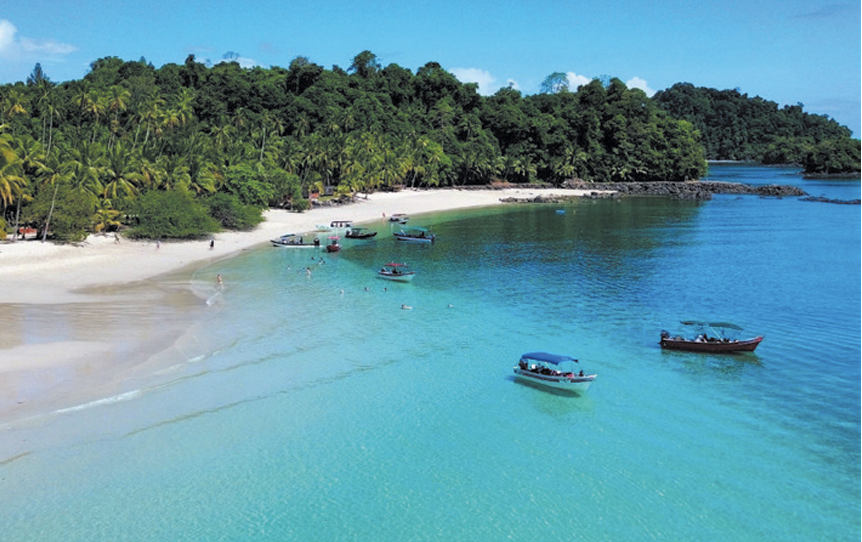
Beyond storage, the company is preparing for a significantly larger step: the development of a refinery complex in Portobelo, specifically in María Chiquita. This second phase will redefine both the company’s role and Panama’s position in the regional energy landscape.
The planned facility will begin with a capacity of 250,000 barrels per day, with modular expansion capabilities. The project includes an integrated port, storage infrastructure for crude and refined products, and an ethanol plant aligned with national fuel standards.
Construction is expected to begin within the next six to eight months, with a development timeline of five to eight years.
«We have built the expertise and access over time. Now we are consolidating that position with infrastructure that allows us to operate at scale.» — WALBER CASTILLO
“Our vision goes beyond storage,” said company vice president Ramón Martinelli. “We are building the capacity to produce, supply, and compete at a regional and global level.”
Once operational, the refinery will far exceed domestic demand. Internal projections indicate that less than 10% of output will be absorbed locally, positioning the majority for export.
Capturing Regional Flow
Panama’s geography remains central to the company’s strategy. As a transit point for global maritime trade, the Panama Canal generates constant demand for marine fuel. Yet the bunkering segment remains underdeveloped relative to its potential.
Caribbean Fuels is targeting this gap. By combining storage capacity with direct product sourcing, the company aims to supply vessels transiting the canal with competitively priced fuel, restoring a service that has weakened over time.
“The objective is to bring reliability and pricing efficiency back into that market,” Castillo said.
Expansion plans extend beyond Panama. The company is in advanced discussions to establish operations in the Dominican Republic, targeting a high-traffic cruise and shipping market that currently lacks sufficient fuel supply infrastructure.
With ports receiving multiple cruise ships per week and no dedicated fueling provider, the opportunity is clear. From its Panamanian base, Caribbean Fuels aims to extend its distribution network across the Caribbean basin.
Positioned for Global Demand
The company’s long-term outlook is closely tied to global energy dynamics. Supply disruptions, refining constraints, and geopolitical tensions are reshaping fuel markets, reinforcing the need for new production and distribution centers.
Within this context, proximity to the United States becomes a defining advantage. Market studies conducted ahead of the refinery project already identified the U.S. as the primary destination for exports. As demand for refined products continues to rise, Panama’s location—combined with new infrastructure—positions it as a natural supplier. “There is a clear gap in the market, and the demand is not going away,” Martinelli said. “We are building to meet that demand.”
Strengthening the Investment Platform
The company’s expansion aligns with broader shifts in Panama’s economic positioning. With a dollarized economy, legal stability, and a strategic logistics network, the country continues to attract regional and international capital.
Recent association with Mercosur further enhances its appeal, opening new channels for trade and investment. Companies from across Latin America are increasingly using Panama as a base for operations, drawn by its fiscal advantages and institutional reliability.
For Caribbean Fuels, this environment provides both a foundation and a multiplier effect, supporting its growth while reinforcing Panama’s role as a regional hub.
Expanding Into the Energy Transition
While hydrocarbons remain central to its strategy, the company is also preparing for the long-term evolution of the energy sector. With over 1,200 hectares available in Portobelo, not all land will be used for refining operations.