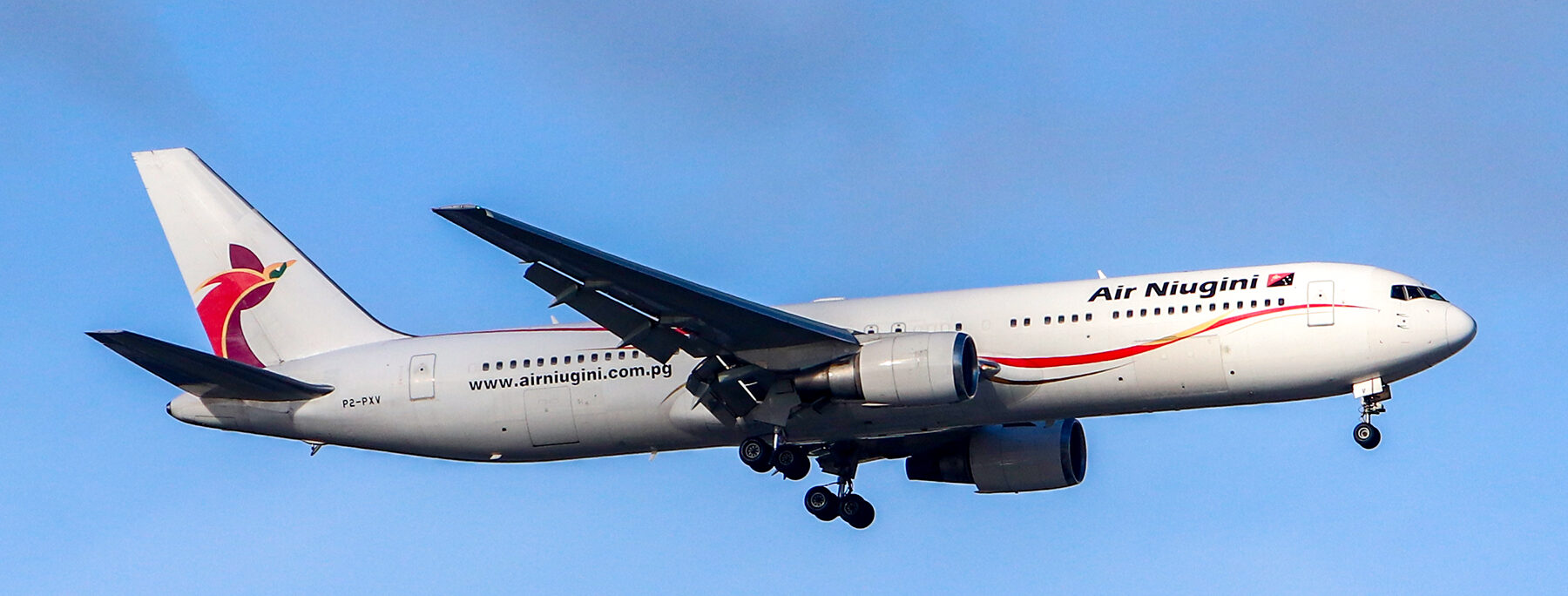
Momentum arrived with a visible signal: a new Airbus A220-300, delivered at the end of last year and timed to land in Port Moresby for the country’s September 16 independence milestone, carrying a livery that wrapped the national flag across the tail. For a carrier that predates the nation by two years, the message is deliberate: the next phase is about confidence, reliability, and a more intentional “ambassador” role.
The transformation starts with fleet renewal—replacing aging aircraft that, in the airline’s view, have driven customer frustration around domestic punctuality. The plan blends leasing and purchase. The first three A220-300s are leased, while additional aircraft from 2027 onward are being financed through export-credit and development partners, including Export Finance Australia and the Asian Development Bank.
“The strategy is focused on operational discipline,” said Captain Samiu Taufa MBE, Officer in Charge and Acting CEO of the company, “more of the same, but better.” To ensure the product matches the hardware, Air Niugini is also running a structured, two-year programme intended to lift the airline from a Skytrax three-star rating to four-star—covering frontline training, uniforms, service standards, and consistency.
The A220 bet is also geographic. With the range to fly six to seven hours while remaining right-sized for thin regional demand, the aircraft is meant to link Asia and the Pacific through Port Moresby—reducing the need for travellers to backtrack via Australia for intra-Pacific journeys. The airline describes the network ambition as “spokes on both sides of the wheel,” linking markets that may be small point-to-point, but powerful when connected.
The brand proposition leans on a service identity that is meant to feel distinctly national. “When people step on our aircraft, we want them to feel like they’re already in PNG,” said David Glover, Chief Commercial Officer, positioning “Melanesian hospitality” as a differentiator that can surprise first-time visitors in a positive way.
Over time, the strategic logic extends beyond tourism. Papua New Guinea’s core economic activity—from resources to major projects spread across the country—depends on mobility, and a more reliable domestic network supports that movement. A modern fleet, higher aircraft utilisation, and stronger international partnerships are intended to reinforce each other, turning connectivity into national capability.