
Operetec turns 30 in 2026. How did the company originate, and what were the most defining moments in its trajectory?
Operatec was founded by two individuals: Terry Ray, an American who has lived in Angola since 1972, and Hélder Cirilo, an Angolan. They identified a clear gap—importing heavy machinery from the United States, selling it locally, and ensuring proper maintenance at a time when Angola lacked specialized technicians. That marked the company’s first phase as “Operatec Máquinas e Representações.”
For nearly a decade, the focus remained on machinery import and maintenance. Later, the company shifted toward industrial consulting, especially as local content policies began shaping the oil and gas sector. Eventually, Operatec faced a severe crisis and went bankrupt.
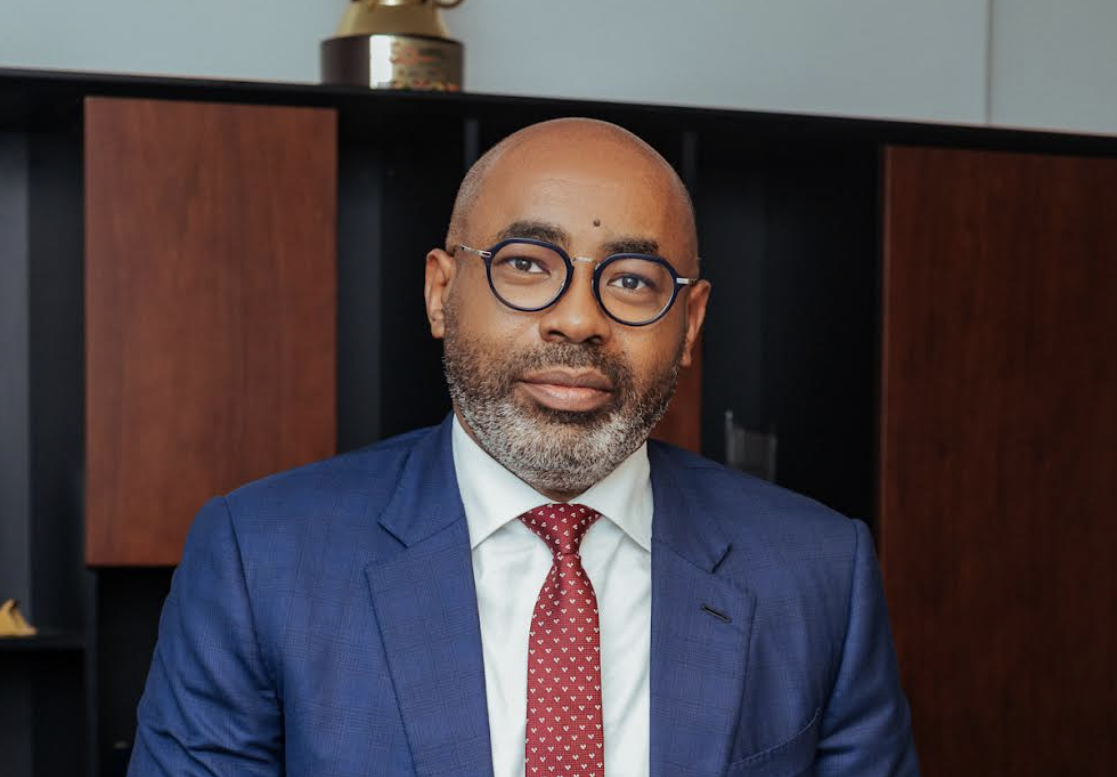
In 2016, I was invited by Terry Ray to join as a partner and lead the restructuring. Many saw it as madness—leaving a multinational for a bankrupt company—but I trusted the people and accepted the challenge. Within three months we completed a full restructuring and participated in our first Chevron tender for manpower supply. Winning that tender was the turning point that relaunched Operatec.
Major operators often bring their own teams and foreign suppliers for complex projects. What enabled Operatec to gain their trust and meet such demanding standards?
The energy industry is extremely demanding: it requires highly qualified human capital, advanced technology, and minimal room for error. To integrate into that ecosystem, Operatec had to invest constantly in innovation and professional training.
That commitment began at the leadership level. I completed an executive program at Harvard, and several of our managers also trained at Harvard or other international institutions. Combined with the rigorous expectations of clients like Chevron, TotalEnergies, and Exxon, this pushed us to implement management systems, quality standards, and best practices aligned with global requirements. Their internal audits and high standards have been instrumental in our growth.
What examples illustrate Operatec’s evolution, both in services and internal innovation?
A major shift was moving from a manpower-focused company to one capable of delivering underwater maintenance, repair, and inspection—from shallow-water diving to saturation diving—with modern equipment and internationally certified divers.
Another significant achievement is our Training Academy. Recognizing Angola’s shortage of qualified labor, we invested directly in training: equipping modern workshops, simulators, VR tools, and creating a six-month program for recent graduates. We recruit 12 to 16 young people per cycle, train them internally, and pay them while they learn. Some stay on to work in internal projects; others continue their careers with valuable new skills. It is a fully self-funded investment by Operatec.
We have also expanded into VR simulation technologies, supported by companies like TotalEnergies, to keep pace with accelerating technological change.
The energy transition and the decline in fossil-fuel investment have affected Angola’s sector. How has this impacted Operatec, and what opportunities do you see in this context?
The industry is undergoing a profound redefinition. With reduced investment in fossil fuels, service providers feel the impact directly. Until 2017, Operatec generated close to USD 80 million annually; today we operate between USD 45 and 50 million. Moreover, country-level challenges, particularly limited access to foreign currency, affect our ability to purchase equipment and pay international suppliers.
Still, where there are difficulties, there are also opportunities. New ones appear almost weekly. The major obstacle is access to financing. Even companies with strong track records face very strict guarantee requirements from local banks.
For that reason, we have grown by reinvesting our own funds and focusing on segments where demand remains strong: specialized maintenance, industrial safety, technical training, and support services.
Operatec is expanding regionally. What is your strategic vision for the coming years, and how do technology, AI, and training fit into that vision?
We no longer work with five-year plans, the world is too dynamic. We now plan in three-year cycles, reviewed every six months. Our main priority is to continue investing in technology—simulators, VR, and tools that incorporate AI—while training people to operate those technologies. That is the real challenge: innovation moves fast, and we must keep pace.
We have already opened a training center in Walvis Bay, Namibia, which began operating in April. After consolidating our presence there, the next step is Mozambique, where we have completed a market study. We plan to expand industrial training and introduce H2S safety services, supported by newly acquired, more advanced equipment.
Our strategy rests on a simple principle: innovation, training, and continuous reinvestment—allowing us to grow as an Angolan group with the capabilities to compete regionally.