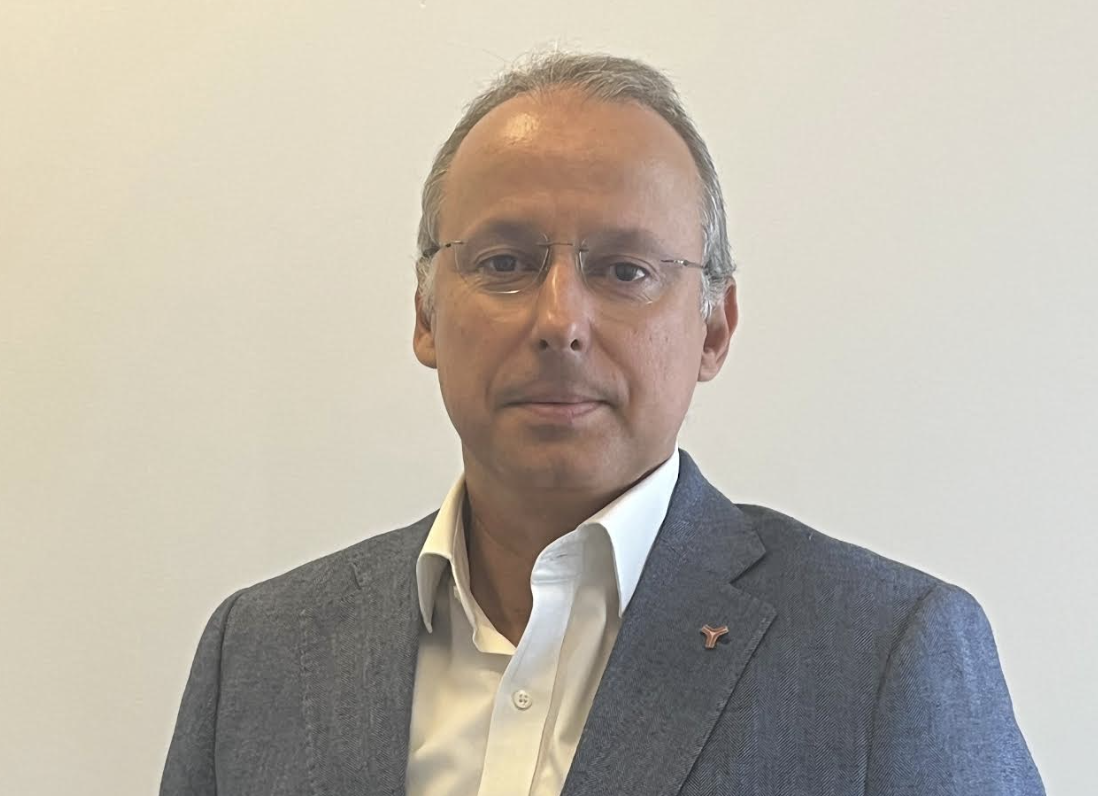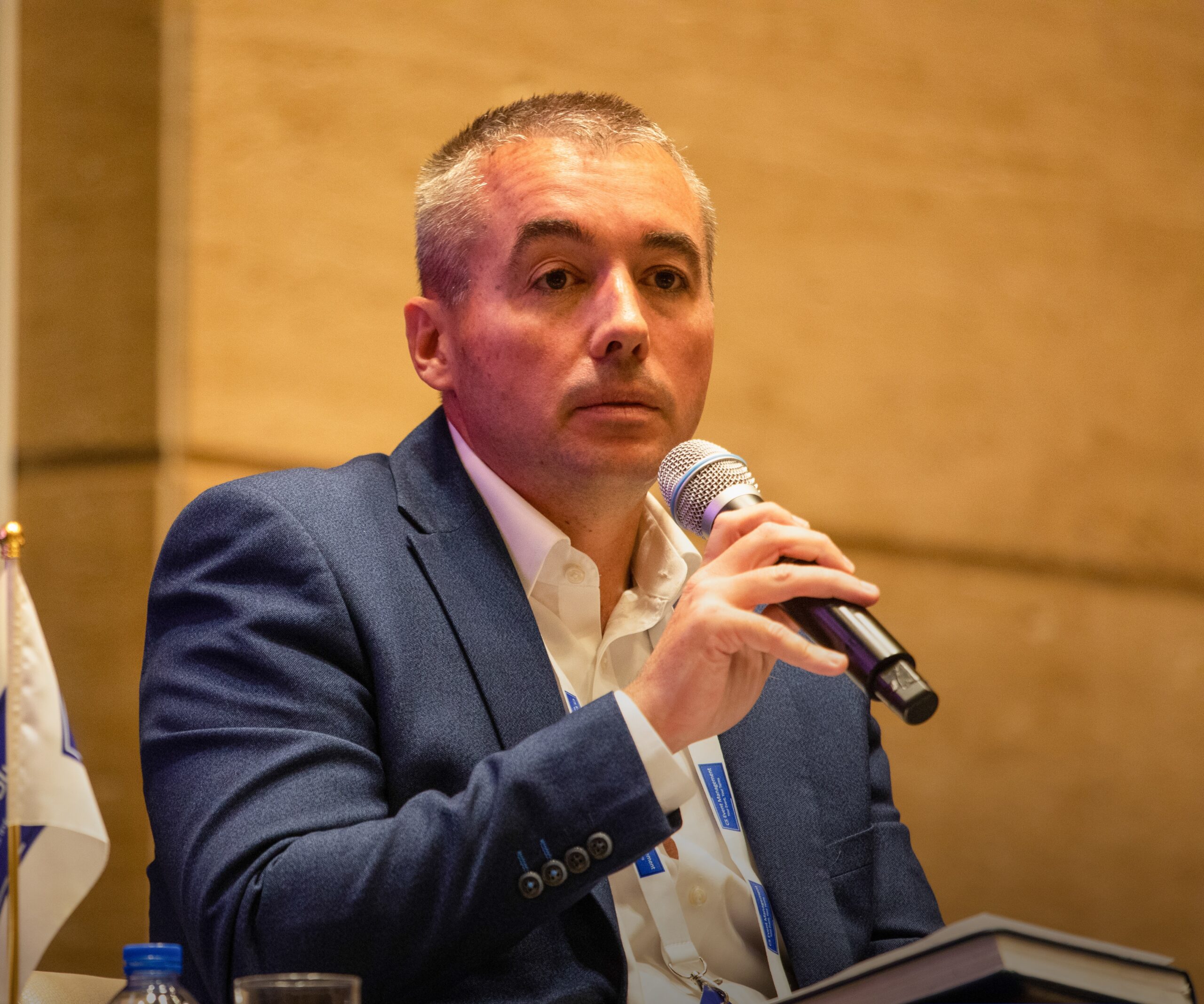

What first brought you to Saipan and into the leadership of Tano Group, and how has the experience been since taking over?
Tano Group has spent more than three decades supporting the oil and gas sector across Micronesia, building major fuel-service infrastructure for companies such as ExxonMobil and Shell. When I joined, the company was already active in places like Diego Garcia and Saipan, with growing opportunities linked to the military buildup in Tinian. My first two years were essentially a crash course in military contracting, guided closely by one of Tano’s founders, Bob Bracken, who has since passed away.
A defining moment for me was completing a locally built platform barge that Bob had envisioned to prove what could be achieved even in austere conditions. After he passed, the team and I pushed to finish it in his honor. Using sheet metal from Korea and recycled materials from the island, we built and launched the barge without a boatyard, using simple rollers and large tractors. Completed in six months, it is now working in Tinian on geotechnical drilling, able to operate in very shallow waters without damaging coral. That project represents what Tano stands for—resourcefulness, craftsmanship, and local capability.
How is Tano Group closing the year 2025, and what does the future look like for your operations?
This year’s performance has remained steady, largely consistent with last year. The barge represented a significant capital investment, but it paid off almost immediately: within two weeks of completion, it was rented and fully operational, which was a major win for us. Work in Tinian is also accelerating again, which signals a busy future ahead.
Our main focus now is scalability. As a local island business, we face a very different landscape than large off-island contractors that can deploy resources quickly. To grow responsibly, we’re building a stronger internal foundation rather than taking on contracts beyond our capacity. Encouragingly, large defense contractors are supporting this process. They understand the constraints small businesses face and have been helping us build internal capacity by assigning appropriately sized projects. That collaboration creates a sustainable path for us to scale and participate more fully in the regional buildup. Looking into next year, we expect activity to increase, and we intend to meet that demand with a more capable, better-structured team.
Workforce shortages are a major challenge in Micronesia. How do you view the issue, and how is Tano expanding its workforce for future demand?
From my perspective, the real issue is not a lack of manpower—it is the lack of proper compensation. Federal service contracts require wages aligned with the Davis-Bacon Act and prevailing wage studies from the U.S. Department of Labor. Yet the wage scale published for the CNMI on January 1, 2025 listed only $7.50 an hour across all labor classes, even though prevailing wage data shows much higher rates. That inconsistency makes it impossible to attract or retain skilled labor locally.
When federal contractors take a portion of the authorized wage as profit, subcontractors receive reduced rates, and workers receive far below what is appropriate for their skill level. In trades like welding or pipe-fitting—where precision is critical and safety risks are high—this creates a damaging cycle. Young local technicians train with us, gain experience, then leave for Guam where wages are higher. Without competitive pay, we cannot build long-term local talent pipelines.
The model that works is exemplified by IBEW, which has trained generations of indigenous electricians through structured step-grade pay and ongoing apprenticeship. True workforce development requires early tracking, real trade education—starting as young as 13, as done in vocational systems in places like Massachusetts—and a wage structure that values trades as skilled, respected professions. Until pay reflects that reality, retention will remain the core challenge.
What role should Tano Group be recognized for in the CNMI’s development, and how do you see the islands’ future workforce evolving?
Tano’s founders believed deeply in supporting local growth, and over the years many islanders trained with us have moved on to higher-paying roles across the region. In that sense, we have become an informal training ground—what I often compare to the shallow pools in Palau where young fish and sharks develop before heading into the wider ocean. Saipan holds that same potential today.
With the federal buildup, there is a remarkable opportunity to educate and empower local youth, building a strong middle class anchored in well-paid technical professions. Two decades ago, the CNMI had almost no indigenous representation in skilled trades; today, after restrictions on cheap labor inflows, wages have risen and a healthier middle class has emerged. To strengthen that progress, the islands need sustained investment in people: quality education, trade pathways, and wages that reward commitment.
At Tano, we retain interns, train young talent, and pay well above local norms. If given the proper contract conditions, we would pay even more. The focus should not be on importing labor but on building, keeping, and attracting talent. For the CNMI, the next 20 years can be transformative if policy, education, and industry work together to reaffirm the value of the trades and create clear, dignified pathways into high-skill careers.