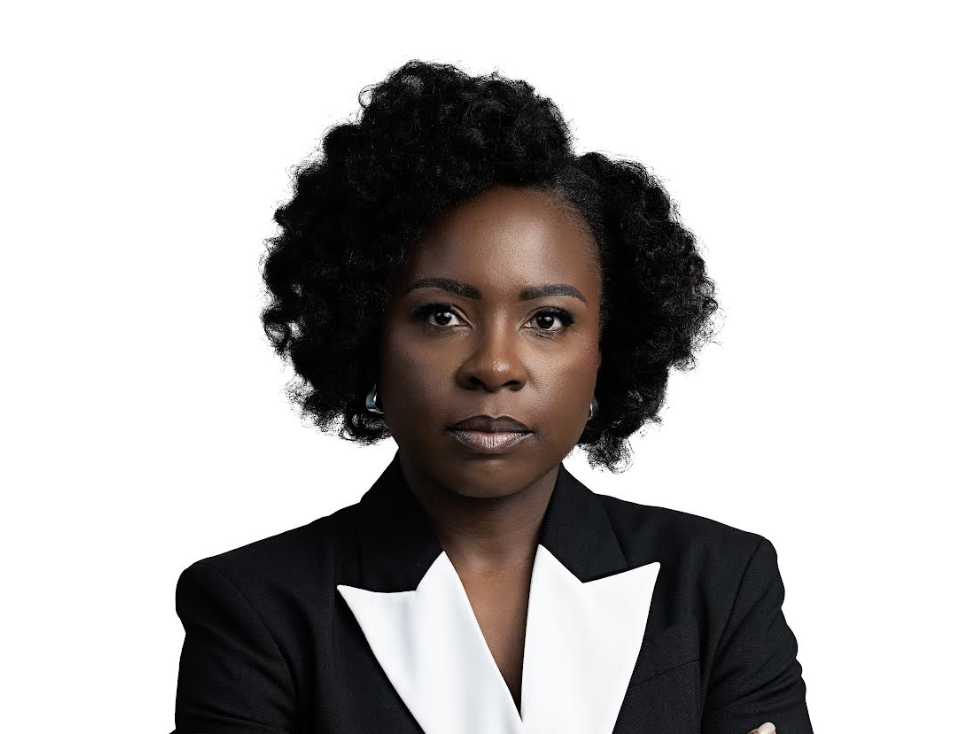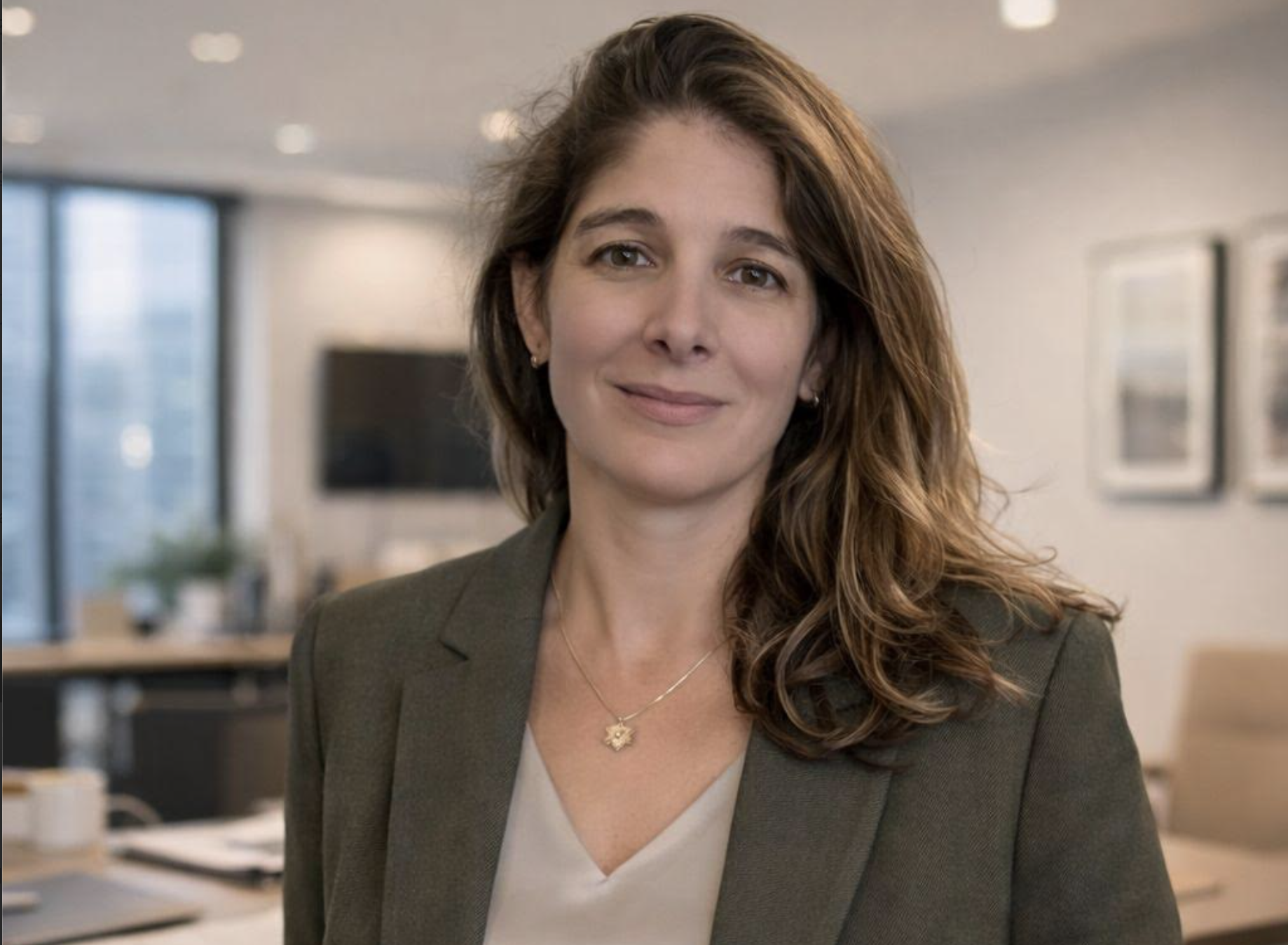

Madame Deputy, as an elected representative of Martinique, you have a global vision of the island’s challenges. What is your assessment of the economic situation and your priorities for the coming years?
We need to develop a more endogenous economy that better integrates with our regional environment: the Caribbean, North and South America. One of the major challenges remains demographics. We must create the conditions for young people, who often leave to study in mainland France or Canada, to want to return. This is not just about jobs, but also about quality of life: housing, transport, public services, early childhood care.
We must also strengthen our educational offerings. I advocate for university partnerships with our neighbors, such as the universities of the U.S. Virgin Islands or the University of the West Indies. Why shouldn’t a young person from Martinique be able to pursue a degree in English or Spanish, right here in their own region? This would also be a way for France to extend its influence through its overseas territories.
Finally, I insist on the importance of language learning. In an environment where English and Spanish are spoken just a few kilometers away, it makes sense that every young person in Martinique should be multilingual by age 15. This is the key to integration into CARICOM and a considerable economic asset.
You also mention the need to adapt standards. Why?
Given our distance from mainland France and Europe—on which we are legally dependent—we must now be able to trade with our neighbors on the basis of shared standards: food safety, environmental norms, health regulations. Recognition of a “Caribbean standard” would facilitate trade and expand our market reach. It’s a strategic issue: the more we can trade nearby, the less dependent we will be on imports from 8,000 kilometers away, and the less economically captive we will become.
You have often denounced the high cost of transport in the region.
The State finances interregional transport in mainland France through the SNCF. It is time for it to also support interregional mobility in our territories. Today, a round-trip ticket between Martinique and Guadeloupe, or Martinique and French Guiana, costs almost as much as a flight to mainland France. That is absurd. We are also captive to airline competition that is often illusory, sometimes even marked by price-fixing agreements already condemned by the courts. The State must step in, notably by regulating prices and controlling “yield management.” Regional mobility is a condition for development, but also for cultural and human exchange.
Martinique is known for its biodiversity. What are your environmental priorities?
We already have regulatory tools, but controls remain insufficient. Wastewater treatment is urgent: our wastewater still pollutes too much. Similarly, the management of end-of-life vehicles and regulation of boating must be strengthened. Unregulated anchoring is destroying our seagrass beds, which are essential to the balance of marine biodiversity.
We must also act on prevention, for example by certifying sunscreens that are not harmful to marine waters. But beyond regulations, awareness is crucial, starting at a very young age. Our children must become ambassadors of their island, learning to love and protect their environment as much as they love their screens.
How can the relationship between Martinique and mainland France be improved?
I’m not talking about strengthening but about improving this relationship. It already exists, sometimes in an overly centralized, Jacobin manner. Take education for example: our students should be able to learn Creole, Caribbean history and culture, or understand the political and economic systems of our neighbors. This would also be a way to strengthen French influence in the region.
We must also end the system in which civil servants from mainland France come for three or four years and then leave without having had the time to truly understand the territory. We need to encourage longer-term commitments, creating deeper connections. Loving Martinique takes time, but those who do often end up returning.
You are working on a bill against sickle cell disease. Can you tell us more?
Sickle cell disease is the most common rare disease in France. It mainly affects populations of African descent, who are strongly represented in our territories. The patient care pathway remains far too chaotic: late diagnoses, inadequate care, underestimated pain.
Together with my fellow deputies, we will be submitting a bill to improve systematic screening from birth, strengthen patient care, integrate knowledge of the disease into medical training, and support research. Solutions exist, but they are still expensive and not widely accessible. It is urgent to provide patients with dignified and effective support.
You were re-elected in 2024 with 54.5% of the vote. What are you most proud of in your career?
Keeping the promise I made to my parents: to do better than them. I was born in Seine-Saint-Denis, into a family of demanding civil servants. I grew up with the conviction that one must fight with sincerity and determination. My greatest pride is having met those challenges and knowing that my parents are proud of me.
Finally, what message would you like to share with our readers?
Come to Martinique. You will always be welcome here. It is a land rich in culture, biodiversity, and hospitality. A land that has much to offer and deserves to be fully recognized for its place in the world.