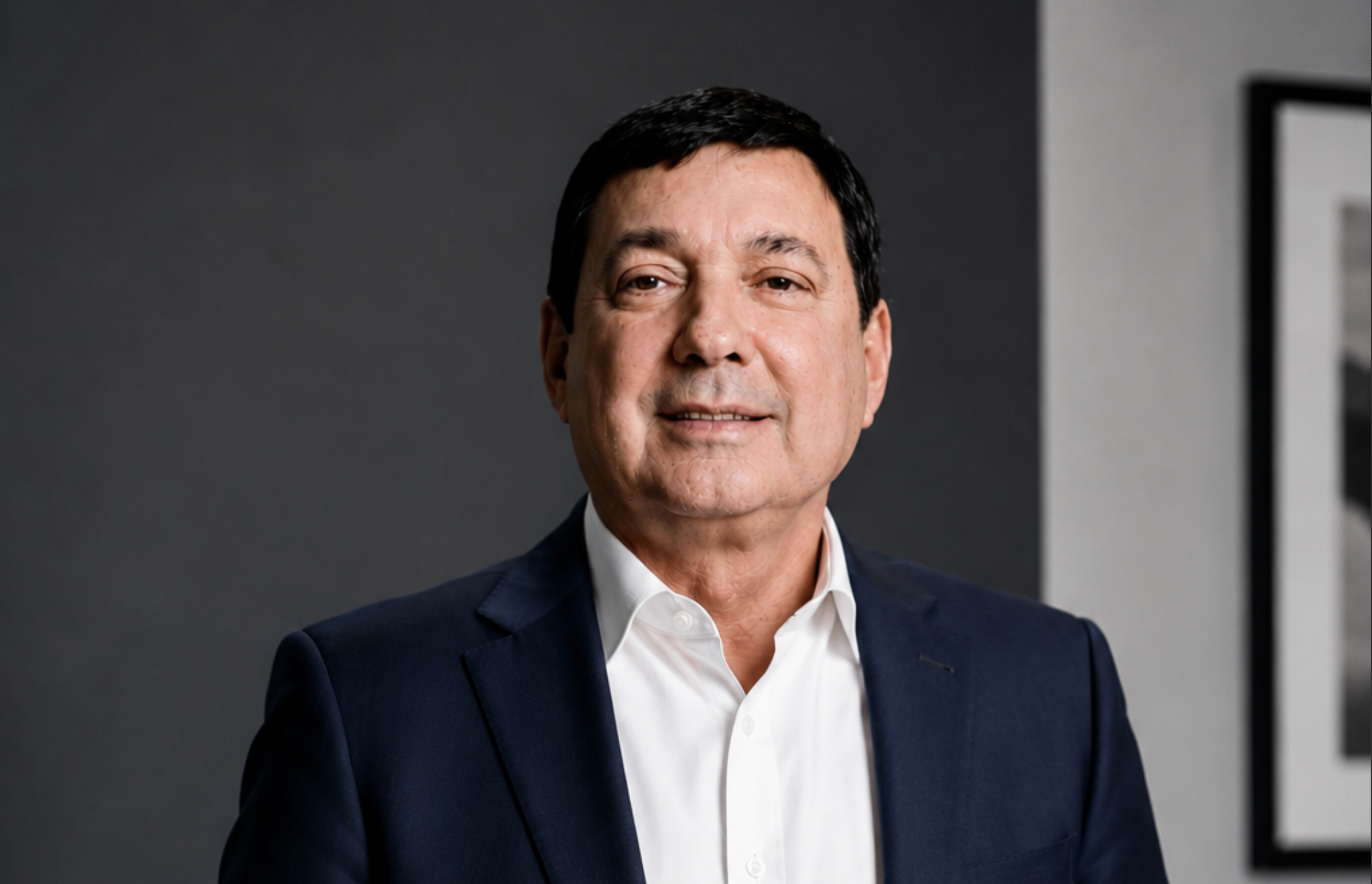

As President of the Martinique Tourism Committee, how do you assess the island’s economic situation?
Martinique is a territory with great potential. Our challenge is to identify the levers that can boost it, and tourism is one of them. For example, the hotel offering is an area we need to develop further. Tourism is a transversal sector that allows us to showcase our assets: not only our beaches and landscapes, but also our culture, our history and our identity. By joining forces, we can improve the island’s economic and social situation for the benefit of its population.
What are the main assets that make Martinique a unique destination?
Its unspoiled natural beauty is obvious, starting with its beaches. But our goal is to show that Martinique offers much more: a wide variety of experiences. Our coastline, for instance, displays striking contrasts between the Caribbean Sea and the Atlantic Ocean, between the north and the south.
Added to this is the warmth of our welcome, our vibrant culture, our history, and our lush nature, with treasures such as Mount Pelée. We want visitors to understand and fully immerse themselves in the Martinican way of life.
The Martinique Carnival is emblematic. What makes it so special?
It’s a unique event. It lasts five days, from Carnival Saturday to Ash Wednesday, with a different theme each day. It’s an intense experience, open to everyone. Visitors can simply watch or take part, joining the groups and experiencing a moment of total freedom – but with very precise codes.
It’s not just a “spontaneous expression” but a historical tradition dating back to when Saint-Pierre was the capital. More than a celebration, Carnival is a social and cultural mirror – a moment to break free without judgment. That’s why we say everyone should experience a Martinican Carnival at least once.
Besides Carnival, what other events stand out on the cultural calendar?
There are many. The Tour de Martinique des Yoles Rondes, for example, is a traditional sailing race listed as UNESCO intangible heritage. For a week, these boats circle the island, offering a unique spectacle at sea and on land.
We also have the Antillean Christmas, deeply rooted in family traditions, with its “Chanté Nwèl” carols, distinctive gastronomy and values of sharing. More broadly, Martinique is a land of festivals – music, sport, gastronomy. The Bacca Festival and Reggae Therapy are two examples attracting audiences in search of festive, safe and high-quality experiences.
What are your projects and ambitions for the future of tourism in Martinique?
We want to develop a tourism offer that is high-quality, responsible and beneficial to all. Responsible not only environmentally but also socially – maintaining a balance between the quality of life of Martinicans and the tourist experience. This is what we call “Martiniquality.”
We are working to reduce seasonality by showing that Martinique is attractive all year round. We are also investing in leisure tourism and business tourism. Moreover, we have created the territorial brand “M La Martinique,” which strengthens our identity internationally.
Regarding markets, we are diversifying our source markets to avoid relying solely on mainland France. We have opened connections to Canada – Montreal, Toronto and soon Quebec City. We are also strengthening our presence in South America, the Caribbean and Europe. Air connectivity is essential: without it, there is no tourism development.
Sustainability is a key issue for tourism. What actions have you implemented?
We have launched an action plan to move towards a sustainable destination, based on studies and a roadmap that involve the entire ecosystem. We offer support to businesses wishing to engage in ecological transition and work with event organizers to reduce their carbon footprint. A sustainable destination is not just about eco-friendly hotels – the entire economic fabric must be mobilized.
Who are your main partners in this mission?
Our primary partner is the Territorial Collectivity of Martinique, which gives us our mandate for tourism. We also work with industry professionals, airlines, tour operators, ports and organizations such as Atout France, which supports our actions abroad.
We take part in major trade shows like Top Resa or Seatrade to strengthen our partnerships with cruise operators and airlines. Furthermore, we support local innovation with the “Martinique Innovation Tourism” program, which has funded creative projects related to tourism.
Martinique has recently received UNESCO recognitions. How important are they?
They bring above all visibility and protection. Mount Pelée, for example, is our signature: majestic, different depending on the route taken, symbol of our natural diversity. We invite visitors to explore these riches and discover the island in all its depth.
You’ve had careers in banking, politics and now tourism. What are you most proud of?
Of having managed to combine all these experiences in the service of Martinique. My political commitment is temporary, but I exercise it with passion and humility. It’s not about my successes but about those of my island.
What message would you like to send to readers considering a trip to Martinique?
That they are absolutely right! We invite them to discover an island open 365 days a year – authentic, safe and welcoming. They should feel free to explore Martinique spontaneously: from its beaches to its gastronomy, from its festivals to its hiking trails.
Martinique is also about meeting its people – warm, authentic and eager to share their love of the island. It’s not just a destination: it’s an experience to be lived with all five senses.