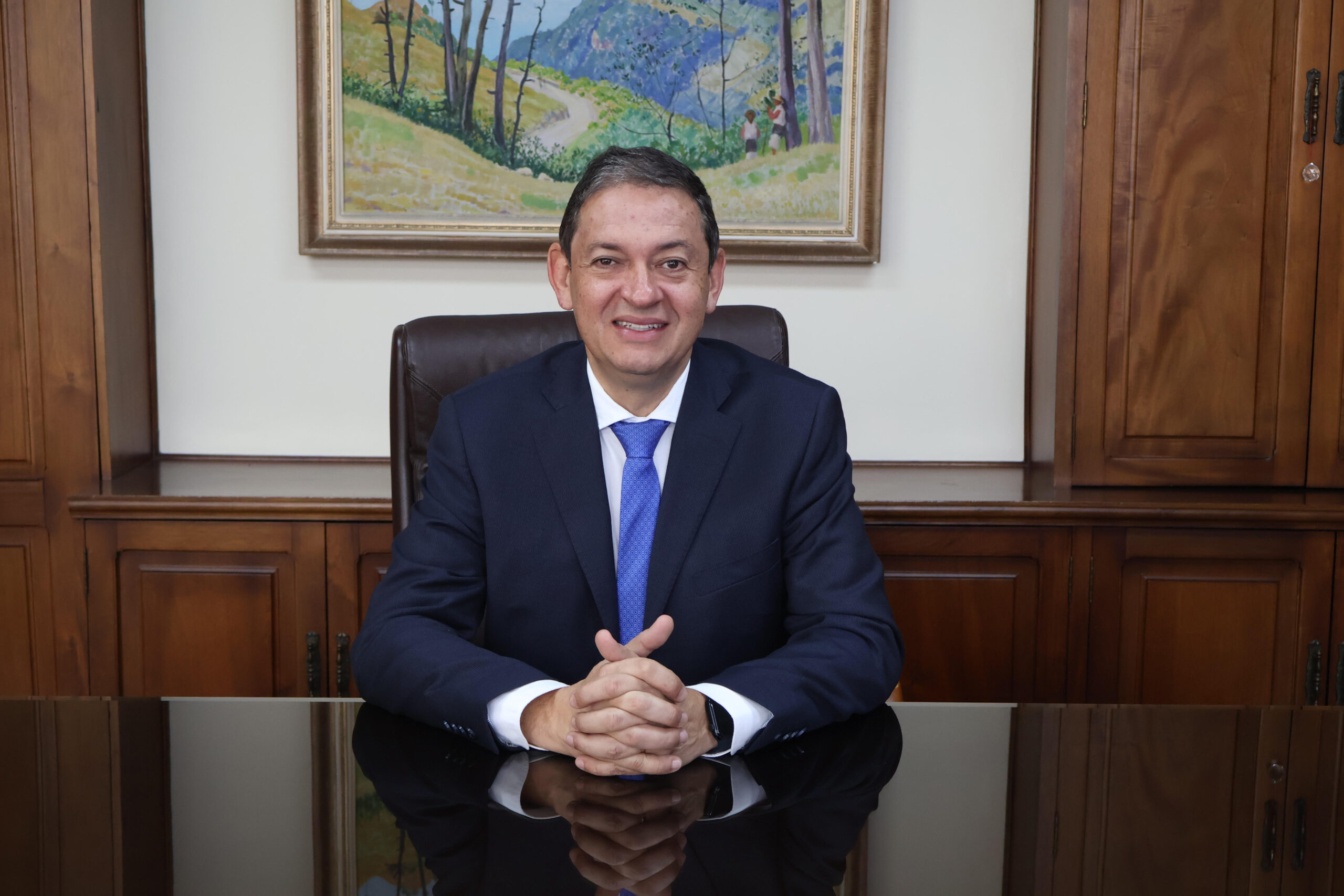

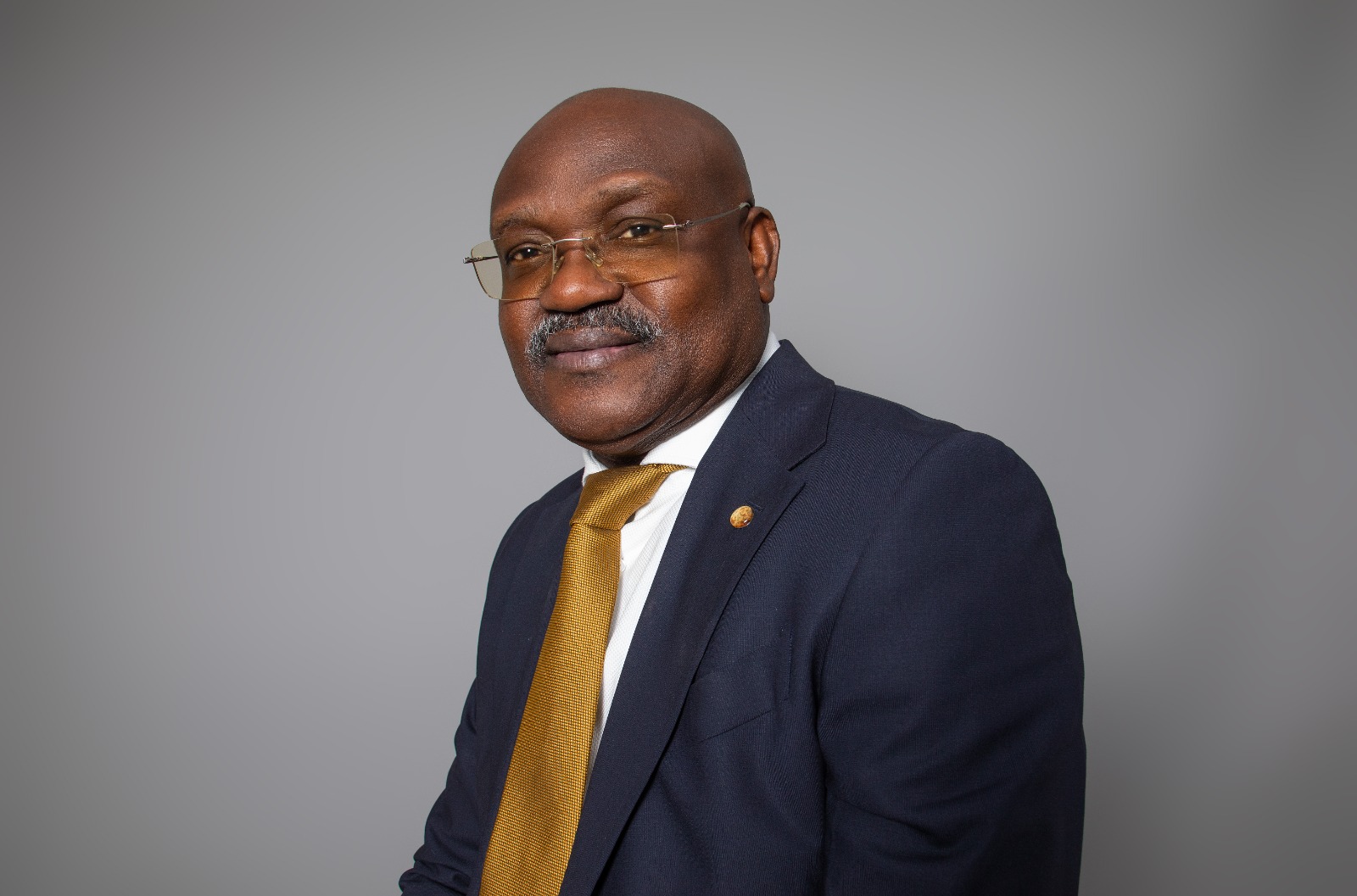
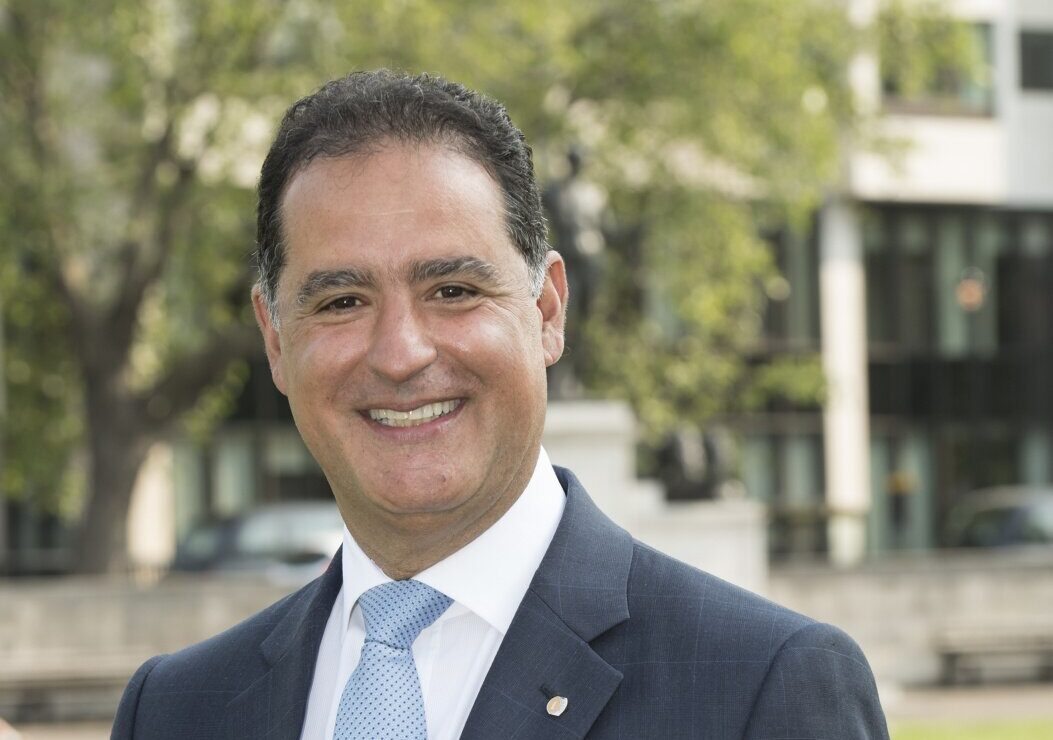
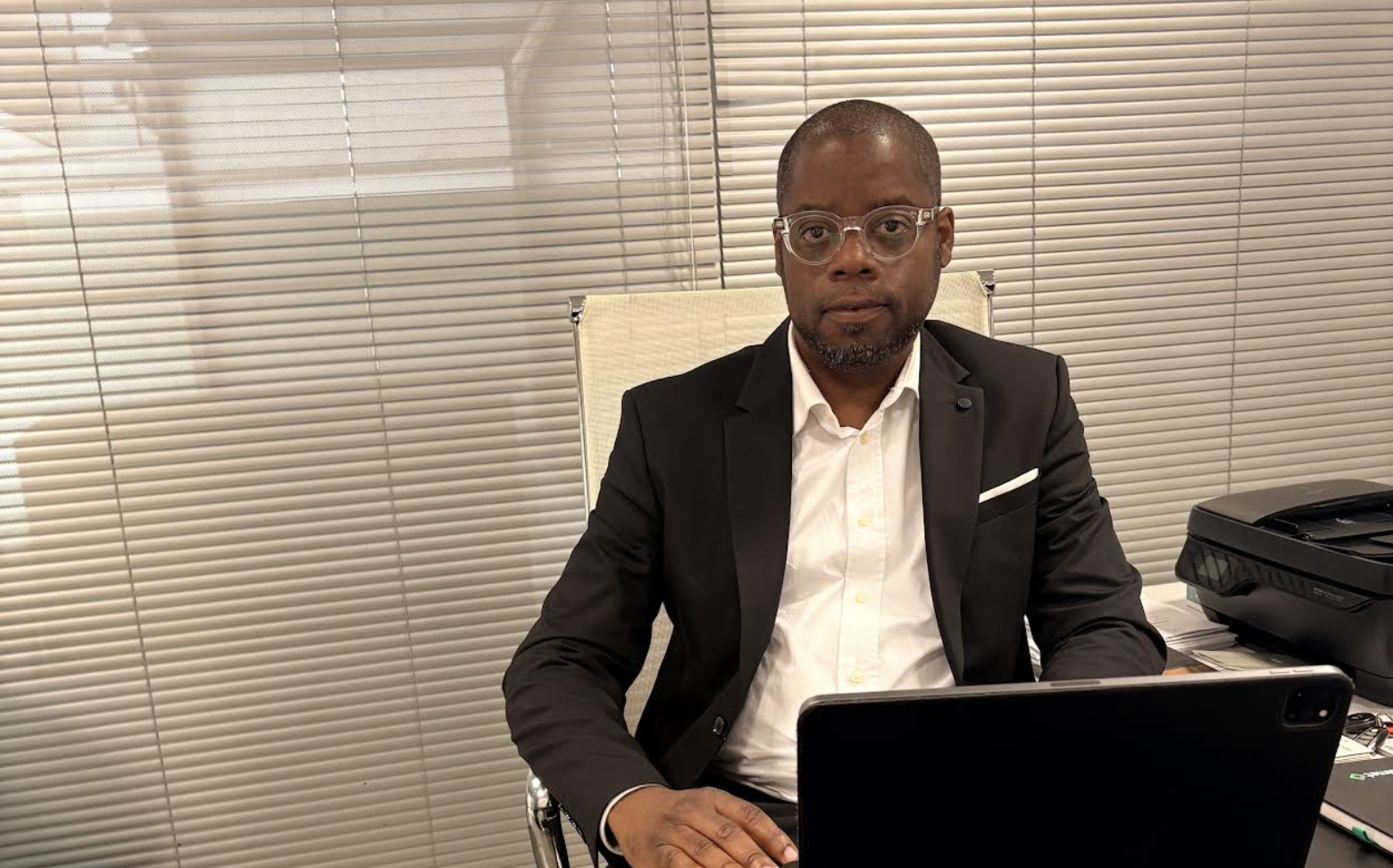
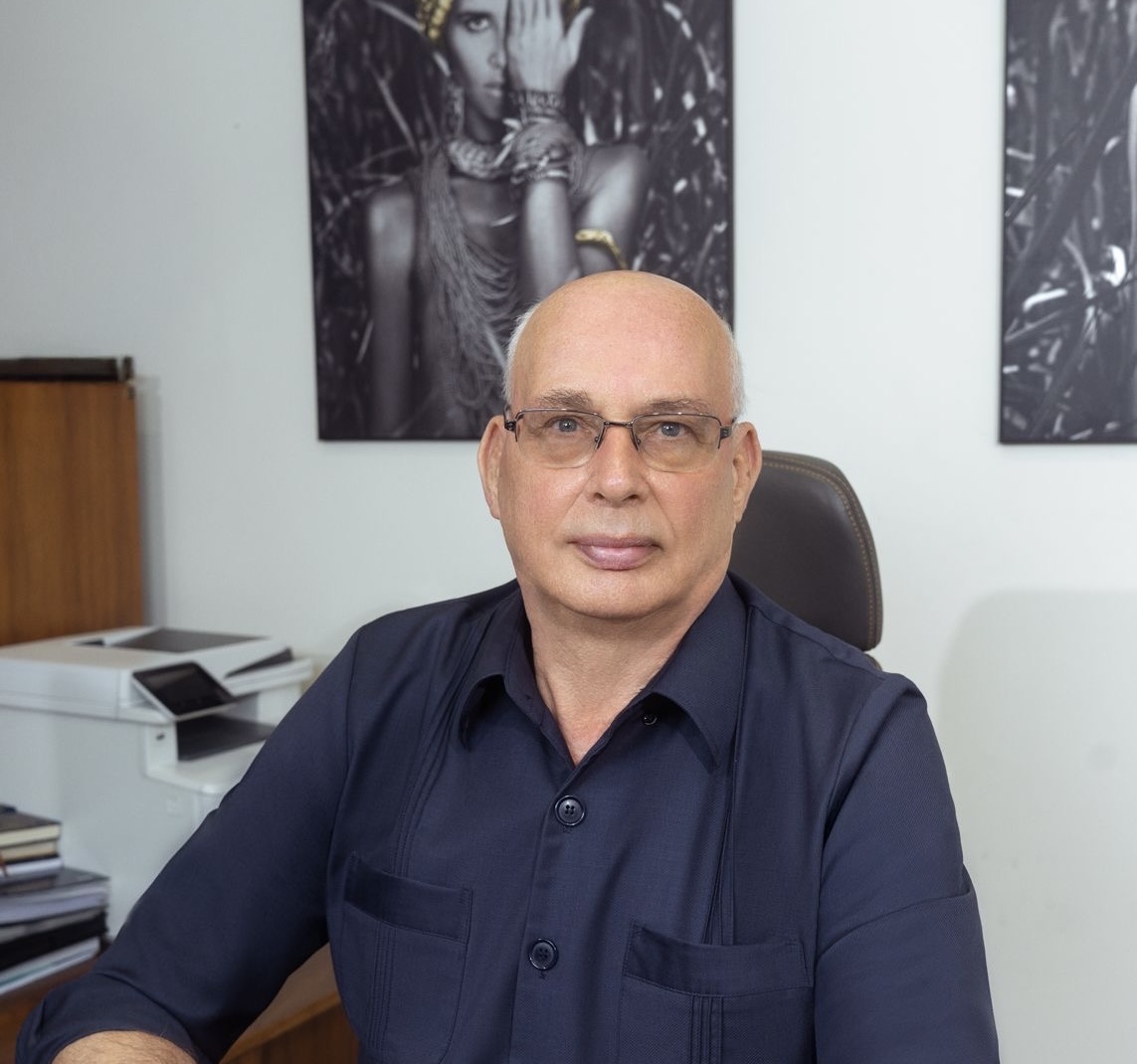
General Director of Sociedade Mineira de Catoca
Interviewer: Catoca is preparing to celebrate its 30th anniversary next year, operating the largest diamond mine in Angola and contributing over 80% of the country’s diamond production. Given its importance to the Angolan economy and its position as the fourth-largest open-pit diamond mine in the world, how has Catoca’s trajectory shaped the diamond mining landscape in Angola, and what key milestones have driven its growth over the years?
Dr. Benedito: Catoca significantly changed the mining landscape in Angola in three key aspects. Firstly, Catoca was the first Angolan company to explore a primary diamond deposit—this was a landmark that transformed the local industry. Until then, since the 1940s, all diamond mining in the country was limited to secondary deposits like alluvial ones. Catoca introduced the first kimberlite for industrial and organized exploration.
Another milestone was the unprecedented investment in exploration technology. Although secondary deposits required some technology, it was never on the scale Catoca introduced. This technological difference made us a benchmark. Lastly, Catoca was a pioneer in environmental and social responsibility. We embedded these aspects into the company’s DNA, ensuring sustainability was a core element, not just a side note. Economically, Catoca stood out for its revenue generation for the state and for creating employment conditions that transformed lives and empowered families. These three pillars, along with our commitment to innovation and responsibility, have been key to shaping our success.
Interviewer: Catoca’s success is often attributed to its strong geological expertise and efficient mining practices, supported by partnerships with global industry leaders. What sets Catoca’s approach to diamond mining and exploration apart from other players in the global market, and how does this strategy ensure a consistent supply of high-quality diamonds?
Dr. Benedito: Catoca has a unique approach due to the historical and cultural conditions that shaped our journey. The Catoca kimberlite was initially deemed unfeasible by De Beers, a giant in the sector, but the Angolan government, in partnership with scientists from the former Soviet Union, reevaluated it and found great potential. This process taught us the importance of constant reevaluation and innovation, and this mindset continues in everything we do.
Another differentiator is our combination of Western and Eastern technologies. Instead of choosing one or the other, we sought the best of both and created our own technological solutions. We have many internally developed innovations and intend to patent them, reinforcing our market position. The Catoca kimberlite itself has a complex geological structure, with significant variations requiring specific solutions. This demands continuous study and adaptation, ensuring a consistent supply of high-quality diamonds, which is essential for maintaining our global market leadership.
Interviewer: Speaking of partnerships, how have these international collaborations helped Catoca’s efficiency and growth?
Dr. Benedito: From the beginning, we embraced a philosophy of openness and humility to learn from our global partners. Alrosa, for example, is a key partner and a technological pillar, especially in geological research and development projects. We also worked with Rio Tinto and De Beers, which gave us access to practical knowledge and visits to other mines. Our engineers and technicians interned at these companies and brought back valuable insights. This exchange allowed us to build a strong operational base and a competitive approach.
These partnerships were essential in building our own technological framework, which not only improves our productivity but also strengthens our reputation as one of Africa’s most innovative mining companies. The expertise and know-how acquired through these collaborations have a direct impact on our growth and are one reason Catoca is seen as a benchmark in the sector.
Interviewer: The diamond mining sector is increasingly focused on sustainability and innovation. Catoca has been proactive in integrating green practices and technological innovations in its operations. Could you elaborate on the company’s efforts to minimize environmental impact, manage waste, and adopt green technologies, ensuring sustainability remains central to its business strategy?
Dr. Benedito: We are fully committed to sustainability, and our slogan “mining is necessary, preserving is possible” reflects that vision. We’ve incorporated ESG (Environmental, Social, and Governance) practices as a central part of our operations, aiming to cause the least environmental impact possible. We reforest mined areas with native species and use a closed water reuse system. All water drawn from rivers is treated and returned, maintaining water quality and reducing our water footprint.
One of our recent projects is transitioning to a dry tailings disposal system, a safer and more environmentally responsible model that avoids disasters like the Brumadinho accident in Brazil. We also monitor air quality to ensure suspended particles are minimized. For Catoca, sustainability means building a harmonious relationship with the environment and communities, ensuring long-lasting benefits and that future generations don’t bear the cost of today’s operations.
Interviewer: As a major contributor to the socioeconomic development of Lunda Sul province, Catoca heavily invests in local communities through initiatives in education, health, and infrastructure. Could you highlight some of the most impactful community development projects Catoca has undertaken, and how these align with the company’s vision of social responsibility and sustainable development?
Dr. Benedito: We have a deep commitment to socioeconomic development. Our vision is that a mine’s growth should be reflected in the community’s growth. Our investments in education exemplify this: we support everything from basic to university-level education, believing that knowledge is the foundation of development. We also invest in technical training, enabling the local population to directly contribute to operations.
In addition, our health and hunger relief programs have a significant impact, providing a better and more sustainable quality of life. We support local agriculture, fostering autonomy and resilience in communities. Recently, we’ve shifted from a donation-based approach to one of partnerships, where communities actively participate in projects, building their own future. This alignment with our vision of social responsibility has been crucial in transforming Catoca into a regional development agent.
Interviewer: Catoca has established strong partnerships with major diamond mining companies, including Alrosa and the Angolan government. How do these collaborations enhance operational efficiency and Catoca’s strategic growth? What strategies does Catoca have in place to foster new partnerships within the mining sector?
Dr. Benedito: From the start, we recognized the importance of learning from those with experience. Alrosa is a key partner for us, especially in technological and scientific development. We’ve also partnered with giants like Rio Tinto and De Beers, gaining valuable insights and allowing our technicians to absorb best mining practices from other regions. This shared experience and technological exchange are essential for maintaining a robust operational base and governance model. Catoca has gained greatly in knowledge and efficiency, solidifying itself as a respected player with a modern and efficient mining approach.
Interviewer: Looking to the future, Catoca has ambitious plans to increase its production capacity and explore new diamond deposits in Angola and potentially other regions. Which future projects or technological innovations excite you most, and how do these initiatives fit into Catoca’s broader strategy to secure a top-three global position among diamond companies?
Dr. Benedito: Catoca’s future lies in expanding our reserves and diversifying our operations. We’ve been working on exploring new kimberlites, like CAT 115, and are investigating the potential of underground mining below 600 meters in the Catoca kimberlite. At the same time, we are looking to diversify into other minerals such as gold, lithium, and rare earths, which could be transformative for Catoca and Angola. Our technical team is engaged in feasibility studies and research, and we are confident these projects will open new frontiers for Catoca, enabling us to compete globally on an even larger scale.
Interviewer: With over 20 years of experience in the mining sector and extensive academic credentials—including a degree in Civil Engineering from ISECK in Ukraine, a Master’s in Metal Structures from Kharkiv, a Master’s in Foundation Engineering from CEDEX in Madrid, and a Master’s in Technical Sciences—how have these experiences influenced your leadership style and strategic vision for Catoca? Can you share more about your leadership approach and how it’s reflected in your role as General Director?
Dr. Benedito: I have an education rooted in religious and social values, which teaches me to deeply value the people around me. To me, the key to success is listening to employees, understanding their ideas, and placing them where they can best express their skills. A leader’s role is to facilitate and channel the team’s potential. My qualifications and technical experience are tools, but I believe the real driving force of Catoca is its people and their willingness to contribute to a collective vision. To me, success means harnessing that synergy.


















![Jane Tay_CEO of AIA Cambodia[1]](https://oneworldmediacorp.com/wp-content/uploads/2024/12/Jane-Tay_CEO-of-AIA-Cambodia1-scaled-e1735238331589.jpg)