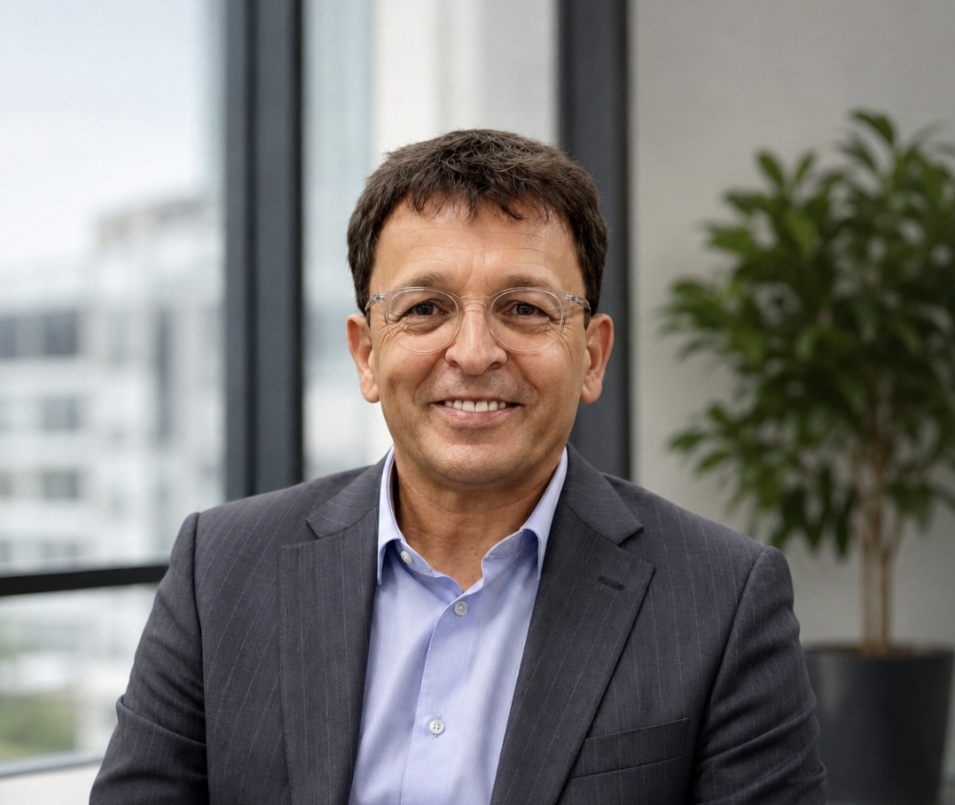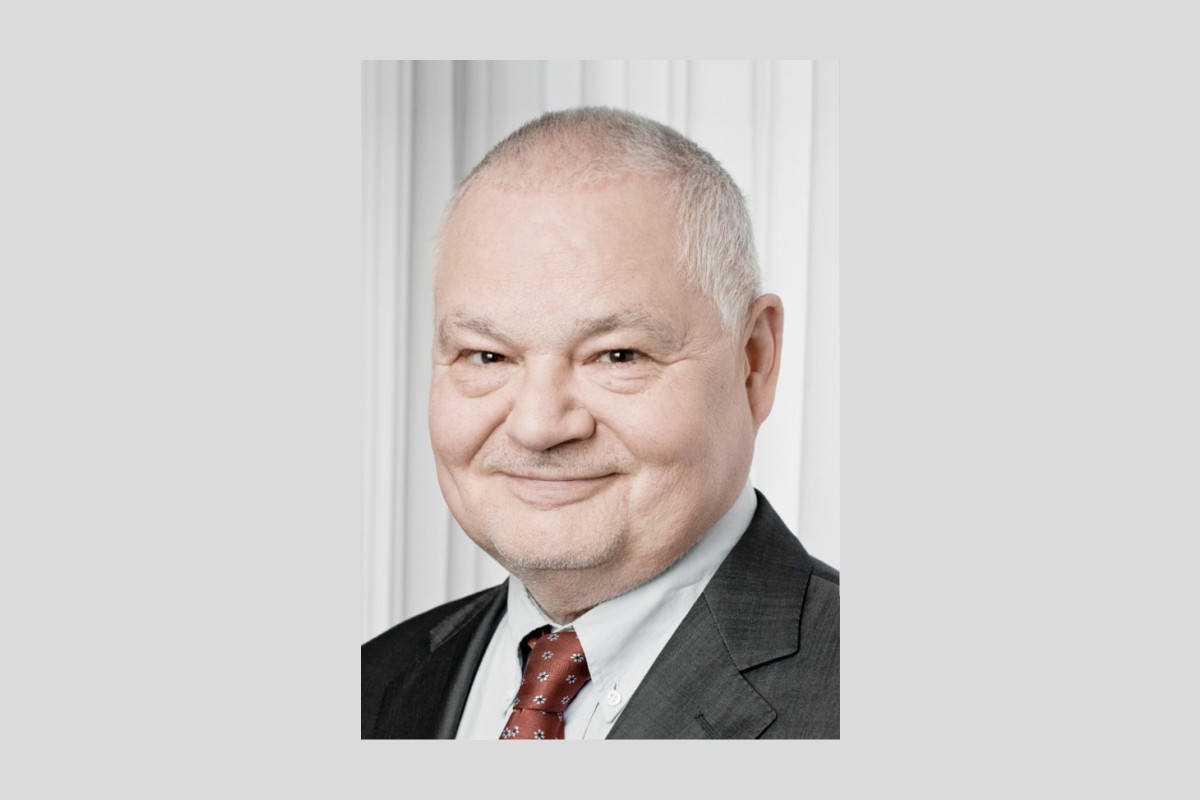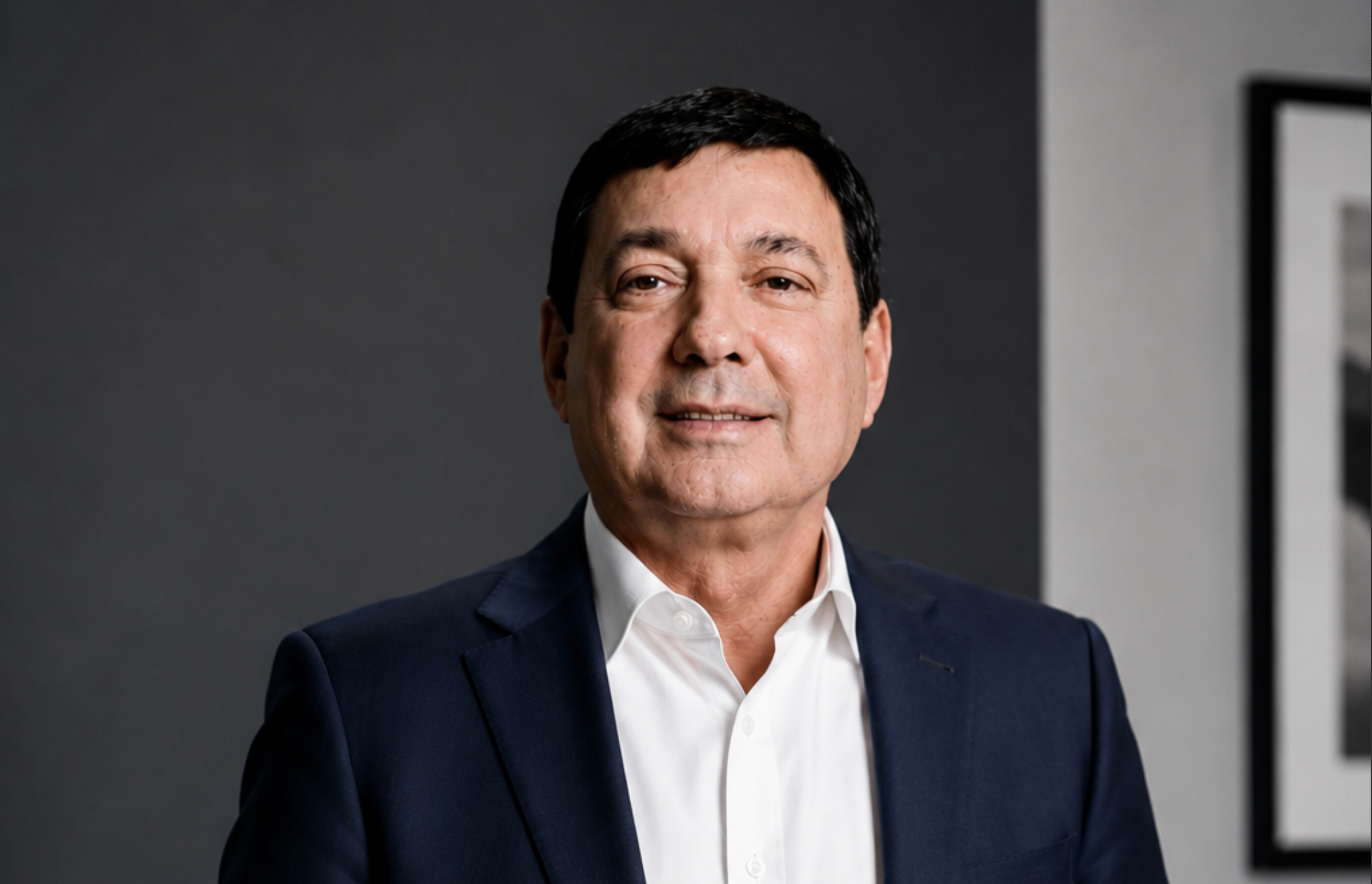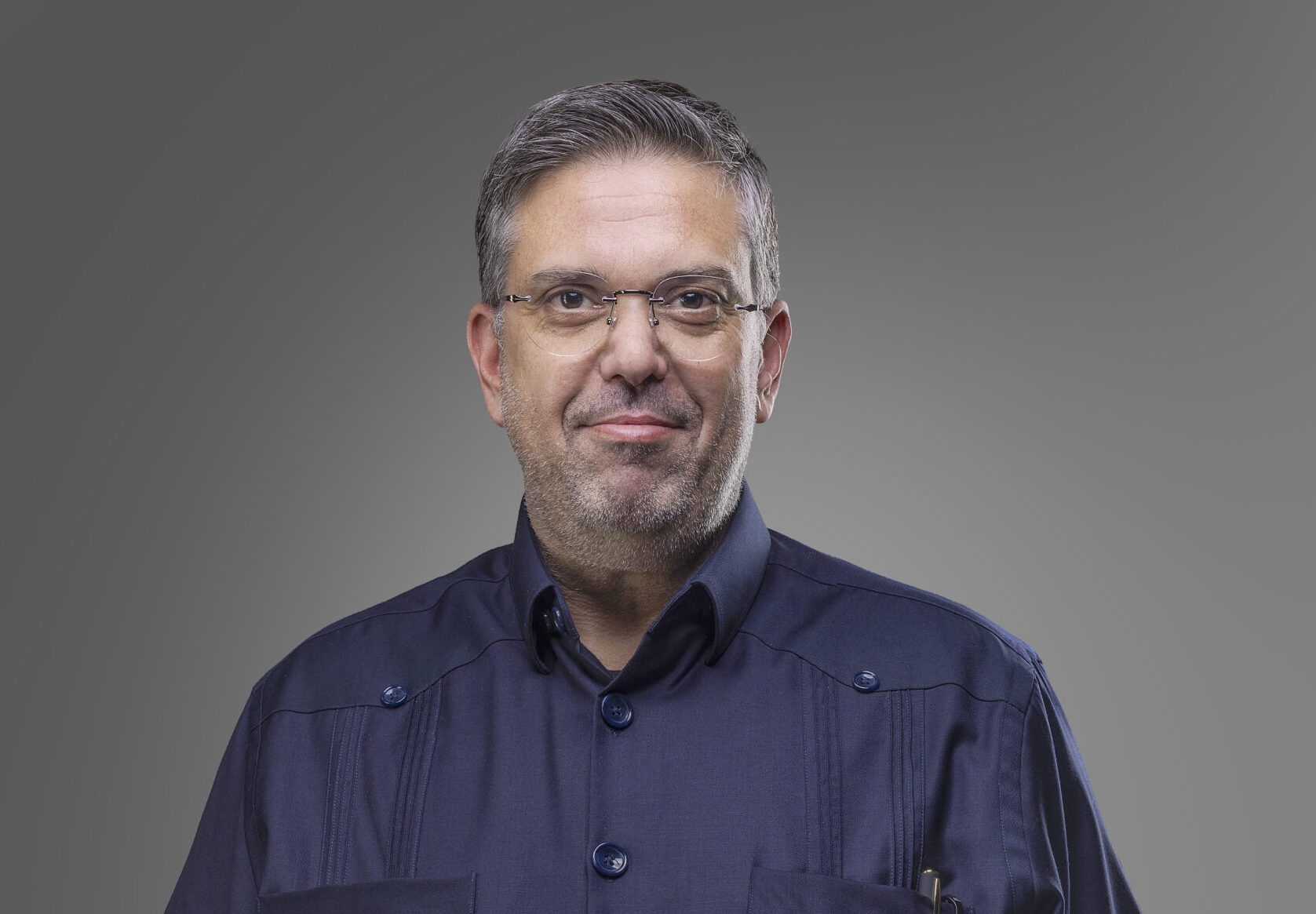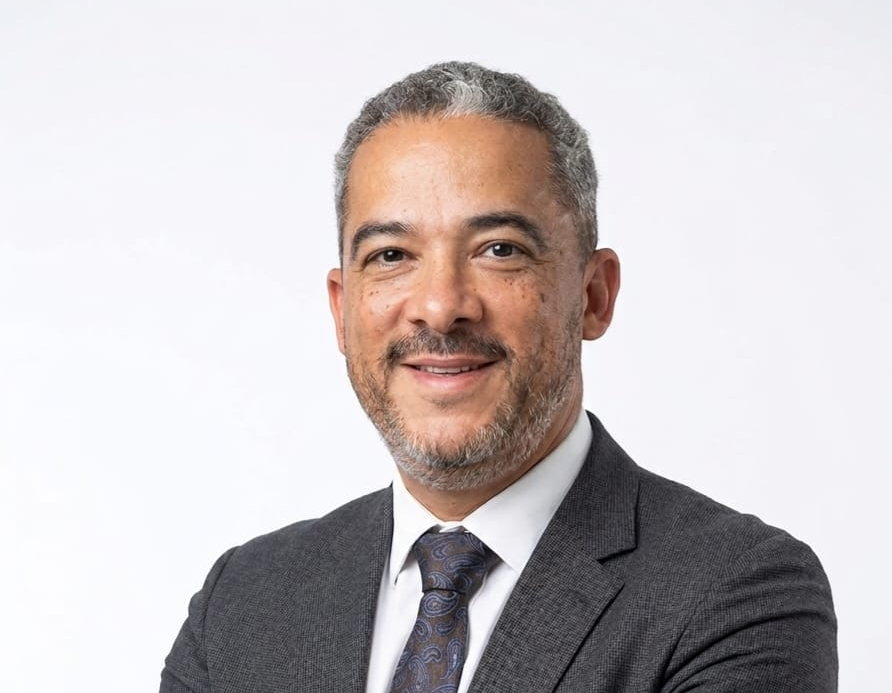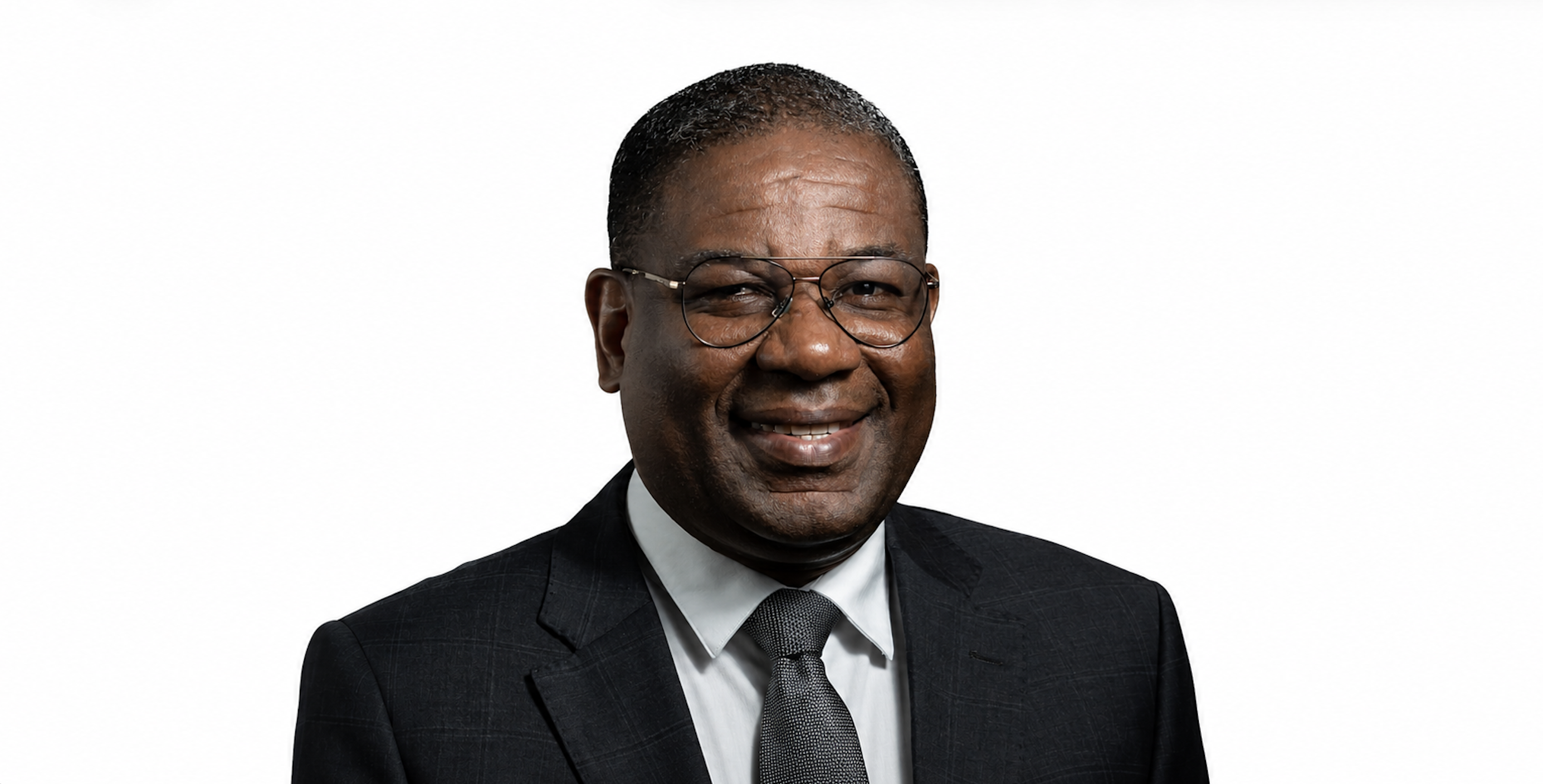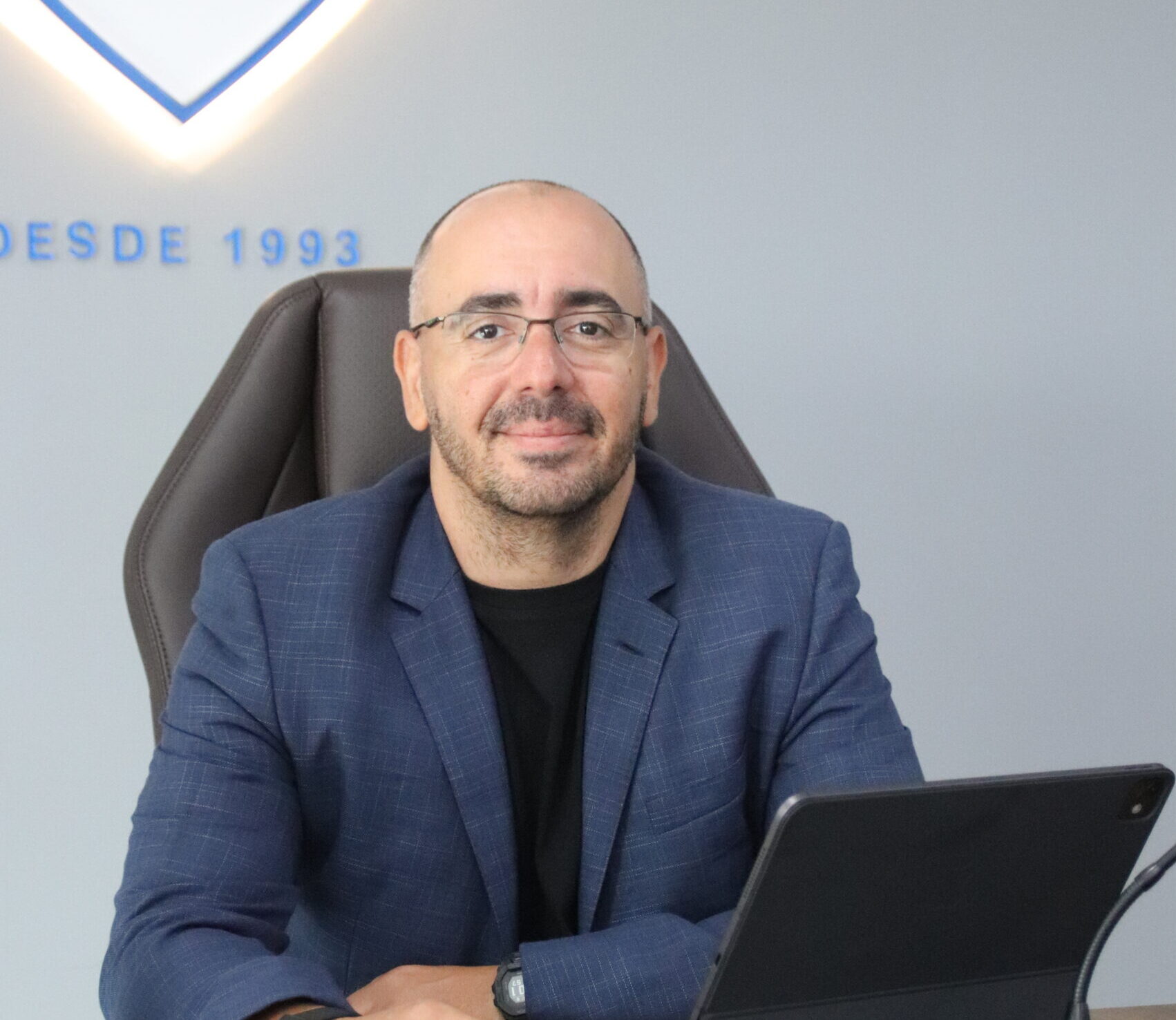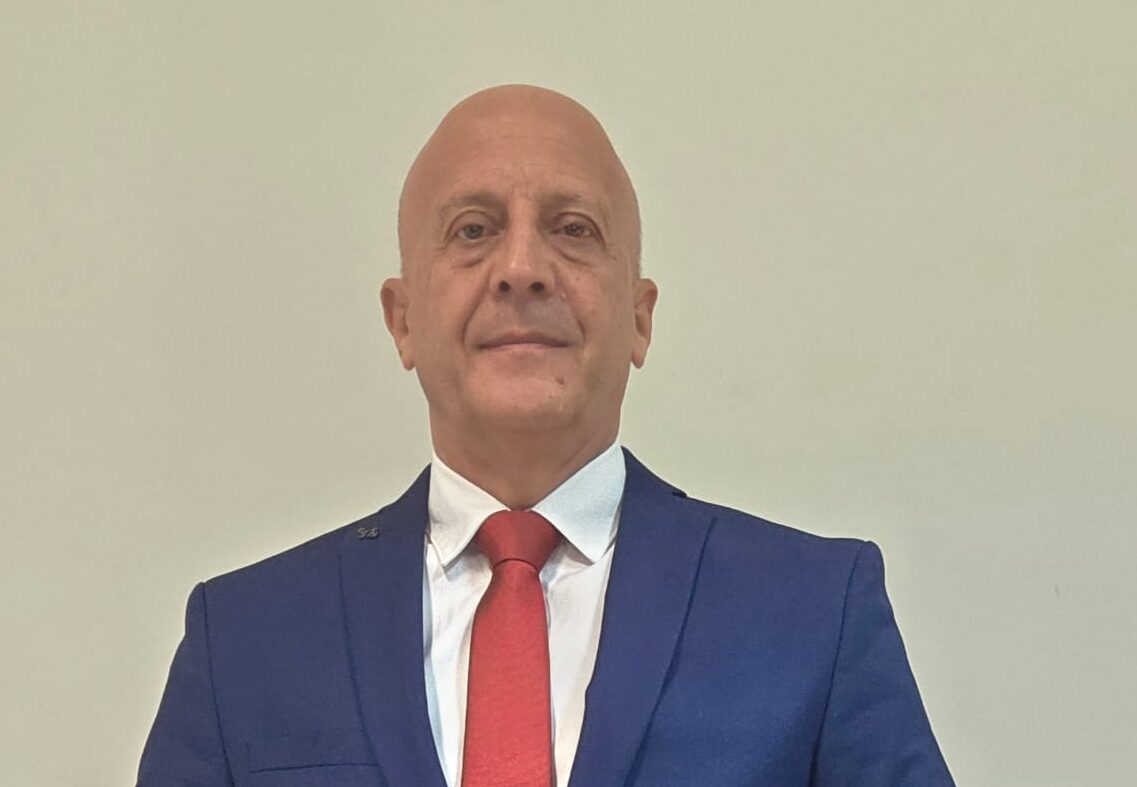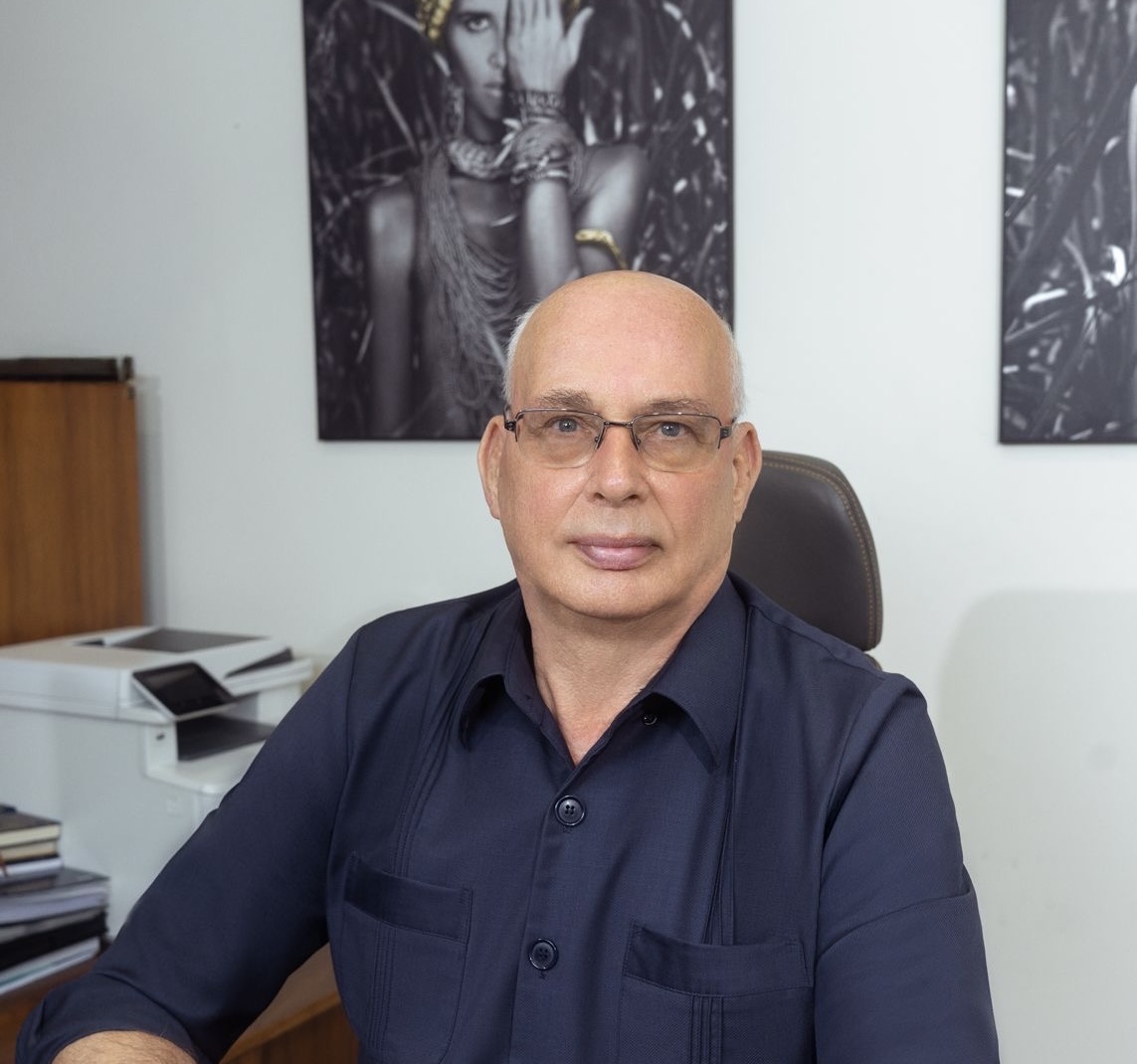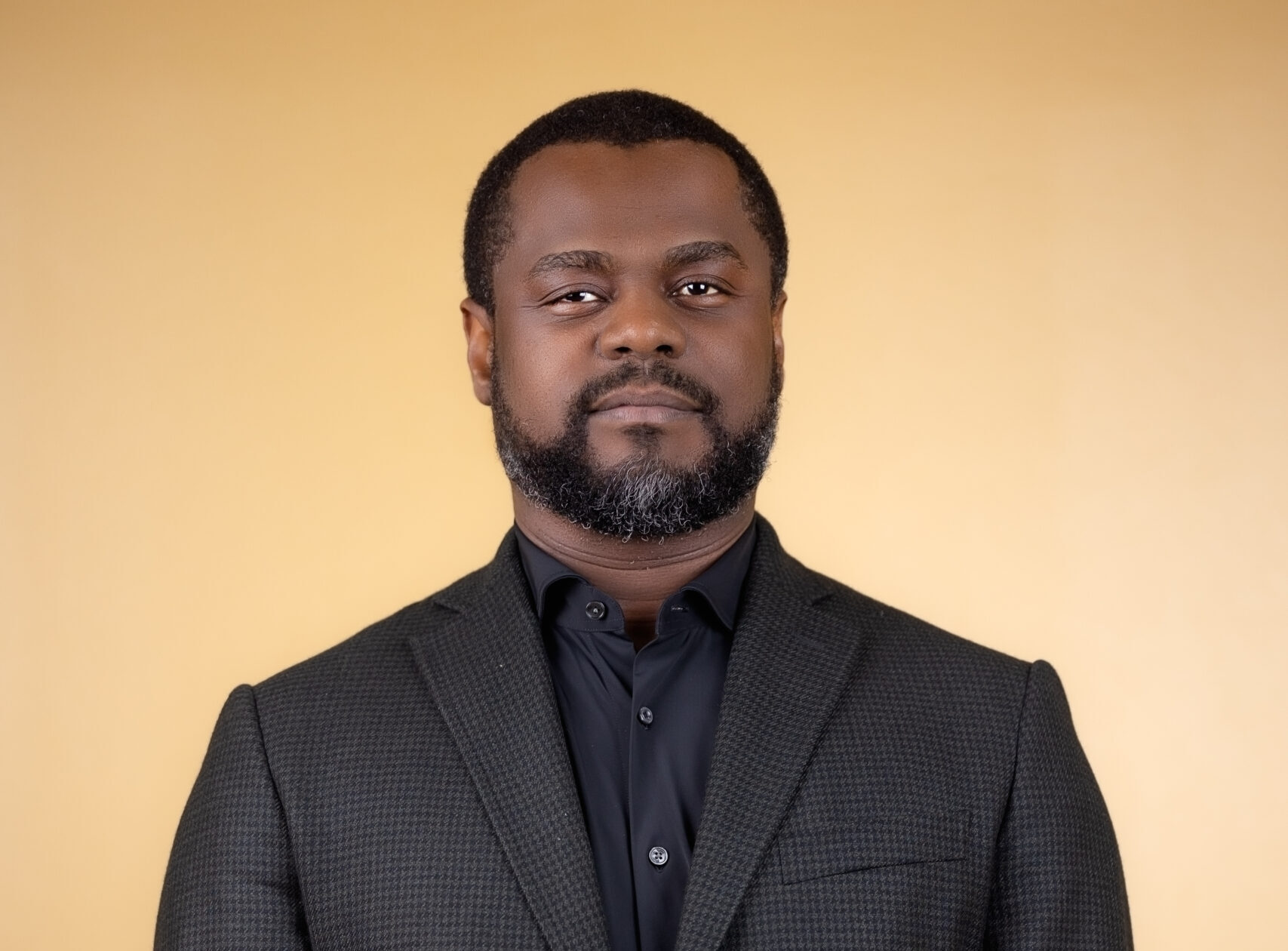

Since its founding in 1983, ROBAT —a company specializing in building automation systems— has evolved from a pioneering project in the Balearic Islands into an international reference. Its founder, Bernard Bonnin, looks back at the company’s milestones and reflects on the island’s technological future.
The company was born in 1983. How did it all start, and what is your mission today?
We began in a very particular context: the oil crisis was driving up hotel operating costs, while personal computing was just emerging. We seized that moment to improve buildings’ energy performance through an interface that linked computers to physical installations. Our first clients were hotels in the Balearic Islands. In 1986 we took our first step abroad with a project at the King Solomon Palace in the Gulf of Aqaba, Israel. By 1990 we were working in the Caribbean —our first hotel there was the Barceló Bávaro in the Dominican Republic— and today we also operate in Mexico, Jamaica, Aruba, Brazil, Costa Rica and Cuba. Eighty percent of what we manufacture is exported.
Convincing the hotel sector to use computers for energy management must have been challenging.
It was a difficult birth. We had to prove that a personal computer could manage a hotel’s or factory’s operations. Once clients saw the cost savings and the improvements in resource allocation, they themselves began calling us for new projects.
The company has weathered several economic crises. Which was the toughest?
We’ve lived through almost all of them: the oil crisis, Spain’s 1992 recession, the “Y2K” scare, and the 2008 financial crisis, which for us lasted five years. We had signed projects in the Caribbean that were delayed for years. It was a significant standstill.
In 2018 you made a key move: going public. Why?
After the financial crisis, we wanted to expand internationally without taking on debt. We opted for a capital increase on the BME Growth market, formerly MAP. Over 200 shareholders contributed €2.2 million. Today 20% of our stock is free float and I retain 42%. It was a healthier way to grow: no liabilities, solid balance sheets, and easier access to credit for opening new offices in Mexico, the Dominican Republic and Malaysia.
An international company like yours needs strategic alliances. How do you manage them?
We are a public and transparent company, open to partnerships with any capital interested in our development. We have a network of local partners in each country, trained and supported from the Balearic Islands. They are installation firms that want to upgrade their technology and secure exclusivity in this market. This model allows us to maintain quality and stay close to our clients.
Innovation is one of your pillars. What are your most recent developments?
We control the entire value chain: design, manufacturing, installation and commissioning. Feedback from the end client is our main source of improvement. We watch global trends: when we started, mobile phones didn’t exist, and today we’re integrating smartphones into room management. We’re developing intuitive graphic screens so guests can easily control climate and lighting, even from their own phones. Connectivity and user experience are essential.
Talent is key in a tech sector. How do you attract and retain it in the Balearic Islands?
There’s a general shortage of staff, especially in technical roles. We’ve signed agreements with the local university and fund master’s scholarships. We also work with vocational training centers so that young people can stay on the island after graduation rather than moving to northern Europe. We want to stop the brain drain.
Bringing professionals from outside is more complicated: housing is expensive and scarce, which discourages mid-level or technical profiles. It’s easier to attract high-level engineers with higher salaries than on-site workers. It’s a cross-cutting problem that affects many industries in the Balearic Islands.
You’ve advocated turning Mallorca into a tech hub. Is that realistic?
Years ago, we proposed creating a tech cluster in Mallorca. We have excellent connections to Europe, an attractive environment for living and working, and high-quality services. Engineers from northern Europe could move here with competitive salaries and a strong purchasing power. It would replicate, in a technological key, what we once did with mass tourism. But we first need to convince society and then politics. Without social demand, such a movement is sterile.
How do you picture Mallorca in 2035?
I see an opportunity to diversify our GDP so that 20% no longer depends on tourism. The pandemic exposed our vulnerability: when the airport closed, we were the region with the steepest drop in GDP, 21%. By contrast, tech industries don’t depend on transporting goods and can thrive here. Mallorca is an ideal place to combine quality of life with innovative work.
What message would you like to send to potential investors and future employees?
I can’t think of a better place to live and work. We’ve seen how many people who left eventually return, valuing quality of life over money. In Mallorca you find quality of life, talent and a privileged Mediterranean setting. It’s an ideal place to invest and develop technological projects.