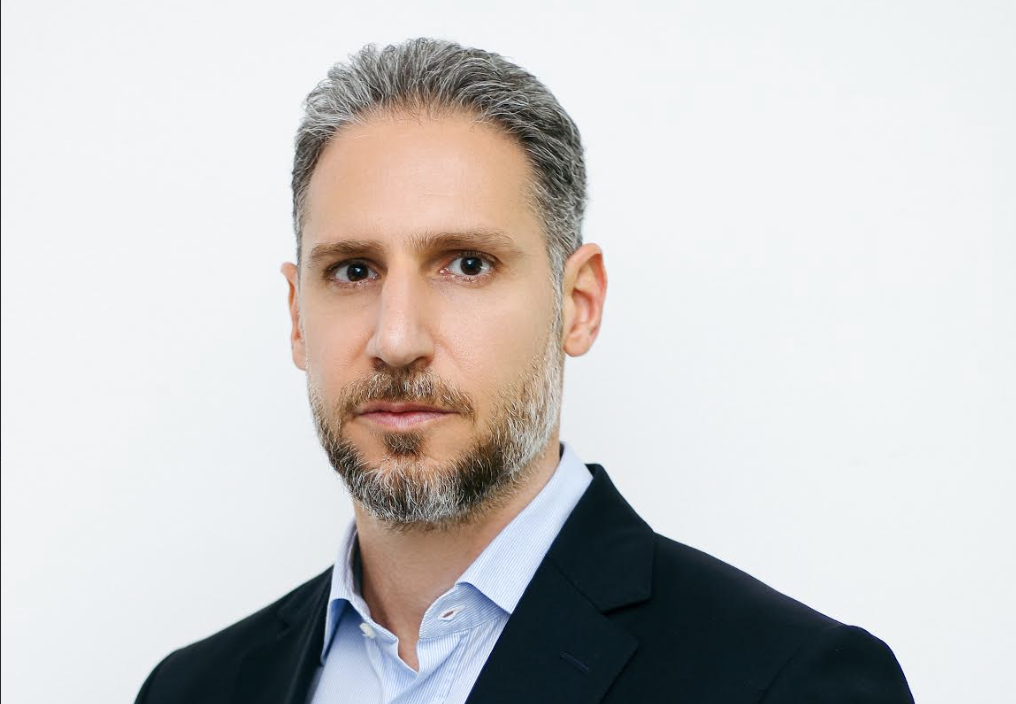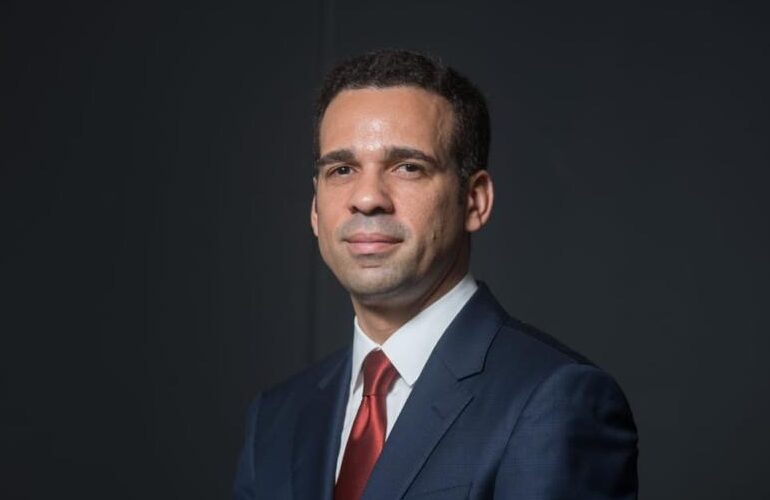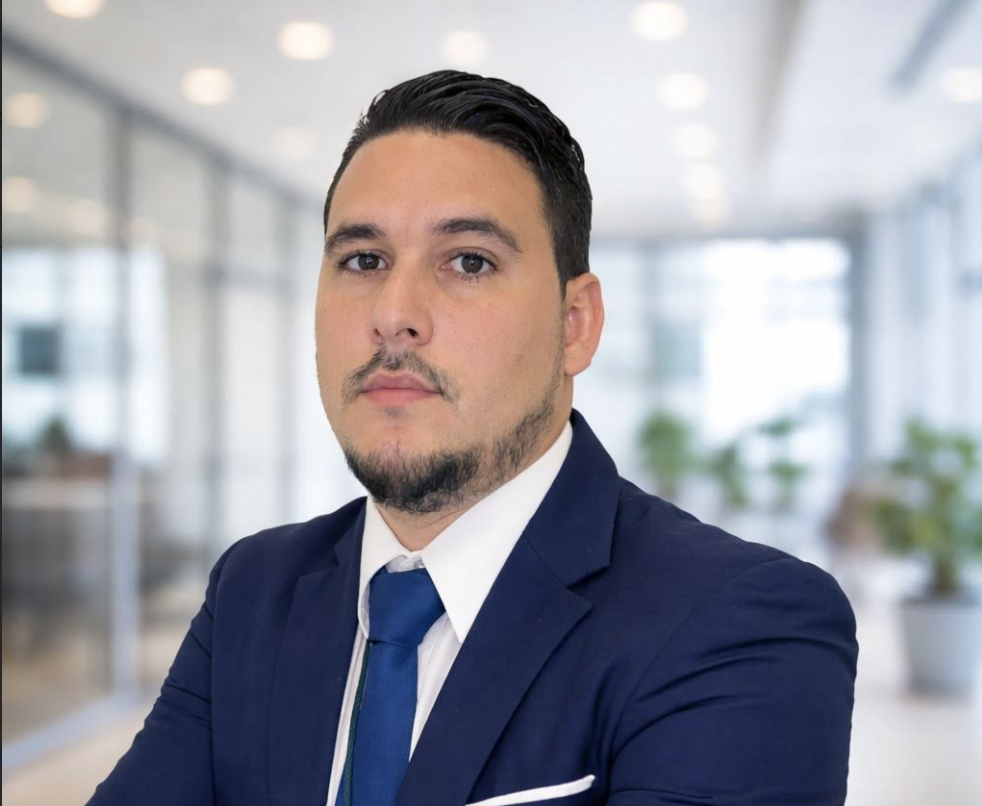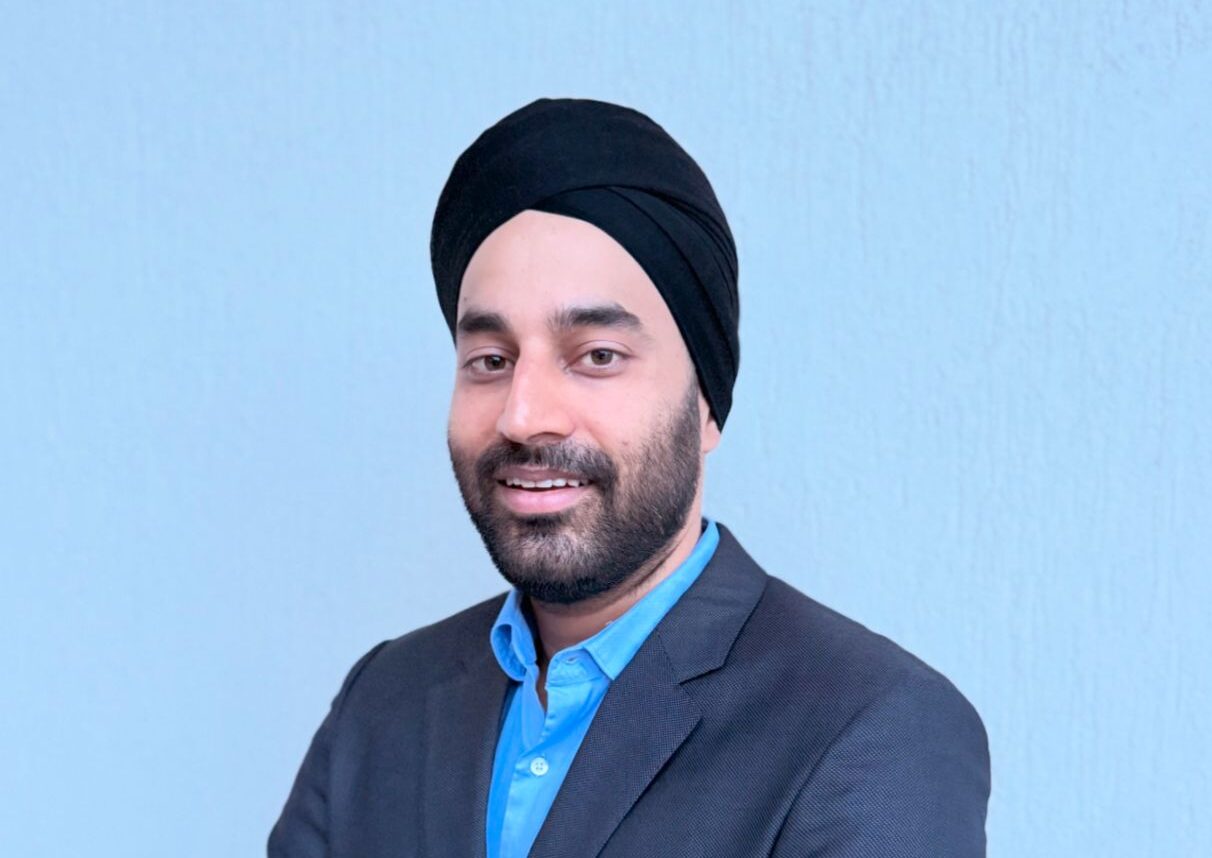

What led you to take on the challenge of leading Cayman Enterprise City?
While I have had a varied career, including as a funds attorney, above all I enjoy the challenge of building and growing businesses. My background is in a family business, so entrepreneurship feels like home. In mid-2011 I was at something of a career crossroad, having just retired from my legal career, when a school-day friend introduced me to the Cayman Enterprise City project. I started part-time to assess whether the project had real potential. Those first months were about testing the fundamentals: could we create a globally relevant knowledge and technology hub in Cayman? By January 2012 it was clear the answer was yes, so I joined full-time. The move was a blend of timing and fit, an opportunity aligned with my skill set and what I saw as an important growth opportunity for Cayman. It was serendipity, but not accidental; the idea of building something impactful for the country, while returning to hands-on business, made the decision straightforward. In essence, CEC offered a chance to compete globally and deliver tangible outcomes locally, which is exactly the kind of challenge that motivates me.
Looking back over 13 years, what achievements stand out most?
Our most important achievement is the project’s socioeconomic impact, which now exceeds one billion dollars for the Cayman Islands. From the outset in 2011, and our formal launch in 2012, we promised to develop a globally significant knowledge and technology hub. That billion-dollar threshold demonstrates real delivery against that promise. On the physical build-out, breaking ground in 2018 on a 76-acre mixed-use campus was pivotal, and opening our first building on the site two years ago marked a new chapter of momentum. Recognition matters, too, and an external benchmark affirmed our trajectory: FDI Intelligence, part of the Financial Times Group, ranked us the number six free zone in the world for 2025. What’s meaningful about that is the basis for the ranking, not sheer size, but the quality of what we do and the breadth of the ecosystem we’ve created. Together, these markers – impact, infrastructure, and independent validation – show that the vision is working at scale.
Which sectors and members are driving the most momentum right now?
Cayman has become a stronghold for blockchain, Web3, and virtual asset businesses, and that strength is reflected across our membership. We have a high-profile cluster in this space, with in excess of 125 companies focused on blockchain and virtual assets. That concentration has been a significant driver of our recent growth and a contributor to the wider economy. The appeal is rooted in Cayman’s advantages – rule of law, accessibility, and a pro-innovation environment – combined with the CEC platform’s ability to help companies set up quickly and operate cost-effectively. But the ecosystem is intentionally diversified. Beyond blockchain, we’ve cultivated knowledge-based businesses across technology, media, science, aviation, and maritime. The common denominator is a community model: companies learn from one another, create career opportunities locally, and contribute to talent development and knowledge transfer. That density of ideas and people compounds over time, which is exactly what we set out to build. It’s not about being the biggest, it’s about being the best place for innovative firms to grow.
How large is the community today, and how many are true headquarters?
We’re approaching 500 businesses operating from within the Special Economic Zone, and we expect to cross that company mark in the near term, a meaningful inflection point for the ecosystem. Crucially, our members have genuine physical presence. This isn’t about registered offices or virtual shells; it’s about real companies with real teams, employing people locally and genuinely operating from Cayman. That aligns with the original mandate from the government: diversify the economy beyond financial services and tourism by attracting knowledge and technology sector businesses to establish genuine economic substance here. On headquarters status, while we don’t always have a perfect count, more than half of our companies regard Cayman as home base, their headquarters location. That matters for spillover effects: decision-makers live and work here, knowledge transfer accelerates, and local suppliers benefit. The model is designed to convert presence into participation, companies embedded in the community, contributing to skills, wages, and long-term resilience for the Cayman economy.
What distinguishes the SEZ model and its goals for Cayman?
Three goals guided the SEZ from day one. First, economic diversification, establishing a durable “third pillar” alongside financial services and tourism, especially in the aftermath of the 2008 global financial crisis. Second, attracting foreign direct investment into new sectors: knowledge, technology, media, and science. Third, knowledge transfer, bringing leading minds and projects to the Cayman Islands so expertise is shared, talent is trained, and local capabilities scale up. None of that happens with paper entities. It requires physical presence, offices, teams, and day-to-day activity. That’s why every member operates here in a tangible way. The community response has been strong. Through our non-profit Enterprise Cayman initiative, we run career development, entrepreneurship, and ecosystem programs, and participation from members and the public has been tremendous. The result is an economy that learns faster. It’s the difference between hosting capital and hosting companies: when people and ideas co-locate, the benefits multiply and compound over time.
Do you have capacity to keep scaling, and what does the build-out look like?
There’s no hard upper limit on capacity in the foreseeable term. Our campus is a 76-acre mixed-use development with residential, commercial, and retail. Current plans call for roughly 700,000 to 800,000 square feet of commercial office space in the first phase. Importantly, that’s a starting point, not a ceiling. If demand warrants, we can expand commercial space accordingly; the land platform and master plan give us optionality. For context, Cayman is a small jurisdiction, so those numbers are meaningful locally, but our focus isn’t on square footage for its own sake. It’s on quality, spaces designed for innovative companies to collaborate, hire, and grow. The idea is to keep friction low: help firms set up quickly, scale efficiently, and integrate into the wider community. As long as we keep aligning infrastructure with demand, the ecosystem can grow in a healthy, sustainable way without running into geographic constraints anytime soon.
How important is the U.S. market, and how do you position Cayman to serve it?
Given the scale of the U.S. economy, virtually all our members do business with the United States at some level. For global firms, Cayman often serves as the hub for non-U.S. operations while remaining tightly connected to North and South American markets. Proximity helps; we’re on Eastern time, accessible via numerous gateway flights, and English-speaking. The broader value proposition is predictability and safety, British common law, strong rule of law, and a business-friendly environment. That combination makes Cayman an efficient base for cross-border growth. When we speak to U.S. prospects, we frame Cayman as a high-functioning, low-friction jurisdiction that lets management focus on building, not bureaucracy. For companies whose primary growth is in Europe, the Middle East, or Asia, Cayman complements – rather than replaces – regional offices in those time zones. But for firms looking to scale across the Americas, locating in Cayman offers an ideal blend of convenience, stability, and operational clarity.
What’s your go-to-market approach—conferences, outreach, or on-island visits?
We invest heavily in digital channels – website, social, and targeted marketing – to build awareness and explain how the platform works. We also travel strategically to U.S. conferences to meet founders and executives, but we’re realistic about what those events can achieve. Conferences are great for first conversations; they’re not where you decide to relocate a company. The decisive step is visiting Cayman. Once people see the infrastructure, meet the community, and experience the ease of operating here, they typically move from interest to action. Our job is to make that visit decisive: we often assist with the preparation of full itineraries, line up meetings, and ensure questions get answered. Cayman also hosts significant sector events annually, and the Blockchain Association of the Cayman Islands (BACI) will launch its first dedicated conference in 2026, which should bring even more decision-makers to Cayman. In short, we create the spark off-island, but we close on-island, where the value proposition becomes tangible.
How does the government support the model, and how is the partnership structured?
Think of this as a government program wholly outsourced to private enterprise. We don’t receive direct government funding. Instead, the government granted specific concessions available through the Special Economic Zones framework, and from there it’s on us to deliver, self-funded, self-sustaining, and performance-driven. It’s not a formal PPP, but the spirit is similar: public objectives with private execution. That arrangement aligns incentives. We’re accountable for attracting high-quality companies, reporting socioeconomic impact annually, and ensuring members have real presence and real jobs. The government’s role is to maintain a stable, predictable environment – rule of law, clear policy, and efficient processes – so the sector can keep growing. This division of labor has worked well because it couples Cayman’s institutional strengths with entrepreneurial speed. The result is a platform that generates growth without drawing on public coffers, while meeting the country’s goals of diversification, FDI attraction, and knowledge transfer.
What message would you send U.S. readers weighing non-U.S. operating hubs?
Cayman has been steadily upward for decades, stable, safe, and reliable through cycles and political changes. That consistency is the core of our value proposition. Companies can plan here with confidence. And we are a well-regulated, business-friendly and welcoming jurisdiction. For founders and executives, that translates into clarity: you know the rules, and they don’t shift under your feet. Looking ahead, we expect that stability to continue. The opportunity is to join a maturing knowledge and technology ecosystem that already delivers measurable impact and is still early in its growth curve. When decision-makers visit, they see a jurisdiction designed for cross-border business, with community, convenience, and rule of law all in one place. The message is simple: if you’re building globally and want a stable, high-quality base for your non-U.S. operations, Cayman, and the CEC platform, makes it easier to execute and scale with confidence.
What are the big challenges—talent, housing, competitiveness—and how do you address them?
Workforce development is the priority. To sustain growth, Cayman needs a deeper bench of locally available, qualified talent across tourism, financial services, and knowledge and technology. Through Enterprise Cayman, we run programs for career development, entrepreneurship, and ecosystem building. Recently, alongside the government’s Labour Demand Unit, we hosted the first Tech Futures Week to map upcoming opportunities, and the skills required, so training can be targeted to real demand. Upskilling isn’t optional; it’s foundational to remaining competitive. Equally, I believe that as a country we need to ramp up our support of local entrepreneurship and promote local business ownership. On capacity and cost, land and housing are finite, so careful planning matters, but we cannot respond by constraining opportunity. The path forward is dual-track: keep creating high-value roles while accelerating training, internships, and scholarships so Caymanians can fill them. When opportunity and upskilling move together, companies choose Cayman, and young people choose to build their futures here.