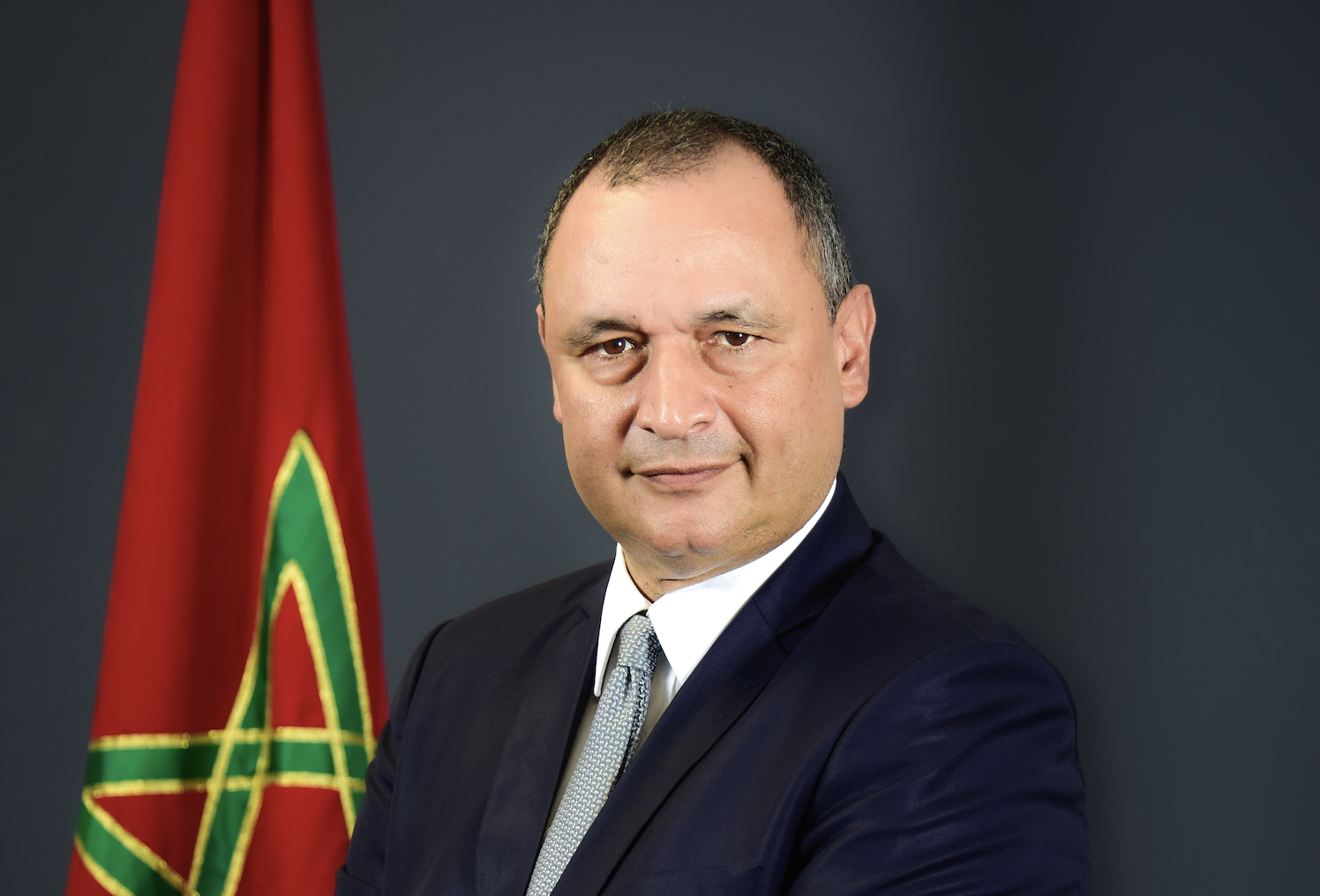
Fuad El Azar
General Manager of INDENICSA
In the industrial heart of Nicaragua, INDENICSA has established itself as a leader in the metalworking sector, producing over 10,000 tons monthly and operating a nationwide network of plants and branches. In this in-depth interview, the company’s general manager explains how INDENICSA has leveraged the construction boom, expanding road infrastructure, and steady remittance flows to achieve sustained growth in recent years. With mixed capital — both national and foreign — INDENICSA stands as a successful example of foreign investment in Nicaragua. He outlines the business merger that attracted international partners, the company’s operational evolution, and strategic plans to maintain its 60% market share amid rising competition. Beyond the numbers, the interview delivers a clear message: Nicaragua offers real conditions for investment, production, and regional expansion.
From your experience leading INDENICSA, how would you describe the company’s origins and evolution within Nicaragua’s industrial landscape?
Over the past three or four years, we’ve seen a significant increase in both private and public construction. This has boosted our sales as a metalworking company. Several factors explain this growth, allowing us to expand, open new sales points, and grow nationally. This momentum shows how infrastructure has become a key driver for Nicaragua’s manufacturing sector, creating sustained demand for structural materials like ours.
Given the current economic environment, do you believe this growth in construction and investment is sustainable in the medium term?
Yes, we believe it can be sustained. Remittances from Nicaraguans abroad have been key, along with private investment and the government’s road infrastructure development. These roads now reach previously inaccessible areas, which has energized the economy. Improved connectivity not only facilitates domestic trade but also opens new opportunities for industrial hubs in previously underserved regions — directly benefiting companies like ours.
What strategic decisions has INDENICSA made to adapt to this new market dynamic and expand its national footprint?
We’ve expanded our two factories — one in Tipitapa and another in Cofradía — and opened two new sales points. In total, we operate five commercial branches and employ 1,068 people across plants and outlets. This expansion is part of a national coverage strategy aimed at bringing our products closer to end users, improving delivery times, and strengthening our presence in regional markets.
In terms of installed capacity, how is INDENICSA positioned to meet construction sector demand?
We produce over 10,000 tons of metal construction products each month. We’re the largest company in Nicaragua in this sector. This capacity allows us to serve major infrastructure projects and supply local distributors and hardware stores, maintaining quality and efficiency standards that set us apart.
Turning to the financial side, how is the company’s capital structured and what role has foreign investment played in its consolidation?
Since 2008, we’ve had U.S. partners. We merged a previous company with INDENICSA and kept the name because it was the larger brand. The merger created the conditions to attract foreign investment. This strategic alliance has been key to accessing technology, stronger management processes, and a business vision with regional reach.
What key factors do you believe attracted your international partners and sustained their commitment to Nicaragua?
The economic environment was favorable. Trust in the country and its growth potential were decisive. Our partners are very satisfied with the results. Nicaragua offered stability, competitive costs, and a workforce with strong training potential — making INDENICSA an attractive platform for industrial investment.
From your perspective as an entrepreneur, what competitive advantages does Nicaragua offer to foreign investors interested in the industrial sector?
Nicaragua has many advantages: safety, skilled labor, and opportunities in sectors like industry and tourism. We must think of the region as an integrated market. The country’s geographic location, combined with trade agreements and growing logistics infrastructure, makes it a strategic hub for regional operations.
Facing new market entrants, what are the main challenges and opportunities INDENICSA sees in its growth strategy?
We assess our investments annually based on market behavior. Currently, we supply 60% of the national market. Our goal is to maintain that share, especially with new competitors entering, such as a Chinese plant currently being installed. Competition pushes us to innovate, improve processes, and strengthen our value proposition — which is healthy for the sector’s development. Rather than seeing it as a threat, we view it as motivation to raise our standards and solidify our position as an industrial benchmark in Nicaragua.
Finally, as a Nicaraguan entrepreneur, what message would you share with those considering investing or operating in the country?
Nicaragua offers optimal conditions for investment: safety, trainable human talent, and real opportunities. It’s time to bet on the country. From our experience, we can say that with vision, commitment, and strategic partnerships, it’s possible to build strong companies that contribute to the nation’s economic and social development. There’s room to grow, to innovate, and to generate impact. What’s needed is will and confidence in the potential of this land.