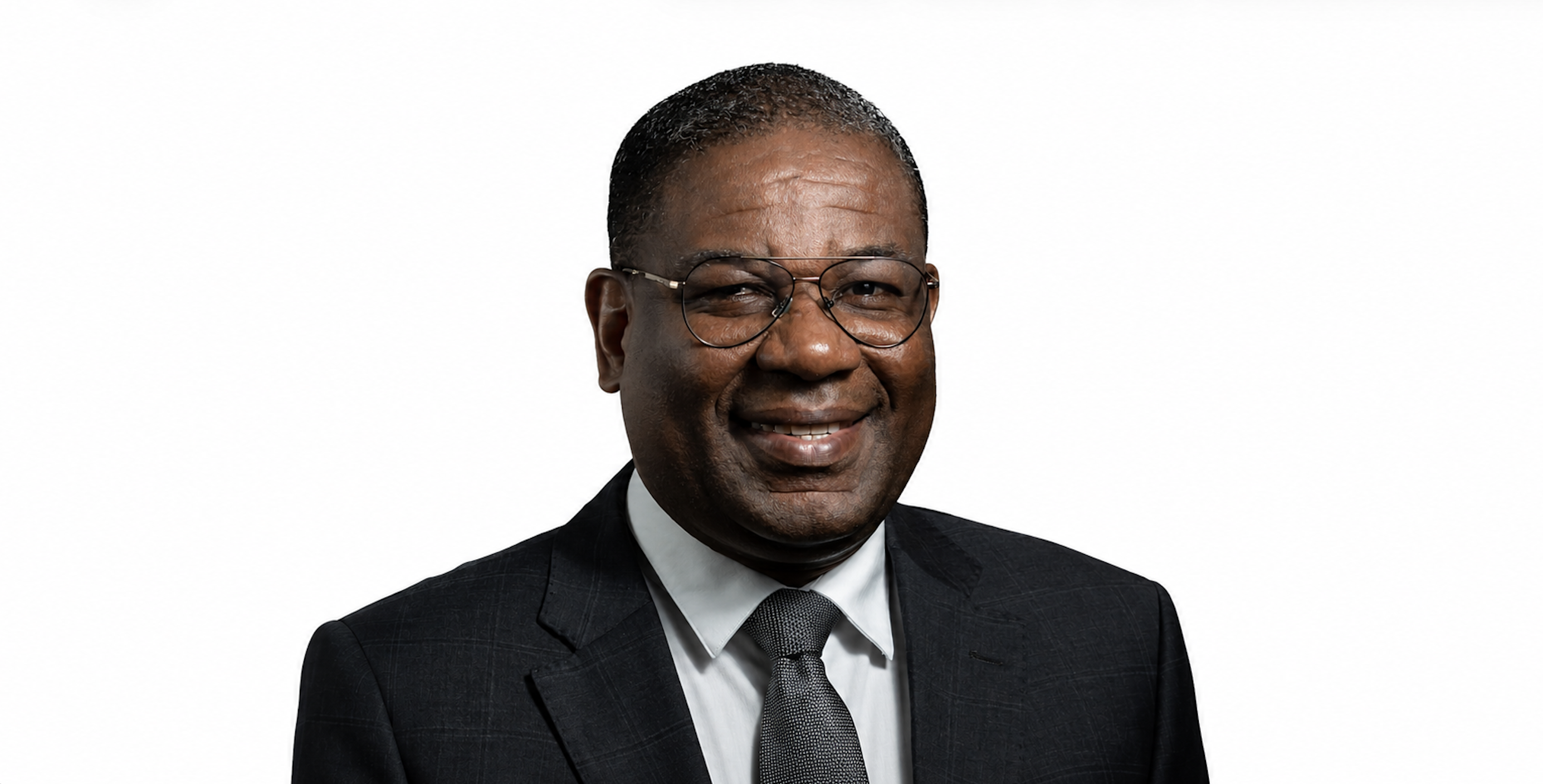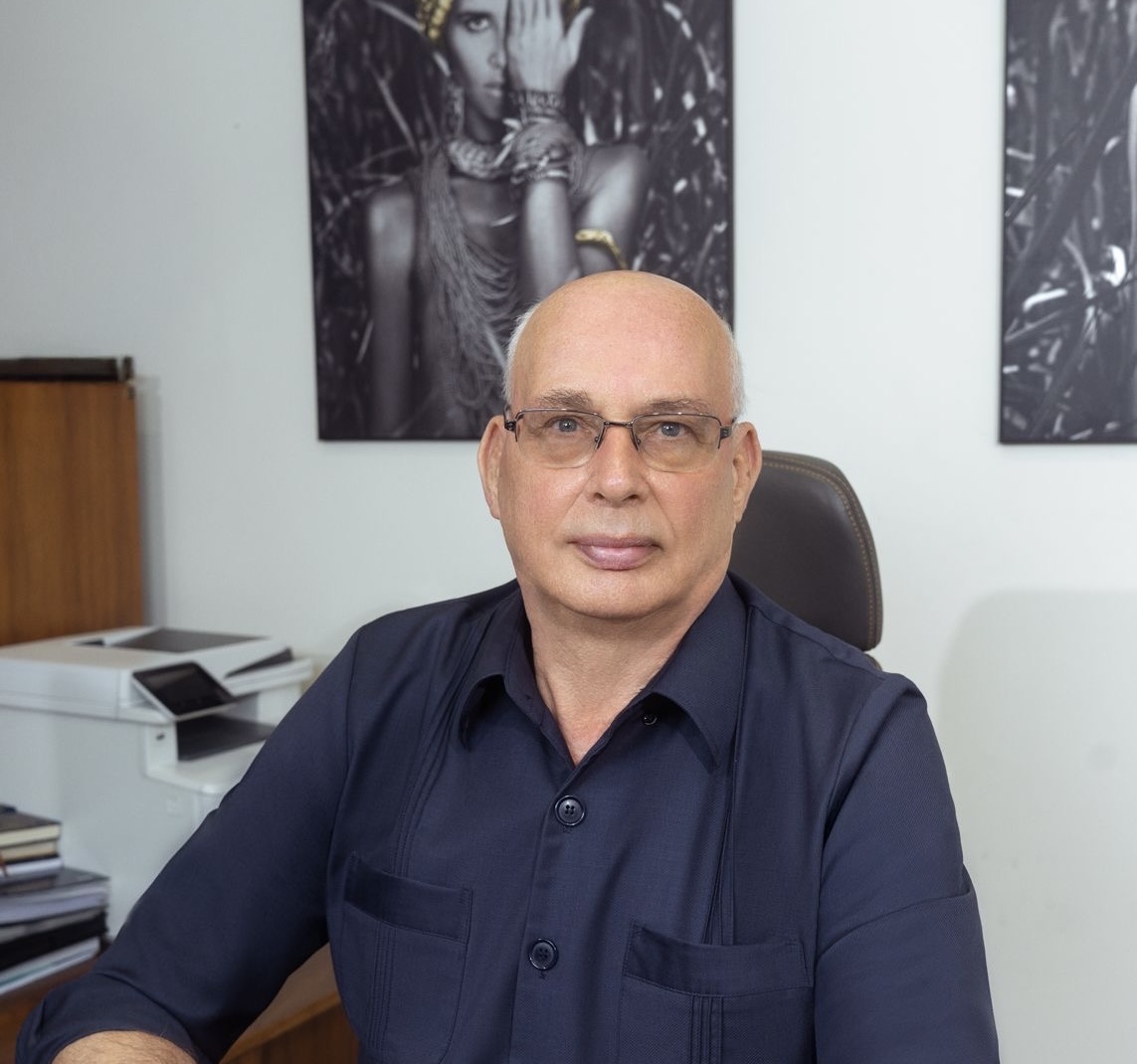

Can you briefly introduce yourself and the company, and outline its history in Guam?
Rock Products Corporation began operations in Guam in 1958 as a division of a Hawaii-based group linked to Dillingham Corporation. The original focus was asphalt paving for military infrastructure at Andersen Air Force Base. From those early years, the business steadily expanded, developing a quarry on its current property and moving into ready-mixed concrete, concrete blocks, and the sale of aggregates. Over time, additional product lines were added, including concrete pipe and concrete paving stones, turning the company into a diversified construction materials supplier.
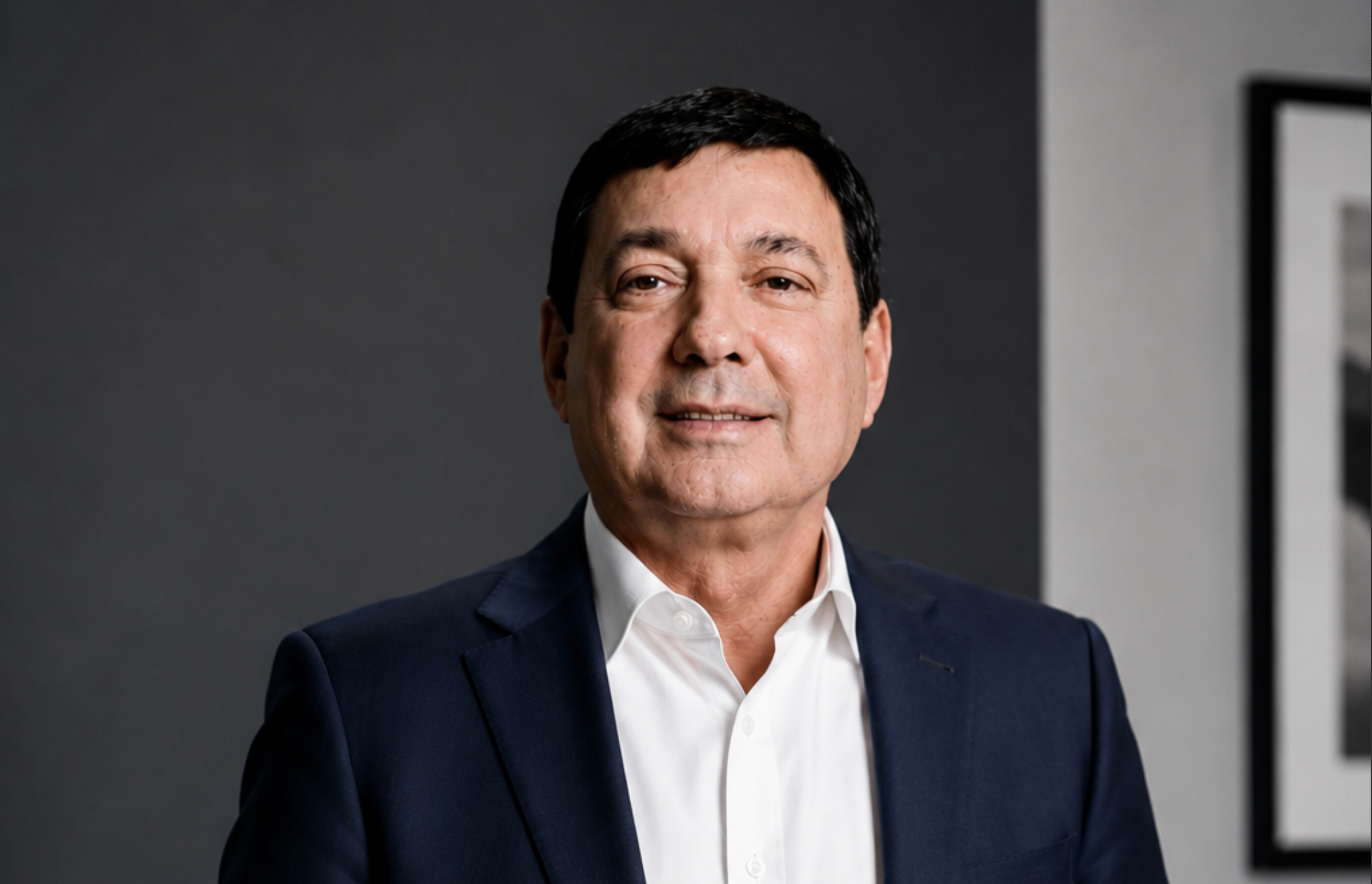
My own journey with the group started in Hawaii, where I spent 12 years with the parent company before relocating to Guam. I have now been on the island for more than four decades, serving as president and general manager for 43 years. During that period, the company has grown alongside Guam’s development, supporting both civilian and military infrastructure while continuously expanding its technical capabilities, workforce skills, and production capacity to meet the island’s evolving needs.
How would you describe the company’s performance and scale today compared with earlier years?
When I arrived in the mid-1980s, annual revenues were in the range of USD 6–7 million. Today, the business generates more than USD 100 million in revenue, reflecting both organic growth and Guam’s broader infrastructure expansion. Roughly half of that turnover comes from asphalt paving, including work on military bases, village roads, and federal highway projects across the island.
The remainder is driven primarily by ready-mixed concrete, where the company supplies close to 50% of the local market, alongside competitors that have developed their own production capabilities. This balance across multiple product lines has been critical. It allows the business to remain resilient through cycles in public spending while maintaining a leading role in supplying essential construction materials. The scale achieved today is the result of long-term reinvestment in equipment, people, and quarries, rather than short-term expansion.
How have recent US Department of Defense investments affected operations and strategy?
The acceleration of military investment has been anticipated for many years. While the original timeline slipped, the delay ultimately created an opportunity to strengthen operations. It allowed the company to modernize equipment, improve productivity, and invest more deliberately in workforce development before the surge in demand fully arrived.
These projects have also attracted new competitors to the market, which is a natural outcome of increased spending. Even so, there remains sufficient work for all participants. The company’s strategy has been to stay focused on quality, reliability, and competitive pricing, ensuring that it remains the supplier of choice regardless of which contractor is awarded a project. The scale of current and planned military construction—ranging from base expansion to missile defense infrastructure—means sustained demand for aggregates, asphalt, and concrete well into the next decade.
What does the workforce look like today, and how important is local employment to the business?
The company employs around 400 people in Guam, with an additional workforce in Saipan and Tinian, bringing total employment to more than 500. All employees on Guam are local US citizens, with no reliance on foreign labor. This is a point of pride, particularly in a market where labor shortages often lead companies to recruit overseas.
On the Northern Mariana Islands, the approach is similar, with a strong preference for local hiring supplemented by contract workers where necessary. Investing in local talent has helped build long-term operational stability and deep institutional knowledge. It also ensures that the economic benefits of large infrastructure projects circulate within the community, supporting families and reinforcing the company’s role as a long-standing contributor to Guam’s economy.
How does the company approach partnerships and competition in a small island market?
Rather than aligning closely with a single contractor, the focus is on serving the entire market. Major projects are typically awarded to a small group of large contractors, so maintaining neutrality is essential. The objective is to work with all of them by offering consistent quality, dependable service, and the capacity to deliver on demanding schedules.
Long-standing relationships exist with firms that have operated on Guam for decades, as well as with newer entrants from Hawaii and the US mainland. Even competitors in certain segments remain customers in others, particularly where specialized products are involved. This collaborative yet competitive environment reflects the realities of a small island economy, where reputation, reliability, and long-term relationships matter as much as price.
What is your outlook for Guam’s future as an investment destination?
The outlook is very positive, particularly over the next ten years. Military construction will continue to underpin economic activity, while tourism is expected to recover as key source markets regain strength. Together, these sectors create demand for housing, retail, and community infrastructure.
Guam’s status as a US territory also makes it attractive to investors from Japan, Korea, and Taiwan, who see it as a secure base for long-term development. Property investment is already increasing, with plans for residential and mixed-use projects that can support population growth. For those considering investment, Guam offers a combination of strategic importance, political stability, and a proven ability to deliver large-scale infrastructure—conditions that support confidence in the island’s long-term growth trajectory.