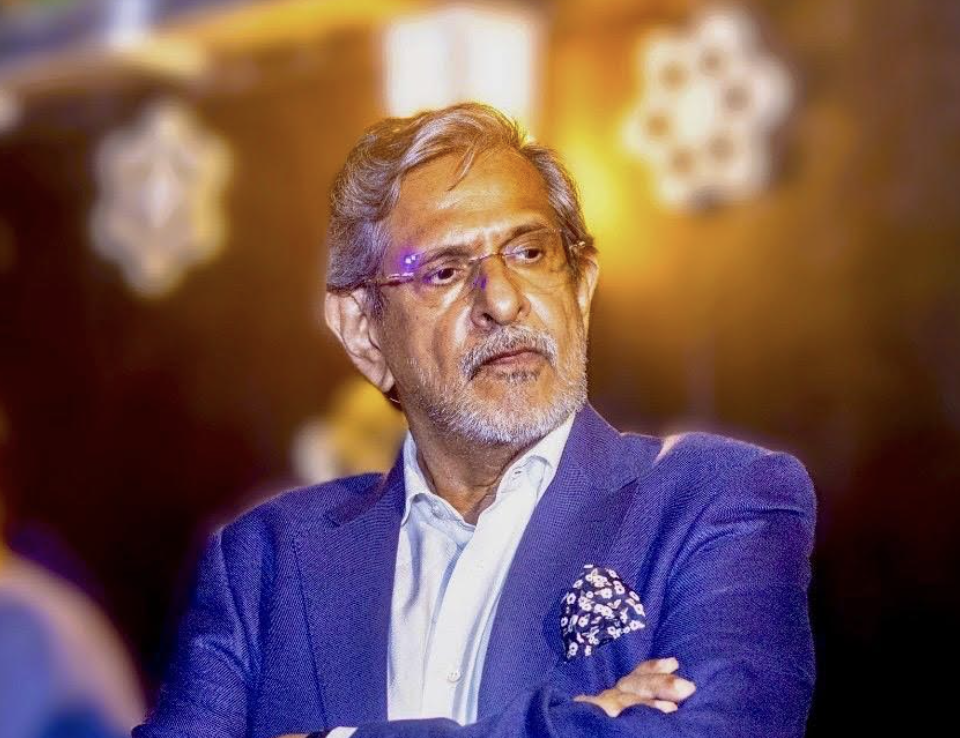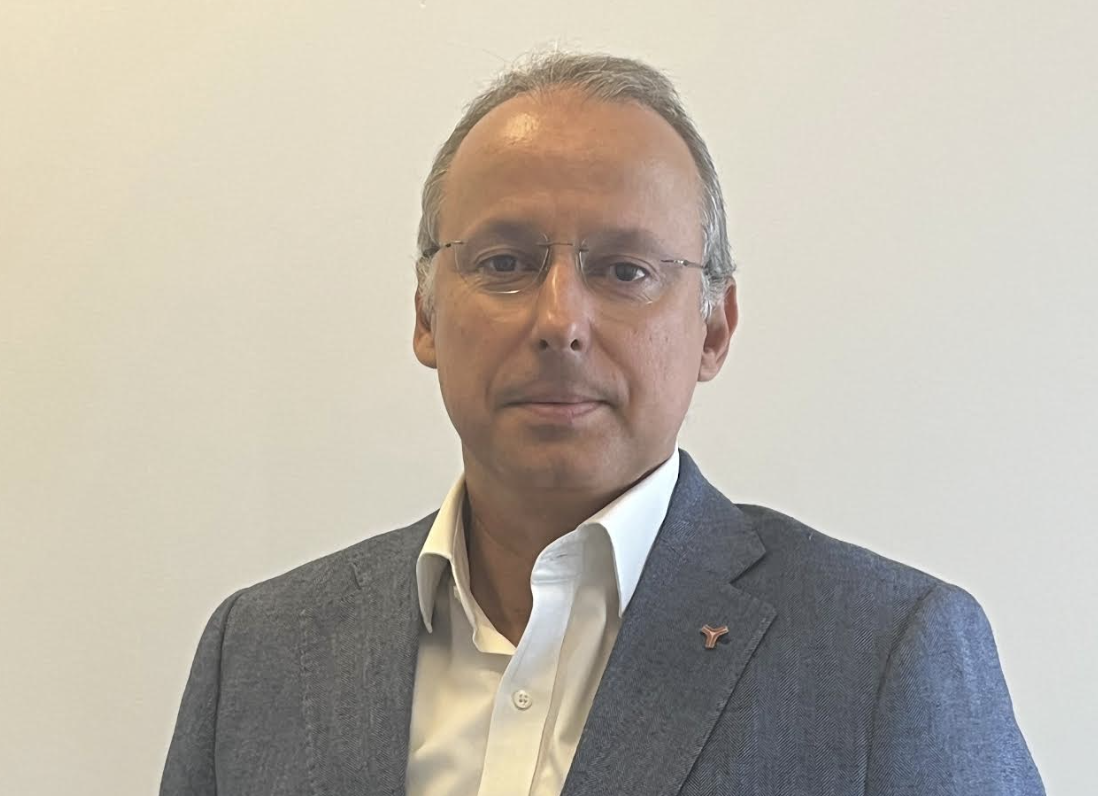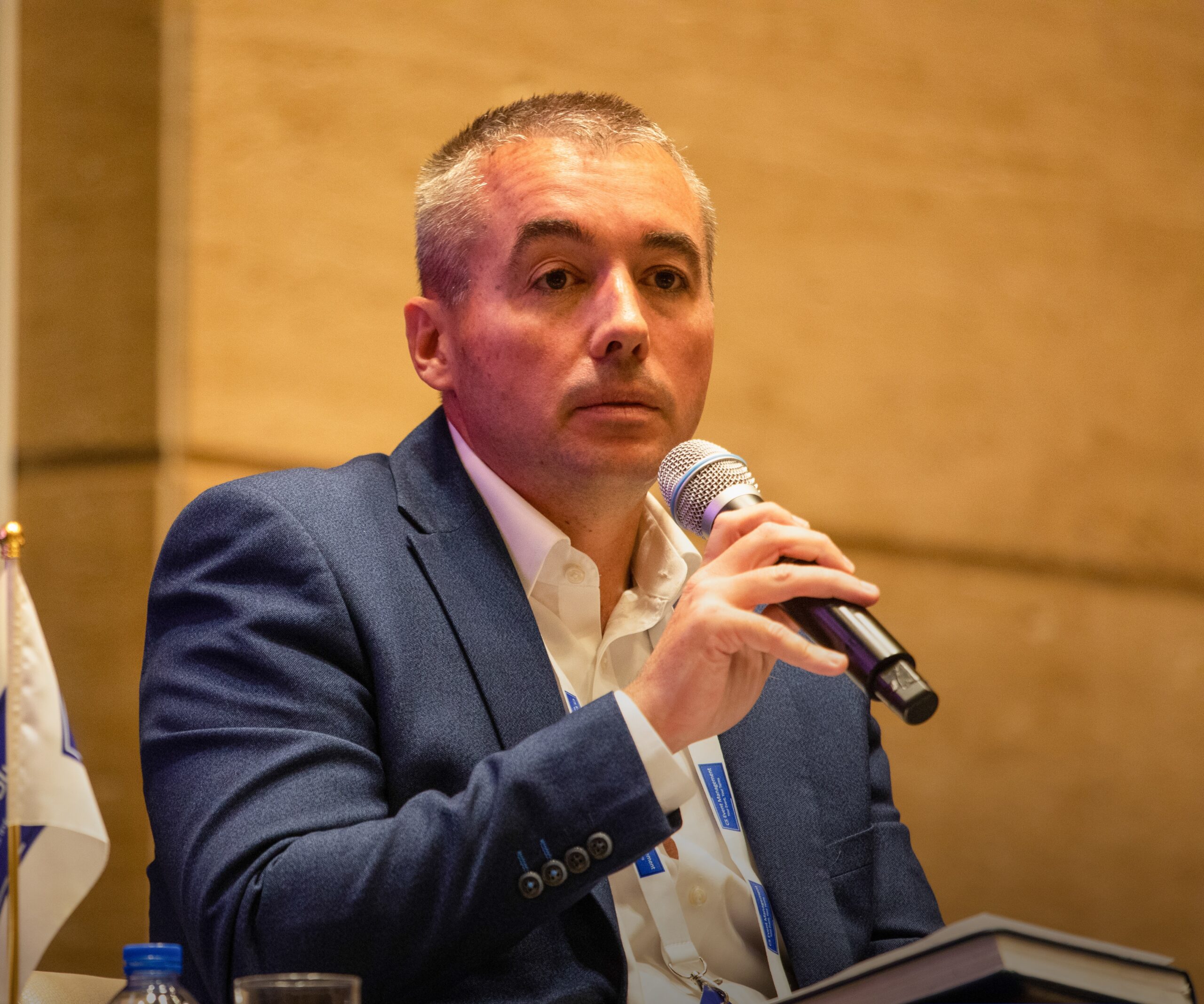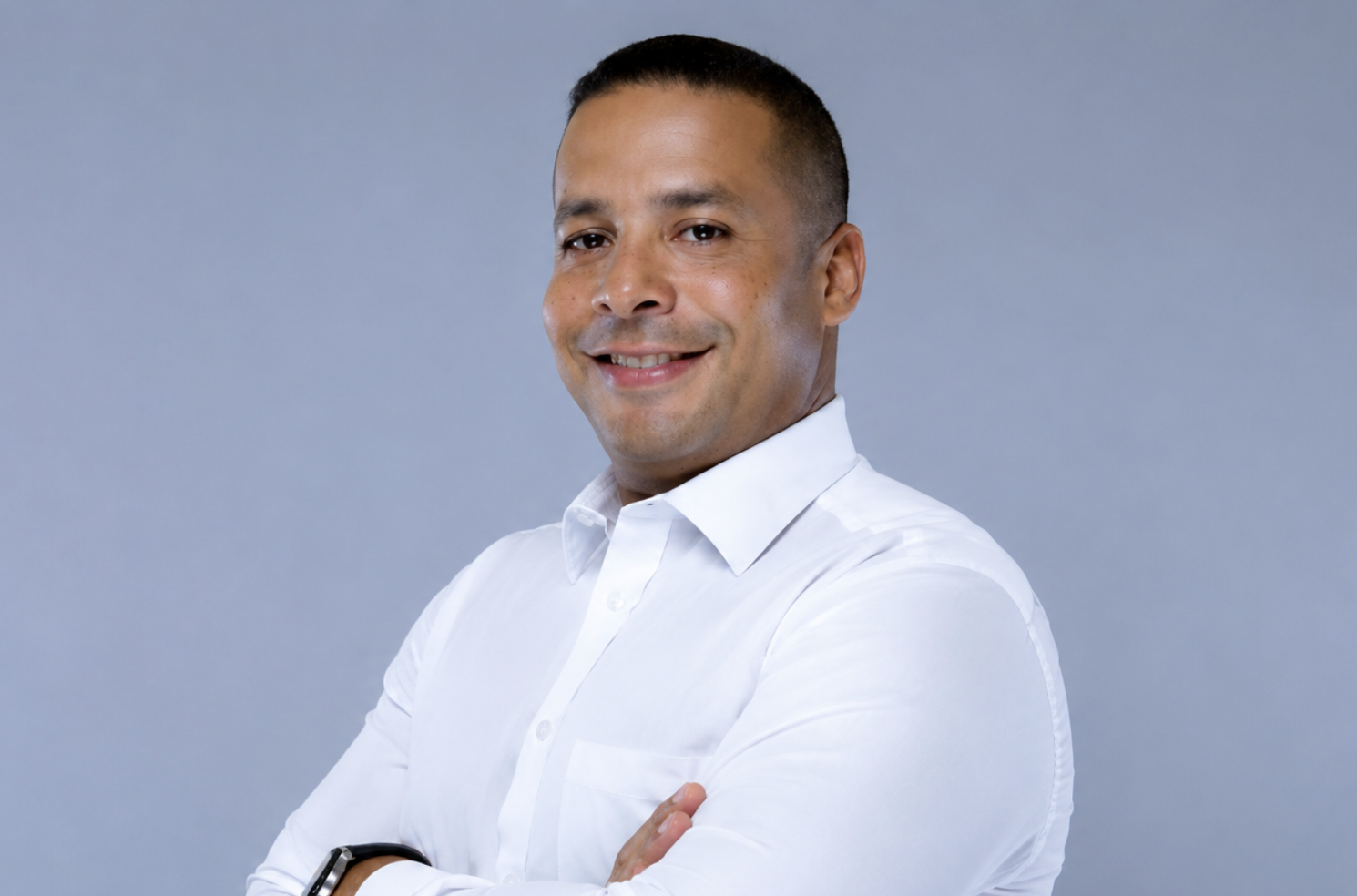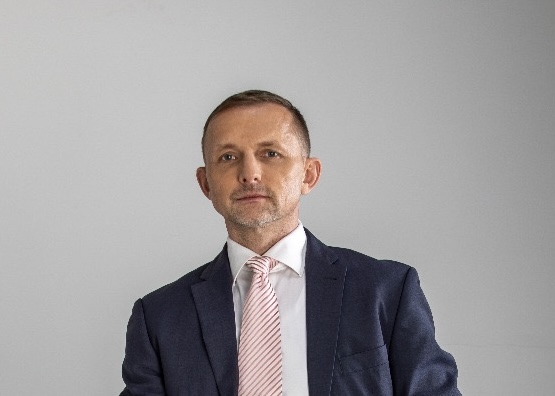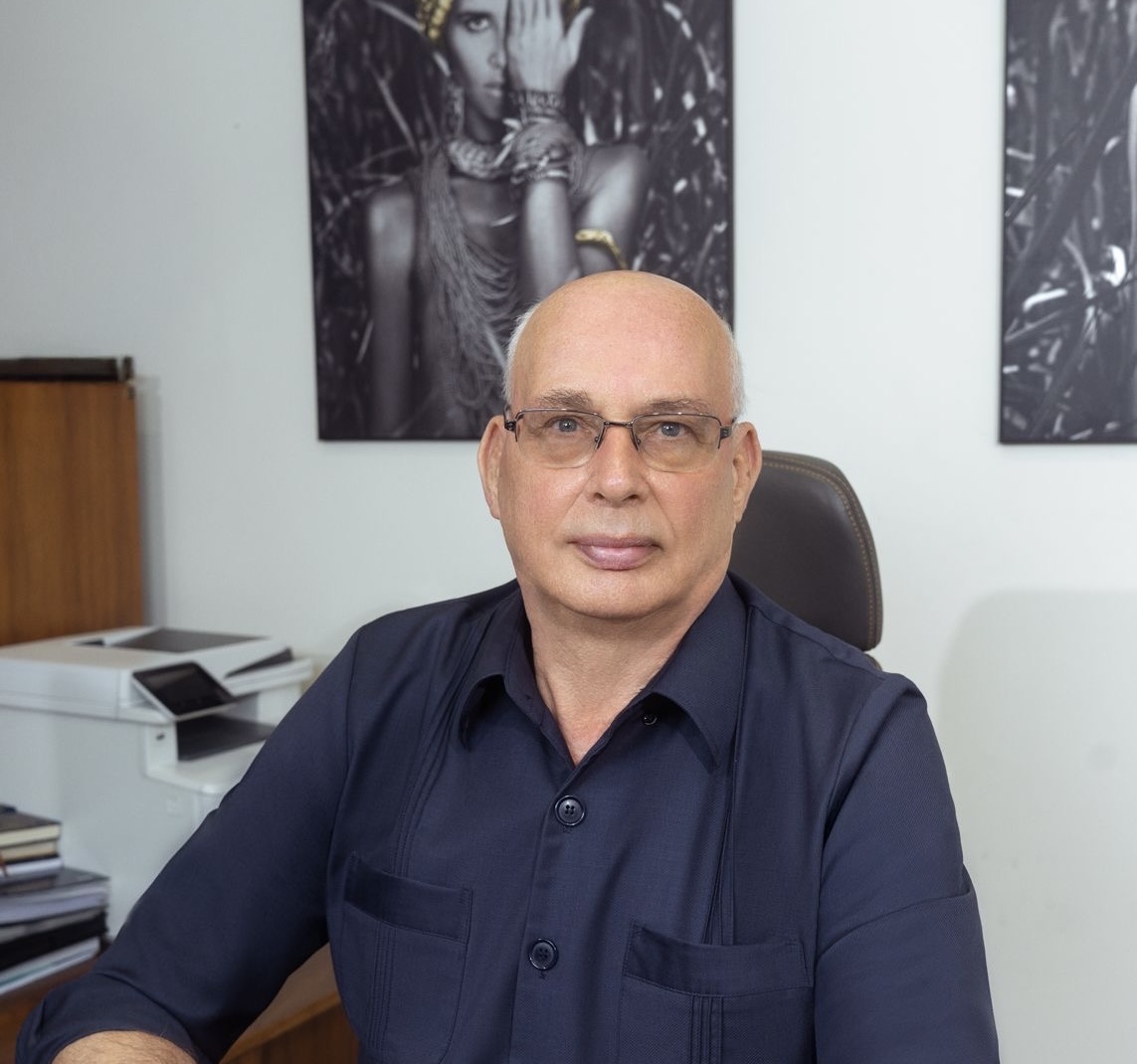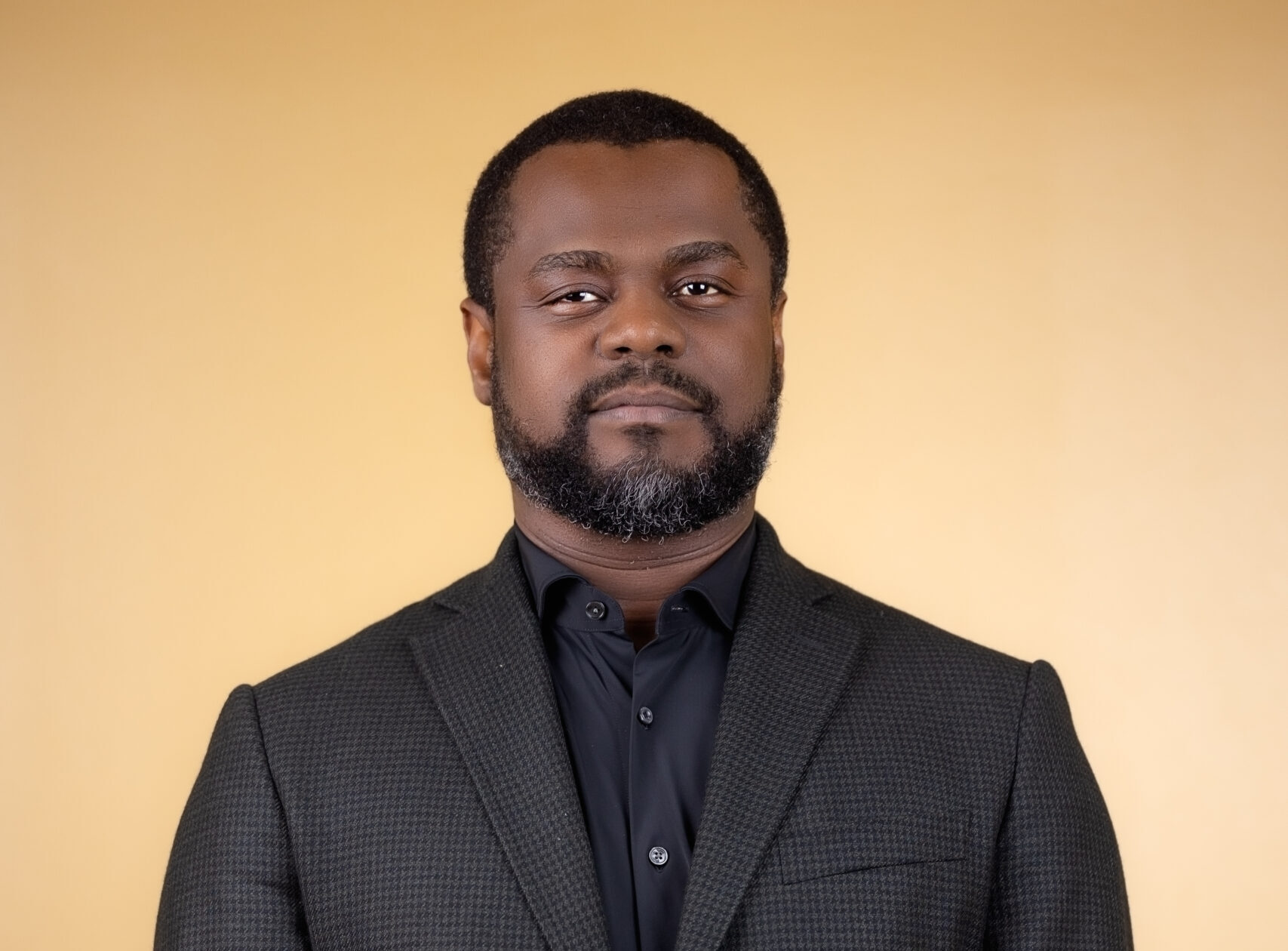

Port Adriano has established itself as one of the most exclusive marinas in the Mediterranean. Designed by Philippe Starck, it combines luxury, sustainability, and innovation in a unique setting in Mallorca. We sat down with Isabel, Operations Director and General Manager of the port, to talk about its history, present, and vision for the future.
Port Adriano is known as one of the Mediterranean’s most exclusive marinas. How has it evolved into a leading destination for superyachts and high-end tourism?
The port was founded in 1978 under the name Puerto Deportivo Pedro Nadal Salas. In 1992, following a first expansion, it became Port Adriano and grew to 404 berths. That marked a big change, moving from small, traditional fishing boats to berths for yachts up to 18 meters, which at the time was a significant development for Mallorca.
In 2007, we launched a major expansion, which was completed in 2012. The project added 82 more berths by extending into the sea, without consuming coastline or affecting nearby posidonia seagrass. The shipyard was also expanded into a 10,000-square-meter facility equipped with a 375-ton travelift. The development included a commercial area and, most importantly, the artistic vision of Philippe Starck, who designed every detail—from the esplanade to the lighting and iconic sculptures—giving the port its distinctive personality.
What makes Port Adriano different from other marinas in Mallorca?
I always say that ports complement one another. Each has its own identity, and that variety enriches the island’s appeal. What sets Port Adriano apart is the mix of exclusivity and tranquility. Our largest berth is 80 meters, but unlike Palma, here you can drop anchor just two minutes outside the harbor entrance, offering both privacy and convenience.
And of course, there’s Starck’s design, which gives the port its unique aesthetic. He designed the public spaces not just for yacht owners but also for visitors, with the idea of creating a beautiful, open space. That’s why we like to say: Port Adriano is exclusive, but not excluding.
Can you share some key figures about the port today?
We currently have 494 berths ranging from 6 to 80 meters. Importantly, most are small berths, which allows us to preserve what I call “social sailing”: many local residents still come here with small boats to fish with their families on Sundays, sharing space with large superyachts. That coexistence is part of the soul of Port Adriano.
In terms of staff, we employ about 50 people here, not including additional personnel in Ibiza, where we also manage marinas.
Port Adriano is not only a luxury marina but also a cultural and social hub. What’s the strategy behind this positioning?
Events are essential. Back in 1996, when I first started here, hardly anyone knew where Port Adriano was. Today, it’s a well-known destination thanks to the events we host: concerts, spring festivals, Christmas ice rinks, family activities—all open to the public, often free of charge.
These events help keep the commercial area alive, attracting visitors beyond yacht owners. They turn the port into a lively meeting point throughout the year, not just in summer.
Sustainability is becoming increasingly important. What initiatives has Port Adriano adopted?
We are committed to the United Nations Global Compact and the 17 Sustainable Development Goals. In 2023, we published our first Corporate Social Responsibility report, which highlighted a wide range of actions:
-
Solar panels across all new buildings.
-
Geothermal systems for energy-efficient heating and cooling of shops and restaurants.
-
Two desalination plants to reduce reliance on municipal water.
-
Electric vehicle charging points, soon to include boat charging stations.
-
Transitioning our internal fleet to electric vehicles, bicycles, and golf carts.
We’ve also participated as a pilot port for electric boat chargers. These projects not only minimize our environmental footprint but also position us as a testbed for sustainable innovation.
And in terms of technological innovation, how is the port adapting?
We’ve digitized and automated many processes. For example, invoices are fully paperless and processed automatically. The water and electricity towers now have smart meters that send real-time data to a customer platform. Soon, we’ll be adding consumption alerts so clients can see if they’re using more than their peers—helpful both economically and environmentally.
We also developed an app where clients can report when they’re away, allowing us to re-let their berth. It’s a win-win: owners benefit financially, we optimize resources, and visiting yachts have more opportunities to moor.
Who is the typical Port Adriano client?
It’s a very international community. Roughly 40% of our clients are Spanish, 40% German, and the rest British, French, and other nationalities. In the larger berths, foreigners predominate. Interestingly, Russian clients have never been a significant segment for us, even before current geopolitical tensions.
As Vice President of the Balearic Nautical Association, what challenges does the sector face?
One of the biggest issues is harmonizing legislation. In Spain, some marinas are under regional authority while others fall under the State’s jurisdiction, which leads to very different rules and taxes. Clients don’t understand these distinctions, which creates frustration.
Another challenge is the short duration of concessions in state-owned ports. This discourages long-term investments in infrastructure or staff. We are also working on simplifying procedures—for instance, by creating shared platforms so that once a contractor has submitted their paperwork in one shipyard, they don’t need to repeat the process in another.
Looking ahead, what are the future plans for Port Adriano?
We don’t foresee expanding further, but we continuously reinvest in improvements. Recently, we renovated the changing rooms and revamped the plaza at the end of the quay with a new fountain. Every year we update facilities to ensure they meet the highest standards expected by our clients.
On a sector-wide level, we see increasing demand for charter services and co-ownership models, which optimize berth usage. At the same time, the transition to cleaner energy is inevitable. Electric propulsion still has limitations for large yachts, but technologies like hydrogen are emerging, though they pose challenges in terms of infrastructure and storage.
Finally, what message would you share with people who have never visited Mallorca?
I’d say: come. Mallorca is a stunning island with so much to offer. From the Tramuntana mountains to the crystal-clear waters preserved by posidonia, it’s a paradise. Whether you’re into golf, cycling, hiking, gastronomy, or wine, there’s something for everyone.
Those who discover Mallorca tend to return again and again. And Port Adriano is the perfect gateway to experience it.