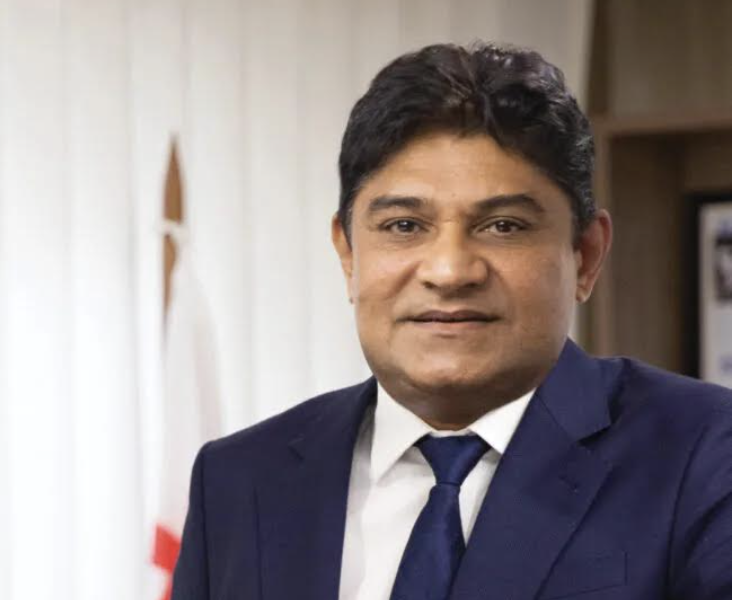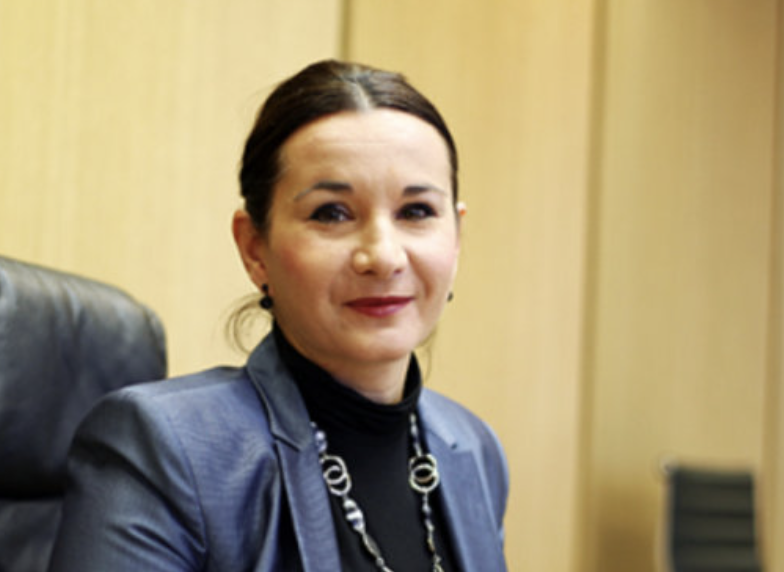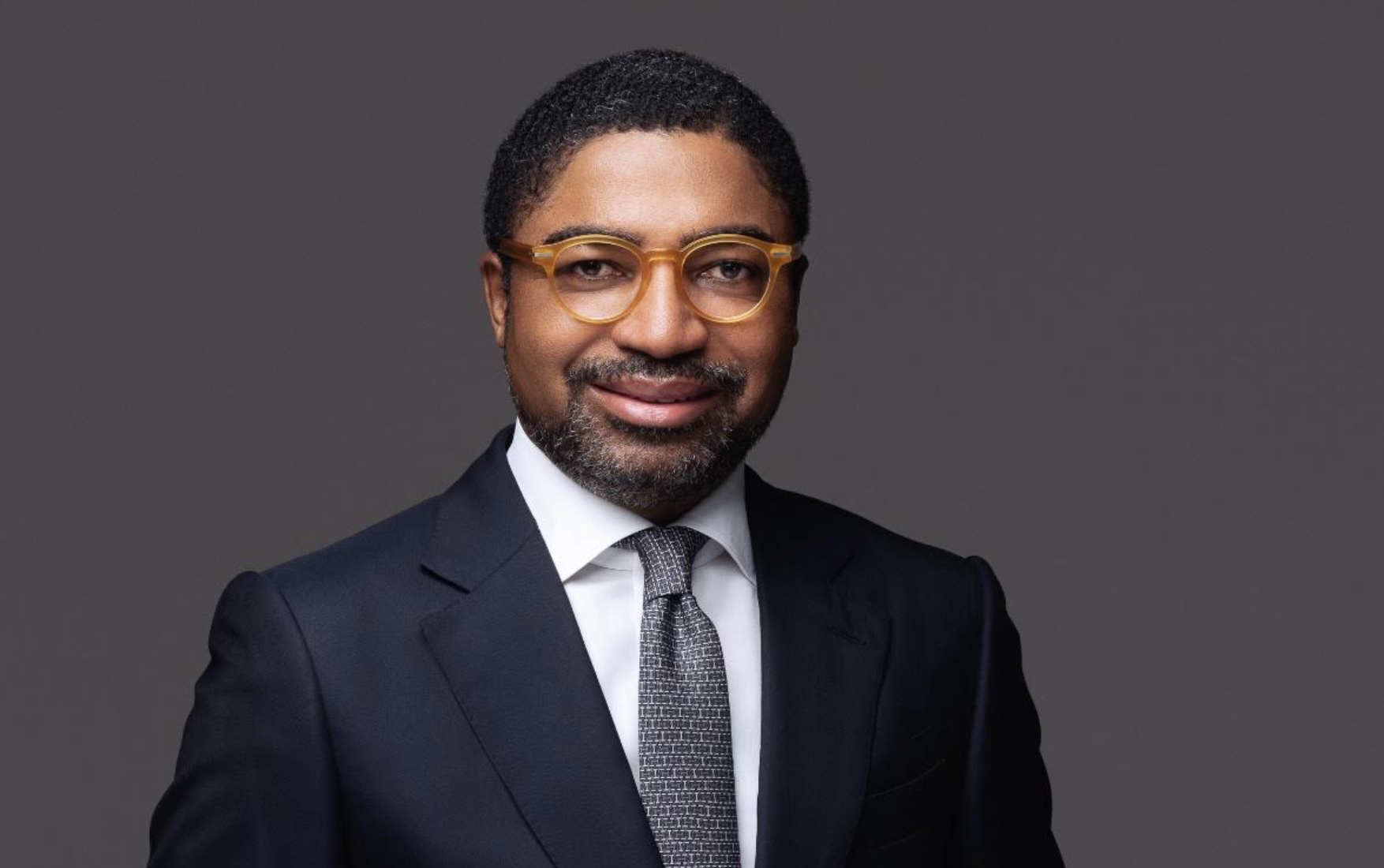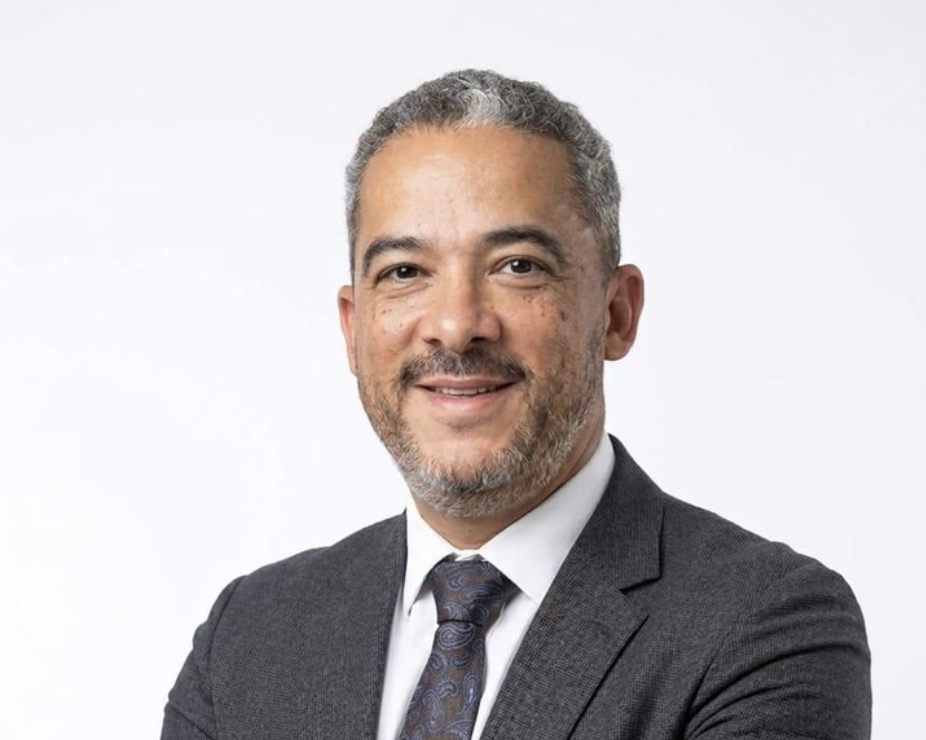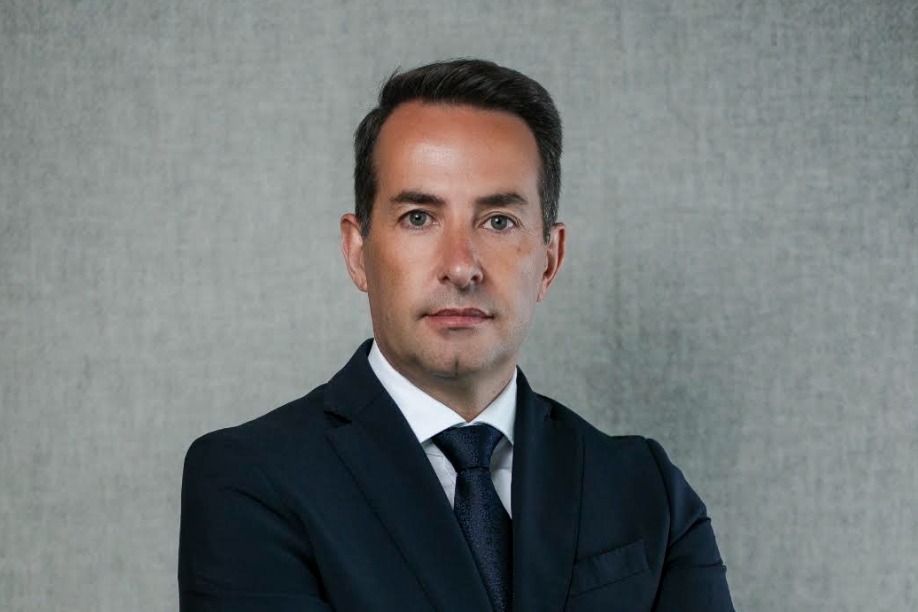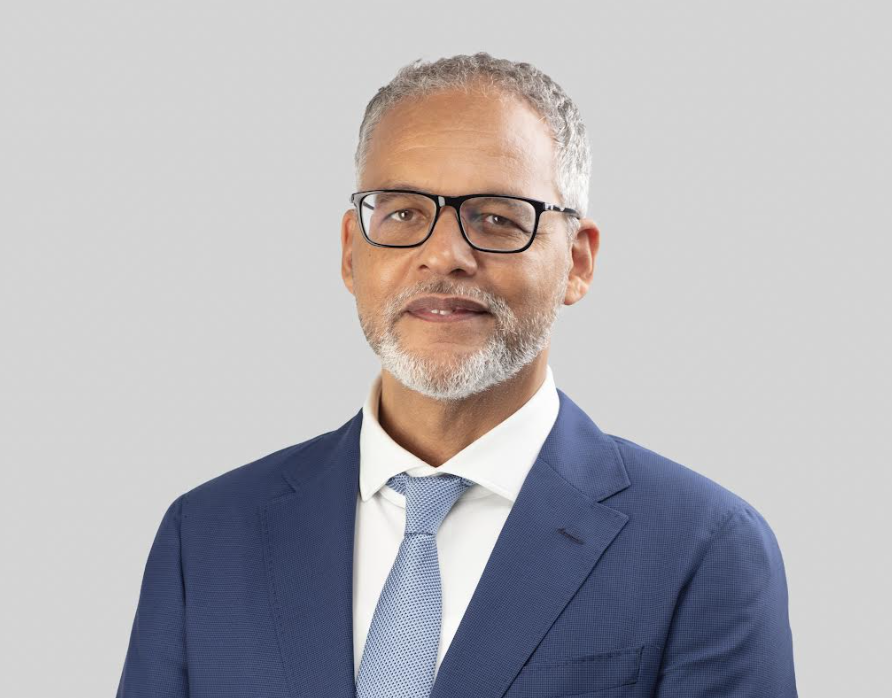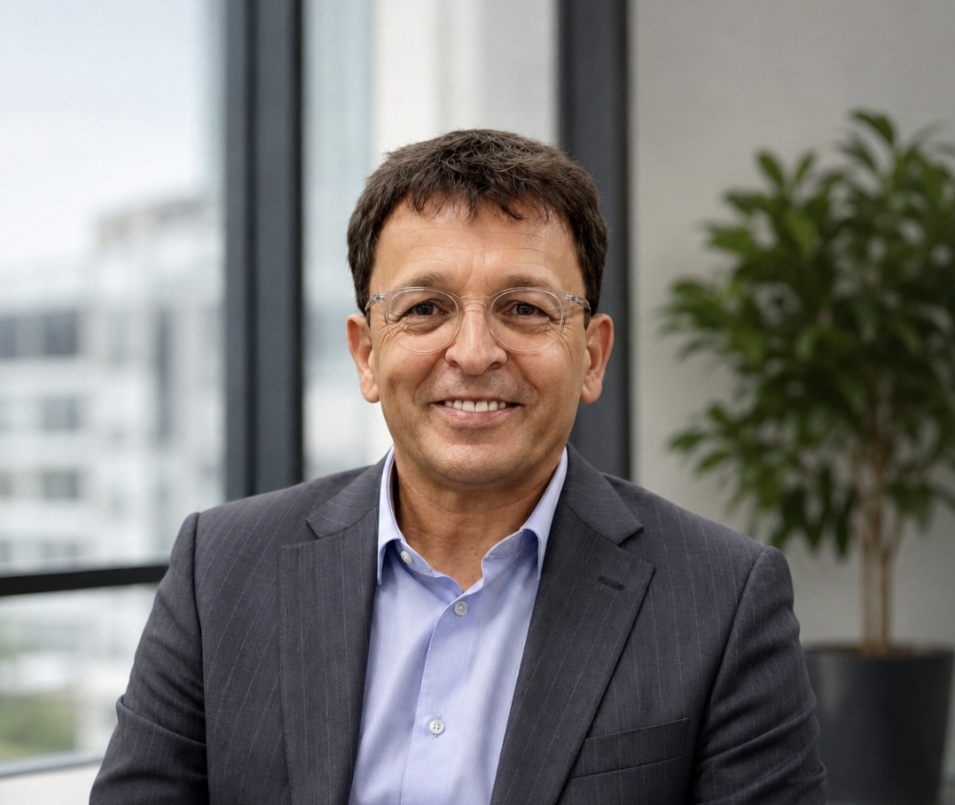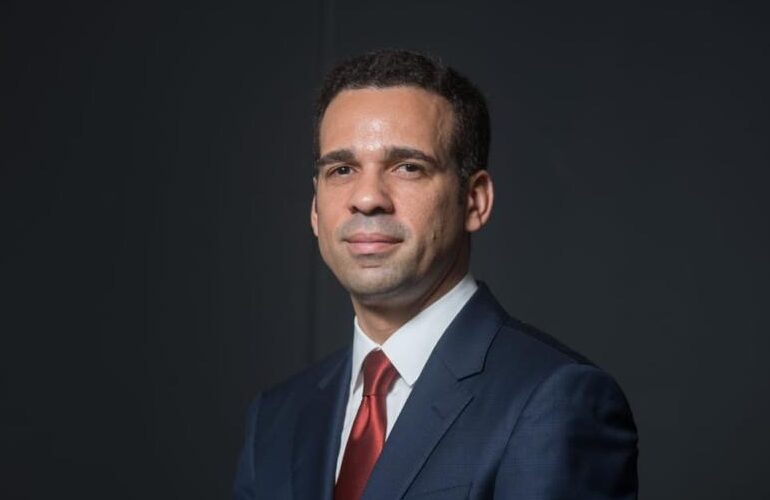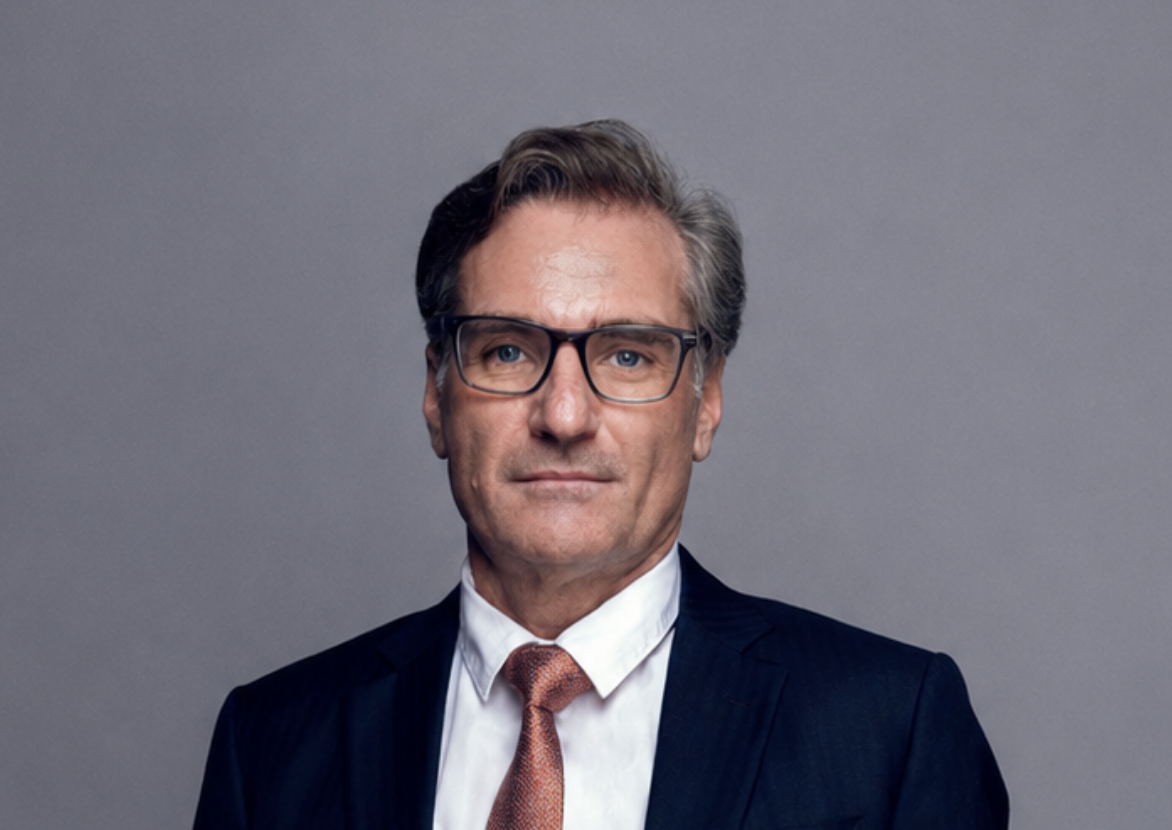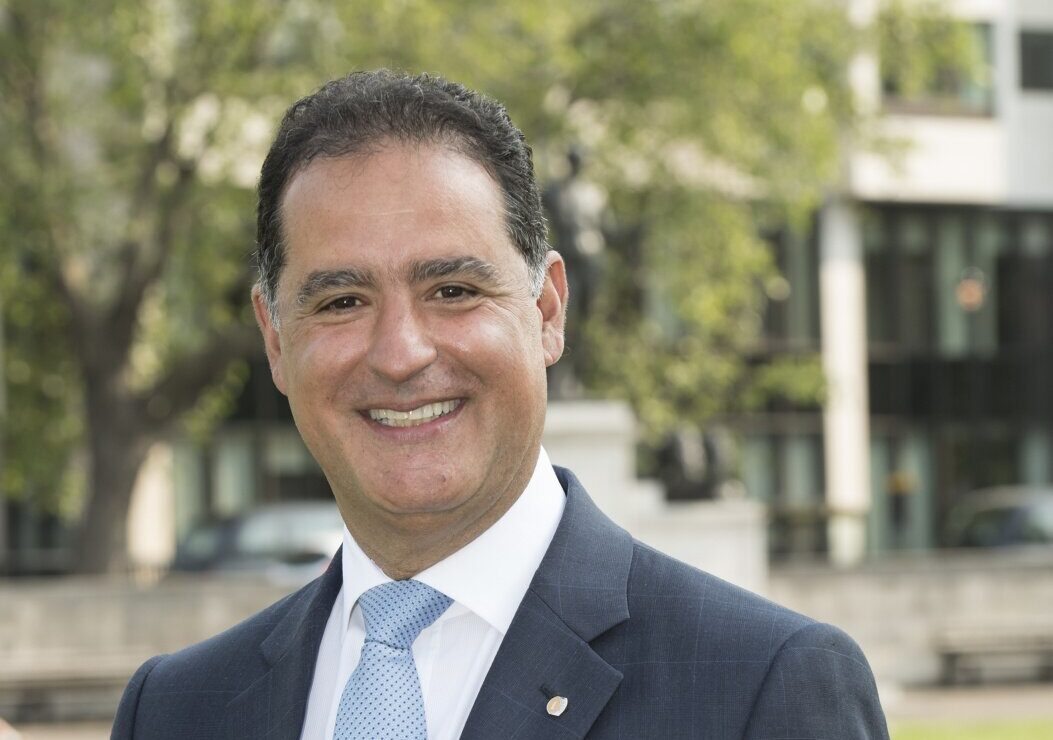

You have been leading the Consell de Mallorca for about a year and a half. Since taking office, you have launched a new stage for the island. What would you highlight as the main achievements of your administration so far, especially in relation to tourism, sustainability, and the economy?
Our policies are centered on people. Today we face two major challenges: rethinking mobility in Mallorca and reshaping our tourism model. Tourism has brought us great success over the decades, but we must now adapt it to the present and the future of Mallorcan society.
Let’s start with mobility. What specific initiatives are underway?
We have launched a pioneering project that had never been addressed before by the island institution. About 80% of mobility issues are concentrated on the access routes to Palma. To address this, we are developing a network of park-and-ride facilities in different municipalities. The idea is for citizens to leave their private cars and move around the island using public transport. In this way, we move toward a more sustainable and efficient model.
And in terms of tourism?
We are redefining the “Mallorca” brand. We want an island that offers quality, authenticity, and sustainability, and that does not allow uncontrolled tourist supply to compete unfairly with local businesses. Our commitment is to the residents — to the Mallorcans — who must always be at the core of our policies.
What exactly does it mean to reformulate the island’s brand?
It means projecting Mallorca to the world with an updated narrative where quality and respect for the environment are central values. We want to attract visitors who appreciate Mallorca’s culture, nature, and identity. This is not just a tourism challenge, but a commitment to society as a whole.
Mallorca has been an international benchmark in tourism for decades. How do you envision the sector’s future under this new vision?
Mallorca will remain a leader in tourism. Some of the most important players in the global sector were born and developed here. But the future requires a new mindset. We must ensure that tourism is compatible with the quality of life of residents and the preservation of our territory. I am convinced that if we work with this vision, Mallorca will continue setting trends internationally.
How does this focus on residents take shape in practice?
Every decision we make is aimed at improving their daily lives. From public transport to tourism regulation, our goal is to ensure that living in Mallorca is not a burden. We want Mallorcans to feel proud of their land, not overwhelmed by the consequences of poorly managed tourism.
What role do municipalities play in these projects?
They are fundamental. We are working hand in hand with local councils to design the necessary infrastructure, such as park-and-ride facilities and better public transport connections. Institutional cooperation is key to making this model successful.
Beyond mobility and tourism, what other areas are strategic for the Consell?
All public policies must be aligned with sustainability and social well-being. We are talking about the economy, culture, the environment, and social services. These are not isolated initiatives but part of an integrated model that looks to the future and positions Mallorca as a reference not only in tourism but also in social and cultural terms.
What message would you like to share with the citizens reading this interview?
They can trust that we are working for them. Our commitment is clear: to build a sustainable, prosperous, and fair Mallorca. We want future generations to enjoy an island that preserves its essence while also offering opportunities for development and well-being for all.