
Mallorca, Golf & Sustainability
Luis Nigorra and the Santa Ponsa Case: A Model of Tourism Balance
Mallorca constantly walks the tightrope between success and challenge. Its global image as a sun-soaked paradise often overshadows the fact that, beyond its iconic beaches, lies a sophisticated industry striving for balance, sustainability, and added value. Among its standout examples is Golf Santa Ponsa, a club nearing its 50th anniversary, embodying a business model that harmonizes quality tourism, economic impact, and environmental responsibility.
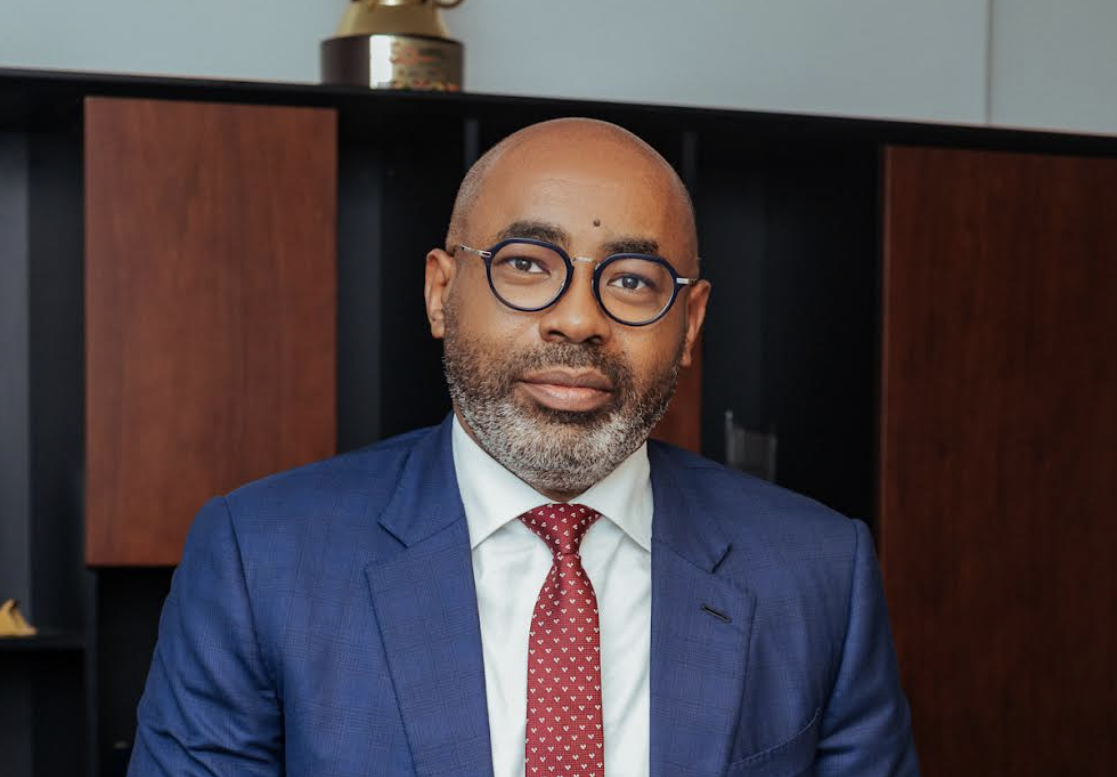
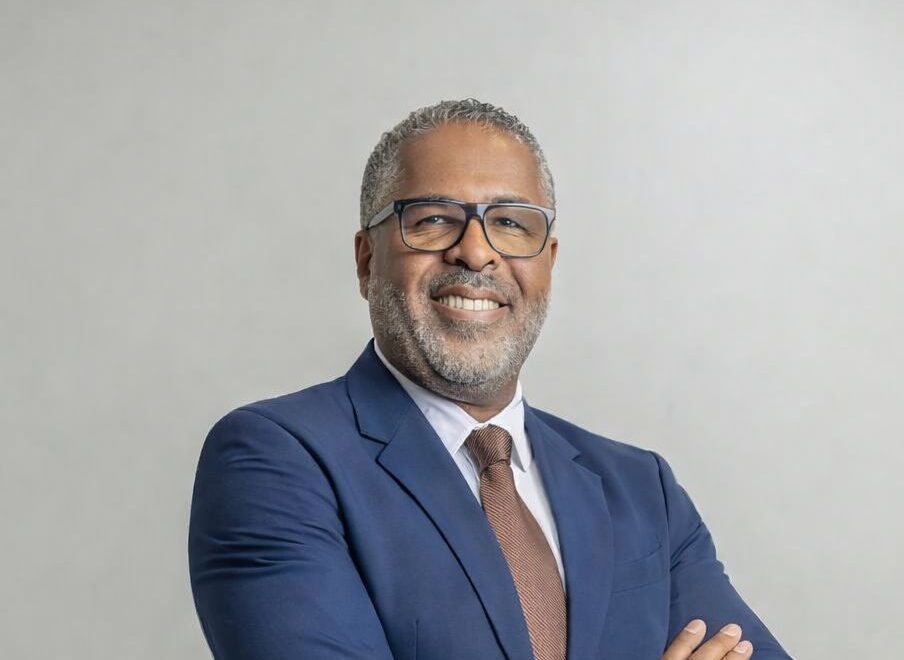
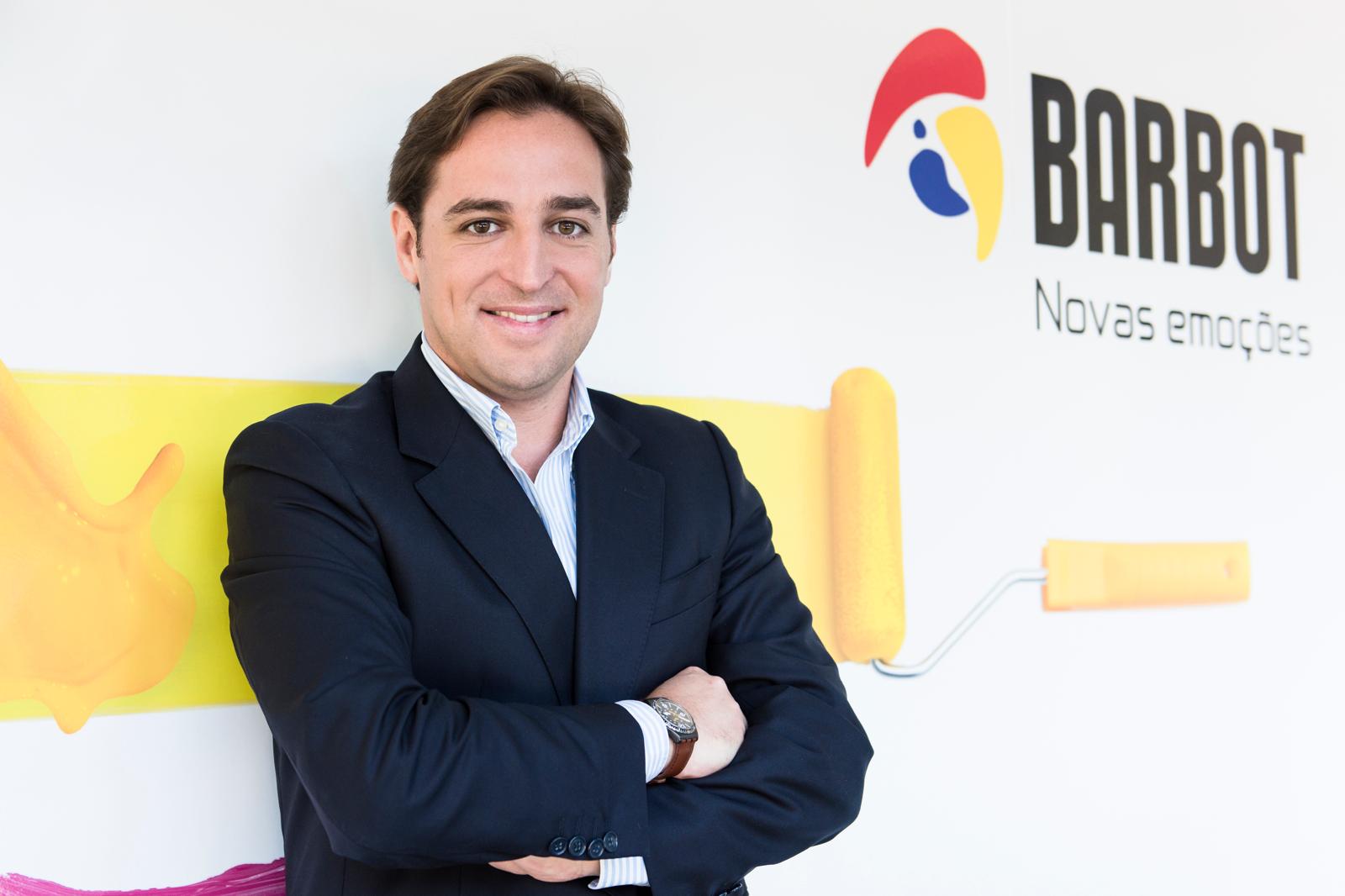
In this exclusive conversation, we speak with Luis Nigorra, Director of Golf Santa Ponsa and a leading figure in Mallorca’s golf industry, to unpack the present and future of this strategic sector.
“It started as a real estate project, today we are fully self-sufficient”
How did Golf Santa Ponsa come to life?
The original vision was real estate-driven, initiated by my grandfather, who was a major shareholder of Banco de Crédito Balear. Santa Ponsa was a bank-owned estate, and it was believed that building a golf course and marina would boost land value and provide long-term stability to the bank. The course opened in 1977 and has since evolved into a thriving club with over 1,100 members, blending sports, social life, and economic value into one integrated project.
“98% of the water used by Mallorca’s golf courses is recycled.”
An international, exclusive, and socially vibrant club
Who are your members and clientele?
Primarily Europeans: around 45% are German, 30% British, 15% Nordic, and less than 10% Spanish. Many are second-home owners, ensuring long-term loyalty. What sets Golf Santa Ponsa apart is exclusivity—we are the only club in Mallorca where two of our courses are reserved strictly for members and guests, a level of exclusivity highly valued by our community.
Mallorca’s unique strength as a golf destination
What makes Mallorca stand out compared to other golf hotspots?
Location and connectivity. We’re just two hours away from most European capitals, a convenience that places us ahead of competitors like the Canary Islands. Plus, the island offers variety—21 courses within an hour’s drive. Golfers don’t just visit once a year; many return 4 to 5 times annually for short, high-value stays.
“Every euro spent on golf generates nine more in the local economy.”
Golf: The quiet economic multiplier
What is golf’s real impact on the island’s economy?
The figures are striking. Every euro spent at a golf course triggers an additional nine euros spent elsewhere—in restaurants, shops, wineries, transport, and car rentals. Golf tourists also stay about three days longer than the average visitor, and roughly 20% end up purchasing property on the island. This kind of visitor is vital for extending the season and driving year-round prosperity.
Sustainability: Beyond the clichés
How does the sector respond to environmental criticism?
There’s a lot of misinformation. About 98% of the water used by golf courses is recycled, and Mallorca leads globally, with nearly 100% reuse. Moreover, most courses have implemented digital irrigation systems to optimize consumption, reduced turf areas, and embraced native vegetation. Social sustainability also matters: 96% of our staff hold permanent contracts and 95% are full-time. Unlike much of the tourism sector, golf provides stable, quality employment.
“We are the only European destination where 100% of golf courses irrigate with recycled water.”
Challenges: Insularity and Taxation
What are the sector’s main challenges?
Insularity is the main one. Everything costs more here—sand comes from mainland Spain and costs five times as much, we have fewer treatment options, and environmental restrictions are stricter (which is good but demands efficiency). We also face an unfair tax burden: golf pays 21% VAT while other tourism sectors pay just 10%. This is illogical, especially when golf drives significant additional spending.
What’s next for Golf Santa Ponsa?
We are building an 88-room hotel to be managed by Meliá under its “Collection” brand, aiming for an opening between 2026 and 2027. We’ve also completely overhauled our irrigation system, modernized bunkers, improved energy efficiency with new pumps, and are planning a new lake to enhance water sustainability. Our philosophy is always to invest in quality—not just in facilities but also in management.
The Future of Mallorca
How do you envision Mallorca 10 years from now?
Ideally, a desaturated island with 9 or 10 months of real activity, not just a summer destination. We have the climate, culture, gastronomy, sports, and connectivity to achieve it. Mallorca is not overcrowded; it just needs better tourism distribution. We also need urban planning improvements and shouldn’t fear moderate, well-planned growth to address challenges like housing shortages and infrastructure renewal.
What would you say to those who question Mallorca as a destination or golf as a sustainable activity?
I invite them to discover the real Mallorca, the one that lives 12 months a year. Tourism is essential—it provides stability, jobs, and quality of life. As for golf, it’s neither elitist nor unsustainable. On the contrary, it creates stable employment, generates wealth for the island, and manages its resources responsibly. Mallorca still has room to grow—but in an orderly and sustainable way.
“Mallorca isn’t saturated; it just needs better tourism flow management.”