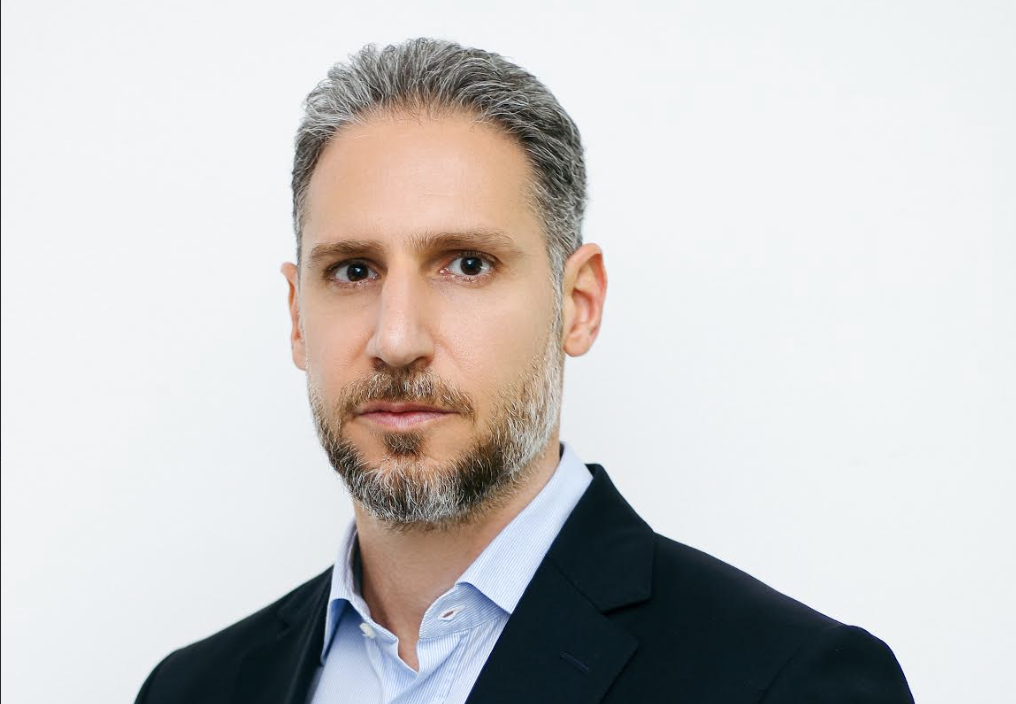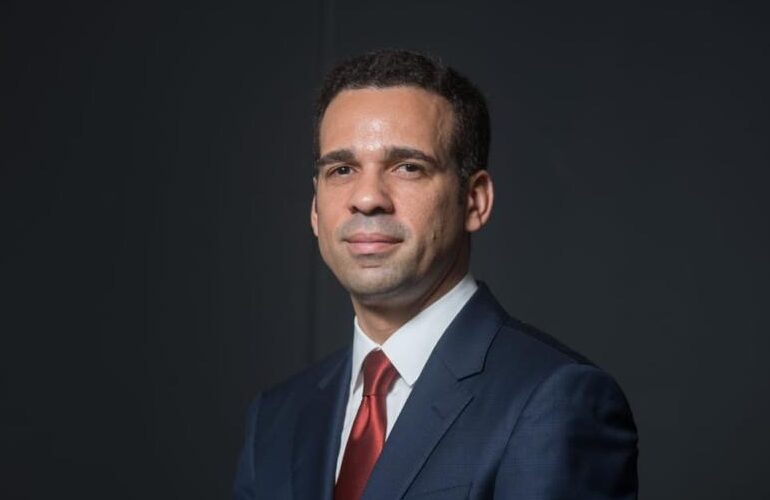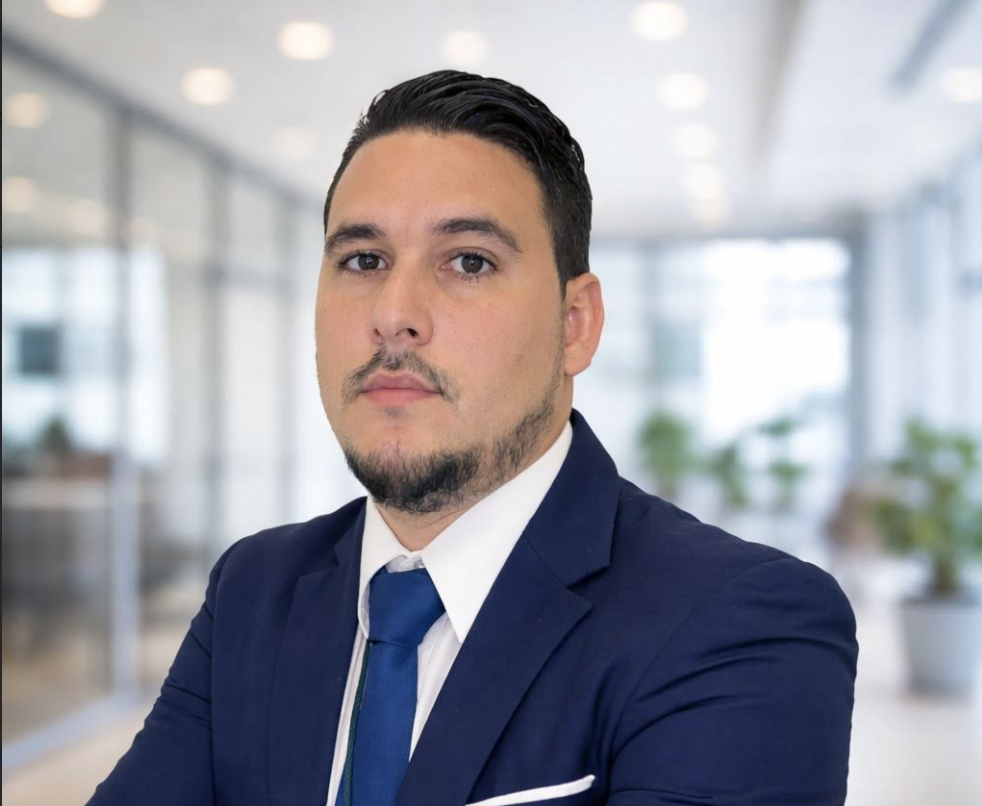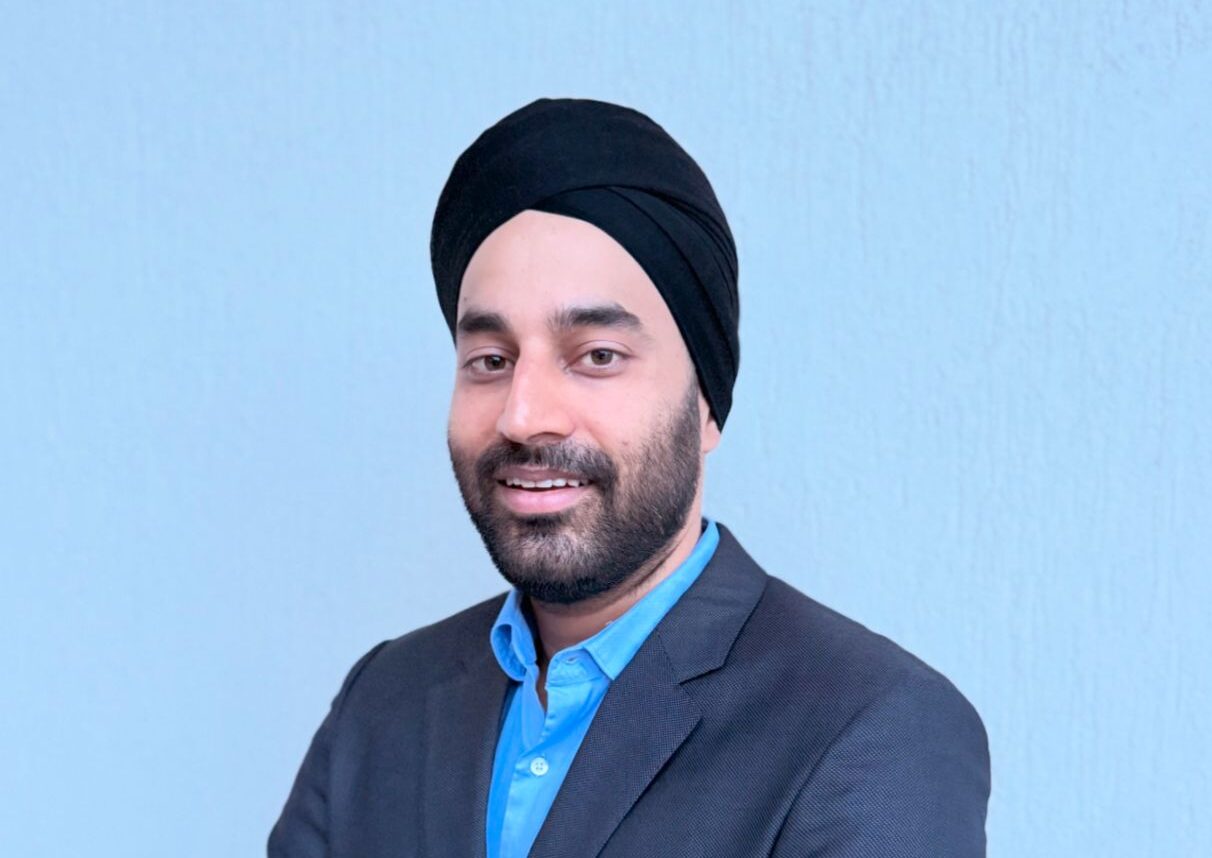

How did Essentially Mallorca come about and what role does it play in transforming the island’s tourism?
Essentially Mallorca is a non-profit association created in 2013 to bring together the island’s luxury tourism companies. Today we have 71 members ranging from hotels, golf courses and marinas to restaurants, transfer companies and local producers. Our mission is to position Mallorca as a top international luxury destination through joint actions at trade fairs, workshops, social media and other promotional initiatives.
What does “luxury” mean in the Mallorcan context?
For us, luxury is not ostentation but authenticity. We call it “quiet luxury”: enjoying a traditional pamboli sandwich, the landscape of the Serra de Tramuntana, local produce and traditions. We want visitors to experience the true Mallorca and take home something unique and sustainable.
How do you ensure quality for visitors?
Essentially Mallorca is a seal of quality. Not every five-star hotel can be a member. We require integration of local products, sustainability beyond legal minimums and a clear Mallorcan identity in every detail. We want guests to feel they are in Mallorca, not in just any luxury hotel in the world.
How do you work with public institutions?
We have two main lines of collaboration. With the Balearic regional government we carry out strategic projects such as an economic impact study of the luxury segment with the University of the Balearic Islands. With the Consell de Mallorca we focus on promotion: in 2023 we jointly attended events such as the Arabian Travel Market in Dubai, ILTM Brazil and Emotions in Seville to reach North and Latin American markets.
What is the structure of the association?
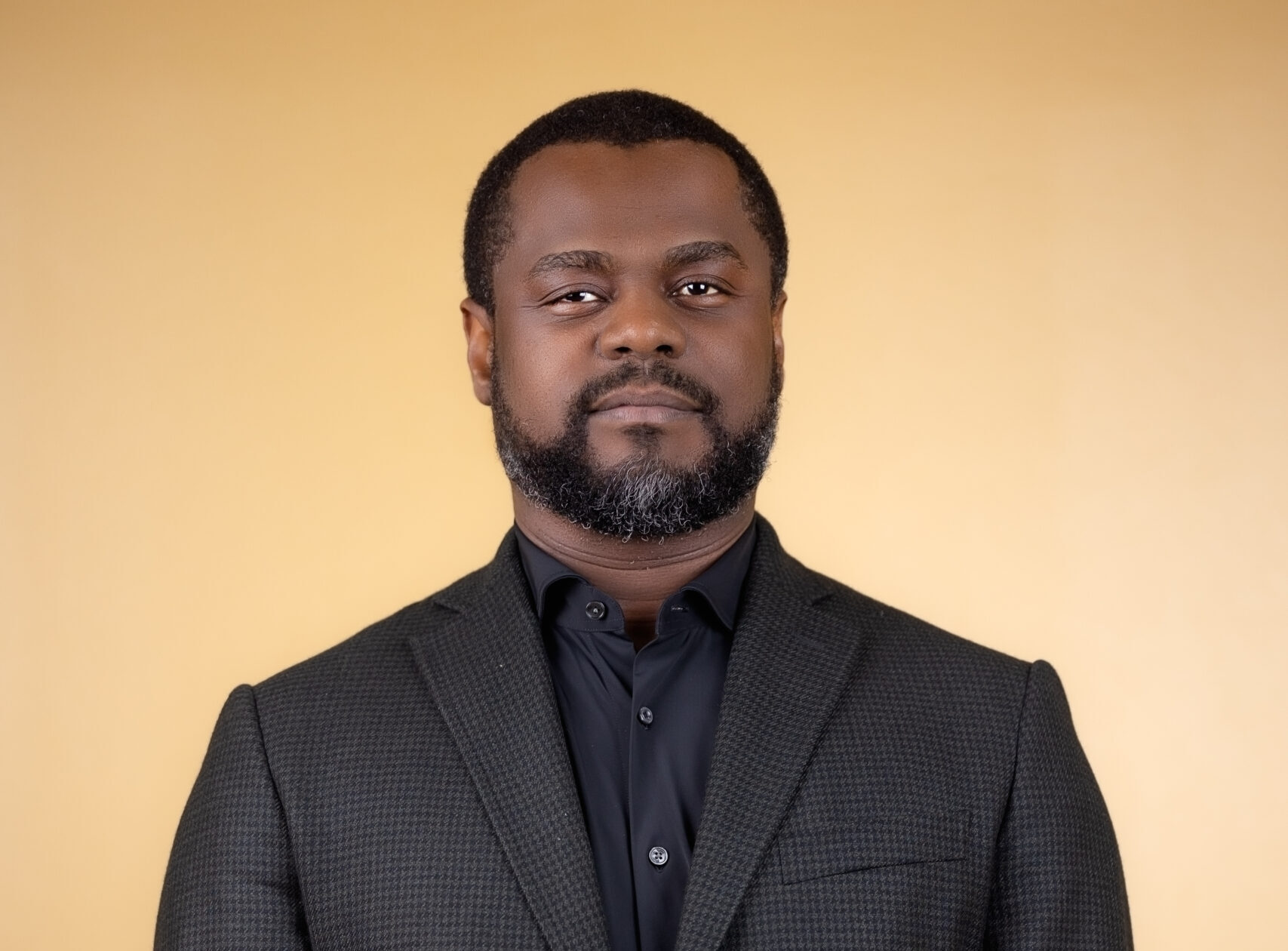
We are a small organisation. I am the manager, supported by a social media specialist, and we have a seven-member board composed of senior executives from the sector. We meet monthly to plan and monitor our action plan. Our president is Jesús Cuartero (CEO of Vanity Welcome); our vice-presidents include companies linked to golf, gastronomy and cycle tourism, all key activities in high-end travel.
How has Mallorca evolved into a premium destination?
I would highlight three phases. First, from 2008 onwards, the limitation on hotel beds in Palma and the rise of boutique hotels elevated the quality of accommodation. Second, the growth of independent hotels that respect and integrate the landscape, such as Can Simoneta or El Racó d’Artà. Third, the arrival of prestigious international chains like Four Seasons and Mandarin Oriental, now investing in the island. All this has strengthened Mallorca’s image as a luxury destination.
The U.S. seems to play an important role in this new phase.
Absolutely. After the pandemic, Mallorca opened up to the U.S. market. United’s direct flight has had a major impact and many of our members now rank the American market among their top three, not just in visitor numbers but in average spend per guest.
What other emerging markets are you focusing on?
Alongside the U.S., we are working with Mexico and Brazil, which have enormous potential. We are also analysing Asia and the Middle East, which require specific strategies: adapting social media channels, offering services in Chinese, or meeting very high hospitality standards. We want to grow steadily and sustainably.
How do you reconcile attracting high-spending visitors with concerns about over-tourism?
Our model is “value before volume”. With fewer but higher-spending visitors, economic returns are maintained or even increased, and with lower impact on the territory, the environment is better protected. It is a paradigm shift that strengthens the three pillars of sustainability: economic, environmental and social. Jobs in this segment are of higher quality and wages are higher too.
What share of Mallorca’s tourism is luxury at the moment?
We estimate that between 7 and 8 percent of visitors belong to the luxury segment, but we need official data. That is why we are working with the university and the regional government to produce a solid economic impact study to guide our planning.
What are Essentially Mallorca’s objectives for 2025?
We have two priorities: to increase the number of member companies and to consolidate emerging source markets, especially the U.S. and Latin America, without neglecting traditional ones.
Which initiatives best showcase the authentic Mallorca?
There are exemplary projects such as Son Moragues, an estate in the Serra de Tramuntana converted to organic farming and offering visitor experiences and local crafts; Arabella Golf, a benchmark for premium golf; and Flor de Sal, which has taken a traditional Mallorcan salt to gourmet shops worldwide. We also have Cortana, a Mallorcan fashion designer with international success. These examples illustrate the potential of luxury tourism connected to the territory.
Beyond tourism, you also talk about attracting technology and innovation companies.
Mallorca has enormous potential to diversify its economy. In areas such as the Son Gant industrial park, plots are being set aside for tech companies, alongside major investments in housing and innovation spaces. We also want to showcase this side of the island: as a Mediterranean hub for technology and audiovisual industries to complement tourism.
What events are you planning?
We hold annual Essentially Mallorca Awards, and in 2025 for the first time we will bring to Mallorca a major international event promoting the luxury segment, previously held in Seville. It will be an opportunity to present our members and the new Mallorca to the world.
Finally, what would you say to people who have never been to the island?
Visiting Mallorca is a unique experience. You will find landscapes, gastronomy, culture and traditions that cannot be replicated elsewhere. We work to preserve these qualities so that every visitor can enjoy a special, authentic and sustainable island.