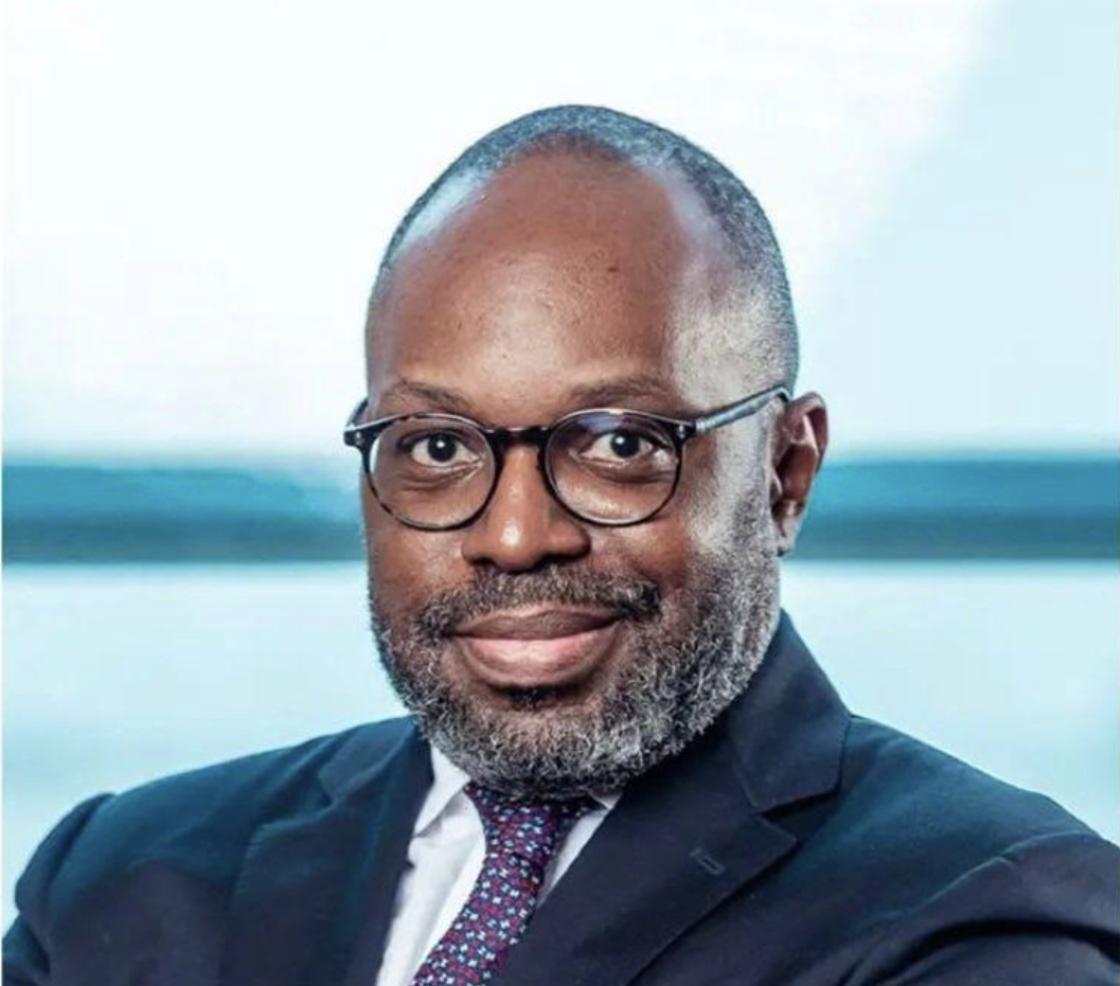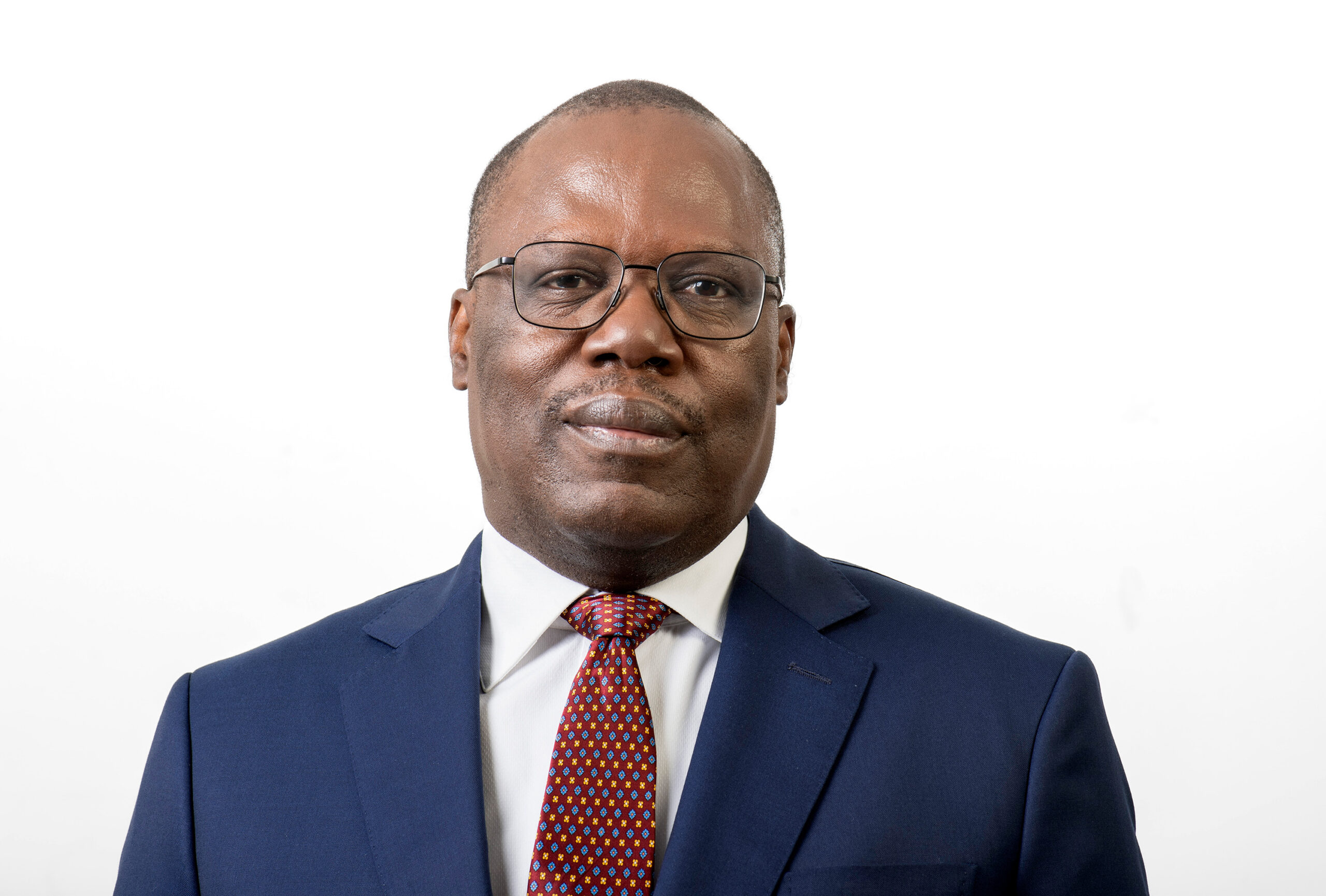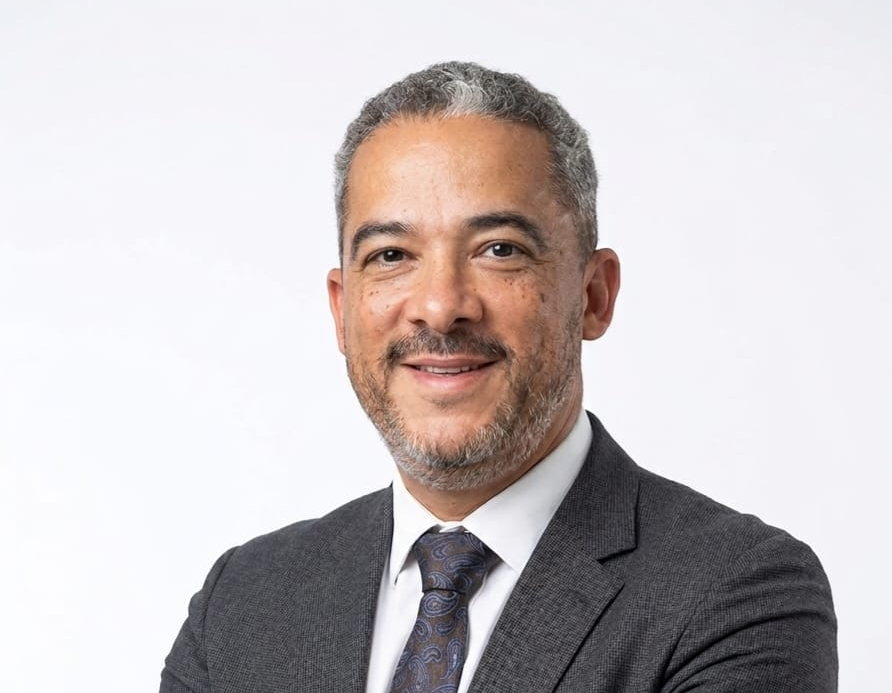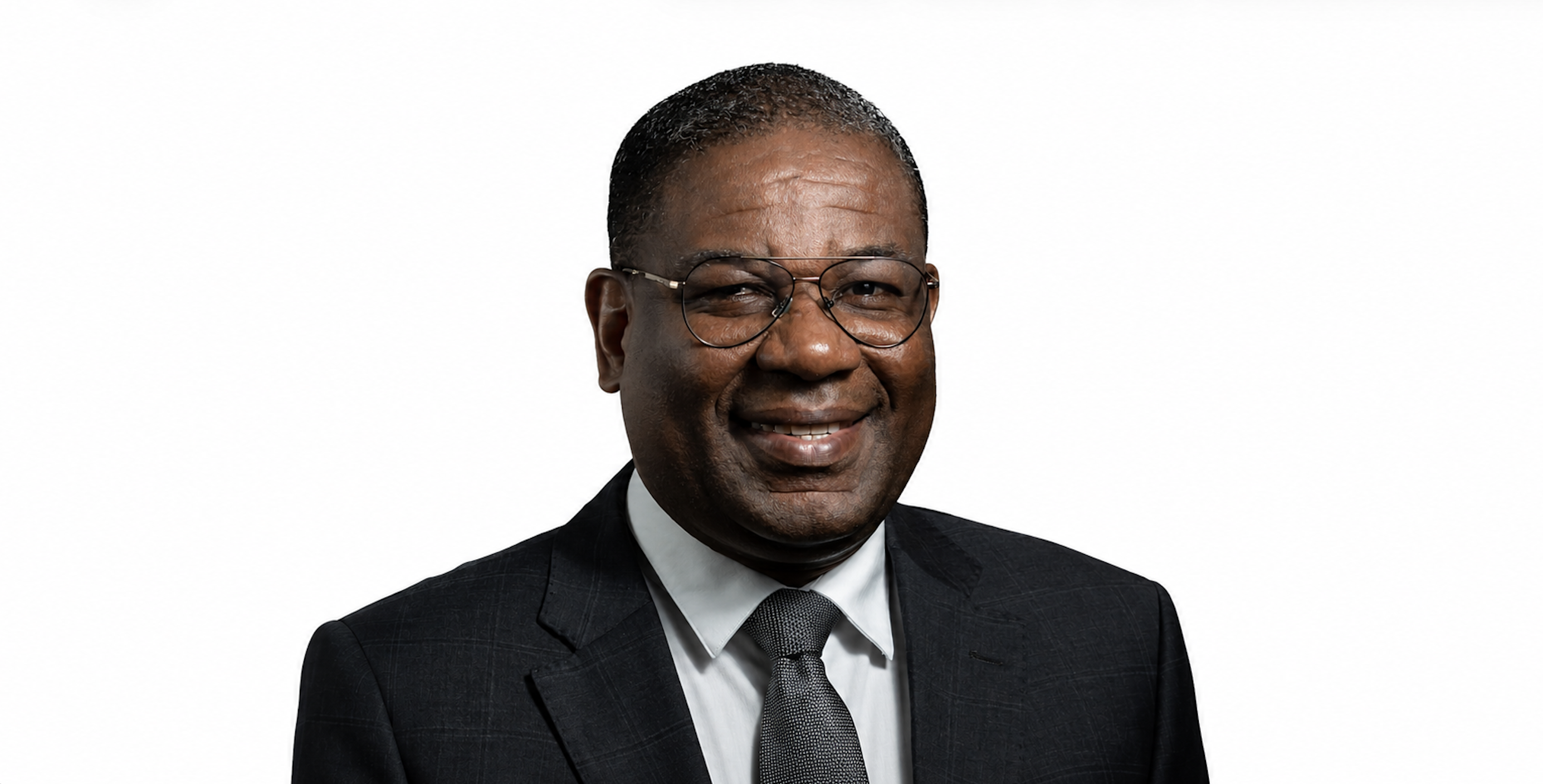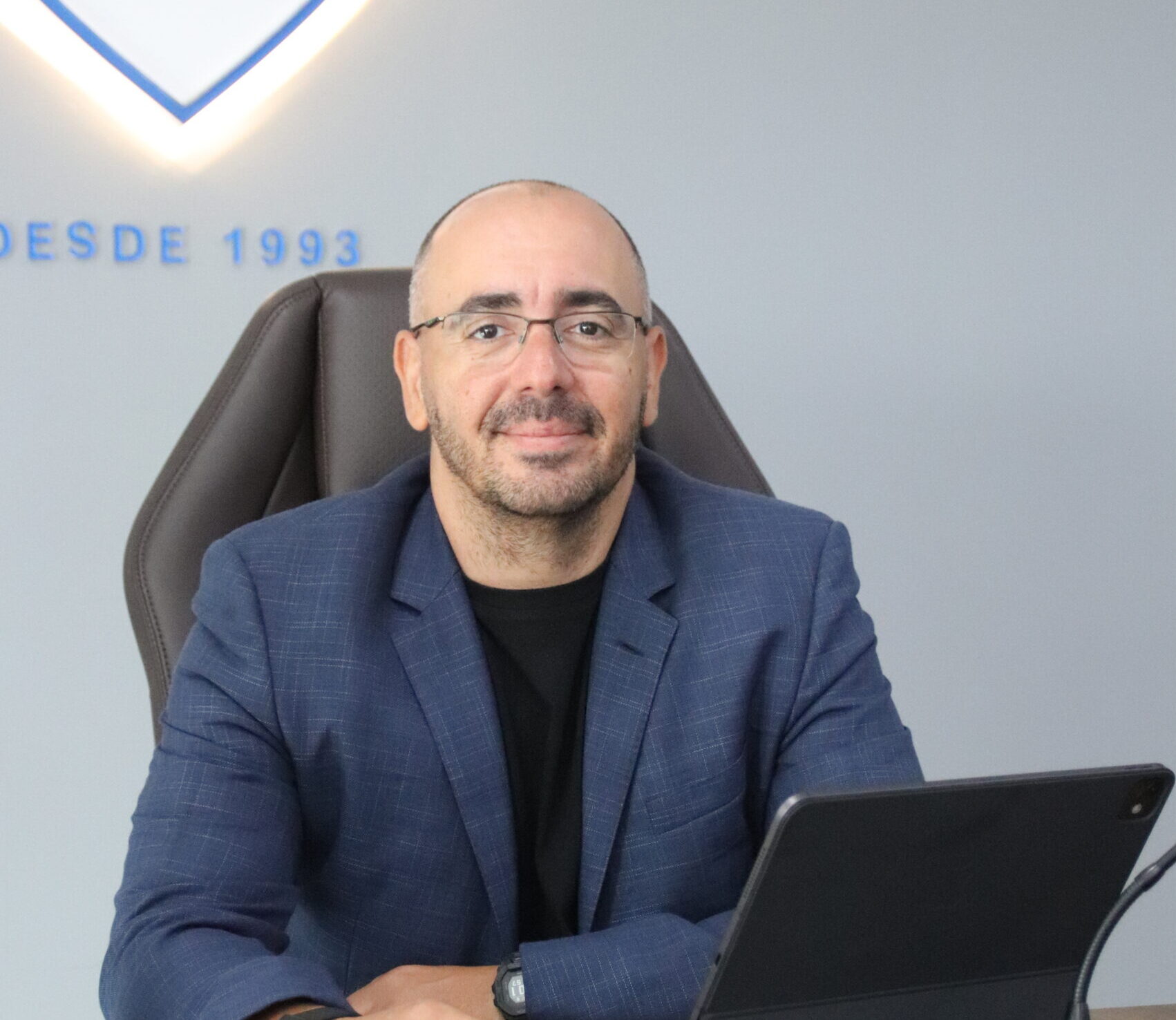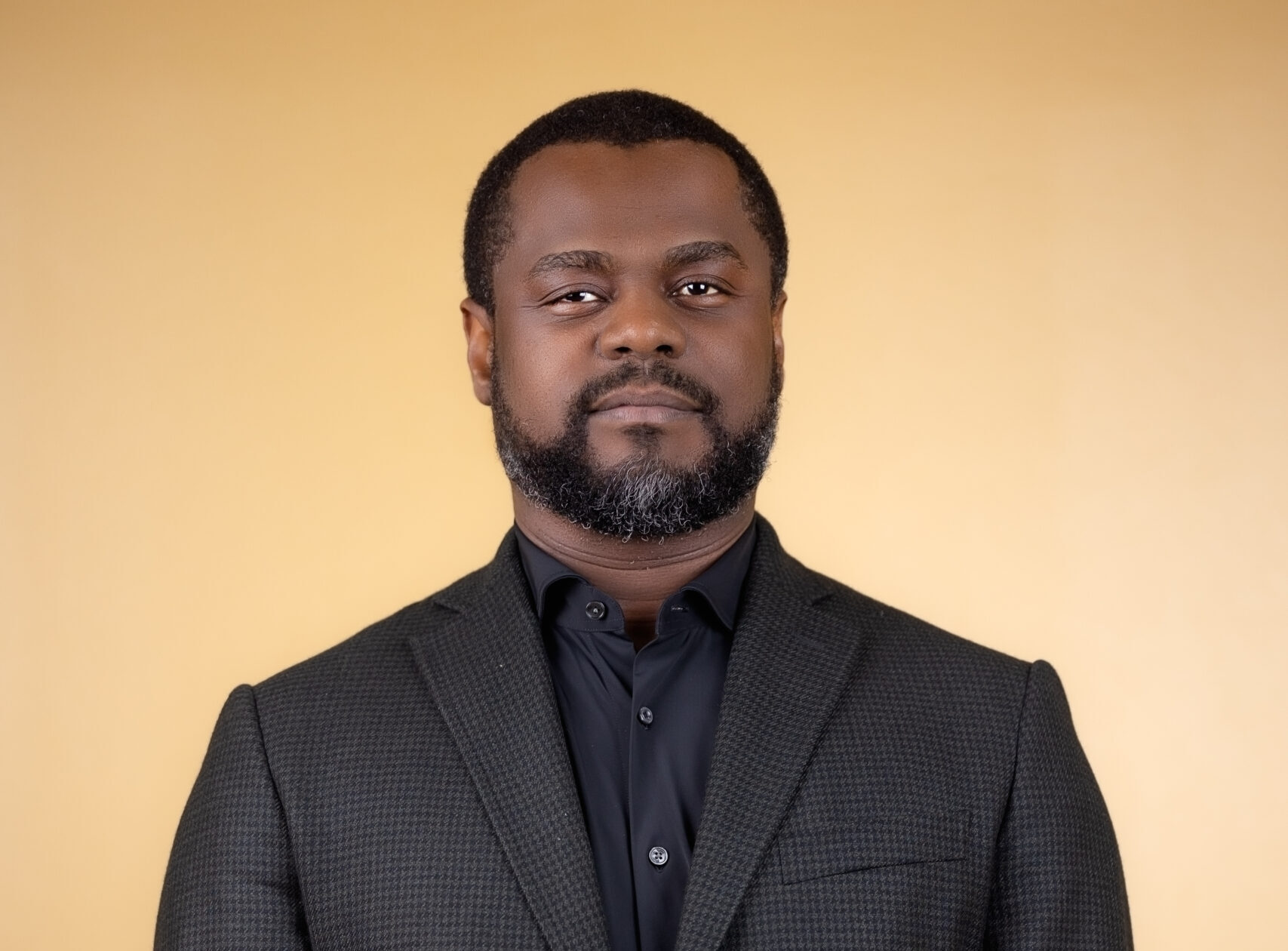

Can you start by giving us an overview of Property Cayman’s structure and philosophy?
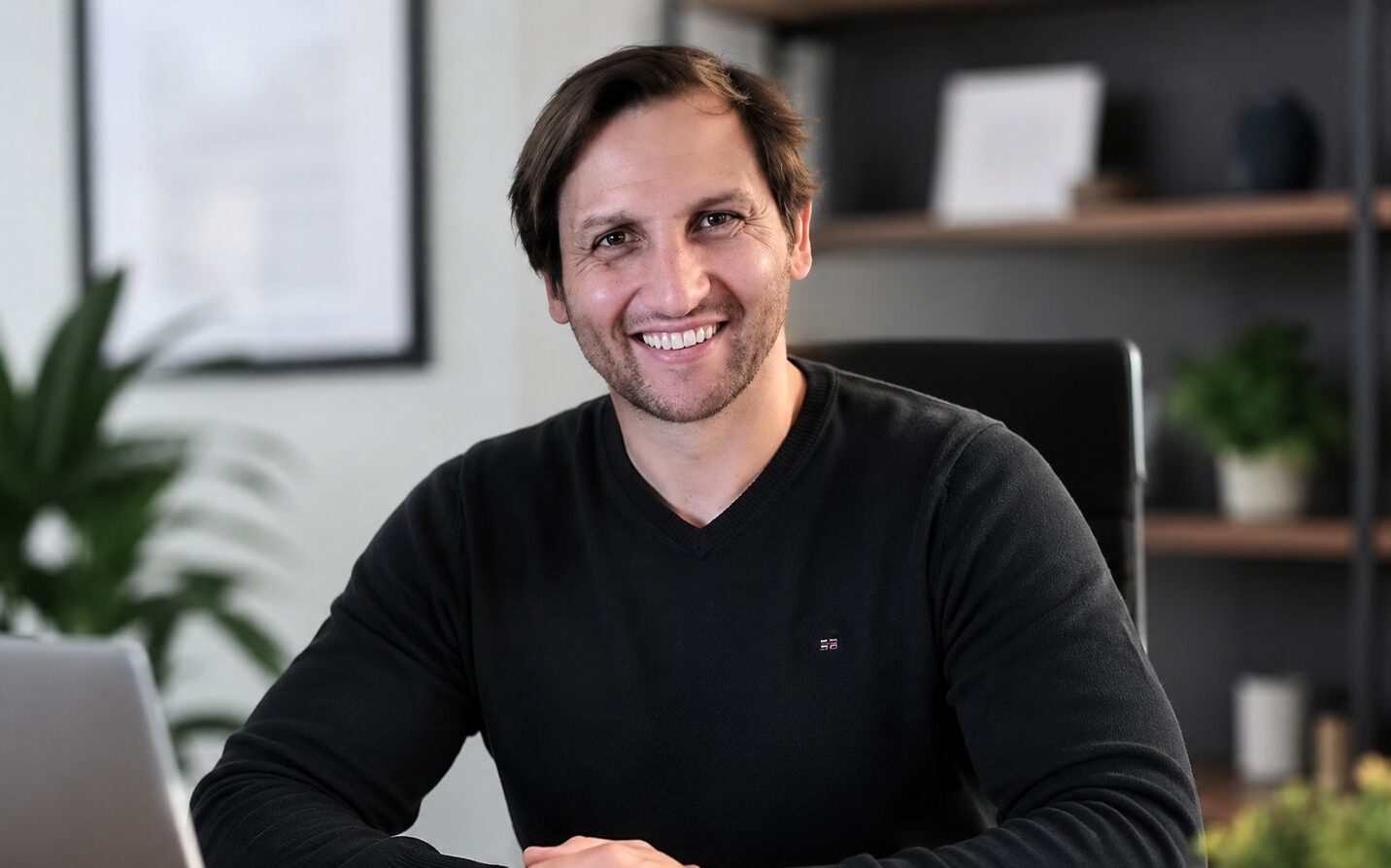
Property Cayman has been built over 22–23 years into a team of 15 people. When I left my previous agency after 16 years, I wanted to move away from the purely transactional nature of traditional real estate and focus on service. To achieve that, I created a large administrative team—five admin staff supporting ten sales agents—so that agents can concentrate on relationships rather than paperwork. It’s not the most profit-maximizing structure, but it allows us to be consistent, efficient, and genuinely client-focused. We’re currently fitting out a new office in Buckingham Square on West Bay Road, along Seven Mile Beach Corridor. Unlike many competitors, we’re expanding, not shrinking, and creating a beautiful luxury home that happens to contain offices—a living room, kitchen, dining area—because our top priority is team happiness. Once the team thrives, the client experience follows naturally. The new space should be ready by year’s end, pending planning inspections.
How has the Cayman property market weathered global shocks over the years?
It’s been remarkably resilient. In my career I’ve seen six major disruptions: 9/11, Hurricane Ivan, the Great Recession, COVID-19, post-pandemic inflation, and what I call “New era turbulence.” Each event jolted the global economy and tourism—80% of our visitors are North Americans—but the real estate market typically stabilizes rather than crashes. Activity slows for six to eighteen months, then picks back up. Long term, Cayman has averaged around 7–8% annual price growth, with no sharp booms or busts. Post-COVID, demand surged, especially at the high end, but each market segment reacts differently. Overall, Cayman has evolved from a financial escape to a “safety escape,” offering political stability, first-class healthcare, a thriving culinary scene, and good education options. The population has grown rapidly from about 65,000 to 95,000 in just seven years, putting pressure on infrastructure, which the new government is trying to manage carefully.
What are the main dynamics shaping development today?
Major projects from brands like Hilton, Grand Hyatt, Mandarin Oriental, Indigo, Lacovia, Watermark, and Aqua Bay have created a construction boom. But low supply and high demand are pushing prices upward. This is actually part of a healthy economic cycle—expansion and contraction. It’s a moment to reset, reconnect with our heritage, and fine-tune how we grow. Cayman welcomes foreign investment without restrictions, and that won’t change. What must change is ensuring Caymanians benefit through training and participation. Around 90% of my team has Caymanian ties—by birth, marriage, or long-term residency status. We hire people who genuinely care about the island and are involved in the community, whether through mentorship, meals on wheels, environmental cleanups, the inclusion Cayman, hospice care, crisis centre, or other causes.
How does Property Cayman distinguish itself in such a competitive environment?
We prioritize quality over quantity and client above the commission, even when that means advising against a transaction. You are supposed to give professional advice based on your clients needs, not yours. Playing the long game builds trust and lifelong relationships. Internally, we’ve built a culture based on shared responsibility and community engagement. We take 1% of every commission and put it into a community fund. Over time, this so far has grown to over $200,000, which we’ve used to protect, educate and support two under privileged children for 5 years and have renovate a home in poor condition. Improving a family’s life their children’s very foundation for the long term. These actions are anonymous and heartfelt—they’re part of our DNA. We also nurture long-term client relationships through simple gestures like “homiversaries,” celebrating the anniversary of a home purchase. We don’t view clients as transactions but rather as families we’ve served.
How important is the U.S. market for Cayman real estate?
Extremely important. Roughly 80% of foreign buyers are North Americans, (Americans and Canadians). Canadian tax hikes spurred a wave of financial “refugees” seeking residency and Cayman residency, while others come for its safety. Cayman’s ‘Americanization’ despite economic benefits frustrates some locals, but demand is real and land is limited, driving vertical development. We urgently need a new national development plan—Vision 2008 is outdated—to address density, zoning, setbacks, and environmental protection. What’s unique about Cayman is its balance: it’s globally connected with first-world amenities, but small enough for close relationships and genuine hometown feel. Industry stakeholders—developers, architects, agents—are increasingly aligned on shaping this future.
What makes Cayman an attractive investment destination today?
Cayman is more than a destination—it’s a way of life. It’s safe, clean, healthy, and rooted in the community. We offer opportunity and a touch of exclusivity. Welcome to the Club Cayman. We can serve high-net-worth investors without losing sight of the people who make Cayman what it is. The island is multicultural, multilingual, and globally relevant, yet still intimate and boutique in feel. I’m immensely proud to be from here and will go any length to protect our beautiful home and people. I’d encourage anyone to come not just on a cruise ship, but to stay, experience the island, the kindness and see why investing here is both financially sound and personally rewarding.