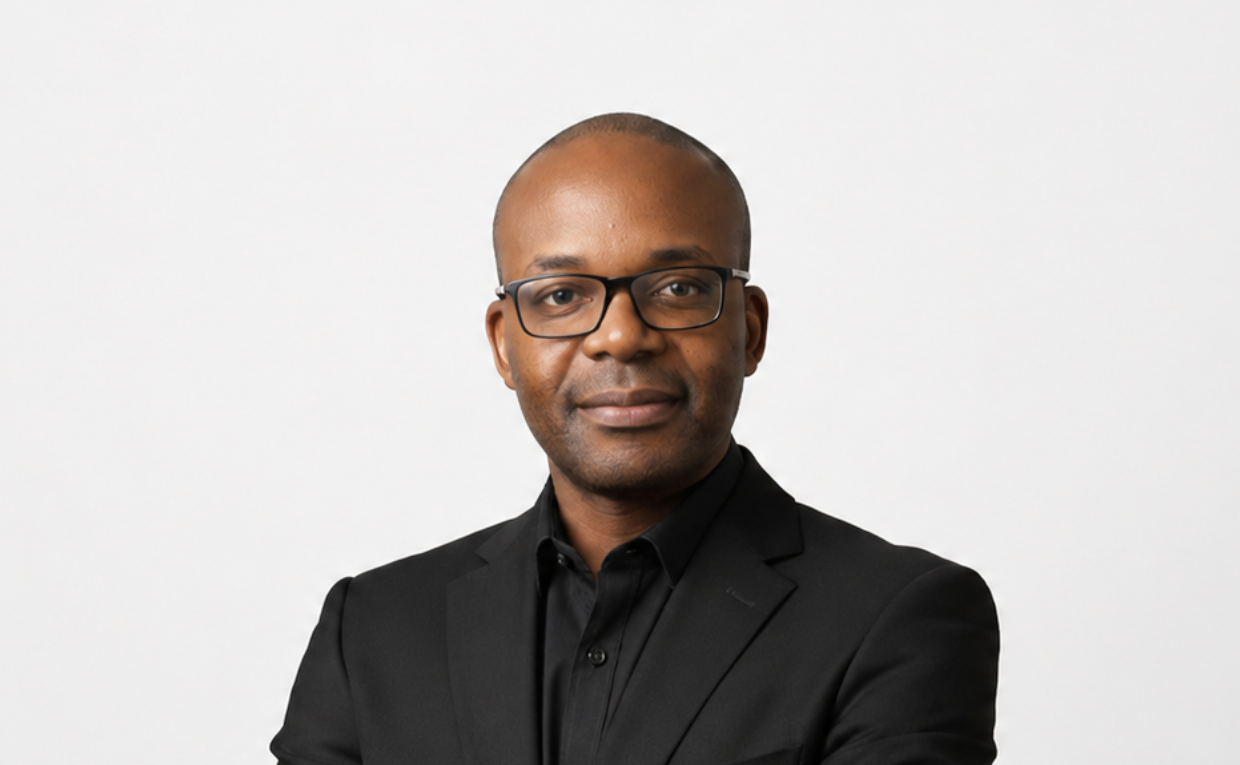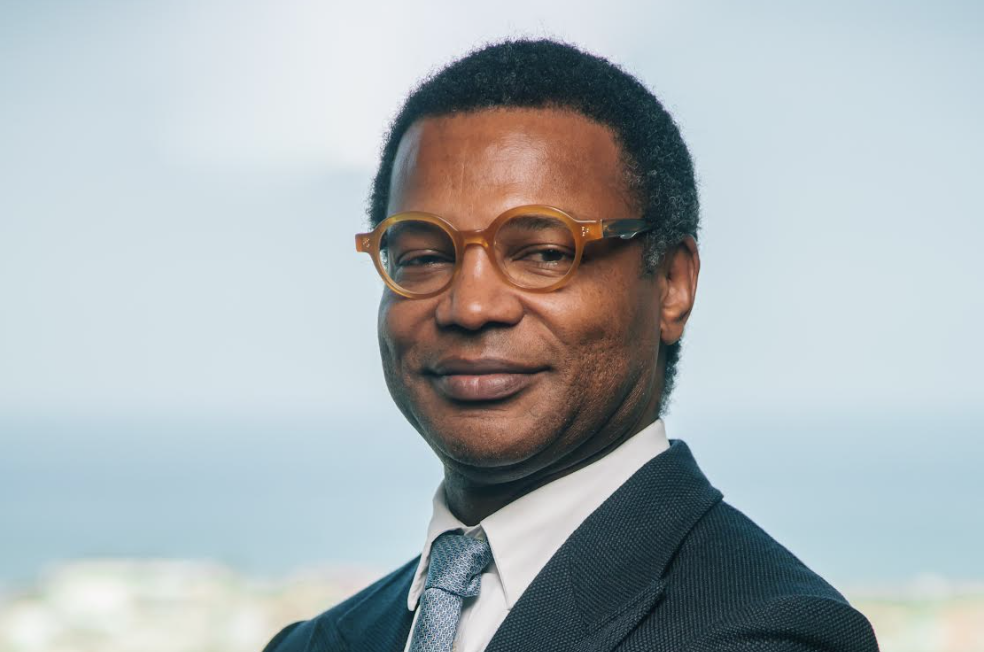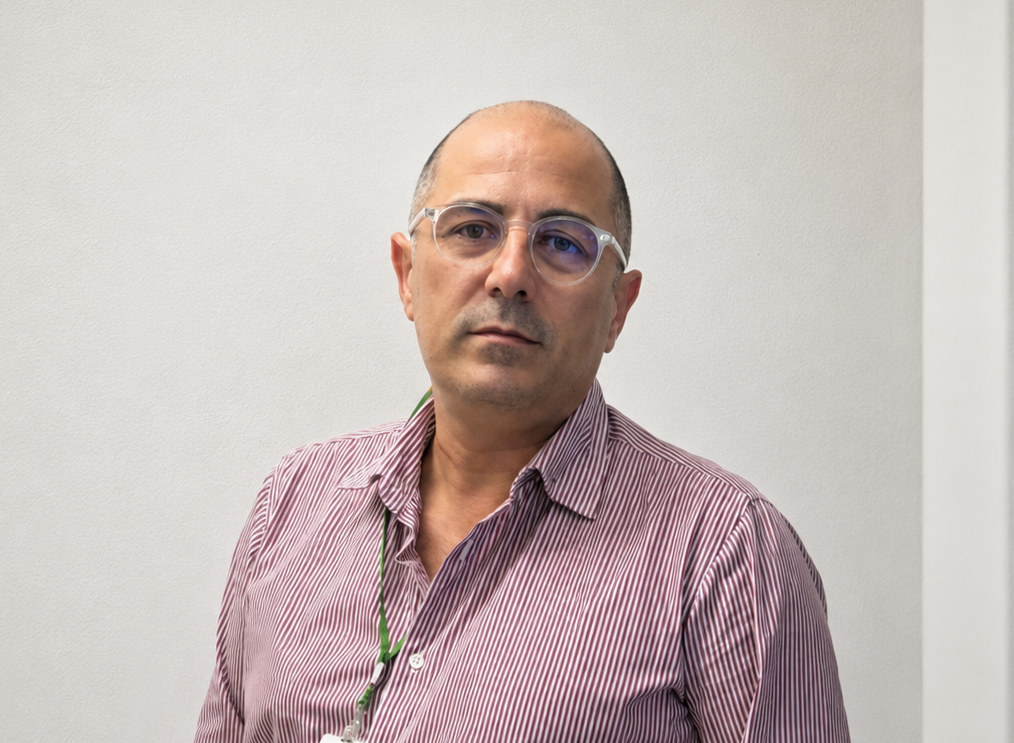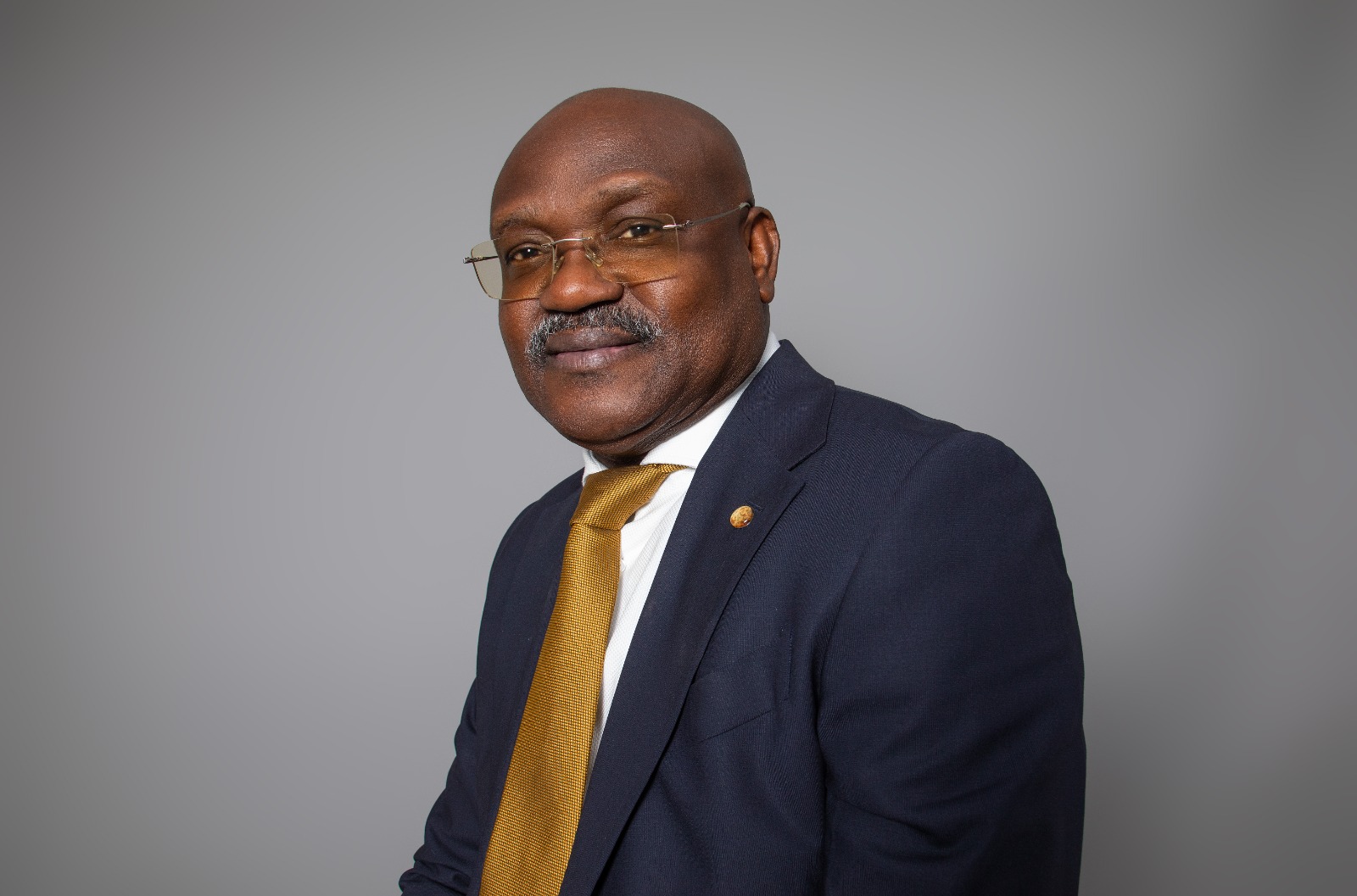

The CCIAAS acts as a vital link between Angolan and Saudi companies, facilitating the exchange of information, establishing business partnerships, and promoting trade. Can you provide an overview of the Chamber’s mission and its activities over the years?
We founded the Chamber four years ago. The main goal of the CCIAAS is to strengthen relations between Angola and Saudi Arabia—culturally and economically—while bringing Saudi investors into Angola. Many in Saudi Arabia don’t know much about Angola, but we see opportunities here every day. Angola is politically stable, resource-rich, and open to foreign investment under President João Lourenço’s leadership and the new investment law (AIPEX). Our mission is to bring both sides to the table to discuss opportunities, not only in Angola but also in Saudi Arabia, in line with Saudi Vision 2030.
In recent years, Angola has shifted its economic landscape beyond traditional sectors. How has the Chamber contributed to this diversification, and which sectors are currently most promising for Saudi investors in Angola? What similarities do you see with Saudi Arabia’s Vision 2030?
Both countries share a similar trajectory: moving from oil dependency to economic diversification. Angola has Vision 2050, while Saudi Arabia has Vision 2030. Angola is now investing in infrastructure—new airports, free zones like ZEE, the Lobito Corridor, and major projects such as Barra do Dande. Agriculture is a growing priority, with international firms producing vegetables, fruits, and coffee now visible in Middle Eastern and European markets. Other promising sectors include services, tourism, mining, and industry (such as exports to the DRC). Opportunities exist in wood, coffee, marble, granite, diamonds, and gold. We’ve facilitated Saudi delegations and brought Angolan companies to Riyadh. Both countries are on parallel paths of diversification.
As Saudi companies look to enter the Angolan market, they may encounter challenges, including regulatory hurdles and market entry strategies. What are the primary obstacles, and how does the CCIAAS assist companies in navigating these challenges?
We provide full guidance to Saudi investors, starting with information in Arabic on our website. Our team prepares site visits, meetings with government officials, and due diligence on potential partners. We stay with investors for the first months, advising them on priority sectors, legal frameworks, and best practices. For example, we guide them on using legal banking channels instead of informal ones, or whether to partner locally or invest independently. Essentially, we act as a long-term partner, not just a facilitator.
The CCIAAS emphasizes not only economic growth but also sustainable development. How is the Chamber working to align business interests with Angola’s sustainability goals, especially in renewable energy, agriculture, and environmental protection?
Angola prioritizes sustainability and self-sufficiency. Investors are encouraged to produce locally, create jobs, and reduce reliance on imports. This policy, called Angolanization, is seen in agriculture, food security, oil and gas (via local content laws), and other sectors. Angolan entrepreneurs are increasingly at the forefront in oil, gas, agriculture, mining, and tourism. The government and business community are aligned to foster sustainable growth—similar to Saudi Arabia’s own approach to empowering nationals and creating jobs.
The CCIAAS has built a strong network of partners, such as the Saudi Fund for Development (SFD), BNI, and the Luanda-Bengo Special Economic Zone. Could you highlight other key partnerships and how these collaborations have enhanced opportunities?
Last year, we signed multiple MoUs—with AIPEX, the Angolan Chamber of Commerce, Zona Económica Especial, and BNI Bank. In Saudi Arabia, we partnered with the Federation of Chambers, Riyadh Chamber, and together with the Saudi Ministry of Trade and SABIC, we organized last year the first Angola–Saudi Business Opportunity event in Angola, which brought together more than 100 companies.
For financing, the Saudi Fund for Development has already approved the first loan for Angola: USD 110 million for the Catumbela Industrial Park.
And today, October 2, 2025, in Riyadh, we signed a memorandum with the Federation of Saudi Chambers of Commerce for the creation of the Angola–Saudi Arabia Business Council. These partnerships bring both public and private stakeholders together to unlock opportunities in Angola and Saudi Arabia.
As a driving force in strengthening ties between Angola and Saudi Arabia, what are the CCIAAS’s key objectives for the next five years? How do you envision the future of Angola–Saudi relations in light of recent agreements for infrastructure projects?
There has been strong momentum over the past two years, with willingness on both sides to deepen relations. We expect high-level visits between Angola and Saudi Arabia soon. In the next five years, I foresee Saudi funds financing major projects in Angola—agriculture, food security, industry, and oil and gas services. I also expect Angolan investors to establish a presence in Saudi Arabia, especially in real estate. We will see more Angolan products, such as coffee, marble, and diamonds, in Saudi markets. The Chamber will be a key driver of this future, working with governments, embassies, and private sectors from both countries.
You have a distinguished career across oil and gas, construction, and agriculture, and you’ve also made notable contributions to charitable initiatives, such as founding a food bank in Mauritania. What accomplishments are you most proud of, and what do you find most rewarding about working in Angola?
I am proud of building businesses in multiple sectors and giving back through social initiatives. For example, last year the Chamber funded scholarships for 50 Angolan youths and supported 10 women entrepreneurs. Founding the Mauritanian Food Bank remains one of my proudest achievements, and I hope to replicate the model in Angola to support vulnerable communities. Personally, I love Angola and feel at home here. This country has given me opportunities, and I believe we must always give back to the community.