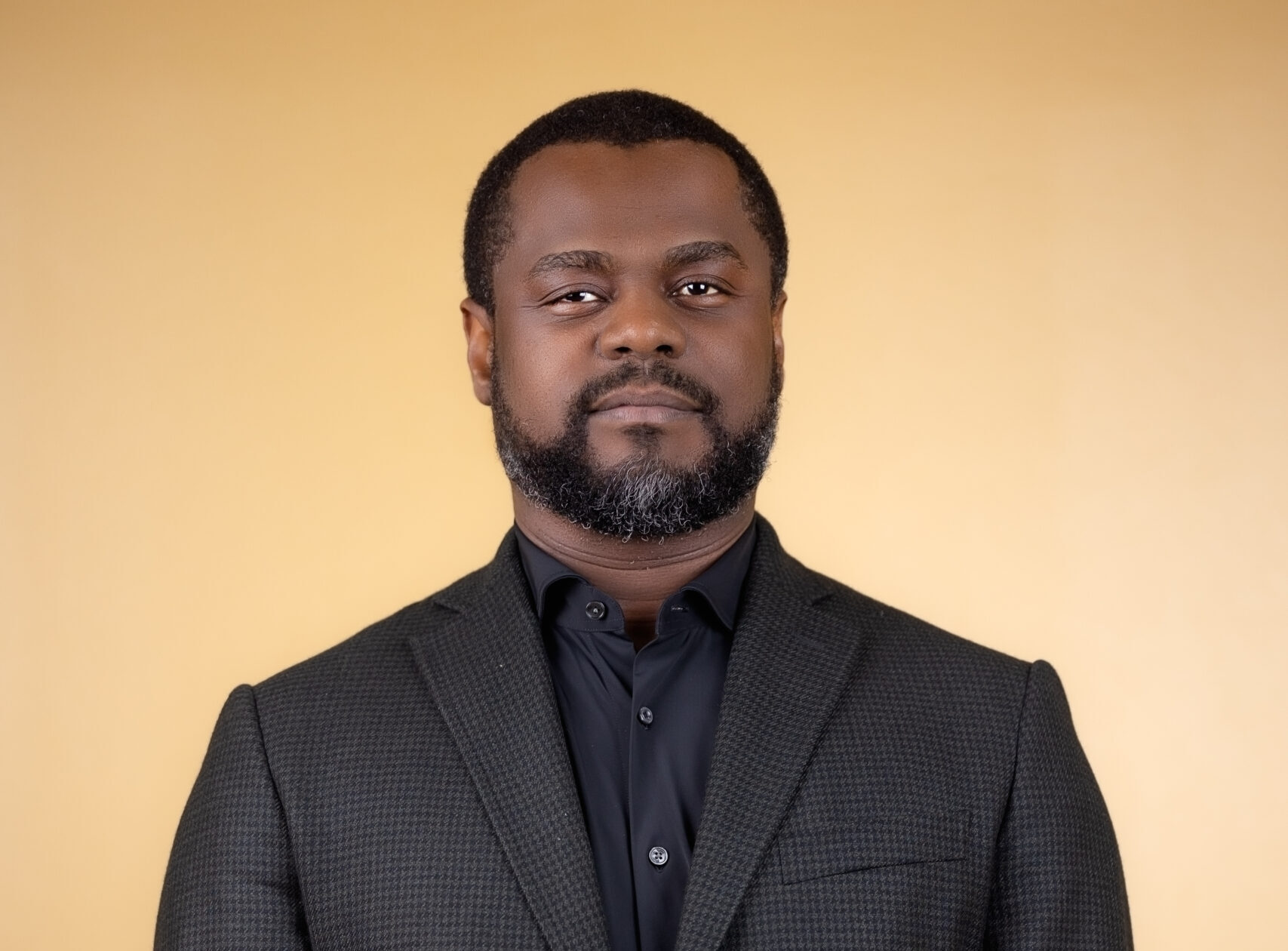

How did your career in hospitality begin, and what brought you to Mallorca?
Twenty years ago, we opened our first hotel in a family home in San Sebastián. Since then, the company has evolved into Europe’s leading “white label” luxury hotel operator. Each property runs under a different brand, which allows us to adapt to each destination. In Mallorca, we have managed Cap Rocat since 2010, a project we launched together with Antonio Obrador.
Why did you choose Mallorca for a project like Cap Rocat?
Mallorca has a strategic advantage: it’s just two hours from practically every European capital. It’s an ideal destination for weekend escapes within the high-end tourism segment we wanted to develop.
Cap Rocat combines history with contemporary luxury. What inspired the vision behind the property?
The vision belongs to Antonio Obrador. He saw potential in an abandoned, derelict fortress and had the audacity to turn it into one of the best hotels in the world. Even transforming old ammunition depots into a spa was part of his vision. Everything at Cap Rocat was designed to be unique and authentically Mallorcan — from fabrics to cuisine. We wanted to break away from hotels that could be anywhere in the world.
How does your collaboration with Antonio Obrador work?
We manage the hotel through our management company, while Antonio owns it and created the architectural and conceptual vision.
You often talk about “simple luxury.” How do you define it?
Today, luxury is not about the size of the television or the thickness of the carpet. It’s about authenticity: if you’ve chosen Mallorca, you should feel like you’re in Mallorca. The challenge is to create a deeply local product without turning it into a theme park. We want guests to feel as though they’re staying in someone’s home on the island.
What kind of guest comes to Cap Rocat?
Mostly Europeans and Americans, but also Australians who plan their European trips around our availability. It’s a destination hotel: guests often stay three or four days, discover the island, and then move on. We’re also seeing more visitors outside the summer months, from March through November.
Beyond the feeling of a Mallorcan home, what else makes the hotel unique?
We wanted to link the hotel to culture and heritage. Each year we invite guests to donate to the preservation of historic sites or ecosystems on the island, and we match their contributions. We’ve supported the conservation of Posidonia seagrass, the protection of marine rays, and the care of turtles. We also created the Cap Rocat Festival, which has become one of the Mediterranean’s leading music events, with artists like Jonas Kaufmann and Sondra Radvanovsky. We make sure locals can attend at prices far more accessible than in major European cities.
Sustainability is a major topic in Mallorca. How do you approach it at Cap Rocat?
From the start, we eliminated single-use plastics — long before it became a trend. We have only 30 rooms and our own desalination plant. We recycle everything, from corks to bedsheets, which are turned into staff uniforms. We even collaborate with projects that repurpose bathrobes. It’s a holistic philosophy.
Some argue that luxury tourism leaves a larger environmental footprint. What’s your response?
I don’t think that’s true. This type of guest is as conscious, if not more, than any other. We no longer change towels or sheets daily unless requested, and no one complains. We also explain that air conditioning cannot go below 18°C for ecological reasons, and guests accept it. It’s all about awareness.
How do you ensure authentic experiences for your guests?
Instagram has made destinations look the same. That’s why we put so much value on our concierge service: we design tailor-made experiences that take guests to less crowded corners of the island. That’s the advantage of a luxury hotel over informal accommodation — offering insider knowledge and local connections.
Which markets are growing for you?
Besides the U.S. and Australia, Latin America is increasingly important, especially Brazil and Mexico in the summer. Cap Rocat often attracts people who come to Mallorca for the hotel itself and discover the island afterwards.
How do you see the future of tourism in Mallorca?
The trend is clear: less mass, low-cost tourism and more quality visitors — not only in the luxury segment but across all levels. Space on the island is limited; it’s logical to prioritize visitors who bring a positive impact. Luxury chains like Mandarin Oriental and Four Seasons are coming, and there’s an audience for everyone. But the focus must be on quality and authentic experiences, not the bachelor parties of the past.
Mallorca has been a pioneer in hotel models and tourism technology. Could it also be a global reference for sustainable tourism?
I believe so. The island has advanced a lot in recent years, even if from the inside it sometimes feels slow. We need to be braver. “Slow living” fits Mallorca perfectly and inherently brings sustainability. The island offers something unique: you can live in a village with great quality of life and still be 20 minutes from an international airport. That balance doesn’t exist in many places.
What do you mean by “being braver”?
At Cap Rocat we’ve shown it’s possible. Others must follow and abandon outdated practices like miniature shampoo bottles. Many people already think differently, but it needs to become collective.
What are your expansion plans for the coming years?
We only grow if we find projects we love. We don’t have a board telling us to open seven hotels next year. If a beautiful opportunity arises in Italy, Portugal or southern Spain, we’ll do it. We want to keep creating unique hotels, with Cap Rocat as our flagship and model.
Finally, what message would you send to those who don’t yet know Mallorca or Cap Rocat?
Mallorca is far more than July and August, and much more than its coastline. It’s a large island full of history and diverse landscapes. Until the 19th century, Palma was eight times bigger than Barcelona and a major trade hub. That heritage is still here and is now being rediscovered. I invite everyone to experience this “other” Mallorca from a place that celebrates it in every detail.