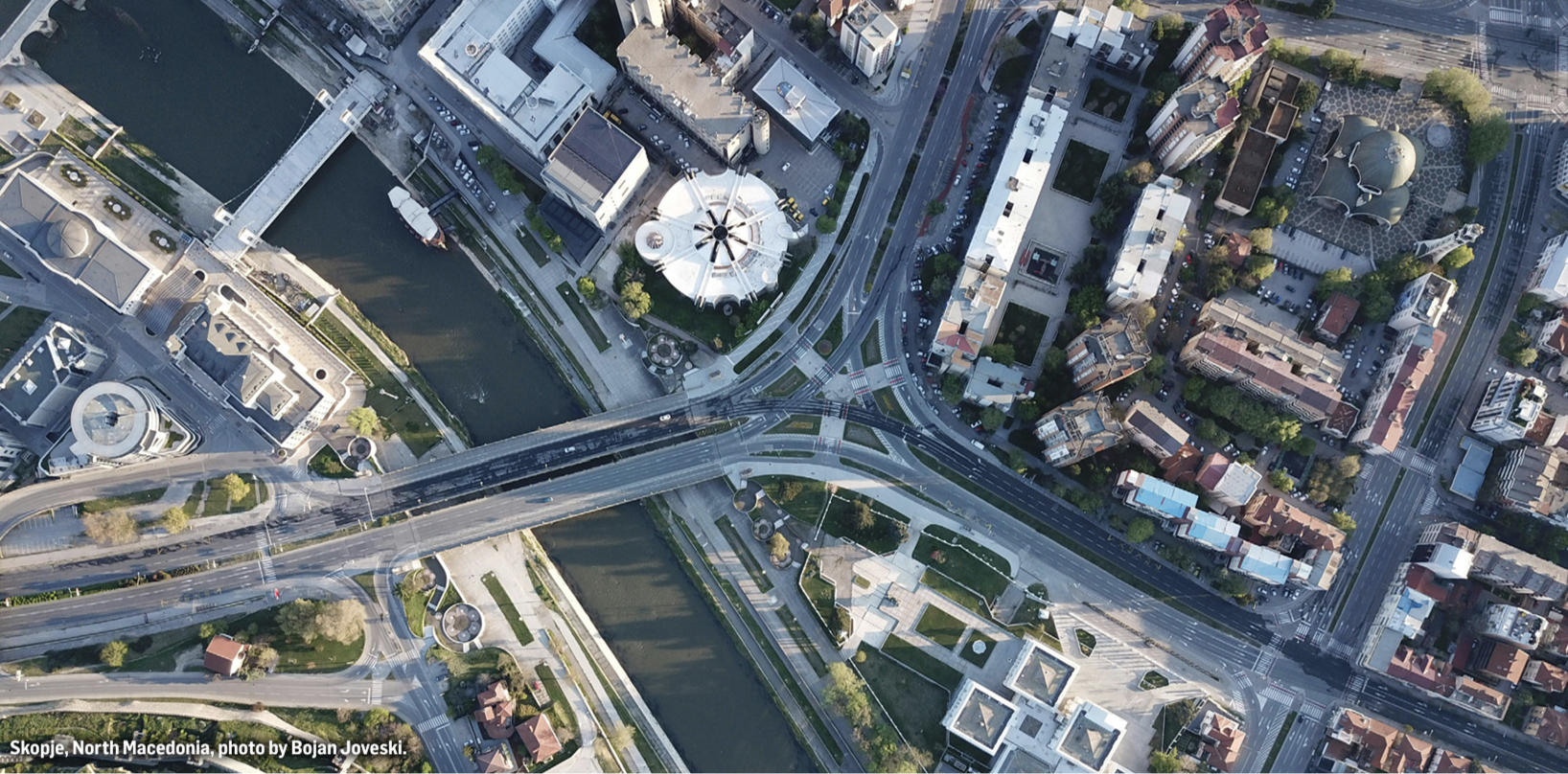
The planned Corridor X high-speed railway is central to the government’s transport program. It would connect Serbia, North Macedonia and Greece, closing a major gap between Thessaloniki, Skopje and Niš.
A strategic partnership signed with the United Kingdom in 2025 is expected to provide access to financing, technical expertise and support for the project. The government aims to complete the line within five years, improving journeys for passengers while opening a more efficient route for cargo.
“The Corridor 10 high-speed railway will be a zero-emission, environmentally friendly transportation project that will fundamentally transform our economy,” said Aleksandar Nikoloski, Deputy Prime Minister and Minister of Transport.
The wider program includes six highways and new railway sections, with planned spending on transport infrastructure totaling about €7 billion. For manufacturers, stronger links to Thessaloniki and Piraeus could offer another way to reach customers across Europe.
Making Trade Move
Faster trains are only part of the plan. Better access to southern ports could attract more shipping activity and new businesses along the route. Ministry feasibility studies suggest freight volumes could rise ten- to twelvefold as the network improves.
The government also plans to develop free economic zones beside the line. These sites would allow factories, warehouses and distribution centers to connect more directly with international supply chains.
The ministry also sees an opportunity to shift cargo from Northern European ports to Mediterranean routes, which can offer ships arriving through the Suez Canal a shorter journey.
At border crossings, paperwork remains another target for reform. A National Single Window system is being introduced to process documents for trucks and trains digitally, replacing multiple procedures with a single platform.
“Digitalization is our highest priority,” explained Nikoloski.
Electronic cargo tracking and Green Lanes are also intended to make cross-border journeys easier. Working with neighboring customs authorities and the European Commission, North Macedonia aims to reduce unnecessary stops for vehicles passing through the country. The digital system is expected to be fully operational by early 2028.
For investors, these changes could mean shorter delivery times, more reliable shipments and easier access to overseas customers. By improving its rail network and border services, North Macedonia aims to turn passing trade into lasting business opportunities.