Nestled in the heart of the Caribbean, the U.S. Virgin Islands are much more than just another tropical paradise. For more than a decade, the main islands of St. Croix, St. John and St. Thomas – in addition to their 50 other smaller islands and surrounding cays – have been actively seeking to diversify their economy and promote value-added investments that support their sustainable development. Officially an unincorporated U.S. territory since 1917, the islands’ special status has undoubtedly brought them political and economic advantages over other Caribbean territories, including U.S. citizenship, key federal aid and legal protections, significant tax breaks and incentives, and a steady flow of mainland U.S. tourists. However, in the wake of the COVID pandemic and recent weather-related catastrophes such as the devastating 2017 hurricanes Irma and Maria, the USVI is actively taking steps to increase its resilience, both by strengthening its tourism industry and diversifying into other sectors.
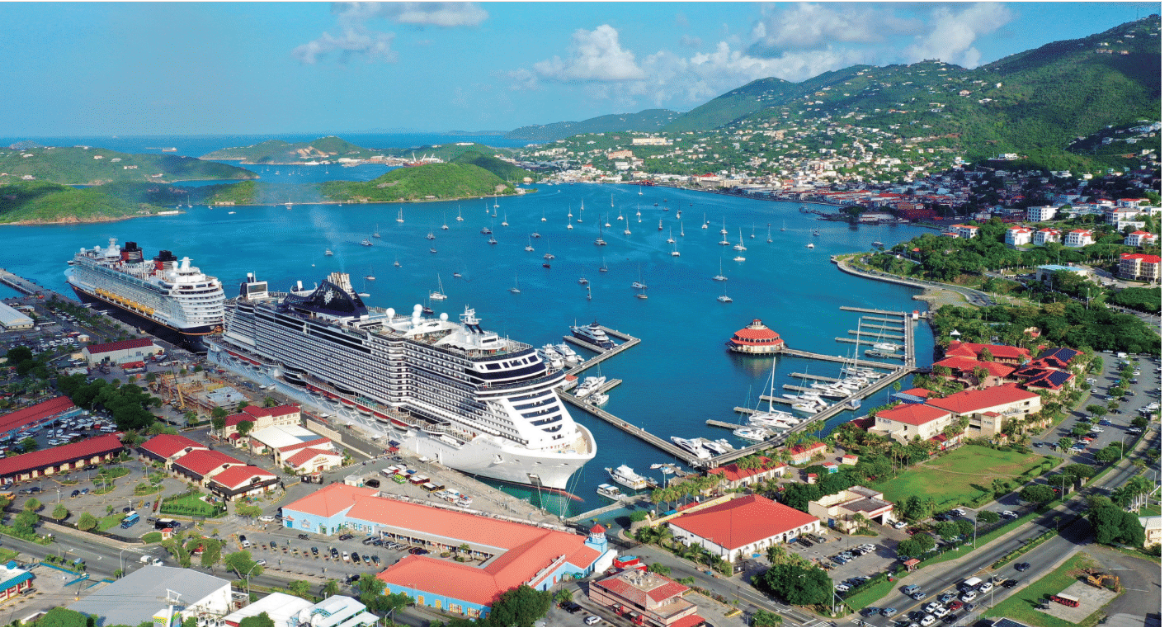
For one thing, the U.S. Virgin Islands is tapping crucial disaster recovery funds to rebuild tourism. Earlier this year, Governor Albert Bryan Jr. signed a $1.1 billion FEMA waiver that will significantly reduce the mandatory 10% local share of costs for current and future hurricane recovery and infrastructure projects. This waiver will allow them to instead invest in key infrastructure such as dredging the Havensight and Crown Bay harbors to allow larger cruise ships to call there; extensive road repairs that will improve circulation between these areas and downtown; and even a third berth and entertainment zone in Crown Bay. Other key infrastructure developments include the Port Authority’s $250 million investment in the St. Croix and St. Thomas airports, plus the rehabilitation and expansion of the two major ports on these islands. In addition, they are working to increase regional and international interconnectivity. For example, by supporting San Juan de Puerto Rico’s initiative to dock at its home port, they will increase their own cruise ship calls; or by advocating in Washington for 30-day and 90-day visa waivers, as well as updated technology such as facial recognition software for Customs and Border Protection, they will be able to host European ship calls at WICO and Crown Bay, and screen non-U.S. travelers more quickly.
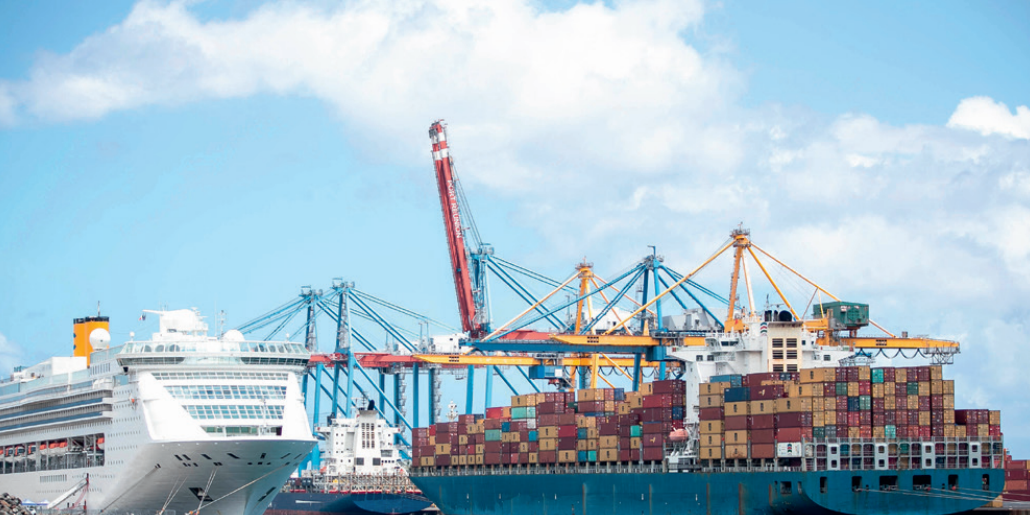
Moreover, as tourism remains the island’s largest industry, contributing about 60% of GDP, the USVI is fully committed to diversifying its economic base. In collaboration with USVIEDA, its Economic Development Authority, the government launched its Vision 2040 roadmap, focusing on five key areas: Services, Technology, Energy, Agriculture and Manufacturing. Some recent initiatives include the St. Croix South Shore Trade Zone, whose significant tax incentives (like exemptions of up to 20 years for 90% corporate and personal income tax, and 100% for customs duties, excise, gross receipts and real estate tax) are expected to facilitate business operations and benefit the light manufacturing and assembly sector by allowing locally manufactured products to receive the “Made in the USA” brand, as well as the transshipment, marine and other industry-related sectors. These newly established exemptions, coupled with the permanent Jones Act exemption (which allows foreign-flagged vessels to move between the Virgin Islands and U.S. ports), plus its proximity to key markets, give the Virgin Islands the potential to become a logistics and transshipment hub for goods throughout the Caribbean and the Americas.
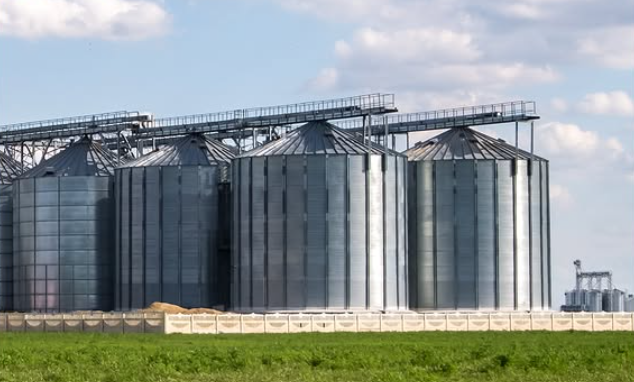
Other sectors currently being promoted include agriculture, with plans underway to open agricultural processing centers and food nurseries to increase local consumption and exports; alternative energy, to overcome its high dependence on fossil fuels; financial and professional services; and technology, thanks to the islands’ strong digital infrastructure, which can also attract remote workers. And while many challenges still lie ahead, we are convinced that USVI’s advantages will outweigh them, making these paradisiacal islands an attractive, sustainable and resilient business destination.