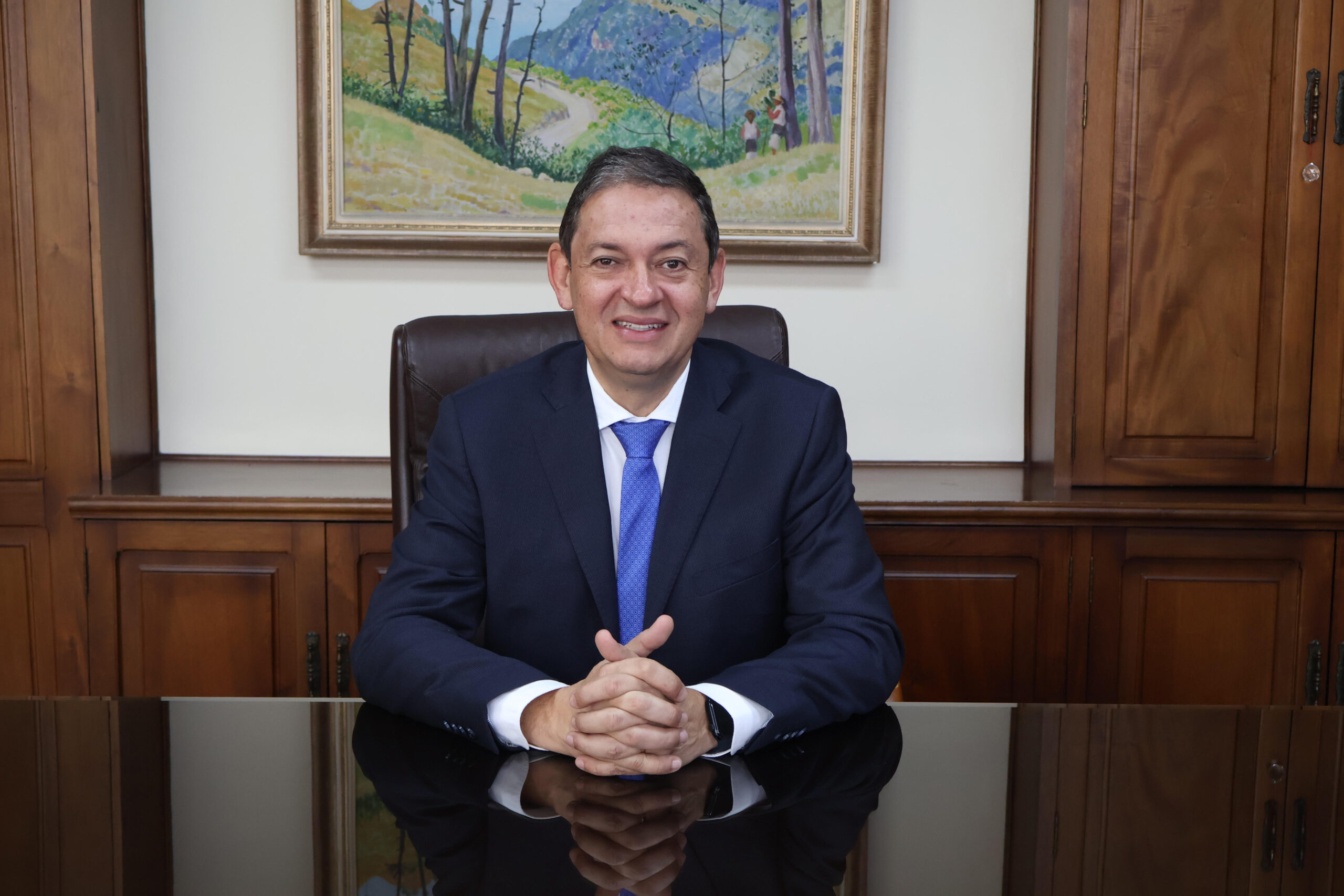

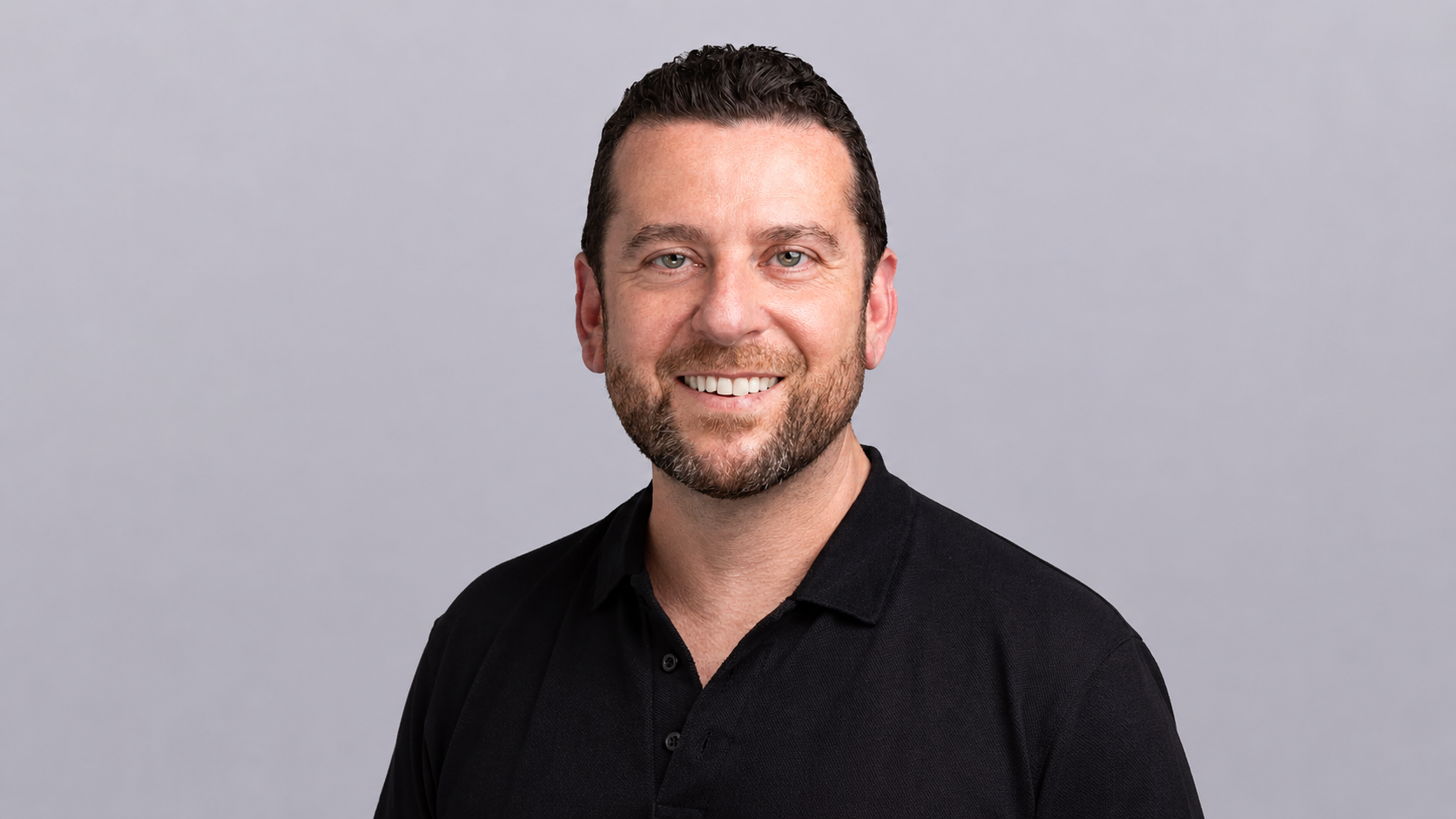
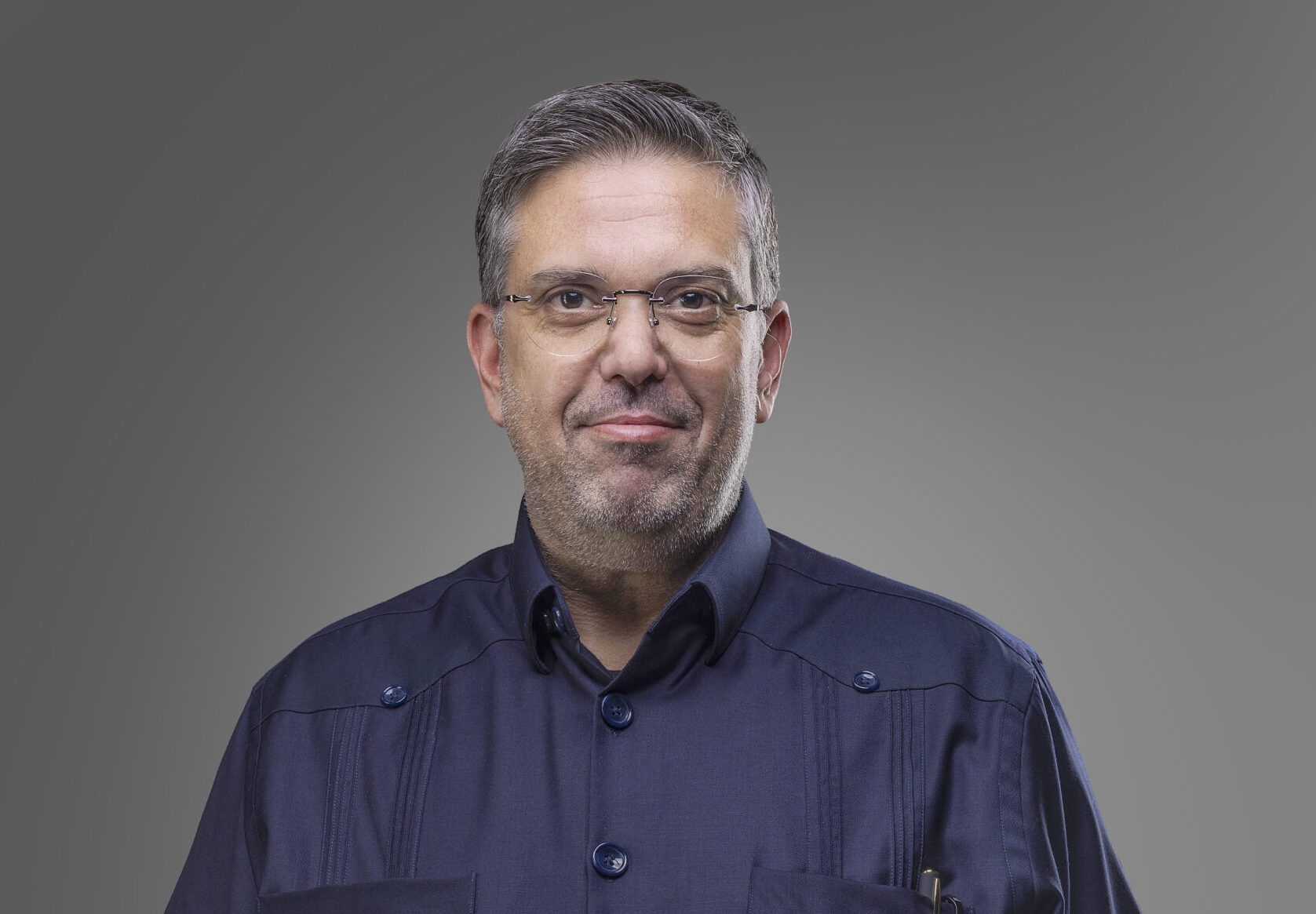
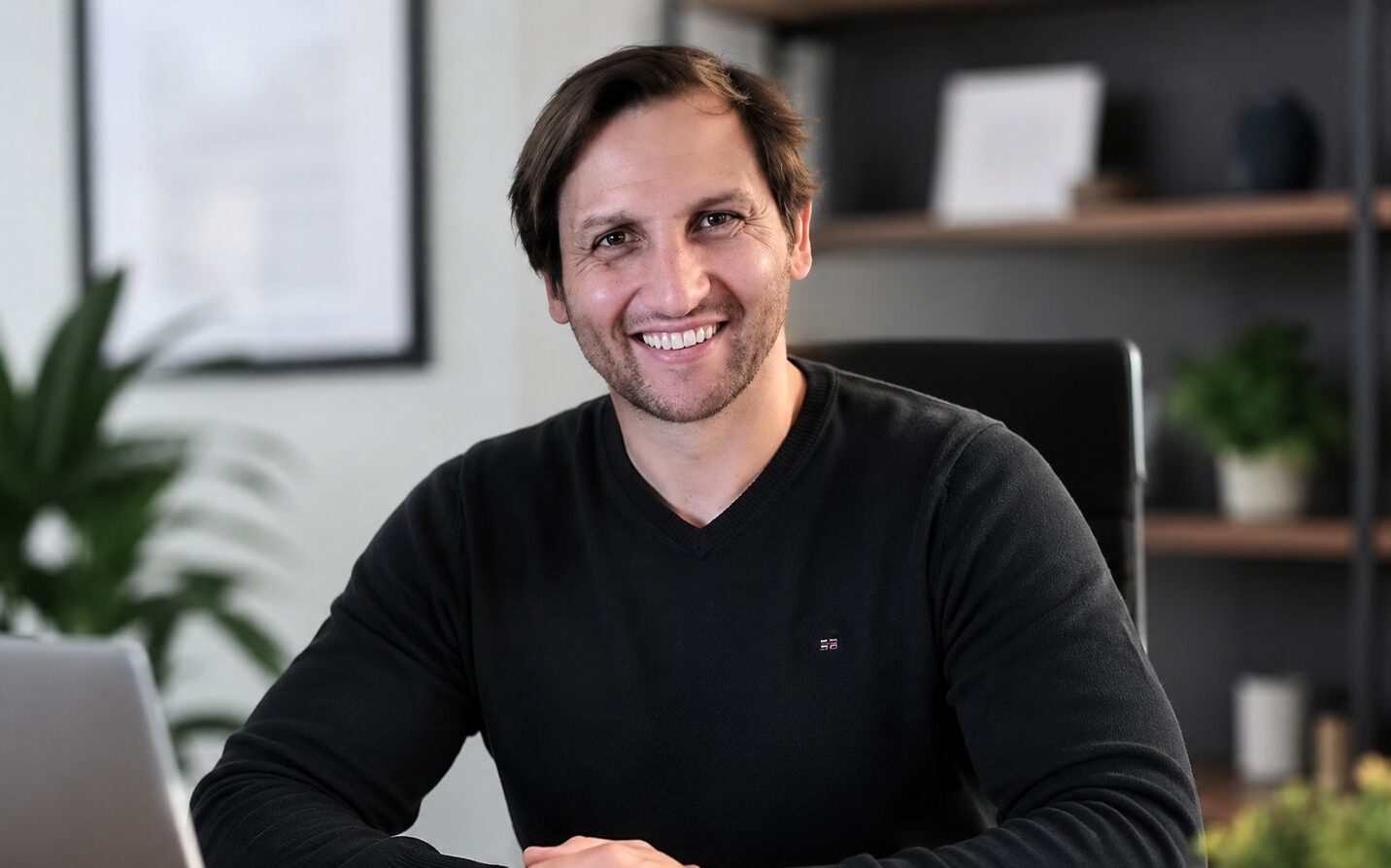
As the third generation leading Universal Beach Hotels, Yannik Erhart balances the legacy of a family business with a forward-looking approach to sustainability and quality. With 18 hotels across Mallorca and Formentera and more than 1,200 employees, the group is spearheading a new model of tourism rooted in local partnerships, environmental responsibility, and elevated guest experiences.
What does it mean to you to lead a family-run business like Universal Beach Hotels?
It’s a great source of pride to continue the legacy started by my grandfather, who was one of the pioneers of tourism in Mallorca. He fell in love with the island during his honeymoon in the 1960s and began organizing charter flights from Switzerland. That passion grew into a hotel business that today includes 18 properties between Mallorca and Formentera.
How do you balance tradition with innovation in such a fast-changing industry?
We’re a company with strong family values and a long-term vision, but also one that embraces innovation. We’ve led the transformation toward more sustainable, high-quality tourism in Mallorca by adapting to market trends and the evolving needs of modern travelers.
What values are at the core of your company’s success?
Responsibility, long-term thinking, and respect. We’re committed to doing things right—not just growing for the sake of it, but growing in a responsible and sustainable way. That applies to our suppliers, our staff, and our overall strategy.
Your hotels are known for sustainability. What specific measures have you implemented?
We’ve been repositioning our hotels for several years to focus on quality over quantity. In some cases, we’ve reduced room capacity to create more spacious, premium experiences. Most of our properties use solar panels, and we’re highly focused on energy efficiency and water conservation. We’ve also eliminated single-use plastics across the chain and installed water refill stations for guests on every floor. We actively support local environmental projects, such as MedGardens and Cleanwave.
How do you raise awareness among your guests?
We communicate our sustainability efforts across our website, social media, and in-hotel materials. We also engage children through educational activities in our kids’ clubs—planting the seeds of awareness from a young age.
What’s the impact of sustainable tourism on local communities?
Tourism is vital to Mallorca’s economy, but we must move away from mass tourism. The island has been shifting toward quality tourism for years, promoting circular economy principles. We work with local producers, offer regional products, and design experiences that connect guests with Mallorca’s culture and nature.
What makes Universal Beach Hotels stand out in such a competitive market?
Location is key—our hotels are all beachfront. But above all, it’s our team. Their commitment to our values is reflected in our customer satisfaction ratings, which consistently exceed 95%.
How has the company evolved in recent years?
We had around 900 employees before the pandemic; now we’re at 1,200. Moving to a higher-quality offering means we need more skilled staff, especially in areas like gastronomy and wellness. We’ve also made major investments in upgrading and acquiring properties—like our recent additions in Playa de Palma and Formentera.
What are some key company figures you can share?
We operate 18 hotels and generate annual revenues of around €50 million. That growth reflects both our strategic repositioning and our commitment to investing in people and infrastructure.
Beyond the environment, how do you contribute to Mallorca’s social development?
We have a comprehensive ESG strategy. Socially, we focus on inclusion, local partnerships, and workforce development. We collaborate with various community initiatives and support projects that contribute to the island’s long-term well-being.
You were named “Entrepreneur of the Year” in 2023. What led to that recognition?
I believe it came down to how we managed the transformation of a family business across generations, and how we navigated the pandemic. We used that pause to redefine our strategy and invest boldly in repositioning. Moving hotels from three to four or even five stars was risky at the time—but it’s paid off.
What’s your vision for the company over the next five years?
We’re still in the midst of our transformation. Our focus is on enhancing what we already have while exploring new opportunities—mainly within the Balearics—for sustainable expansion. It’s about improving, not just growing.
How important are international partnerships?
Very. In the 1990s, 100% of our guests were Swiss. Today, we have customers from all over the world and work with global travel agencies and operators. We’re also investing in visibility in the U.S. market, which is still a small segment but growing steadily.
How does technology support your business goals?
We’ve heavily digitized our operations behind the scenes. Nearly all departments—from housekeeping to kitchens—use tablets, and we’ve eliminated paper almost entirely. This has dramatically improved efficiency. Still, we believe in maintaining a human touch in guest-facing roles.
Do you offer local experiences to your guests?
Absolutely. We partner with local wineries and artisans. My father even personally leads wine tours. We also invite guests to take part in marine conservation excursions with MedGardens, where they can snorkel and learn about seagrass restoration efforts.
What are the biggest day-to-day challenges you face as CEO?
Talent shortages are the top issue—not just in Mallorca but globally. You can design the perfect restaurant, but without skilled chefs, it won’t work. Housing is another challenge, so we now include staff accommodation in our renovation plans.
Would you like your children to take over one day?
I’d love that, but they’re still young. My main goal is to ensure the company remains strong and values-driven, whether or not the next generation joins the business.
What’s your outlook for Mallorca’s tourism over the next decade?
The island is moving toward more personalized, small-scale luxury. We’ll see more boutique hotels, better energy efficiency, and smarter resource management. Universal aims to be at the forefront of that shift, collaborating with institutions and the broader hospitality sector.
And finally, what message would you give to travelers who still see Mallorca as a mass-tourism destination?
Mallorca is unique. Its natural beauty is unmatched, and we’re all working hard to protect it. We invite everyone to discover the new Mallorca and be part of its transformation into a model for responsible tourism.










![Jane Tay_CEO of AIA Cambodia[1]](https://oneworldmediacorp.com/wp-content/uploads/2024/12/Jane-Tay_CEO-of-AIA-Cambodia1-scaled-e1735238331589.jpg)