Powering Kosovo’s Future

KEDS has spent the past decade transforming Kosovo’s electricity distribution network from an unstable post-war system into a platform capable of supporting industrial growth, renewable energy expansion, and investor confidence.

When Kosovo’s electricity distribution sector was privatized in 2013, the network faced major structural challenges. Years of underinvestment and aging infrastructure had left households and businesses struggling with frequent outages and widespread dependence on diesel generators. “Generators were everywhere,” CEO Alpin Doğan recalled. “People were without electricity for six, eight, sometimes ten hours.”

Since privatization, KEDS has invested more than $340 million into modernizing the distribution network. The company says interruption frequency and outage duration have been reduced dramatically, helping stabilize electricity supply across the country and bringing parts of the system closer to European operational standards.

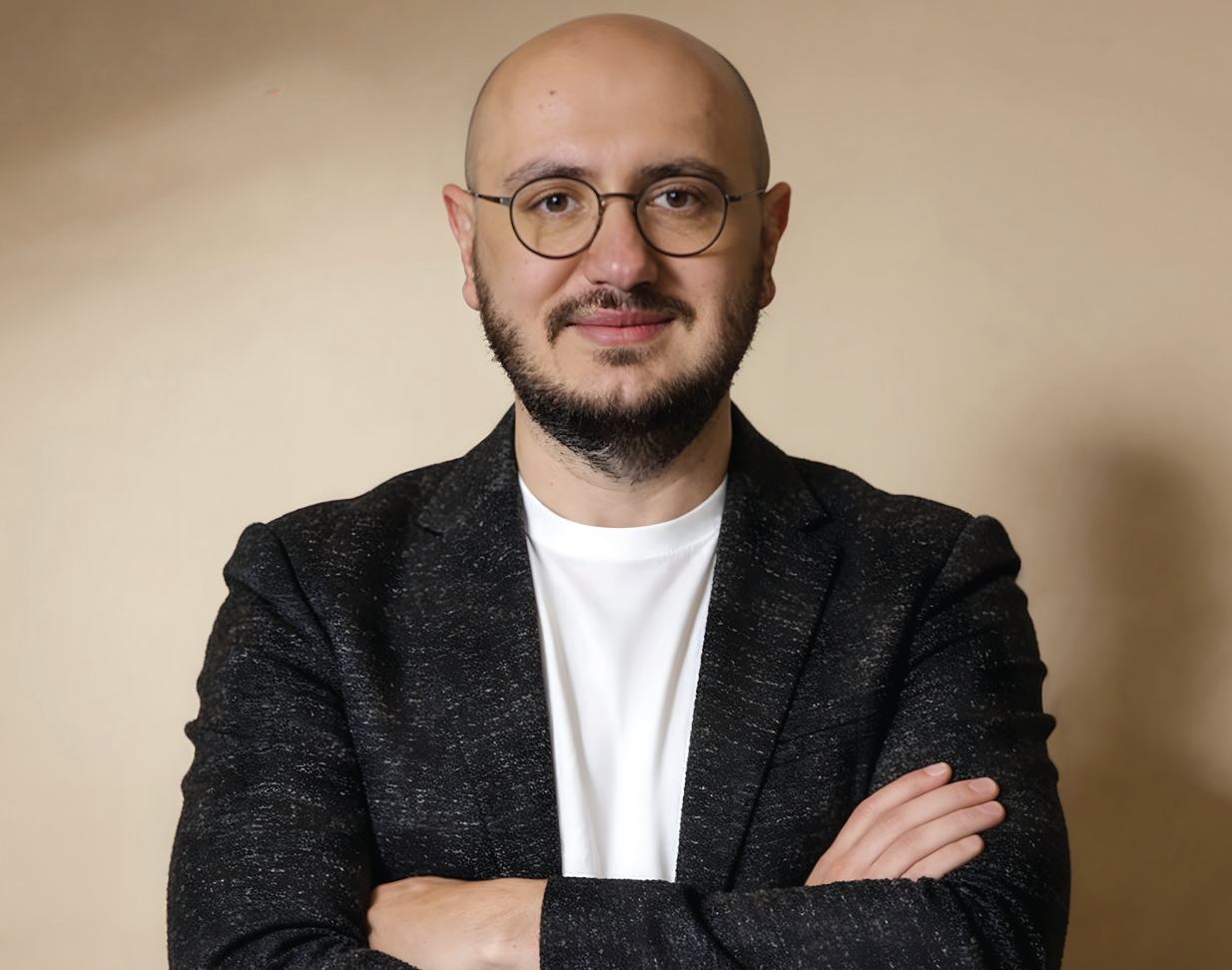
ALPIN DOĞAN - CEO OF KEDS
 

Today, KEDS serves around 800,000 customers, nearly double the number connected at the time of privatization. Electricity consumption has also increased by approximately 50% during the same period, driven by a combination of population dynamics, urban development, improvements in metering coverage, and gradual changes in consumption patterns across residential and commercial sectors.

One of the company’s biggest achievements has been reducing technical and commercial losses in the network. Losses that once stood at roughly 40% have fallen to around 15%, easing pressure on the system and helping Kosovo maintain some of the region’s most competitive electricity tariffs.

Building a Smarter Grid

Having stabilized the infrastructure, KEDS is now entering a new phase focused on digitalization and advanced network management.

The company is modernizing its SCADA monitoring system in partnership with Siemens while implementing a nationwide GIS platform that will digitally map every component of Kosovo’s electricity network by 2028. The initiative will allow operators to monitor substations, customer connections, and network assets in real time.

“We are moving from infrastructure investment toward technological investment,” Doğan explained. “The goal is to manage the network more efficiently and respond faster.”

The upgrades are also designed to support Kosovo’s growing renewable energy ambitions. KEDS has already issued permits for more than 500 MW of small-scale solar generation projects that are either already connected or are in development process to be connected to the distribution network, with applications accelerating over the past two years.

Developing the Next Generation

KEDS is also one of Kosovo’s largest private employers, with a workforce of around 2,000 people. As one of the most significant private investors in the country, the company has placed particular emphasis on job stability and the protection of employee rights — an approach that reflects its broader commitment to sustainable, long-term operations rather than short-term extraction.

That social dimension extends into workforce development. Through the KEDS Academy, a long-term education and training initiative launched in 2013, the company has created a structured pathway from technical training directly into employment.

The academy combines classroom learning with practical field experience, allowing participants to work alongside engineers, visit substations, and gain hands-on exposure to modern electricity systems. Over 13 generations, the program has produced 873 graduates and has become a direct pathway into employment within the company.

KEDS says the academy is the only program of its kind in Kosovo and the wider region because it combines long-term technical education, field training, and direct employment opportunities. The initiative has also received international recognition, earning awards in cities including Paris, London, Istanbul, and Washington.

Supporting Investment

KEDS believes reliable electricity infrastructure is now becoming one of Kosovo’s strongest advantages for investors.

Executives point to rising industrial consumption and growing manufacturing activity as evidence that confidence in the system has improved significantly. One symbolic milestone came when the NATO-operated Bondsteel military base transitioned from diesel generators to Kosovo’s electricity grid after years of operating independently because of reliability concerns. “They are now supplied without interruption,” Doğan said. “That demonstrates how much the system has changed.”