Montenegro enters its third decade as an independent state at a decisive political and economic juncture. Long associated with natural beauty and tourism-driven growth, the country is now reframing its identity around governance, institutional reform, and a more defined trajectory toward European Union membership. That shift is closely tied to the agenda of Prime Minister Milojko Spajić, whose government has placed EU accession at the center of national policy—not as a distant objective, but as a structuring mechanism for economic transformation.
Under Spajić’s leadership, European integration has evolved from political ambition into a policy framework shaping fiscal discipline, regulatory alignment, and the broader investment climate. The message from Podgorica is increasingly direct: convergence with European standards is not optional, and delay carries economic costs. “For Montenegro, there is no alternative to full membership of the European Union,” Spajić told Euronews. “Nobody is even thinking of alternatives.” The statement reflects a degree of political alignment, though execution remains the critical variable that will determine credibility in the eyes of investors.
Two decades after independence, Montenegro is no longer positioning itself primarily through potential. It is beginning to be assessed on implementation.
A Small Economy, Reframed by Policy
For much of the past decade, Montenegro was marketed as a high-potential market—strategically located, euroised, and accessible—yet still constrained by institutional gaps and a narrow economic base. That narrative is now evolving. As EU accession progresses from aspiration to structured process, the country is being reshaped by more consistent regulation, improving administrative capacity, and a more explicit acknowledgement of its structural limitations.
The macroeconomic backdrop reinforces this transition. Growth has remained relatively stable by European standards, private consumption has held, and the unilateral adoption of the euro continues to eliminate currency risk from daily business. At the same time, policymakers and business leaders are increasingly explicit about the risks of overreliance on tourism and services.
This shift toward realism marks a change in tone: constraints are no longer downplayed—they are being incorporated into strategy.
For investors familiar with convergence economies, the pattern is recognizable. Markets do not wait for accession; they begin to reprice when the direction of travel becomes credible. Montenegro’s current phase—early in institutional depth but late in declared intent—positions it in a window where perception, policy, and pricing are still adjusting.
Diversification as Execution, Not Narrative
Economic diversification sits at the center of the government’s reform agenda. Energy transition, ICT, logistics, and higher-value agriculture are being prioritized—not as substitutes for tourism, but as stabilizers of growth and extensions of the value chain beyond seasonal demand.
Importantly, this effort is increasingly anchored in EU alignment. Funding programmes and regulatory frameworks are being used to prepare domestic firms for higher standards, greater competition, and cross-border integration.
At the same time, Montenegro is becoming more transparent about execution risks—administrative bottlenecks, labor constraints, and capacity gaps. Rather than obscuring these challenges, the current narrative positions them as entry points for investors capable of contributing operational expertise alongside capital. In a small market, that combination can materially shape outcomes.
Finance and the Architecture of Trust
The financial sector provides a clearer signal of convergence in practice. Montenegro’s banking system, while compact, has remained relatively conservative—resulting in strong capitalization and liquidity levels. This has allowed banks to act as a stabilizing force while gradually modernizing operations and expanding their role in financing both corporate activity and infrastructure.
The sector’s evolution reflects a broader shift: trust is no longer being positioned as a future outcome of EU accession, but as a prerequisite being built in advance.
Tourism and Real Estate: From Scale to Selectivity
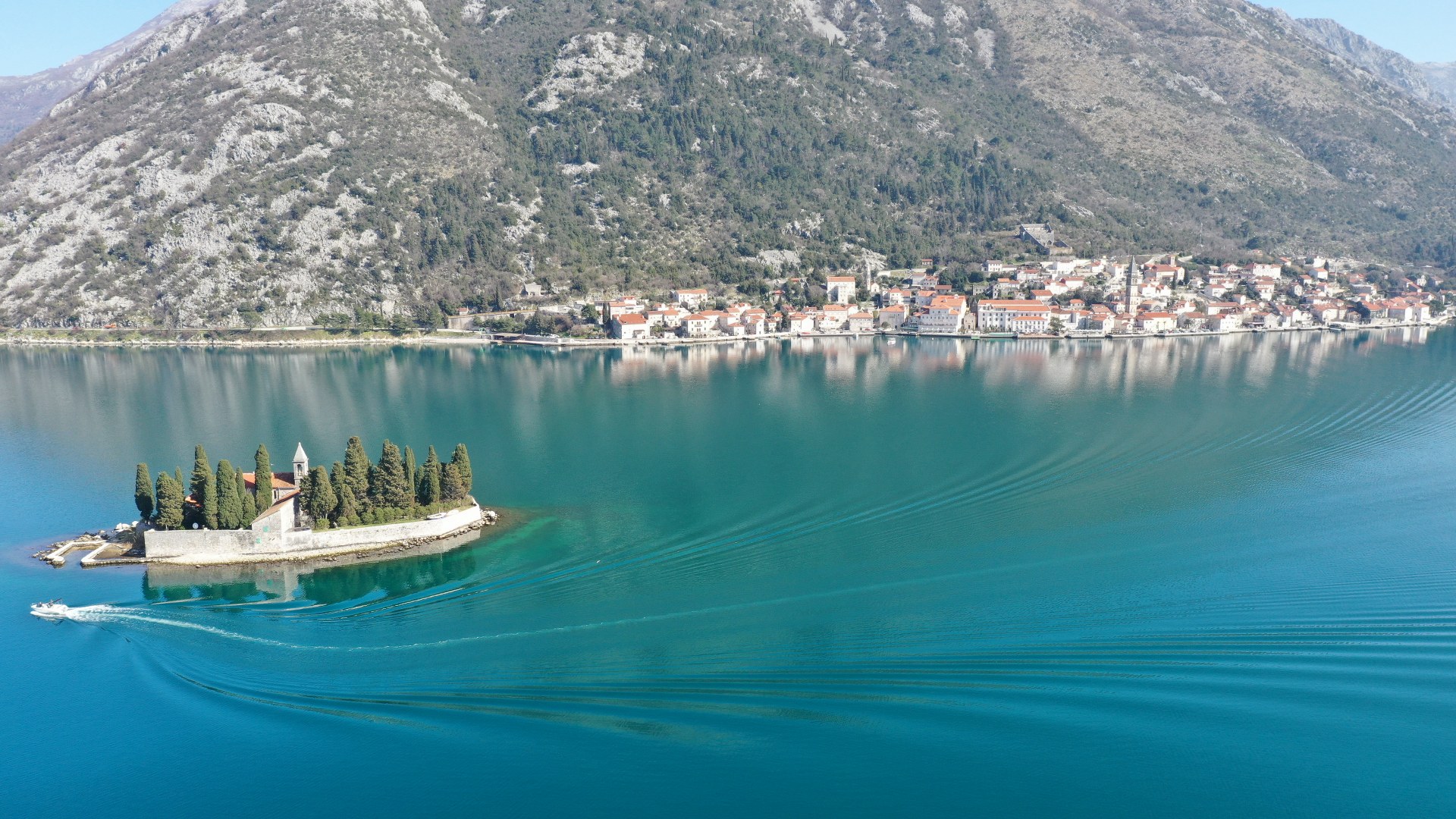
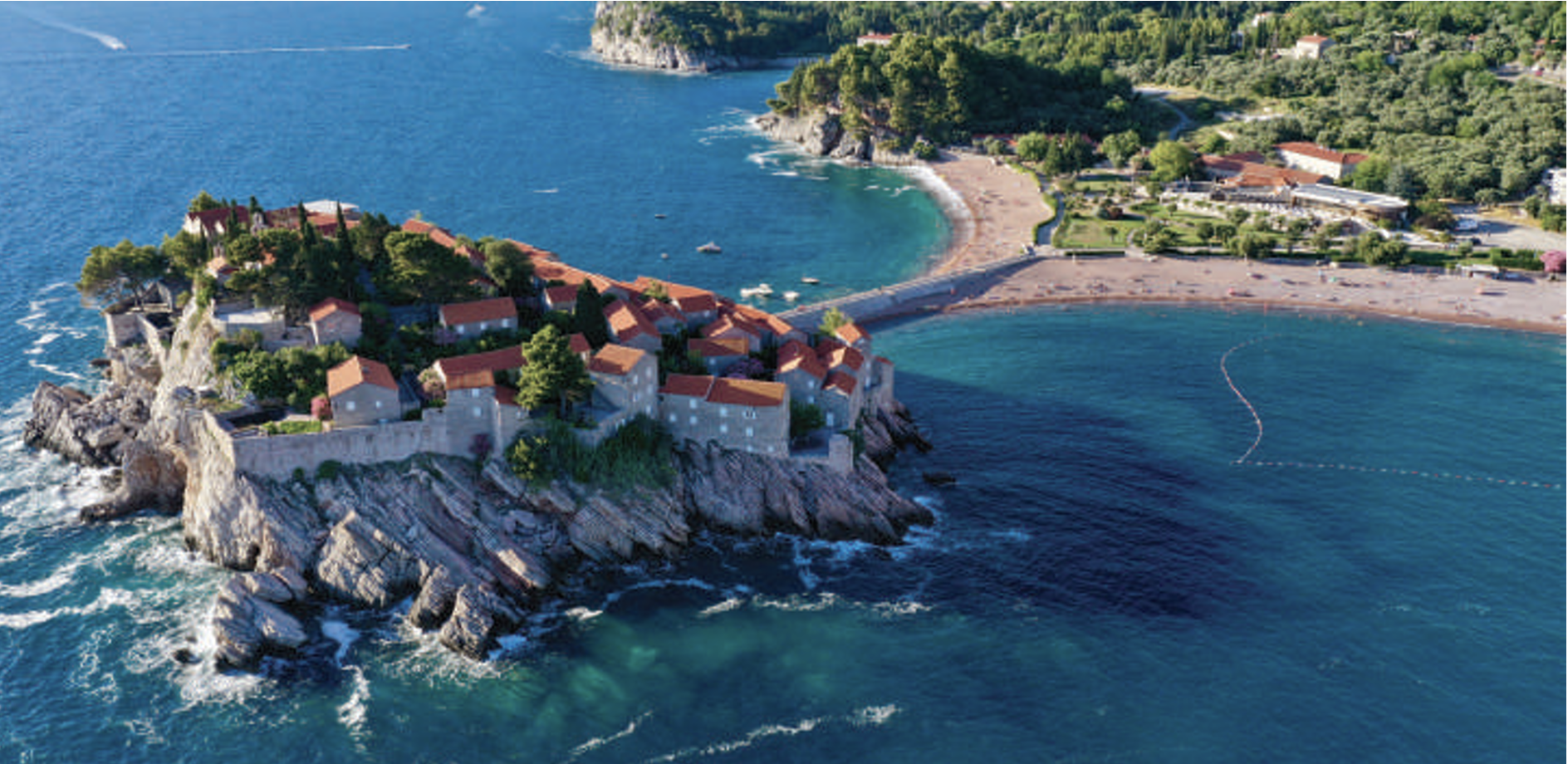
Tourism remains central to Montenegro’s economy, but its strategic role is being recalibrated. Rather than pursuing volume-driven growth, policymakers are increasingly positioning the country as a high-value, experience-dense destination, where pricing power and quality offset scale limitations.
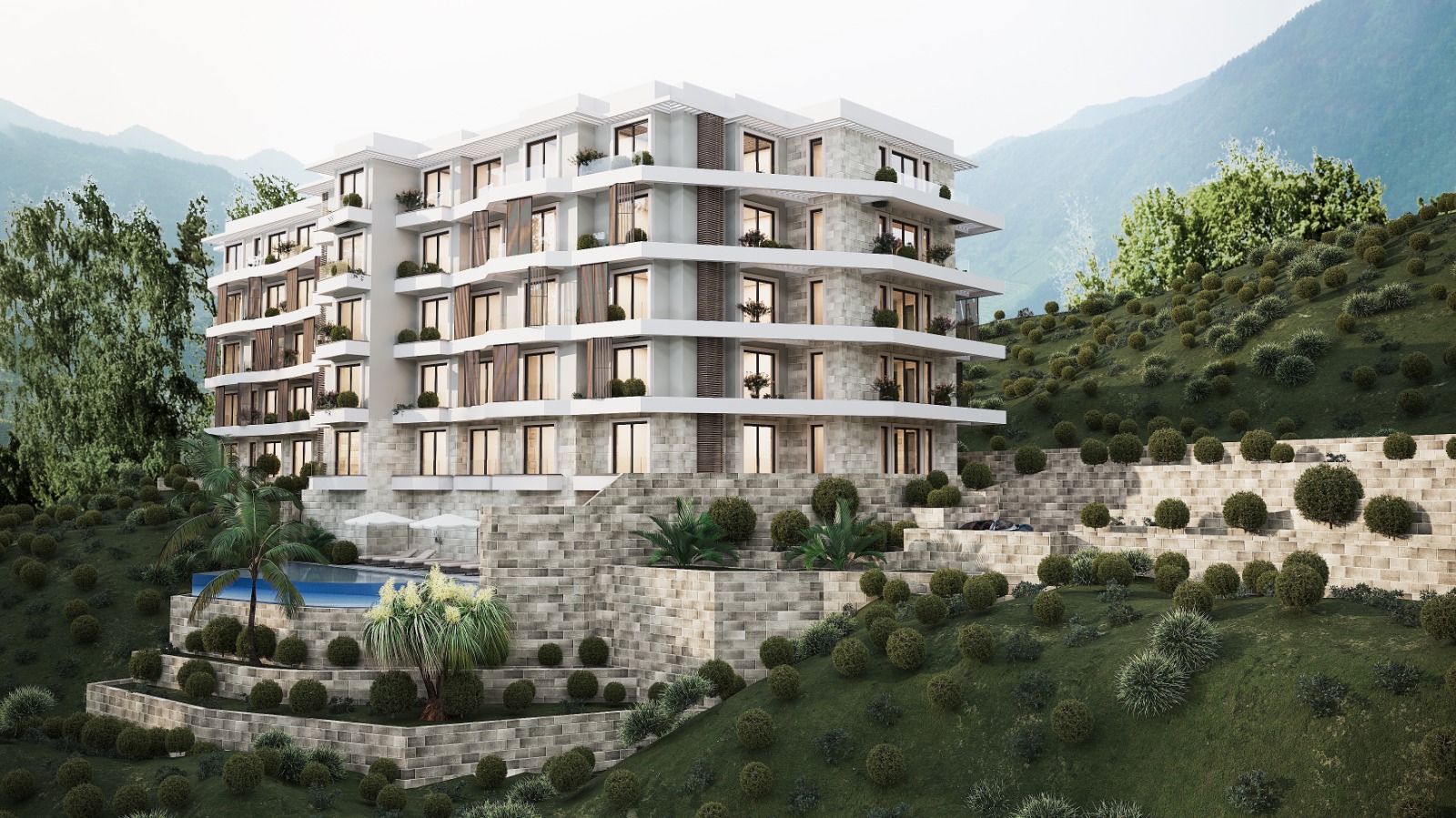
This repositioning is mirrored in real estate. Once characterized by opportunistic and seasonal investment, the sector has matured into a more structured market attracting longer-term capital from Europe and the Middle East. Price growth has been supported by underlying demand drivers—connectivity, international residency trends, and sustained tourism flows—though questions around sustainability and market depth remain relevant as the cycle progresses.
A Leadership-Driven Moment
Montenegro’s current trajectory is being shaped as much by political discipline as by market dynamics. Prime Minister Spajić has framed EU accession not simply as a geopolitical goal, but as a value-creation process—one that expands market access, enforces standards, and anchors long-term planning.
For investors, the signal is clearer than in previous cycles, but not without caveats. Montenegro is not waiting for accession to begin reform; it is using the process itself to reposition the economy. The opportunity, therefore, is not defined by certainty, but by timing: engaging while institutional convergence is underway, rather than once it is complete.
The question is less whether Montenegro will move closer to Europe, and more whether that convergence will translate into consistent execution at the pace the market is beginning to price in.