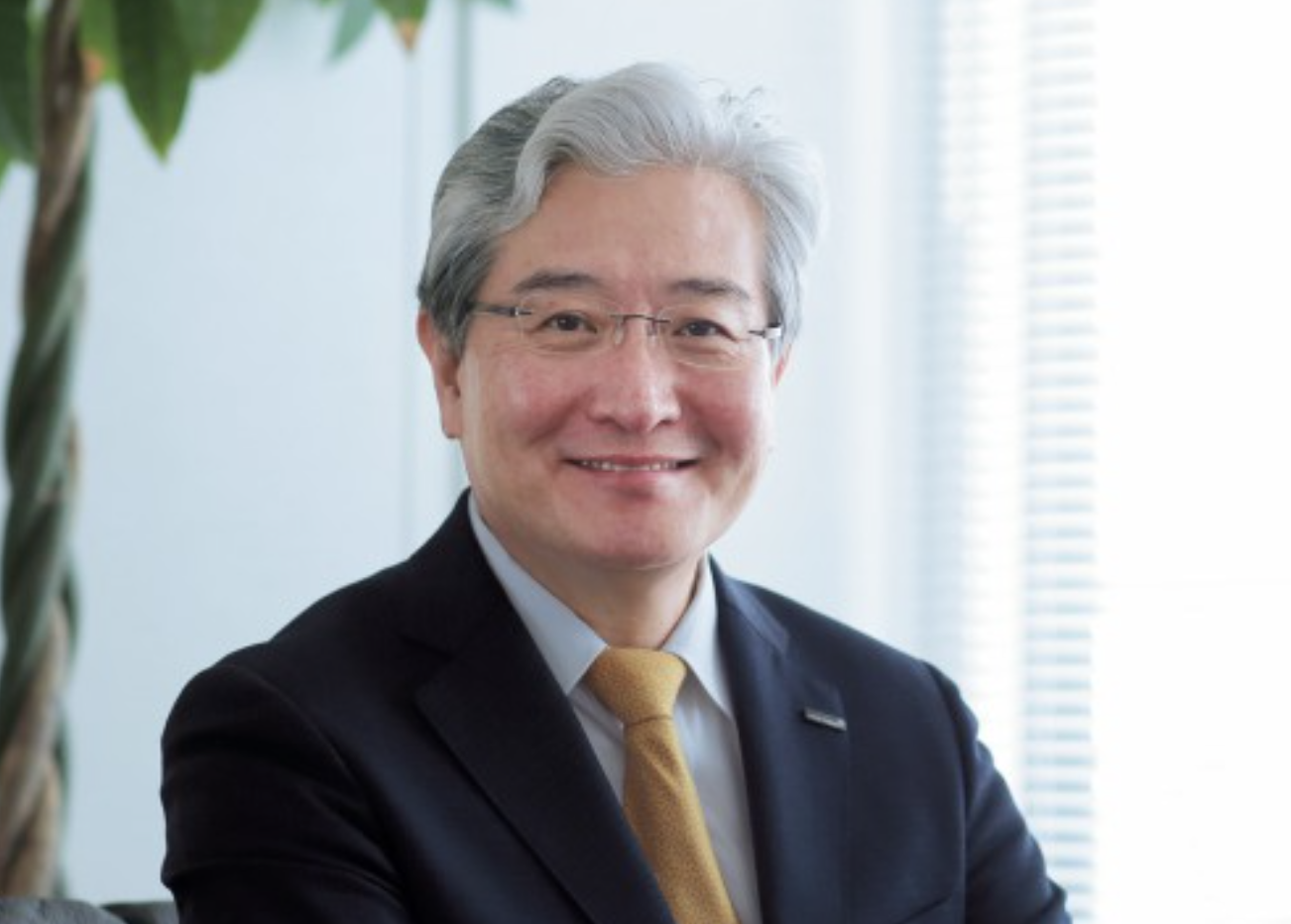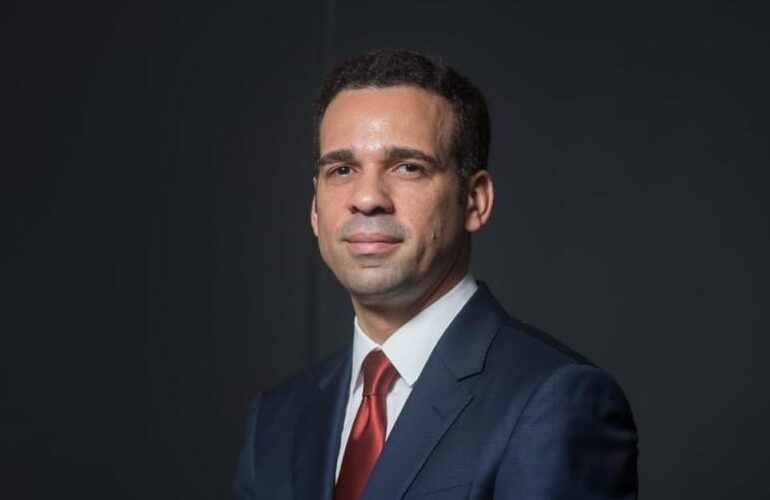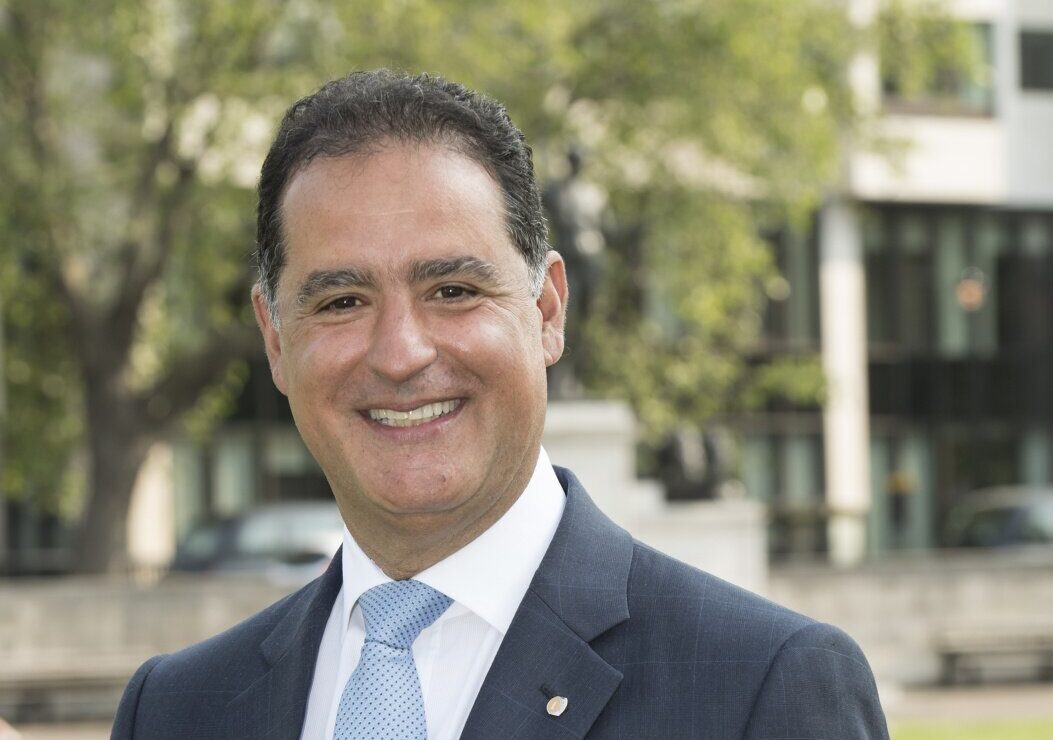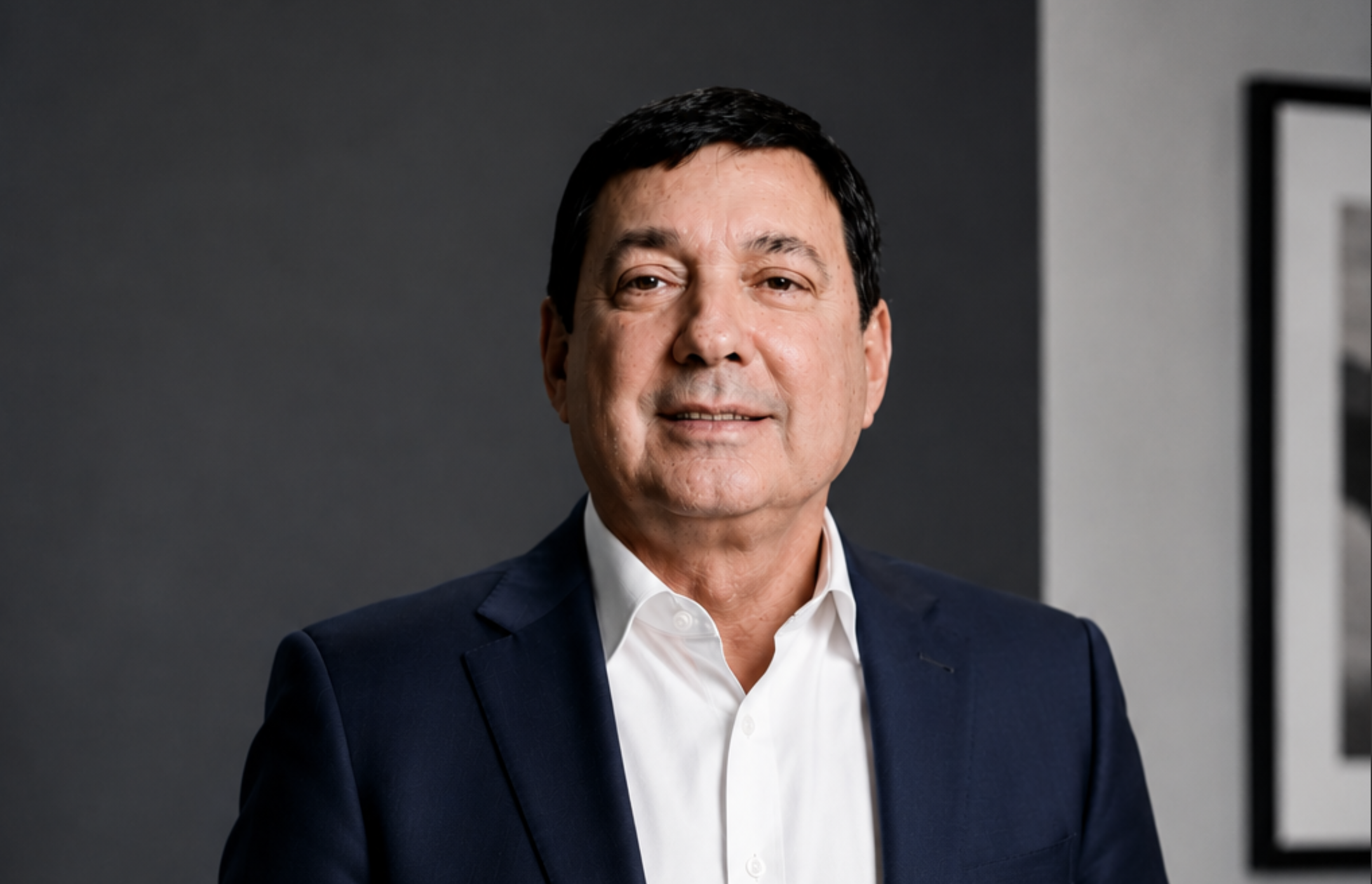

Executive Director
INVEST GUATEMALA
In this insightful interview, Juan Esteban Sánchez, the Executive Director of Invest Guatemala, shares his expertise on the country’s investment landscape. He discusses the initiatives driving foreign investment, the challenges and opportunities within the Guatemalan economy, and the vital role of strategic partnerships.
In 2023, Guatemala attracted $1.5 billion in foreign investment, marking a 7% increase from 2022. What are the forecasts for 2024, and are there any available data on this subject?
In 2023, Guatemala attracted $1.5 billion in foreign investment, a 7% increase from 2022. Looking ahead to 2024, projections indicate that investment levels will remain similar to those in 2023, aided by collaborative efforts among the government, private sector, and organizations like FUNDESA. Despite this positive trend, economists highlight a tendency towards complacency in growth rates, which remain between 3% and 5%. Initiatives such as “Guatemala No Se Detiene” and the establishment of a private investment attraction table, supported by U.S. government-backed projects like SEO, aim to stimulate further growth.
What specific sectors are generating the most interest among foreign investors?
Investment interest can be divided into two primary categories. The first is large-scale infrastructure projects, with ongoing investor interest in mobility initiatives like metro systems and public transport modernization. Additionally, there is demand for improvements in ports, highways, and airports, despite legislative challenges. This category also includes municipal and private infrastructure projects, such as privately managed roads.
The second category encompasses strategies like nearshoring and friendshoring. Here, Guatemala is looking to include Mexico as a significant market for manufactured goods, particularly in light manufacturing, especially auto parts. Growth in industrial parks is notable, with economic groups developing facilities targeting potential tenants in pharmaceuticals, food processing, light manufacturing, chemicals, and fertilizers, capitalizing on the country’s strong agricultural production.
Investors also show interest in the real estate sector, although Guatemala’s lack of a robust capital market presents challenges. The BPO (Business Process Outsourcing) sector and shared service centers are evolving, focusing on advanced services like accounting audits and health services.
If a foreign investor is interested in investing in Guatemala and seeks your advice, how can you support them, and what services do you offer?
Invest Guatemala specializes in promoting foreign investment through traditional services that begin with project origination, identifying public and private sector needs. This shift from a reactive to a proactive approach involves meeting with entrepreneurs and key sectors to develop a pipeline of projects. After identifying the origin countries of investors and their priority sectors, we provide crucial data for decision-making, feasibility studies, and market analyses.
When an investor is ready to proceed in Guatemala, we assist with “soft landing” services, which connect them with private partners, public entities, and industrial parks for facility location. We also support necessary permits and licenses. Post-establishment, we help with business growth at local and international levels, offering “aftercare” services to ensure sustainable investment growth.
How does Invest Guatemala manage its relationship with the public and private sectors?
Invest Guatemala’s relationship with both public and private sectors is vital. The current government shows a strong commitment to implementing changes with a focus on inclusion. Our collaboration centers around mutual support and alignment, with the government recently launching its strategy to attract foreign direct investment and making institutional adjustments like transferring PRONACOM responsibilities to the Ministry of Economy, with an eye towards establishing a future public investment attraction agency.
The initiative “Guatemala No Se Detiene” plays a key role in this context, projecting towards 2032. It has set up working tables to facilitate necessary changes for attracting foreign investment and generating jobs, which is our primary objective. Currently, six working tables involve collaboration from both public and private sectors to create optimal conditions for investment.
The investment attraction table serves as the main catalyst for achieving results, with Invest Guatemala in an executive and promotional role. FUNDESA leads the infrastructure table, focusing on evaluating and advancing projects to enhance national competitiveness. Addressing human resources needs is crucial, as we require specialized personnel for sectors like biotechnology over the next five to ten years.
“Agro Impact” collaborates with AGEXPORT to promote and structure projects aimed at increasing productivity and transforming agricultural products for export. In tourism, we work alongside INGUAT to enhance infrastructure, focusing on access, promotion, and hotel capacity expansion. Finally, the legal certainty table addresses the need to strengthen institutions, building trust and ensuring a favorable investment environment.
Regular meetings between the Ministry of Economy, key public sector actors, and businesses foster continuous discussions on improving conditions for attracting investment.
Revisiting the topic of legal certainty and foreign investment law, what types of fiscal and regulatory advantages currently exist for foreign investors, as well as the fiscal and regulatory incentives offered to them?
Regarding legal certainty and foreign investment law, various tax and regulatory advantages currently exist for foreign investors. For example, one significant advantage is the exemption from income tax for renewable energy generation projects. Additional incentives exist in special economic zones, free zones, and under Decree 29-89, which allows companies to operate in industrial parks with special tax conditions, such as flexibility in import and VAT tax payments. These zones not only facilitate product exportation but also allow sales in the local market.
Another important benefit is the “Mi Primer Empleo” scholarship program promoted by the Ministry of Labor. This program offers 50% of the minimum wage for four months to companies that formalize hiring workers, whether young or older, who were previously informal.
Moreover, indirect incentives, such as support from INTECAP which is internationally recognized for its low-cost youth training, also exist. While it is clear that more incentives are needed, it is essential to emphasize that not all should be tax-related. Guatemala has a solid macroeconomic structure, but long-term tax benefits may not be sustainable.
How can strategic alliances between foreign and local companies be facilitated in Guatemala?
Invest Guatemala actively promotes alliances between Guatemalan and international companies. Local firms are recognized for their ability to mobilize and profit from capital, making them attractive partners for foreign investors. Through our agency, we facilitate access not only to specific companies but also to a broad network of business actors.
A crucial item on the current agenda is achieving investment grade for Guatemala. Although the country is close to reaching this level macroeconomically, additional adjustments are necessary in areas like fiscal policy. Achieving investment grade would open opportunities to attract pension and sovereign wealth funds. To leverage this, we promote creating a solid capital market and help entrepreneurs structure appealing projects for investment.
What emerging sectors could be attractive to foreign investors in the future?
Several emerging sectors in Guatemala present strategic opportunities for foreign investors. Currently, the country’s economic growth is driven by private consumption, largely supported by remittances from Guatemalans abroad. This, combined with increasing consumer credit for individuals, highlights a strong reliance on household consumption for economic development. However, to achieve sustainable and diversified growth, it is crucial to identify emerging sectors offering good investment opportunities and creating quality jobs.
Demographics play a key role, with an average age of 26 in the population. This represents a young workforce in training that will, over time, generate more consumption, fostering the growth of an emerging middle class. Therefore, it is essential to direct youth employment toward sectors that promote sustainable development and improve quality of life.
One of the most promising sectors is technology and specialized services. There is a trend toward hiring more complex services, such as data centers, data analysis, and consulting, which could attract investments related to digitalization and technological transformation. Leveraging the nearshoring concept to compete with other countries like Mexico, which is also promoting employment in technology sectors, is crucial for retaining investments in Guatemala.
In advanced manufacturing and industry, the country holds significant potential in producing auto parts and industrial components. The availability of a workforce that can specialize in these sectors offers an opportunity to boost industry and enhance the country’s productive capabilities.
The education and healthcare sectors also represent a substantial opportunity. Investing in training professionals and improving the quality of medical services not only generates jobs but strengthens competitiveness by meeting the growing demand for specialized human talent. The quality of Guatemalan doctors is internationally recognized, opening possibilities for the health sector’s development.
Infrastructure investment is equally vital. Developing projects in this area, such as roads, ports, and public services, not only creates direct jobs but also facilitates the growth of other sectors by improving the country’s competitiveness and connectivity.
From Invest Guatemala’s perspective, what are the main challenges and opportunities currently facing the Guatemalan economy?
Regarding challenges and opportunities for the Guatemalan economy, a major challenge is to strengthen legal certainty. This involves improving institutions, advancing public sector digitalization, and updating key laws in areas like infrastructure, investment, and employment formalization. Although Guatemala is perceived by some international investors as a legally secure country, continued efforts are necessary to consolidate institutions to foster trust and long-term investment.
Economically, it is crucial to increase GDP growth rates, surpassing the current range of 3-3.5% to reach levels of 5% or more in the medium to long term. This requires enhancing productivity, implementing structural reforms, such as developing a stock market, and promoting infrastructure investment through public-private partnerships. Additionally, optimizing the use of remittances and encouraging both private and public investment is vital to ensuring sustainable growth and achieving investment grade.