1. As one of Africa’s leading food and beverage companies, operating across more than 40 countries, what would you consider to have been the most significant milestones in Promasidor Angola’s growth and consolidation within Angola’s FMCG and food-processing sectors over the years?
Mr. Vitor: What makes me very happy is that Angola is currently one of the five largest geographies within the Promasidor Group. Obviously, considering the size of Angola, we should not forget that the country has around 37 million people, especially when compared with countries like Nigeria or Ghana.
What I also find most rewarding, after working at Promasidor for many years, is the growth trajectory and the path we are putting into action. We continue to grow year after year, and today we are market leaders in many categories. We are market leaders in powdered milk, and we also hold significant market share across several other categories, including chocolate, coffee, seasonings, powdered juices, and infant cereals.
There are categories where we had to step back. For example, condensed milk was a product we imported, but eventually the margins and pricing were not sustainable for the market, particularly because competitors began producing locally. However, that is part of business and part of our strategy moving forward. You lose some categories, but you gain most of them.
2. Could you provide an overview of Promasidor Angola’s current operational scale, particularly in terms of distribution reach, workforce development, production capacity, and presence across Angola?
Mr. Vitor: At this moment, we cover almost the entire country. A few years ago, we changed our business model and began working through distributors. Today, we have distribution partners in almost every province in Angola. The only provinces where we still do not have direct distributors are Cuando, Cubango, Cunene, and Namibe, although those regions are supplied through neighbouring provinces.
We currently have a direct and indirect sales force of more than 100 people operating across the country. In terms of infrastructure, Luanda remains our main operational hub, where we manage raw materials, packaging materials, production, and finished products. From there, products are distributed through warehouses located in Cabinda, Lobito, and Saurimo, helping us supply the northern, southern, and eastern regions of the country.
Regarding production, we are performing well, although there are moments when demand exceeds our production output. For that reason, we are increasing production capacity this year. Directly, we employ around 300 people, and when including indirect workers, distributors, merchandisers, and support teams, we are supporting more than 500 people overall.
3. Promasidor Angola has been investing in industrial modernization and operational innovation. What recent automation and innovation initiatives have been implemented within the company?
Mr. Vitor: Over the last few years, we have automated several of our production lines. Previously, there was a great deal of manual work involved in some processes, and we redesigned parts of those operations. Of course, there is still more work to be done, but automation was an important step for us.
In addition to production automation, we also modernized our management systems. We use Business Central, and today everything from invoicing to overall business management is automated.
One important innovation initiative has also been the transition from importing certain finished products to producing them locally. For example, in the seasoning category, we used to import finished seasoning cubes, whereas now we produce them locally in Angola. This is still a recent development, but it represents an important step forward. The next challenge is increasing the use of locally sourced raw materials wherever possible.
4. Promasidor Angola has also strengthened local industrial partnerships, particularly in packaging and sourcing. How have these collaborations contributed to the company’s growth and market positioning?
Mr. Vitor: One of the most important things for us is supporting local industry whenever possible. At this moment, 100% of our packaging materials are sourced locally in Angola. This includes cartons, boxes, reels, and even the plastic containers used for some of our products.
Although we still need to import most of our raw materials, purchasing locally wherever possible helps strengthen Angola’s industrial ecosystem. Sugar, for example, is sourced locally, and we are also exploring opportunities to work with local suppliers for products such as salt, cocoa, and coffee.
Our long-term objective is to gradually replace imports with local production wherever the industrial capacity exists. However, in many categories, especially industrial-scale cocoa processing and soluble coffee production, local supply remains limited, which means imports are still necessary.
5. ESG and sustainability practices are becoming increasingly important across the global FMCG industry. How is Promasidor Angola approaching environmental responsibility and community engagement?
Mr. Vitor: Environmental responsibility is extremely important for us. We have a dedicated recycling and waste-separation area where we separate recyclable materials such as paper and plastic. We work with a recycling company that collects these materials several times per week.
We also invest heavily in cleanliness and hygiene, which is essential for a food and beverage company. Beyond our facilities, we also contribute to cleaning the surrounding streets and community areas around our operations. We hire local people to help maintain these spaces because we believe it is important to operate within a clean and healthy environment.
At the same time, we continuously try to raise awareness within the surrounding communities regarding environmental habits and waste management. It is not always easy, but we believe the important thing is to start and continue educating people about the impact of these practices.
6. In addition to environmental initiatives, how is Promasidor Angola supporting employee wellbeing and social responsibility internally?
Mr. Vitor: We have several initiatives focused on employee wellbeing. At the moment, we are renovating and upgrading our cafeteria facilities, and within the next one or two months we expect to begin providing meals to employees directly.
We also provide monthly product packages to both direct and indirect employees, including milk and other products from our portfolio. Additionally, when employees become parents, we offer support packages as part of those celebrations.
Beyond internal initiatives, we also support community activities and sponsorship requests whenever possible. Our marketing team frequently collaborates with schools, families, and public events, particularly through activities connected to our Twisco brand for children (Twisco City), but also some other brands.
7. What are the company’s main strategic priorities and future plans over the next few years, particularly in terms of production and regional expansion, product diversification, investment in local manufacturing and supply-chain development?
Mr. Vitor: For the future, our main objective is to finalize the plant transformation project. The project is primarily focused on meeting quality standards and obtaining certifications. That is our main objective with this project. At the same time, the new design and layout will allow us to expand production space, install additional machinery, and increase production volumes whenever necessary.
Over time, we also want to diversify into additional products produced locally. We can talk about products such as sweetened condensed milk and several others that already exist in other geographies within the group. Our long-term objective is to gradually replace imports with local production wherever possible.
The next step is to try to find local suppliers who can provide us with raw materials. Our main objective is to find ways to replace imports with local production, particularly in categories such as salt, cocoa, and coffee.
Regarding regional expansion, we intend to strengthen our sales force in the south in order to expand more directly into the yet non covered provinces.
8. Having built a career across finance, internal control, and executive leadership roles in companies such as Refriango, Contidis, and now Promasidor Angola, how has your professional journey shaped your leadership philosophy, and what legacy would you ultimately like to leave behind?
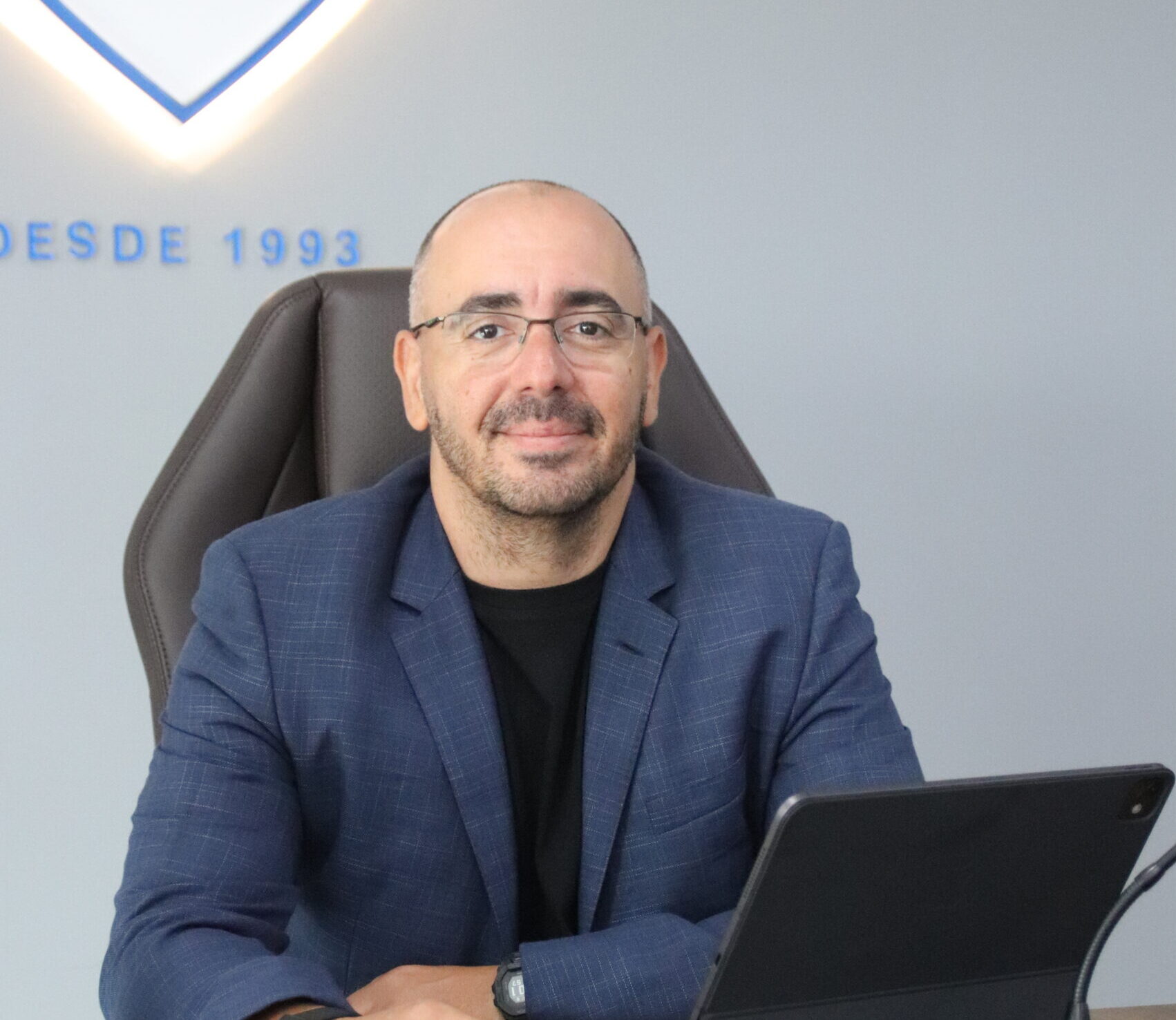
Mr. Vitor: My entire professional life has been built around finance. Before entering the corporate world, I spent nine and a half years in the Portuguese Air Force, and that experience gave me discipline and structure that still shape the way I lead today.
After that, I moved into finance and worked across treasury, accounting and internal control. Throughout the years, I gained experience in several large companies, both in Angola and Portugal. I truly believe that having a financial foundation is essential for leadership because it allows you to understand the numbers and the business itself.
At the same time, I continue learning every day. I have been CEO for one year, and I am still developing, particularly on the commercial side of the business.
In terms of legacy, I would like to be remembered as someone who helped grow the company while also helping people grow alongside it. Leadership is not a one-man show — it is about building a strong team, giving people autonomy and responsibility, and creating an environment where people are happy to work. We spend more than half of our lives working, so creating a workplace where people genuinely want to be is something I deeply value and hope to continue building at Promasidor Angola.