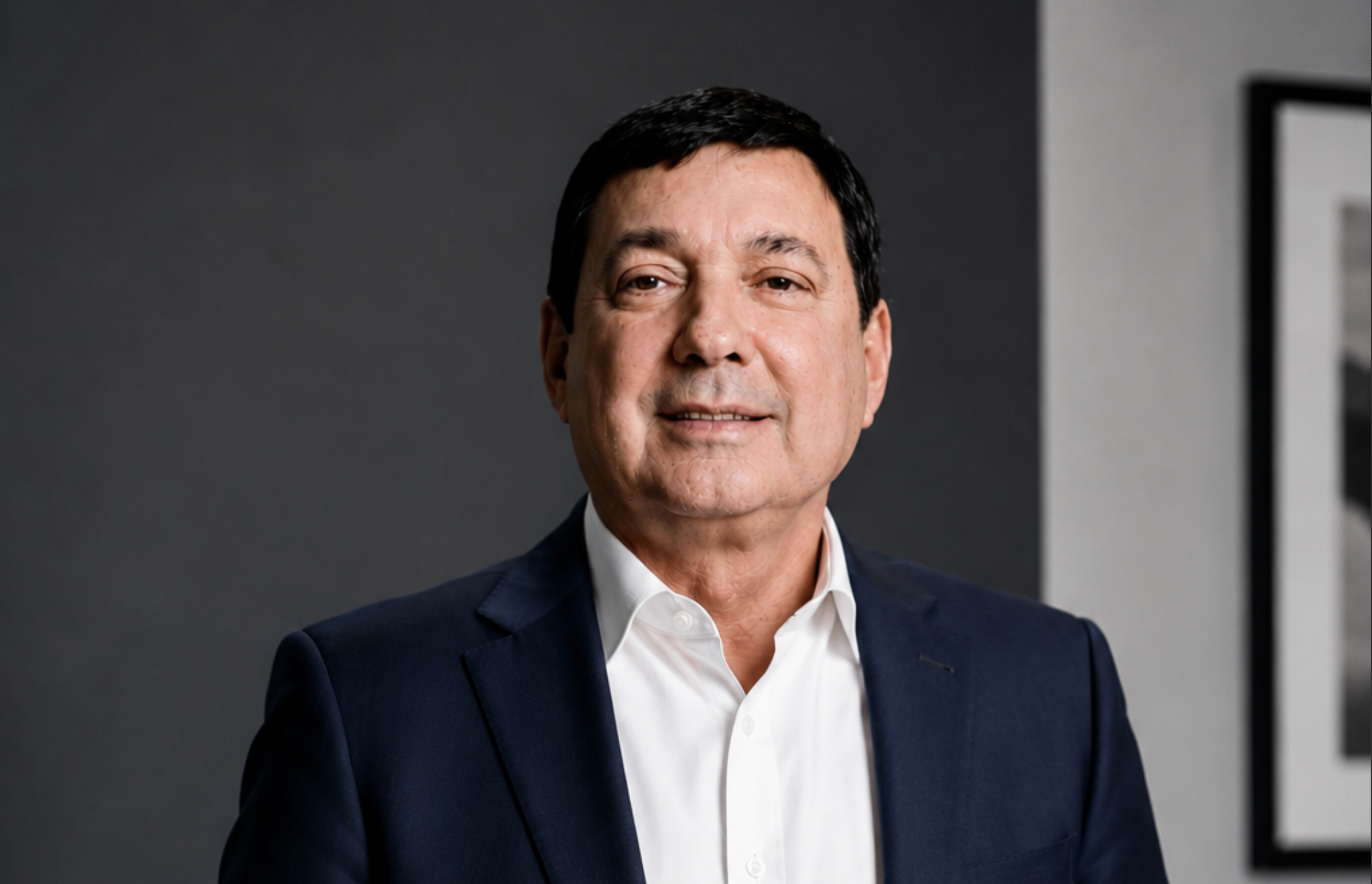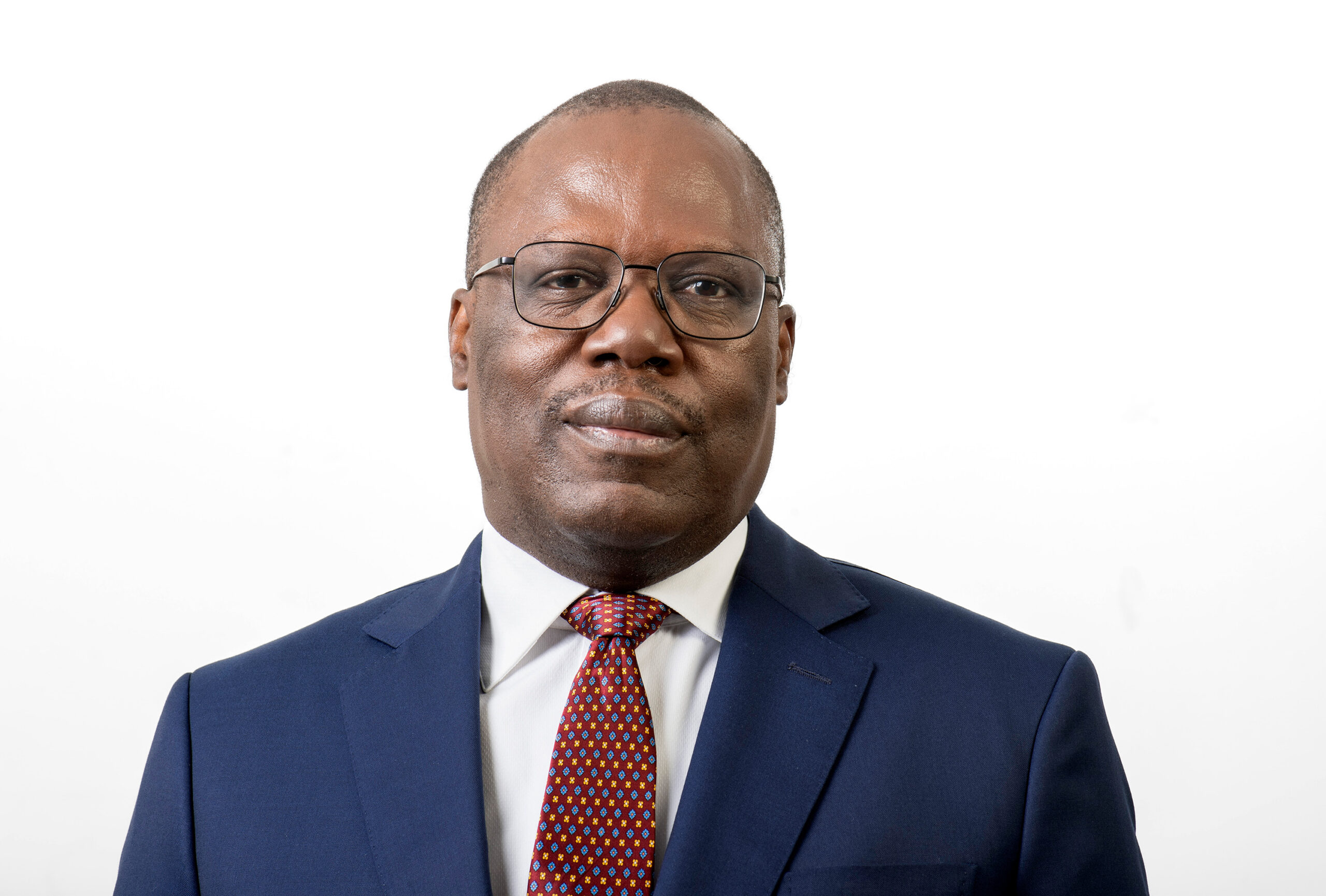

You’ve just taken on the role of Managing Director. Can you briefly walk us through your background and how you came into this position?
I stepped into the Managing Director role in March this year, but I wasn’t new to the Marianas Visitors Authority. Before this, I served on the board of directors for just under two years, so I already had a clear view of the challenges ahead. The destination has struggled to recover anywhere close to pre-pandemic levels, and I knew that coming in. Before joining MVA full time, I spent about 15 years with DFS, a global luxury retail and duty-free company that had a presence in Saipan for almost 50 years. Unfortunately, DFS decided to pull out earlier this year due to a mix of economic pressures and broader recovery challenges. That experience gave me a very grounded understanding of tourism-dependent economies, consumer behavior, and the importance of adapting quickly. All of this shaped my decision to accept this role and commit to helping reposition tourism as our main economic engine.
Tourism in the Marianas has clearly faced a “perfect storm” in recent years. How would you describe the current situation?
When you visit Saipan, you’ll see many of the same issues visible in Guam, but with one major difference: tourism is our only economic engine. Guam has tourism, the military, and a few other drivers, but here the impact of any downturn is immediately visible in the community and in public finances. We did become somewhat complacent with our traditional markets, especially Korea, China, and Japan. Before the pandemic, we enjoyed a certain stability and didn’t react fast enough when everything shifted. The pandemic shut borders, people stopped traveling, and then foreign exchange rates moved against us, with a stronger U.S. dollar making travel more expensive for key markets. On top of that, we’ve been hit by major typhoons in 2015 and 2018.
If you look at the data, 2017 was really our last “clean” year, with over 650,000 visitor arrivals. In FY2025, we’re down to about 160,000 visitors, so the scale of the challenge is very real. Both internal and external factors, as well as a lack of evolution, have contributed to this situation.
You’re launching a new global brand for the destination. What is the concept behind it and why is it so important now?
Our team has spent the past few months working on a new global rebranding that we are very proud of. We’ll officially roll it out at our general membership meeting on Friday, and I see it as a real milestone moment for the Marianas. The brand keeps our identity as “The Marianas,” but the overarching tagline is “Far From Ordinary.” That phrase works in two ways. Geographically, we are distant from the ordinary, but it also challenges us to create far-from-ordinary experiences that visitors can’t find elsewhere.
The brand is designed to reintroduce our islands to the world in a way that feels more genuine and true to who we are, celebrating our culture, history, heritage, and natural beauty in a way that excites today’s travelers. We’ve been working closely with partners and stakeholders across the community, and the feedback has been very positive. For us, it’s not just a logo or a tagline; it’s a fresh foundation and framework to re-strategize tourism and reimagine how we share our story with the world.
How have your source markets evolved before and after the pandemic, especially with regard to China and Korea?
Pre-pandemic, our market mix was more balanced. Korea represented about 40% of arrivals, China about 30%, and Japan plus all other markets made up the rest. That diversification gave us some resilience. Today, post-pandemic and as of FY2025, around 70% of our visitors come from Korea, with the remaining 30% spread across China, Japan, and other markets.
One unique advantage we have is a special provision between the U.S. and the CNMI that allows Chinese nationals to visit Saipan without a standard U.S. visa, provided they obtain a travel authorization and go through a vetting process. It’s an economic tool that also reflects our strategic location in the Pacific. Before COVID, we had direct flights from five major cities in China, and that visa-free framework helped us grow that market quickly. However, the overall U.S.–China air services cap and broader geopolitical tensions have disrupted that growth. The potential is still there, but at the moment we cannot fully maximize it without restored direct air connectivity.
Air service has clearly been a major bottleneck. What have been the main shocks to your connectivity in recent years?
We were on a growth trajectory from 2022 through 2024, but FY2025 saw us slide back due to a series of external shocks. First, Asiana Airlines pulled out of Saipan in 2024 as part of its pending merger with Korean Air, which instantly removed a significant amount of seat capacity. Then Jeju Air experienced a crash, leading the government to impose stricter safety regulations and guidelines. That forced airlines to re-evaluate aircraft utilization and maintenance schedules, and we felt the impact through reduced services.
T’way, another key Korean carrier for us, was acquired by Sonos Hospitality, which also brought changes in priorities and operations. Finally, with the Korean Air–Asiana merger, Korean Air had to comply with mandates from the Korea Fair Trade Commission to maintain seat capacity to Guam at roughly 2019 levels. That’s good news for Guam, but it has created an imbalance in supply and demand. Fares to Guam dropped as Korean Air tried to fill those mandated seats, putting pressure on T’way and Jeju’s Saipan routes. They could either cut prices and lose money or reduce flights—and they reduced flights. We’ve gone from two stable daily flights from Korea, sometimes three in peak seasons, to essentially one daily flight.
Given these constraints, how do you see the Chinese market and broader diversification opportunities going forward?
There is definitely strong demand from China. It’s not going to rebound overnight, especially because we haven’t actively pursued that market for some time, but the interest is there. Right now, we have two flights per week from Hong Kong, and we are working to build demand around that connection, even though those services also experienced disruptions for a few months.
The real game-changer would be restoring direct flights from mainland China, especially given our visa-free entry framework for eligible Chinese travelers through the travel authorization program. For many middle-class Chinese travelers who have never been to the mainland U.S., the idea of visiting U.S. soil without a visa, in a place with pristine blue waters and natural beauty, is extremely attractive. If we can unlock that again with reliable direct air service, it would give us a huge opportunity to recover and grow our tourism industry. At the same time, we are also looking to open up more markets worldwide so that we’re not overly reliant on just one or two countries.
How are you working with hotels and the wider private sector to create the “far from ordinary” experience you describe?
Historically, our strategies have leaned heavily on our beautiful beaches, world-class hotels, and key visitor sites. Those assets are still important, but they’re no longer enough. Our priorities now are centered on driving sustainable visitor demand, enhancing the visitor experience, and strengthening alignment across all industry partners.
Travelers today are looking for more than sun and sand; they want products, services, and experiences that connect them with local culture, history, and people, often with a focus on sustainability. Our new brand is deeply tied to those themes. We want to work with hotels and small businesses to co-create far-from-ordinary experiences that are truly unique to the Marianas. That might mean more structured cultural entertainment, deeper storytelling about our complex history, and new activities that bring visitors into meaningful contact with the community.
To support this, we’ve developed a program similar to Shark Tank, where small businesses pitch tourism ideas or existing products. We’ll be launching it alongside our new brand so the community can see that this is not just a tagline, but a concrete effort to develop experiences that match the promise we make in our marketing.
With tourism down and funding linked to hotel occupancy, how are you managing the financial side of promotion and strategy?
The Marianas Visitors Authority is 100% funded by the hotel occupancy tax. We receive about 71.4% of that tax, which itself is 15% of the nightly room rate. The remainder goes to the central government, which uses it for other priorities such as retirees or the school system. When visitor arrivals drop, hotel occupancy falls, and hotels reduce their nightly rates to stimulate demand. All of that directly impacts our budget.
Right now, the central government is under austerity measures, and so are we, simply because there isn’t much funding to go around. This puts us in a difficult position: the moment when we most need marketing dollars is precisely when we have the least. It forces us to be very strategic and resourceful with every initiative. That’s part of why the new brand and our focus on community-based product development are so important. We have to leverage partnerships, creativity, and local ownership of tourism experiences, rather than relying only on big-budget campaigns. Tourism is everybody’s business, and rebuilding it will require collective effort and long-term investment.