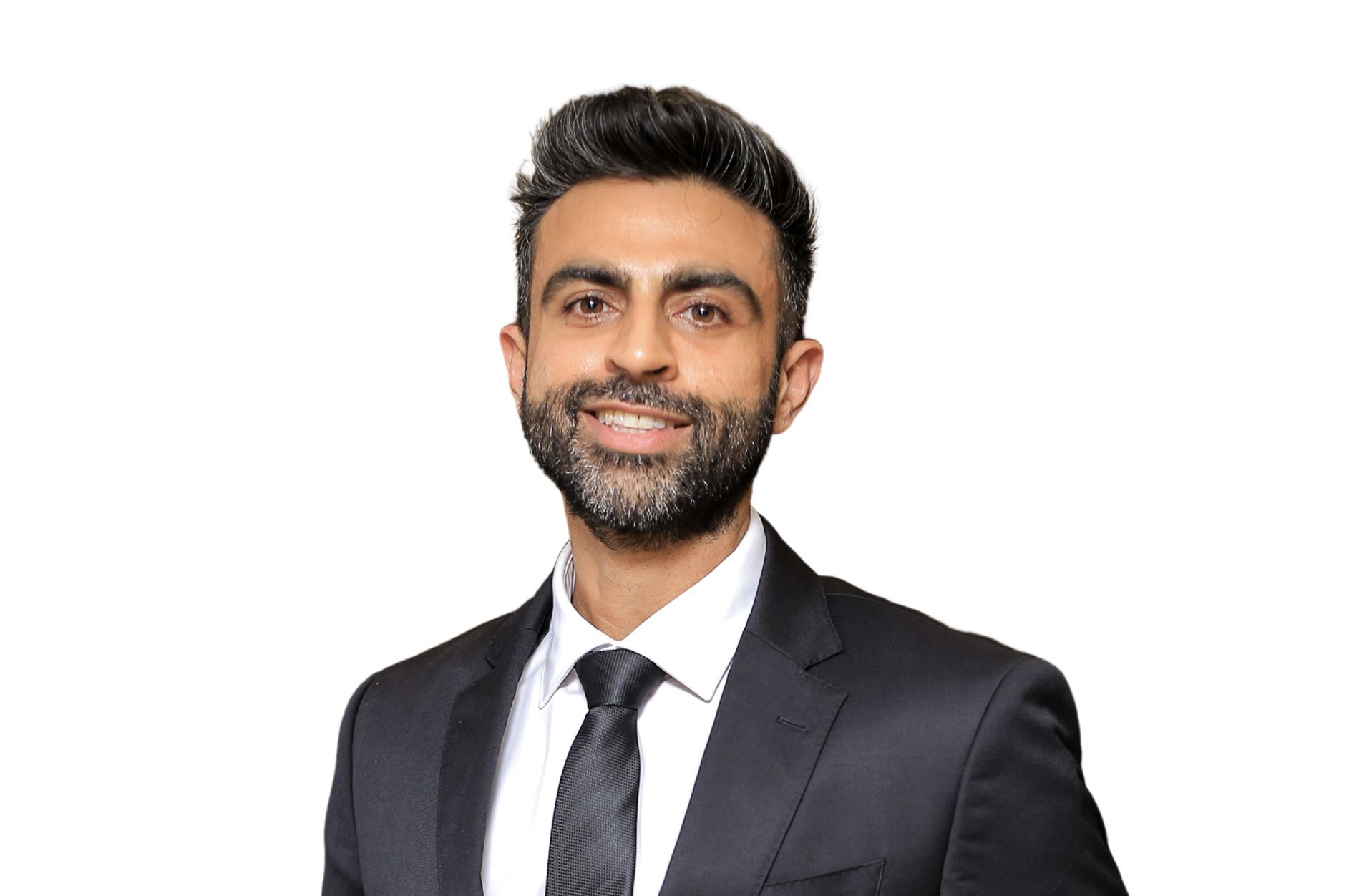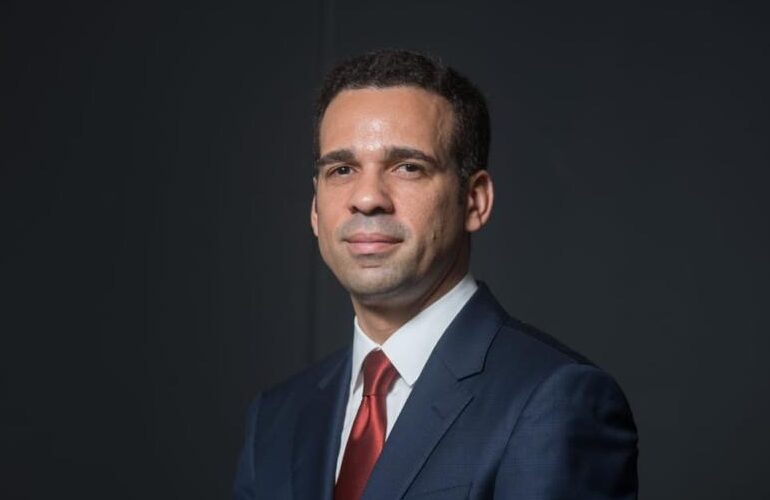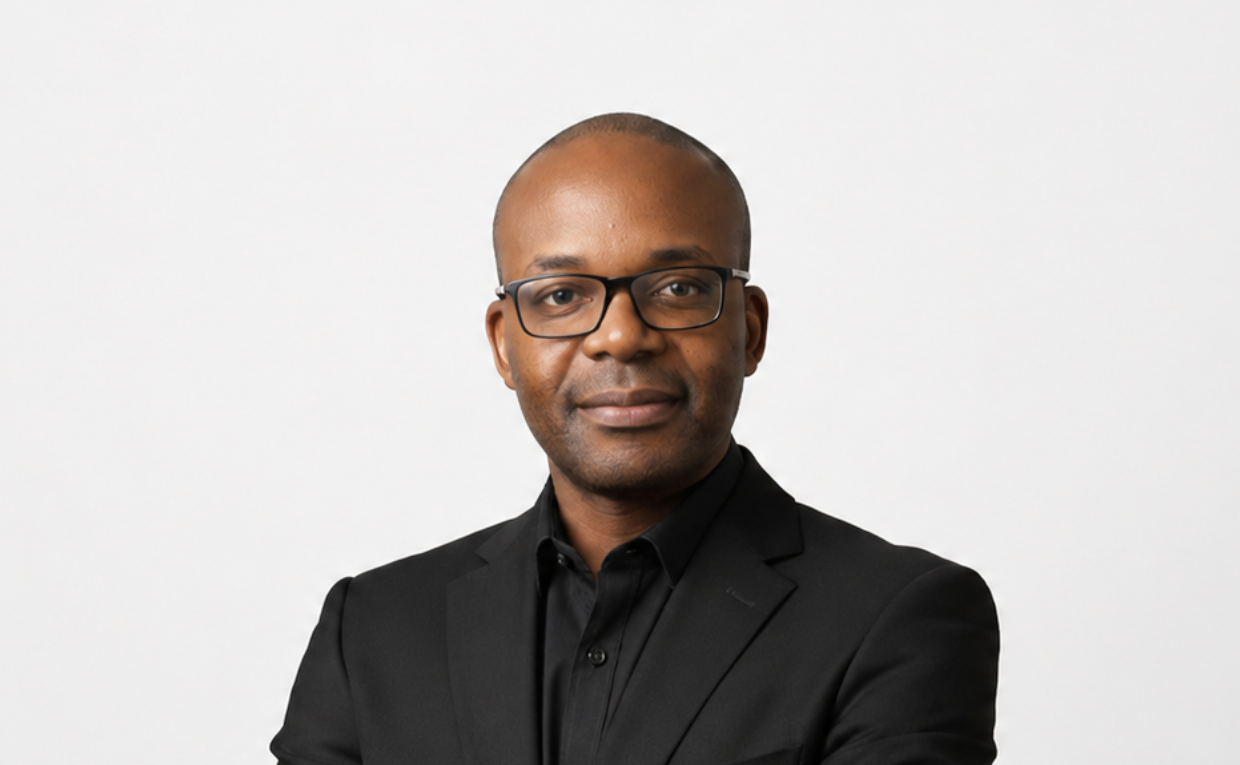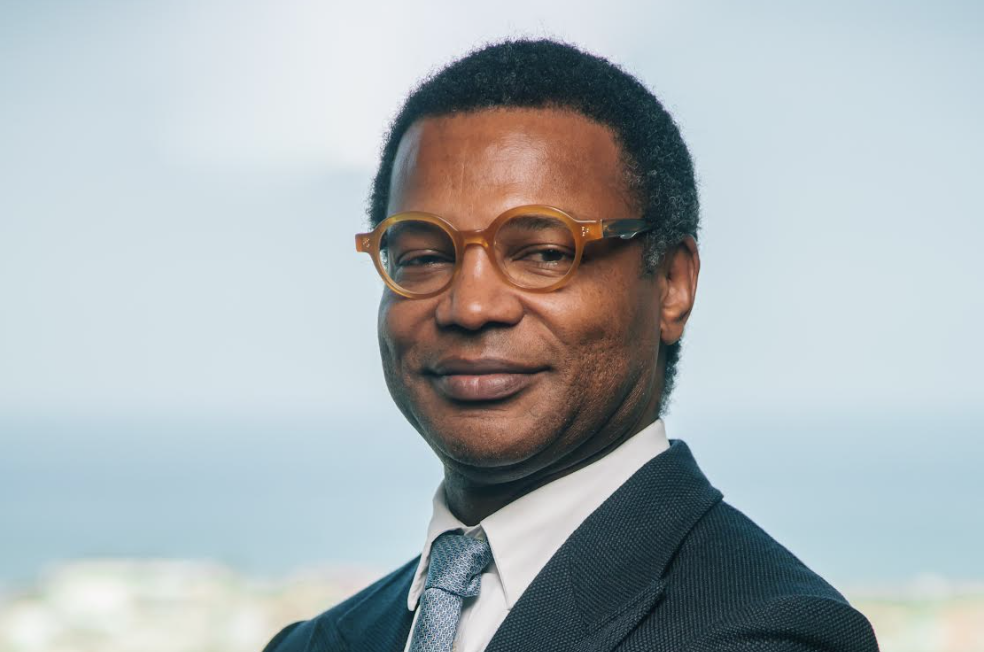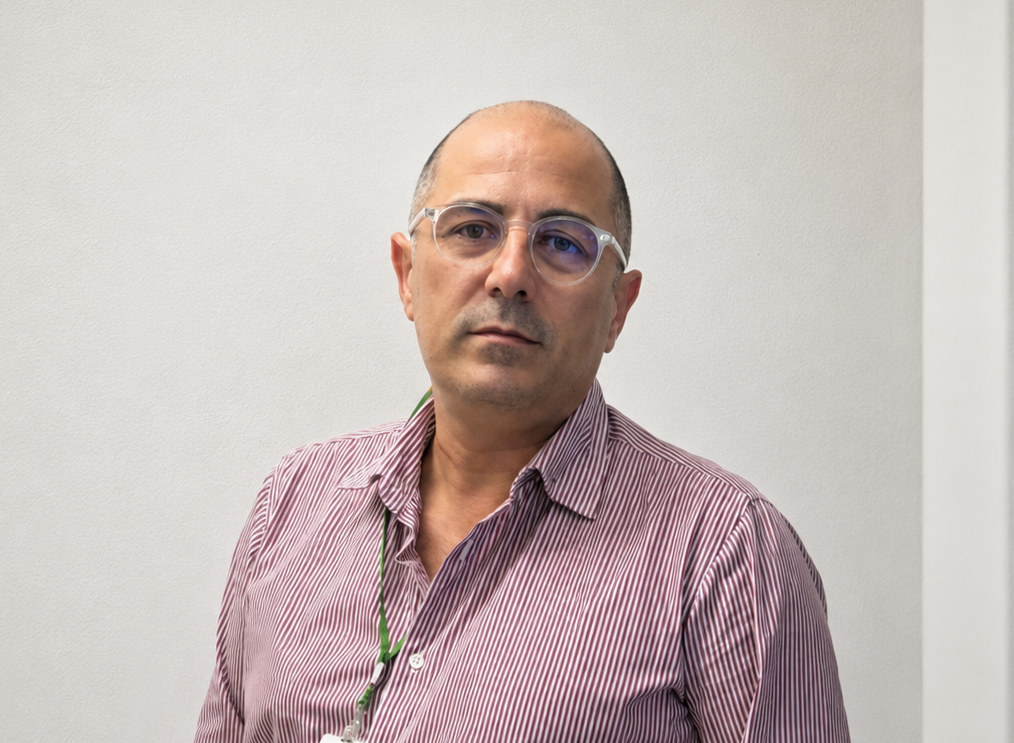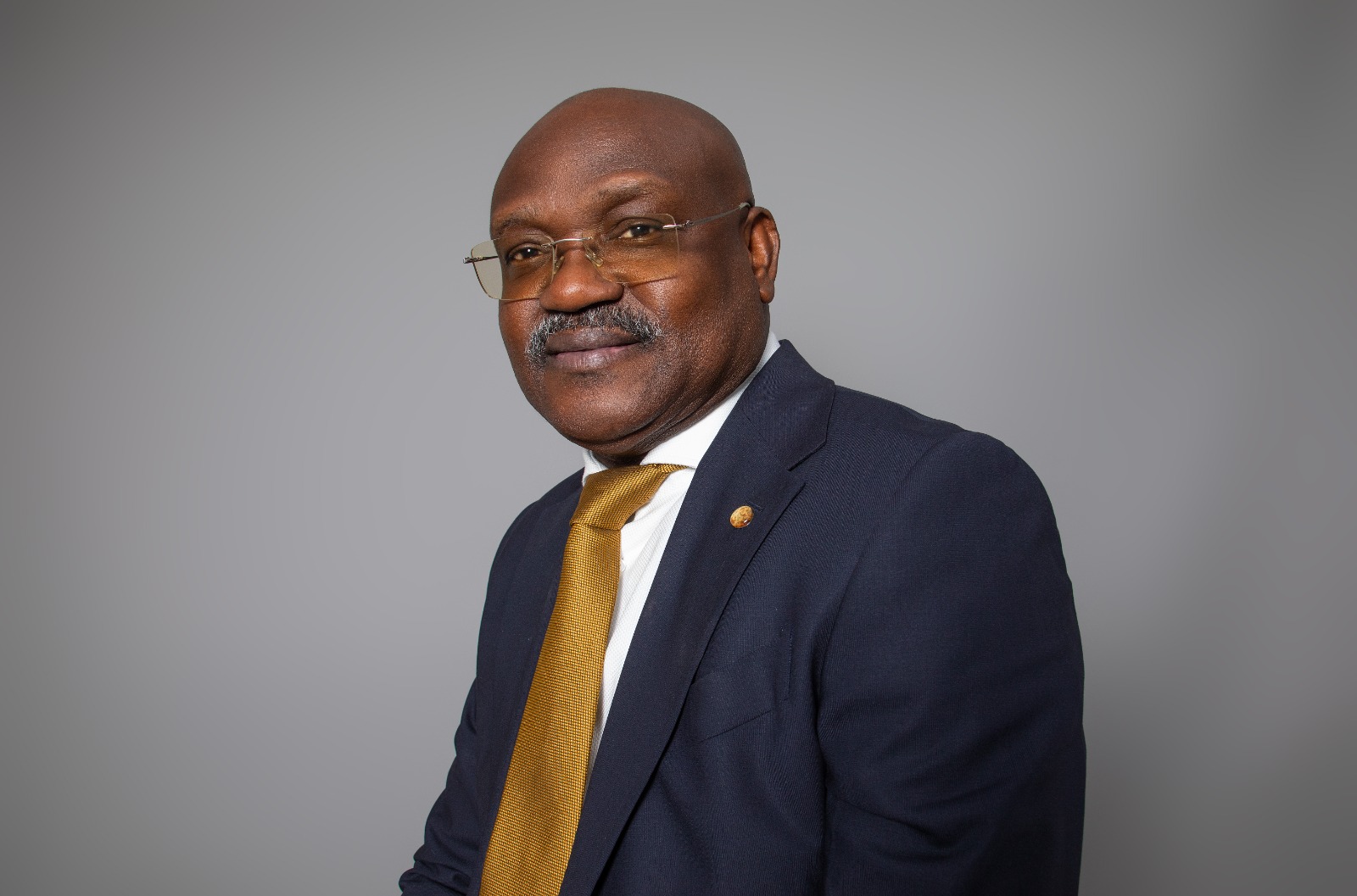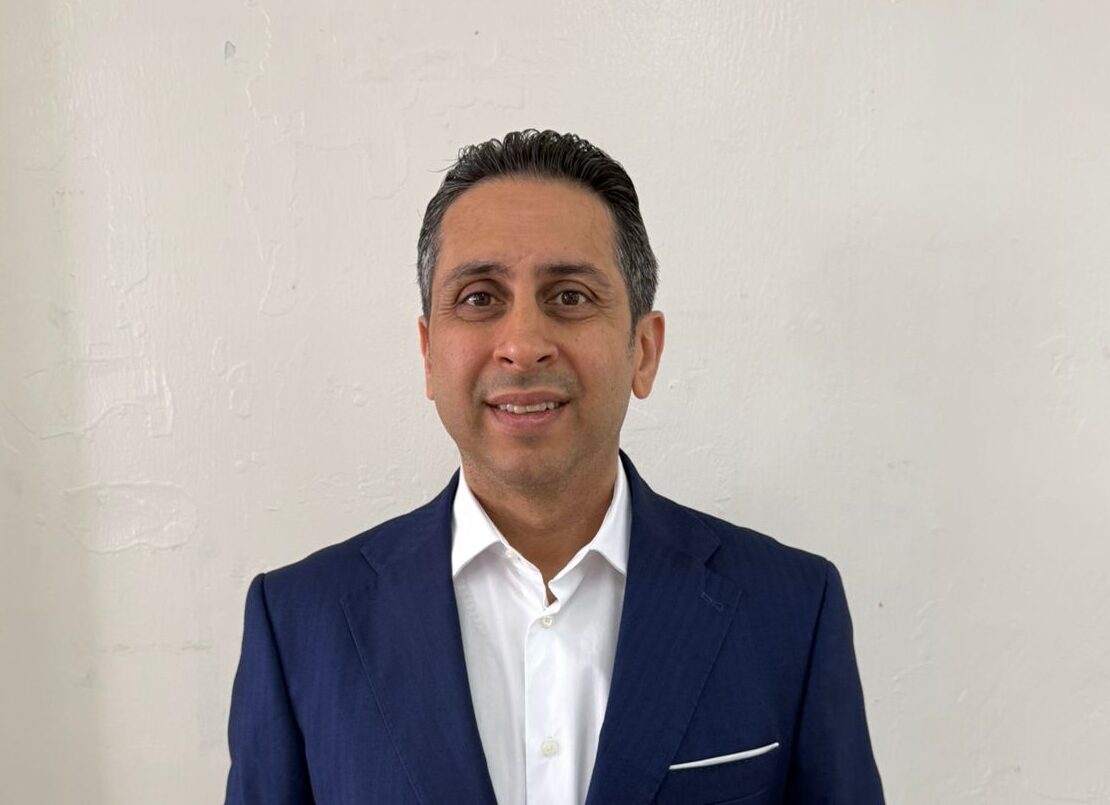
USA TODAY: Mr. Abbasi, thank you for joining us. To start, can you share a bit about your background and how you came to lead PPL?
Imran Abbasi: I did my early education in Pakistan, my father was in the military, so we moved a lot. I attended nine schools before completing my 12th grade. I began studying engineering in Pakistan, then went to the US where I completed a degree in mechanical engineering followed by a master’s in aerospace engineering. I also did research at NASA Langley Research Center in Virginia.
My career in oil and gas started with Schlumberger as a wireline logging engineer in the North Sea, covering Scotland, Norway, and the Netherlands. I then worked for Oxy Petroleum in Pakistan, Saudi Aramco on the Ghawar field — the largest oil field in the world — and later with Maersk Oil in Denmark and Qatar, where we developed the Al Shaheen field. I also held leadership roles with Santos in Australia and Indonesia, and worked in Nigeria’s Niger Delta swamps. After some consulting work, I returned to Pakistan for personal reasons, and that’s when the PPL opportunity came up.
USA TODAY: Let’s talk about PPL’s role in ensuring Pakistan’s energy security.
Abbasi: PPL is one of the largest E&P companies in Pakistan. Around 60% of our revenue comes from gas and 20% from liquids. We operate across nearly every province, including a field near Islamabad — Adhi gas condensate field. Our footprint in Balochistan and Sindh is significant, and we also hold about 40 exploration licenses.
We are actively drilling, for example, at Dodak in Sindh, which is challenging but promising for oil production. Most of our gas production still comes from Sindh and Balochistan.
USA TODAY: What are your top priorities for PPL’s strategic plan in the coming years?
Abbasi: Our five-year plan pivots towards liquids. Gas markets here are difficult due to infrastructure bottlenecks and circular debt. We aim to focus on oil and low-cost exploration in proven areas — even if the discoveries are smaller, they’re more feasible.
We are also cautiously pursuing frontier areas, but only with partners to spread the risk. I don’t believe in spending $20-30 million on high-risk wells alone. For example, in the Indus Block C offshore, where we hold the only active offshore license, we’ve brought in partners like Mari Petroleum.
USA TODAY: Offshore exploration has seen a lot of talk in Pakistan. What’s the real picture?
Abbasi: Frankly, there’s been more rhetoric than action. We are the only company holding an active offshore license. We’ve conducted 3D seismic surveys and plan another with Turkish partners by the end of the year.
If successful, we could discover multi-TCF gas reserves. My plan is to drill two leads back-to-back to save costs on rig mobilization. Our experience in Abu Dhabi has reinforced our offshore credentials — we completed four wells under ADNOC with non-productive time under 10% and zero safety incidents. That’s world-class.
USA TODAY: Let’s turn to international ventures. You mentioned Iraq, what progress has been made there?
Abbasi: When I joined PPL, we had a long-standing dispute with the Iraqi government over previous investments. We managed to settle it, and actually secured a payment rather than leaving empty-handed.
Our relationship improved so much that the Midland Oil Company in Iraq has offered us another block to evaluate. We also retain a block in Yemen, it’s prospective, but of course, the conflict has stalled any development.
Additionally, we’re pursuing opportunities in Libya through an MOU with Turkish Petroleum, with a licensing round expected by year-end.
USA TODAY: How important is mining to PPL’s diversification?
Abbasi: Very important. PPL has mined barite since 1974, initially for our own drilling needs. We’ve professionalized operations — better surveys, processing, and certifications — which improved yields and profits. Last year, barite operations generated over PKR 2 billion in after-tax profit, and this year we expect over PKR 3 billion.
Our lead-zinc project in Khuzdar is more significant. A German feasibility study confirmed its profitability. We even funded the Balochistan government’s 50% share to move the project forward. Production is targeted for 2028.
We’re also progressing on an iron ore project nearby, with over 50% of drilling completed. We’ll have a JORC-certified resource estimate soon.
USA TODAY: How do you view financial discipline within PPL?
Abbasi: Financial health is a priority. We’re debt-free — which is rare in this industry. Our 2024 profits hit a record PKR 27 billion. This year, profits may moderate, but that’s due to domestic market challenges rather than global factors.
We operate prudently, whether it’s choosing to relinquish dormant mining leases or carefully managing our exploration investments.
USA TODAY: You’ve raised concerns about the lack of American companies in Pakistan’s energy sector. Can you elaborate?
Abbasi: Absolutely. There isn’t a single American E&P or mining company operating here today — that’s a gap. When I was with Oxy in the 90s, there was a strong American presence. They brought not just capital but expertise, safety standards, and technology transfer.
Today, Chinese service companies dominate. They’re improving, but many advanced technologies still come from the West. For example, in shale gas, Schlumberger pulled their last frack unit out of Pakistan, and Halliburton isn’t here. Without that infrastructure, even if we find a major shale play, we can’t develop it economically.
We need American companies — both operators and service providers — to come back. The expertise, the frack fleets, the scalability, that’s what can help unlock unconventional resources here.
USA TODAY: Given the global energy transition, how is PPL preparing for the future?
Abbasi: We’re focused on building a balanced portfolio, maximizing domestic oil and gas, expanding internationally, and diversifying through mining. At the same time, we’re mindful of sustainability and profitability.
Pakistan still needs hydrocarbons for its energy needs, but we’re developing new competencies in mining and exploring international partnerships. The idea is to future-proof the company while continuing to serve national interests.
USA TODAY: What’s your message to international investors and partners, particularly in the US?
Abbasi: My message is simple: Pakistan is open for business. There are challenges, sure, but the potential is real, especially in energy and mining.
We welcome American companies back. Whether it’s exploration, services, or mining, there’s a space here for Western expertise and investment. We’ve built the foundation; now we need the right partners to grow further.