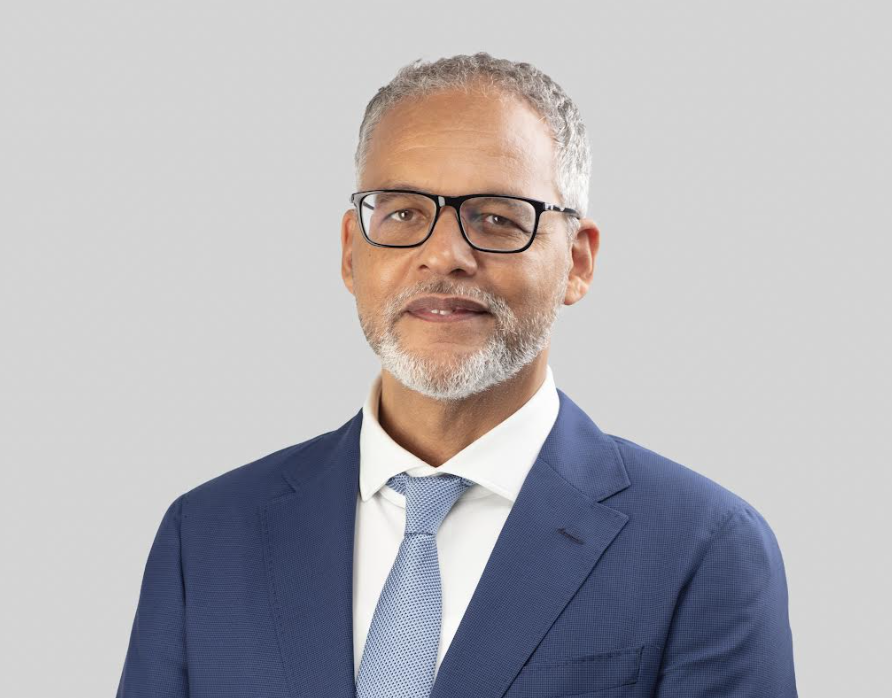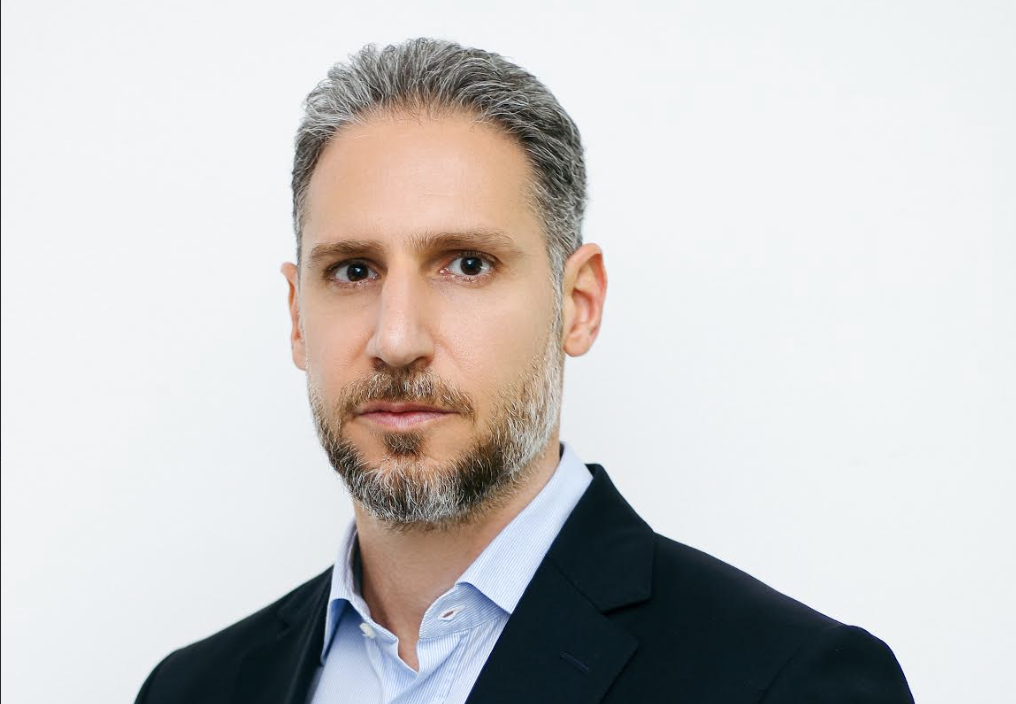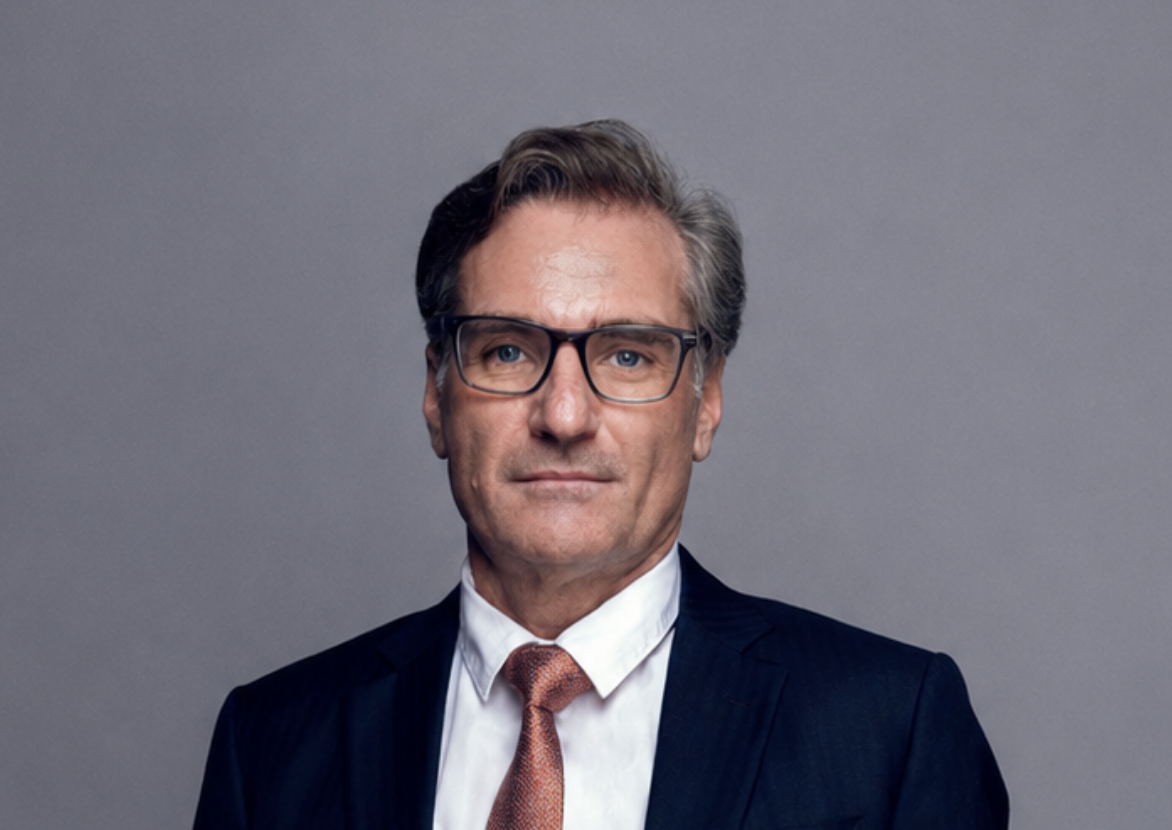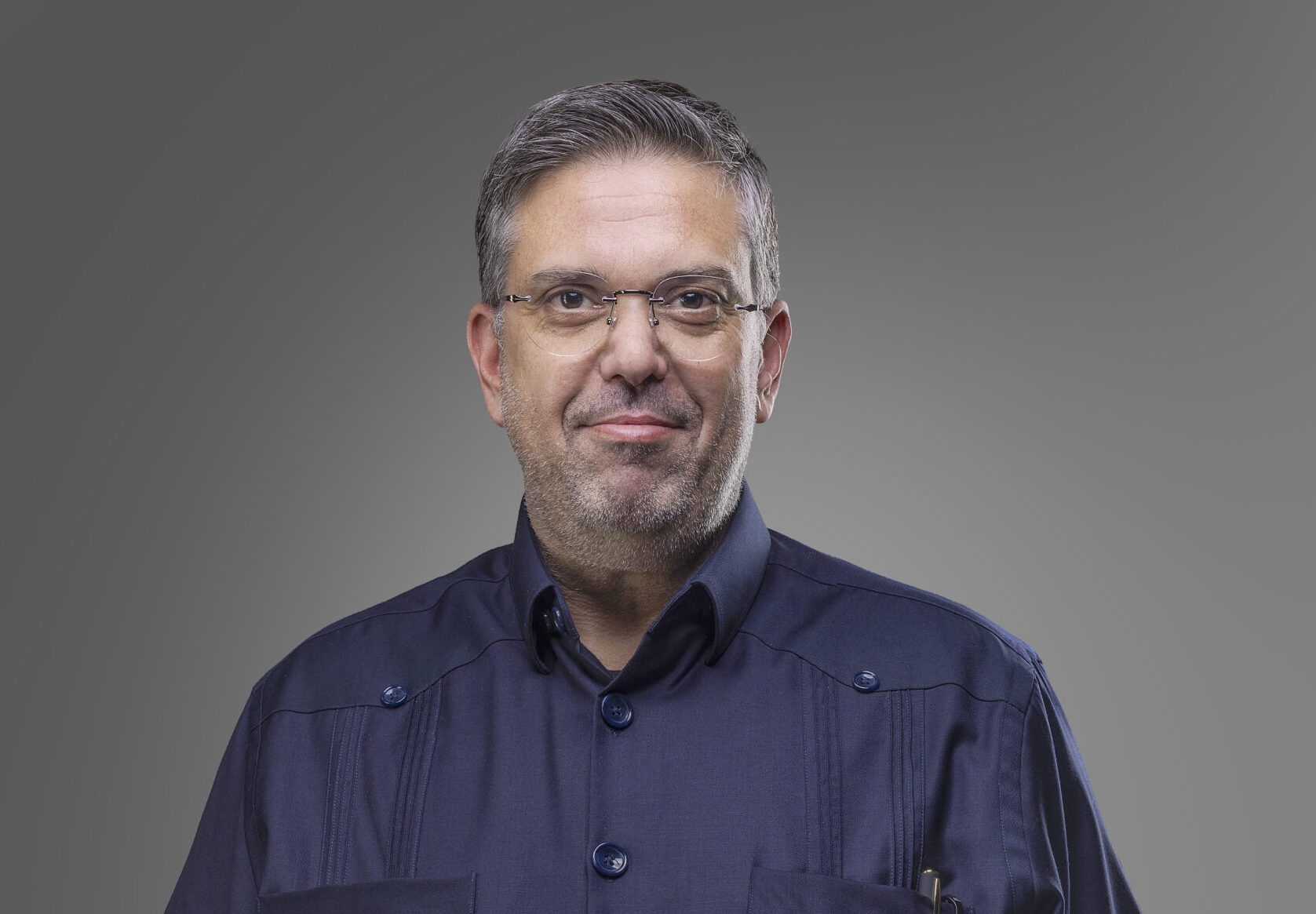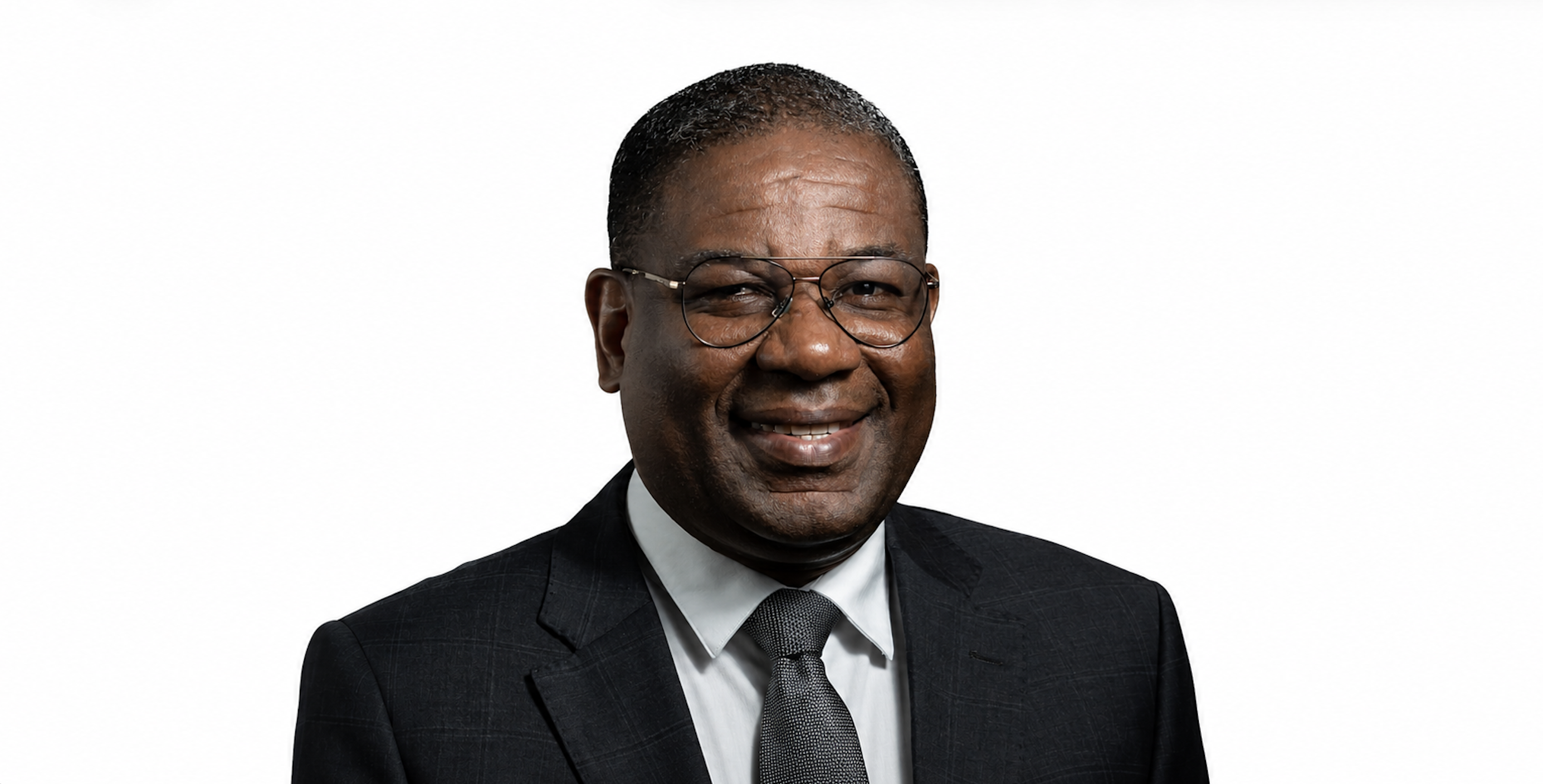
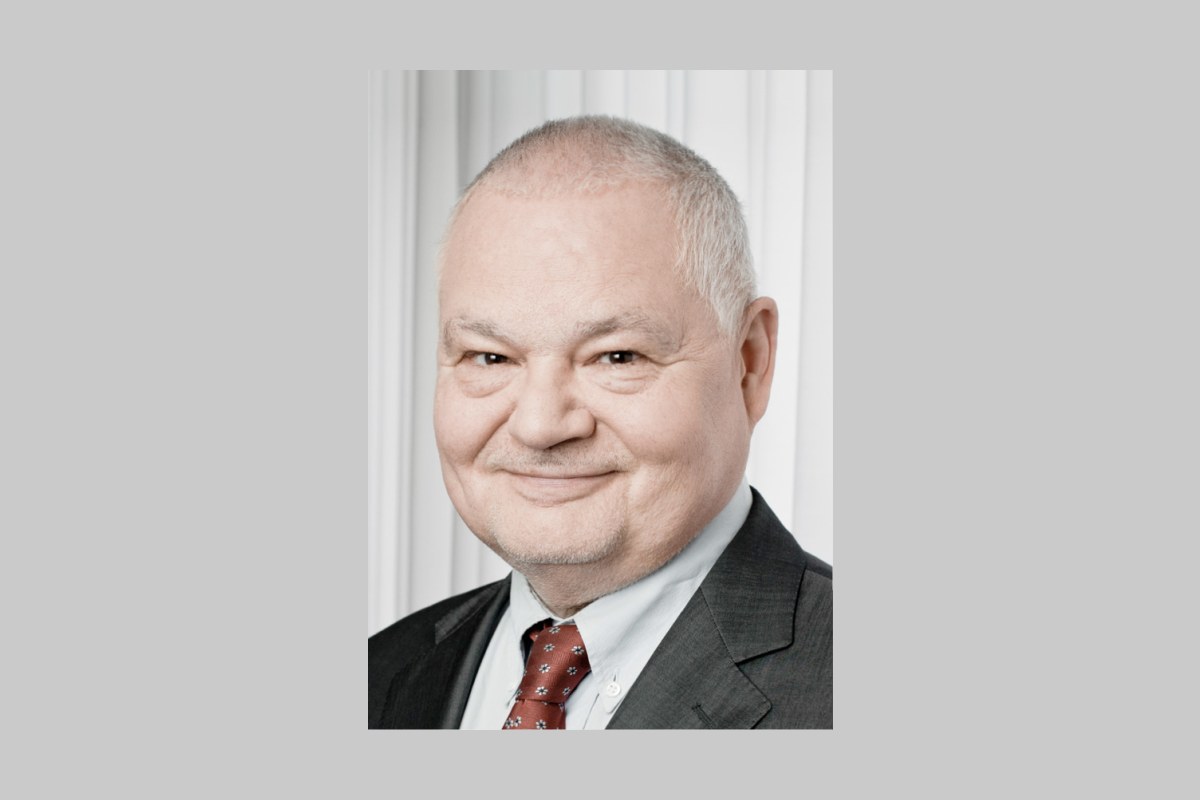
Warsaw. Few central bankers in Europe stir as much passion — for and against — as Adam Glapinski. An economics professor, President of the National Bank of Poland (Narodowy Bank Polski, NBP) since 2016 and reappointed in 2022, Glapinski has made the defence of the zloty and the accumulation of gold the hallmarks of his tenure. We met him at the central bank’s headquarters in the heart of Warsaw to talk about inflation defeated, the future path of interest rates, and a gold strategy that is placing Poland among the world’s leading holders of the precious metal.
Q: Let’s start with what worries citizens most. Has the battle against inflation been won?
Yes, and I say so on the basis of data, not optimism. Inflation has returned, durably, to our 2.5% target, within the tolerance band of one percentage point either way. Our own projections indicate it will stay within that range throughout 2026. It was a hard road; it required unpopular decisions. But the result is there: we have given Poles back price stability.
Q: Many critics accused you of raising and cutting rates too late. What is your answer?
A central bank does not manage headlines; it manages a cycle. We cut rates by 1.75 points over the course of 2025 — five consecutive cuts — bringing the reference rate down to 4.00%. We did it when the data, not political pressure, told us the time had come. Anyone who looks at a single isolated decision does not understand how monetary policy works.
Q: In June 2026 the Monetary Policy Council left rates unchanged. Are the cuts over?
We are in a phase of observation — of “wait and see”. We have cut aggressively, and now we need to see how those decisions feed through to the real economy: to credit, to consumption, to investment. Monetary policy acts with a lag. Rushing now would throw away two years of work.
Q: Where do you see the “natural” level of rates for the Polish economy?
In my assessment, the target rate stands at around 3.50%, which corresponds to a real interest rate of roughly 1.0% to 1.5%. That is a level that allows the economy to grow without reigniting price pressures. But the pace of getting there will be set by the data, not by a political calendar.
Q: Your name is now bound up with gold. Poland already holds close to 580 tonnes. Why this focus on the metal?
It is not a fixation, it is a strategy of financial sovereignty. Gold is not the liability of any government or of any foreign central bank. In a world of geopolitical tension, sanctions and trade wars, it is the safest reserve asset there is. In January 2026 the bank’s board formally adopted the goal of raising our reserves to 700 tonnes. When we reach it, Poland will join the group of ten countries with the largest gold reserves on the planet, alongside the United States, Germany, Italy, France, China and India.
Q: How far do you want to go? There has been talk of gold reaching 30% of reserves.
That is the horizon we consider prudent: for gold to represent around 30% of our reserve assets. Today we hold more gold than the European Central Bank itself, and we have no intention of slowing down. Every market correction is, for us, a buying opportunity. We take advantage of price falls to keep accumulating.
Q: Your tenure has been marked by clashes with the government. Is the independence of the central bank under threat?
The independence of the central bank is not a privilege of the governor; it is a guarantee for the citizen. It is what prevents everyone’s money from being used to finance electoral promises. As long as I lead this institution, the NBP will take its decisions looking at the data and at price stability — not at any party’s calendar. That is my legal duty and my personal conviction.
Q: And the euro? Does it make sense for Poland to give up the zloty?
The zloty is a pillar of our economic sovereignty and a tool that has allowed us to absorb shocks that other countries could not cushion. Having our own currency and our own monetary policy has been an advantage, not a burden. Adopting the euro is, above all, a long-term decision that should only be taken when it is unequivocally beneficial for Poles. Today, frankly, I do not see that urgency.
Q: Finally. When your time at the helm of the NBP is written about years from now, what would you like it to say?
That we brought inflation back to target without breaking the economy. That we shielded the country’s reserves with gold for future generations. And that we defended the independence of this house even when it was uncomfortable to do so. If I achieve that, I will have done my job.
Interview produced by the One World Media newsroom. Economic figures verified as of July 2026, based on communications from the National Bank of Poland and its Monetary Policy Council.
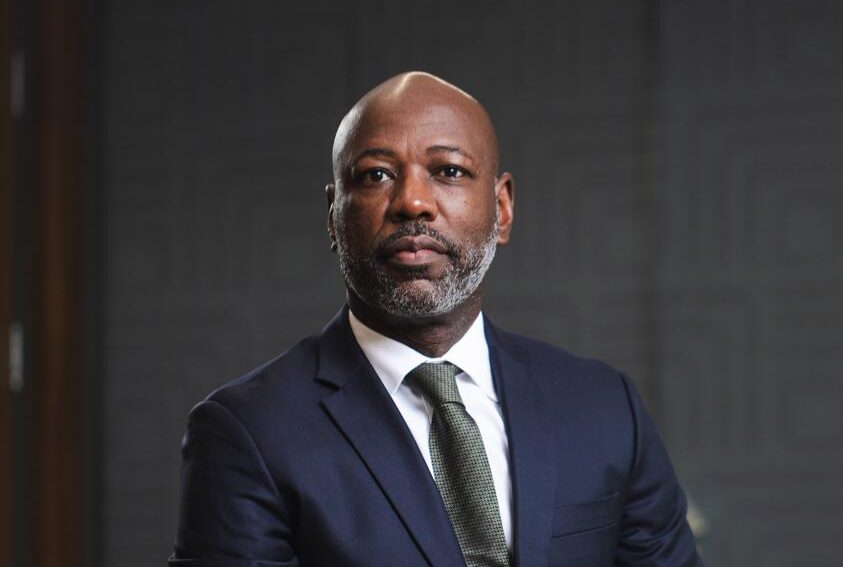
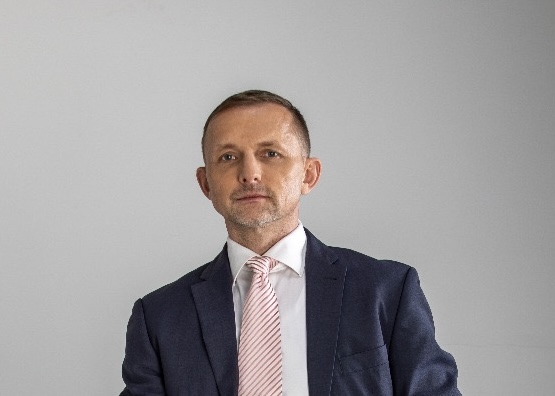
Photo: Adam Glapinski, President of the National Bank of Poland. Credit: Narodowy Bank Polski, licensed under CC BY-SA 2.0, via Wikimedia Commons.