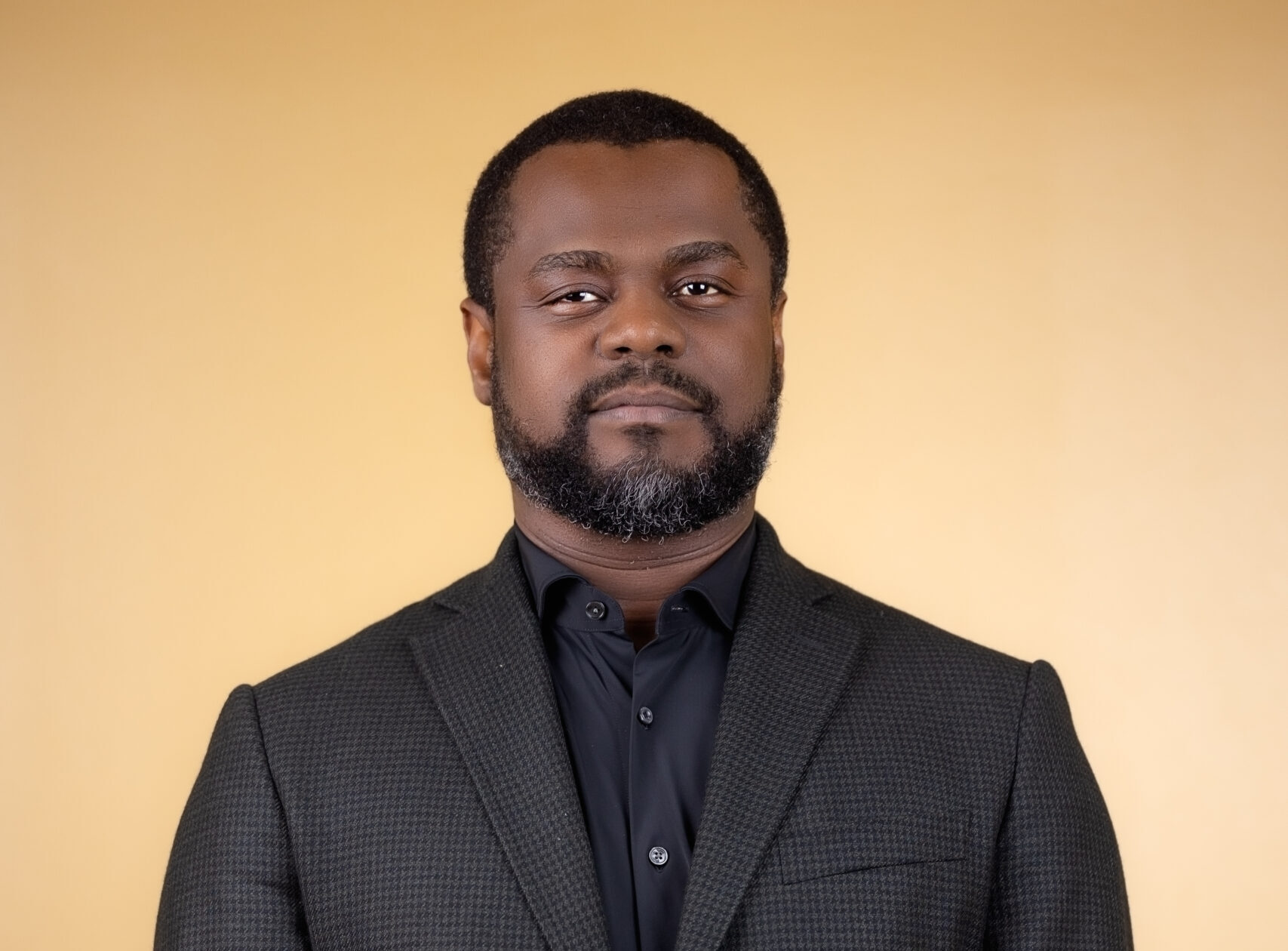

CHAIRMAN – VITALI ALIMENTOS
Guatemala is gaining recognition as a key player in the food industry. In this interview, a leading industry figure shares insights into the nation’s commitment to sustainability, social impact, and investment opportunities. Discover why the country is becoming a prime spot for investors in this thriving sector.
We would like you to share how Vitali Alimentos has evolved over its 60-year history. What have been the most significant milestones that have driven its growth and transformation over time?
At Vitali, we take pride in being producers of accessible food, especially animal protein, in countries such as Guatemala and El Salvador, which are part of Latin America. These nations are among the most in need in terms of food security in the region. In fact, Guatemala is one of the Latin American countries with the highest levels of child malnutrition, where nearly four out of ten children experience some degree of malnutrition.
Child malnutrition is one of the main obstacles to a country’s development. As you may know, if a child does not receive the right amount of protein during the first 24 months of life—including the nine months of gestation—their brain will be underdeveloped irreversibly, limiting their learning capacity. When 40% of the population is in this condition, any investment in education is compromised, as these individuals will not be able to reach their full potential as well-nourished individuals.
Therefore, as producers of animal protein in a country with such high malnutrition rates, we are firmly committed to creating a healthier future and being part of the solution to this serious problem. Our work, which focuses on providing affordable proteins, including chicken, pork, sausages, and prepared dishes, not only motivates us but also represents more than 60 years of experience in this important sector.
In Guatemala, Pio Lindo is the second most recognized brand in the poultry sector, while Sello de Oro stands out in El Salvador. We also offer products in the sausage category, such as La Blanca, and in balanced animal feed through Areca. We provide balanced feed to numerous protein producers, including pig, chicken, hen, tilapia, and shrimp farmers. Thus, our presence in the field of nutrition is significant and fundamental to our mission.
Four years ago, we acquired Vitali Alimentos as a private equity fund, and since then, we have implemented a deep transformation process while respecting the founders’ legacy. These are family businesses that have been managed for a long time, such as Mr. Trabanino in El Salvador and Mr. Moreira in Guatemala. We have preserved that family legacy while introducing transformations and technologies that optimize existing processes, allowing us to grow the business and strengthen our brands to reach more consumers.
In the last four years, we have achieved significant milestones, such as geographical expansion. Originally, our operations were focused on Guatemala and El Salvador, but today we have a significant presence in Honduras and Costa Rica, in addition to entering the Dominican Republic market, which we consider strategic. We have also expanded our categories: while we were previously very focused on poultry, we have now grown in the pork sector, in sausages, and in pet food. This allows us to offer more food solutions to a broader range of customers and consumers.
Another key aspect of our strategy has been innovation and the expansion of our product portfolio. We have placed a strong emphasis on developing more affordable, convenient, and practical products for households, regardless of our consumers’ socioeconomic level. This approach has been well-received in the market; in fact, last year, the Pio Lindo brand was recognized as the most innovative in the industrial sector in Guatemala, thanks to our commitment to placing the consumer at the center of our strategy and constantly seeking ways to add value.
Finally, we have made significant investments, especially in Guatemala and El Salvador. In the past four years, we have invested over $100 million in capital expenditures (CapEx). Last year, we inaugurated the most modern poultry processing plant in Central America and the Caribbean, called La Ceiba, in Guatemala, with an investment of several tens of millions of dollars. This facility represents a long-term commitment to the growth of the animal protein production industry in the country. These are, in summary, the most important milestones we have achieved in the past four years.
During the transition we have been discussing, we mentioned several brands, such as Piolindo, Areca, Sello de Oro, and Criaves, including the last two in El Salvador. What have been the main challenges you have faced in this four-year process?
In the region, we face a significant challenge: providing a product that is affordable enough for consumers. Affordability is a challenge, especially for the more modest sectors of the population who need affordable proteins and a value proposition that is meaningful to them. In this context, brands play a crucial role. For us, it is essential to understand the consumer and develop solutions that improve their quality of life. Additionally, the way the brand communicates with the consumer is key to building trust and ensuring they feel comfortable trying our products.
The consumer who spends $1 or $2 on our products does so with the expectation that these are limited resources, so they need to be sure their investment translates into quality and value. Therefore, one of our main challenges has been addressing affordability through innovation, creating new products, packaging sizes, presentations, and formulations that provide real value to the consumer. It’s not just about reducing costs but offering more value for their money.
Another challenge we’ve faced in the past two years has been operating in an environment of high raw material costs. Producing animal protein involves converting plant protein, such as corn and soybeans, into animal protein. However, with the historic rise in commodity prices in 2022 and 2023, it has become more challenging to offer affordable solutions to consumers. This has led us to be more efficient, reviewing processes, and investing in technology and talent to optimize our operations. These improvements have been essential to maintaining our competitiveness.
In the realm of social responsibility, we know that last year you donated approximately 850,000 food rations. What other initiatives are you currently undertaking in this area?
From a social responsibility perspective, we focus on three main areas.
The first is environmental sustainability. We are strong advocates of the circular economy, and one of our greatest achievements is recycling nearly 100% of the chicken manure we produce in Guatemala. These poultry waste materials, rich in ammonium, are collected and transported to our organic fertilizer plant. There, what would typically be considered waste is transformed into organic fertilizer under our Ferticonsa brand, which is a leader in Guatemala’s agricultural sector. This process reflects a circular economy model, converting waste into organic fertilizers that enrich the soil.
We are also investing in solar energy at our facilities to reduce the consumption of grid electricity. Additionally, given that the protein industry can be polluting due to waste generation, we have implemented innovative Dutch technology at our new plant in Guatemala. This technology uses enzymes instead of chemicals to treat wastewater, making it much more environmentally friendly. We believe these investments are crucial for the industry’s sustainable future.
Our second area of focus is job creation, particularly for women. In our processing plants, especially those handling chicken, approximately 60% of the workforce consists of women. We are significant employers in the communities where we operate, and we recognize that women often excel in certain poultry production processes due to their skills and dexterity. In a country like Guatemala, where male migration is increasingly common, providing employment to women who are the breadwinners of their families is a priority for us.
The third area of our social commitment focuses on community impact through educational and nutritional initiatives. We believe that nutrition and education are key to a country’s development. While investing in education is vital, it is equally crucial to ensure proper nutrition since childhood malnutrition can negate the benefits of education. Therefore, we support nutrition programs in communities near our operations and donate food rations.
Regarding education, we have a foundation called Fundamor, previously known as Fundación Moreira. Through this initiative, we support education, especially in regions where we have a presence. Our strategy is to first support our employees, then the communities where they live, and finally the broader community. We offer scholarships to our employees’ children, granting around 250 scholarships annually in Guatemala and slightly fewer in El Salvador, covering secondary education and around 10 to 15 higher education scholarships.
We also collaborate with other companies to improve schools in the areas where we operate, donating computers, infrastructure, and educational resources. Recently, we have begun incorporating sports activities into our initiatives, such as the Vitali Academy in El Salvador—a soccer academy initially created for the children of our employees but now also benefiting local children. We use the soccer fields at our plants in the afternoons and have provided coaches, equipment, and uniforms to support this project. We plan to replicate this initiative in Guatemala with the establishment of Vitalicamp at our new plant, creating a space for future soccer academies.
What message would you give to an investor looking to bet on the country in terms of opportunities and challenges?
The region offers abundant opportunities. We are optimistic about the future of Central America and the Caribbean, and we believe these areas are poised for significant growth over the next 20 years. Why do we think this? Firstly, because the data shows it. In the past decade, personal disposable income in Central America and the Caribbean has grown by 72% in nominal terms, making it the region with the highest increase in disposable income in all of Latin America. This has led to increased social mobility, something that was nearly nonexistent ten years ago.
Social mobility is driven by three main factors. The first is demographics. Central America and the Caribbean have the youngest population in Latin America, and the workforce is expected to peak in 2050. In contrast, many countries in the region, and even Europe, have already surpassed their population peak and are in decline. This gives us 25 years of population growth.
The second factor is remittances. In countries like Guatemala, El Salvador, Honduras, and the Dominican Republic, remittances represent a significant percentage of GDP, exceeding 20% in some cases. This flow of money is vital for local economies and will continue to grow as the United States needs Latin American labor to sustain its growth. Unlike other industries, remittance money translates almost directly into consumption. For example, an additional million dollars in remittances is allocated 95% to local consumption, which stimulates economies.
The third factor is nearshoring. While some argue that Mexico will be the primary beneficiary of this trend, statistics indicate that for every three dollars going to Mexico, one will come to Central America and the Caribbean. This represents a significant opportunity for our economy.
Within the region, we believe three countries are best positioned to capitalize on these opportunities: the Dominican Republic, Guatemala, and Costa Rica. There is ample room for internal consumption and exports, and these markets will continue to grow.
However, we also face challenges. One of the biggest is infrastructure. During a recent dinner with other business leaders, we discussed how infrastructure represents both a major challenge and a great opportunity. Guatemala has one of the most stable currencies in Latin America, partly due to relatively sound fiscal management. Our debt levels as a percentage of GDP are low, suggesting that the country could sustain a debt plan, along with multilateral support, to improve infrastructure.
Moreover, Guatemala’s private sector is committed to the country’s growth. Unlike other Latin American countries where businesses often have an extractive mindset, Guatemalan entrepreneurs tend to reinvest in the country. This opens the door to a robust infrastructure program.
However, current conditions at ports, airports, and roads are challenging and costly. For instance, delays in loading and unloading at ports, along with road issues and rising energy costs, directly impact our sales prices. Infrastructure can be both a challenge and an opportunity.
Another challenge is cultural: we need to foster self-confidence among Guatemalans, encouraging them to believe they can become an export powerhouse. Leveraging our geographic positioning and exploring new possibilities are essential steps.
Finally, the third challenge is improving labor productivity, a problem that affects all of Latin America. While Guatemalans are hardworking and dedicated, the lack of skilled labor is a limitation. Investing in education and training is crucial for us to compete globally.
Despite these challenges, Guatemala is a country where foreign investment is welcomed, and doing business as a foreigner is not as complicated as in other countries in the region. Thus, there are reasons to be optimistic and to look to the future with a positive outlook.
Lastly, before concluding, what is your vision for the food industry over the next five years? How do you anticipate this sector evolving?
Globally, it’s essential to focus on Latin America. As the world’s population grows, so will the demand for food. Currently, we are 8 billion people, and projections indicate that by 2030, we will reach 9 billion. Latin America is positioned as the main source of food for the world, being the continent that will feed the rest of the planet, including the United States, thanks to its access to natural resources like sunlight, land, and water.
In Latin America’s food industry, I believe that in the next five years, we must focus on sustainable and efficient growth. Sustainability is crucial, but it’s not just about preserving resources and the environment. It also involves improving our efficiency and productivity to produce more with the same resources. We need to generate more food more efficiently, reducing the waste that currently occurs both in production processes and consumption.
Thus, sustainability and productivity must go hand in hand in the coming years. Cost awareness is equally important, as we must ensure that our products remain affordable. People will continue to have needs and limited resources.
In addition, innovation plays a vital role in how we feed people. Although alternative foods and non-animal proteins will eventually be introduced, it is likely that 95% of meals will still consist of natural products made traditionally. However, we can innovate to make these products more convenient, cost-effective, and nutritious for consumers.
In summary, the food industry in Latin America is in a privileged position. I always say that those in the food industry in the region are in the right place, at the right time, and in the right industry.
Finally, what message would you like to convey to the readers of the Los Angeles Times?
My invitation is to explore Guatemala as an investment destination. This beautiful country, with its noble and welcoming people, has undergone a significant transformation over the past 30 years. Let’s remember that three decades ago, we ended the longest civil war in Central America, a conflict that profoundly marked the nation. However, in these years, Guatemala has achieved very positive progress.
Today, it’s a country that warmly welcomes talent, cultures, and foreign investment. I firmly believe that, despite its size, Guatemala has the potential to become a powerhouse in Latin America in the coming years. Investment is crucial to achieving this goal.
That is the message I want to convey. I am committed to supporting this initiative because promoting Guatemala is a task that requires all of us to come together. Together, we can accomplish great things for our country.