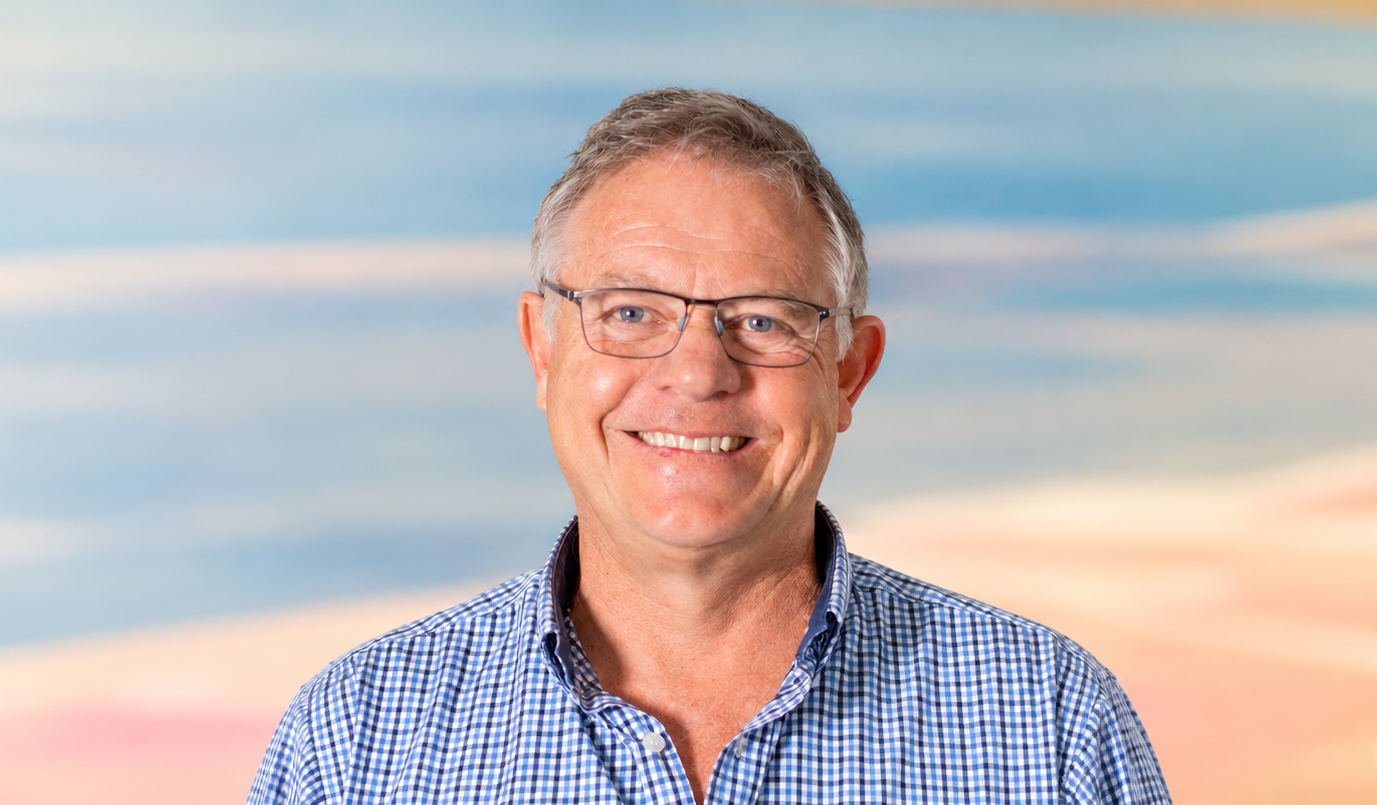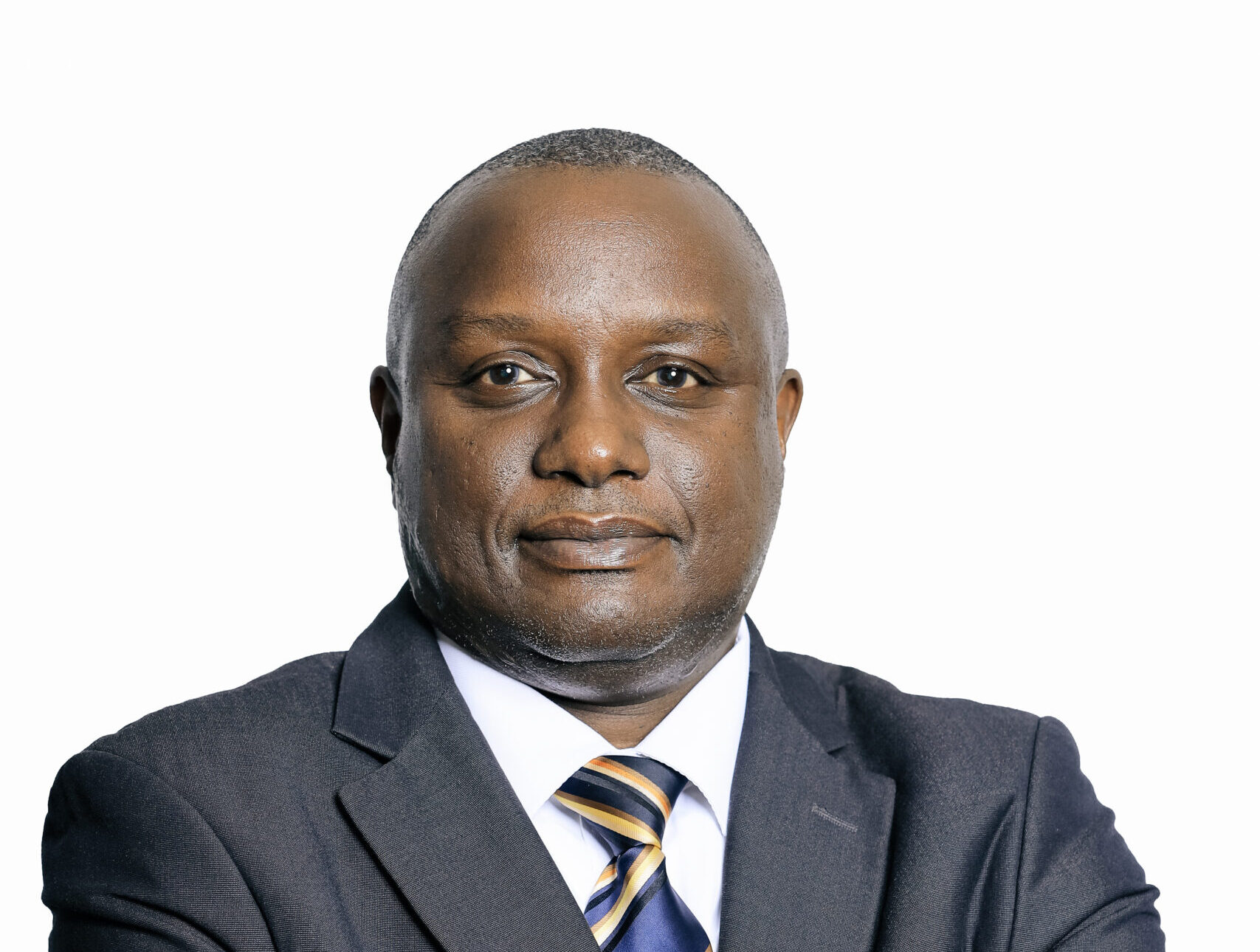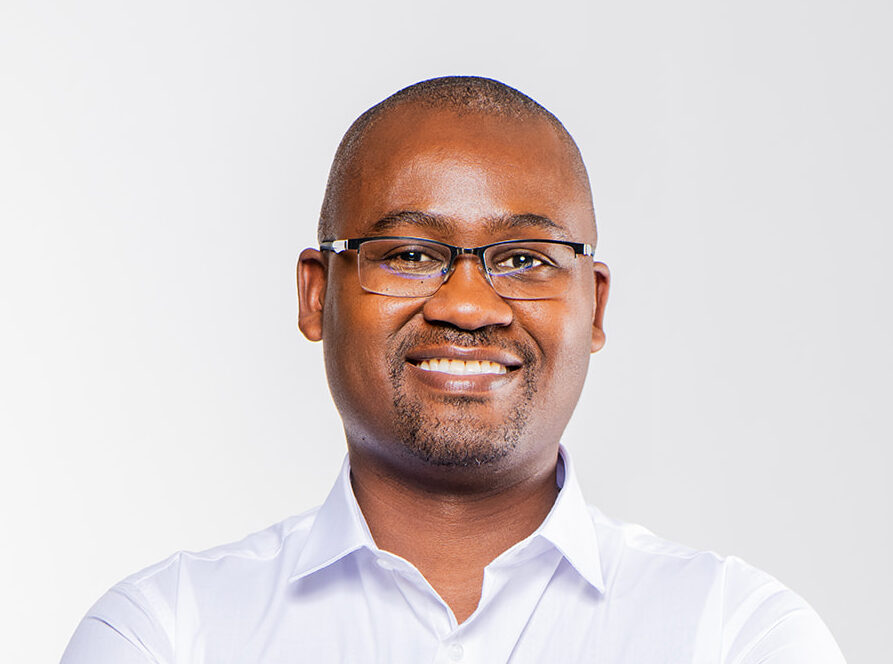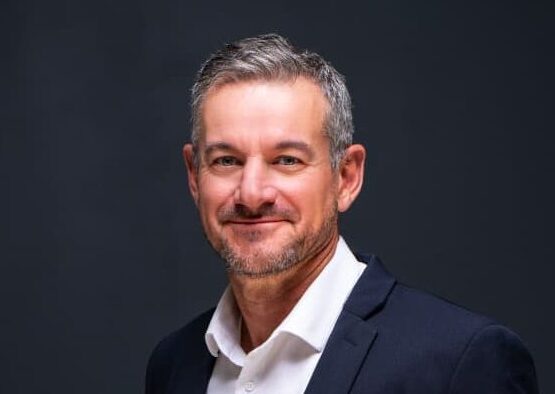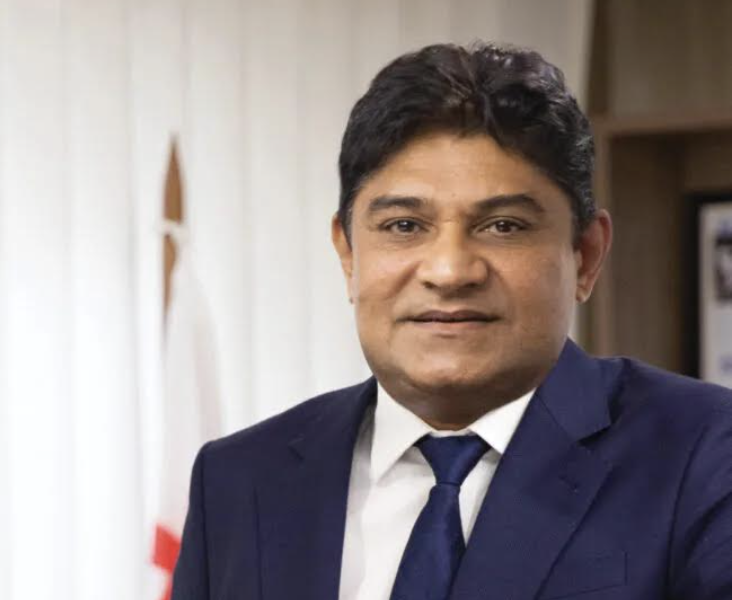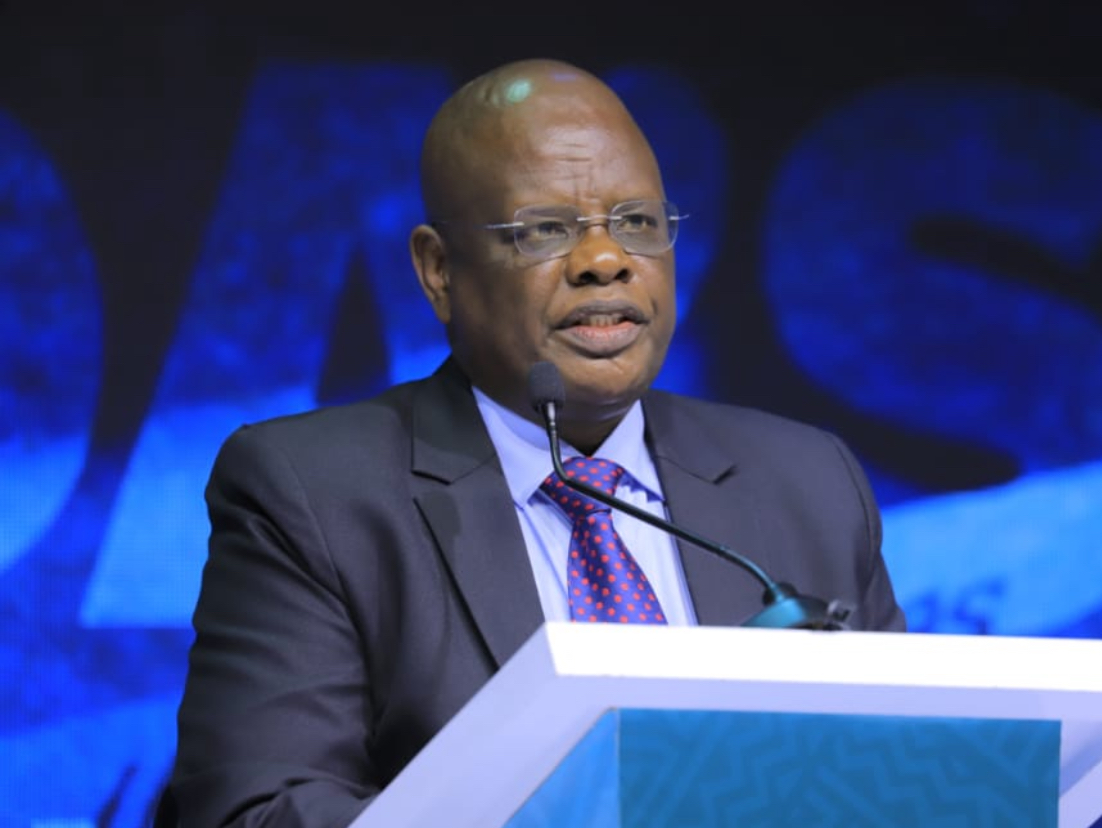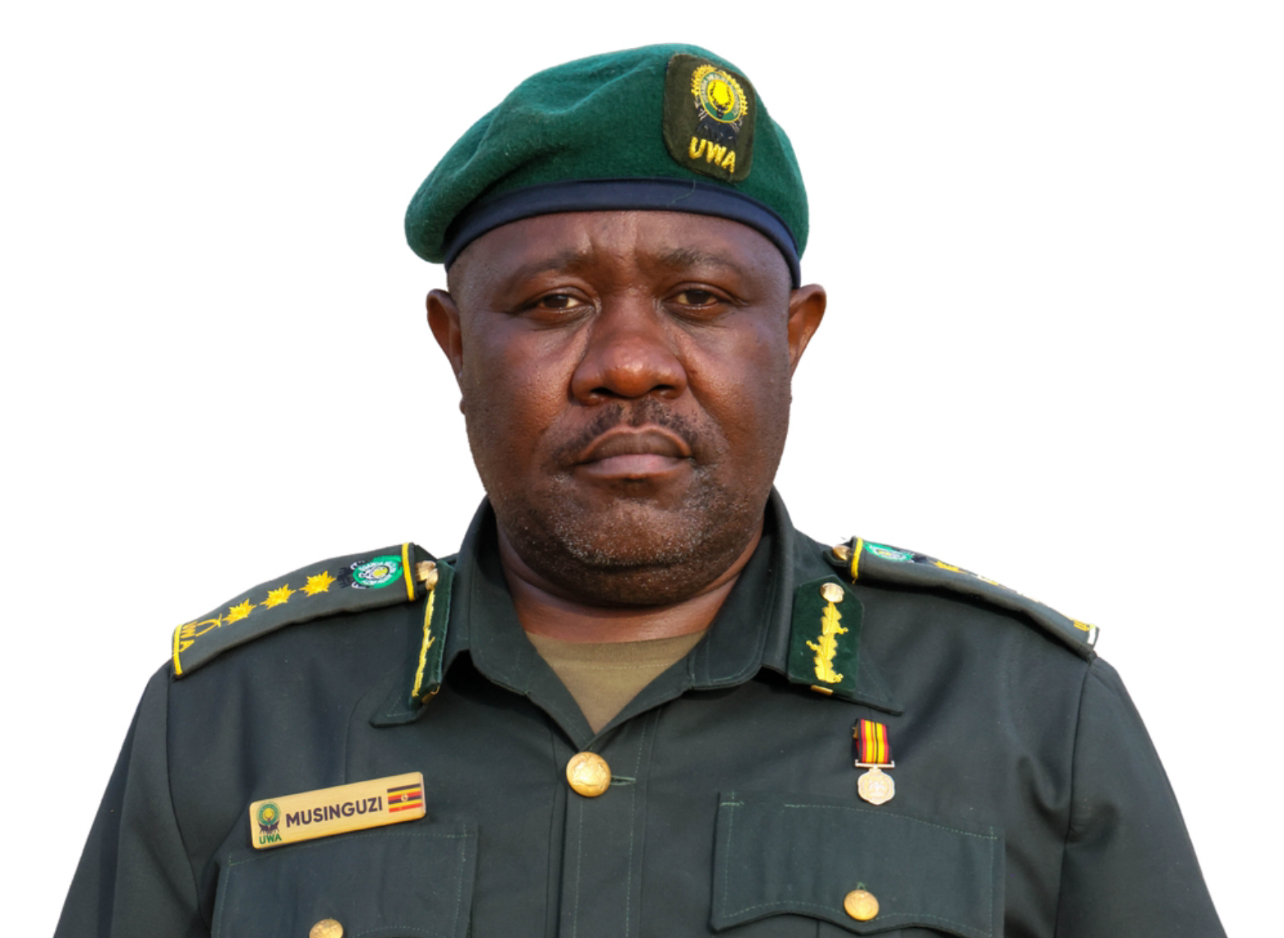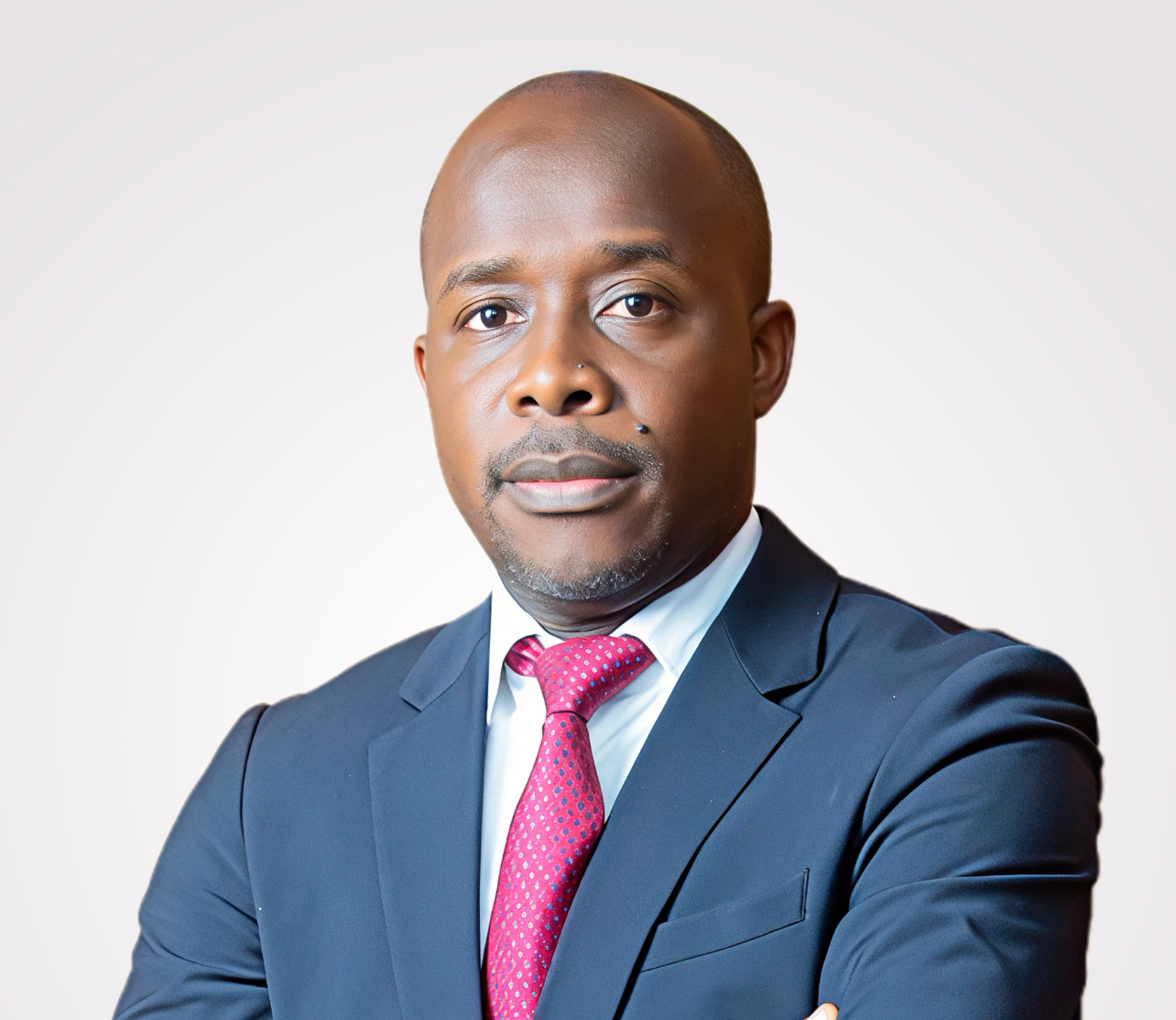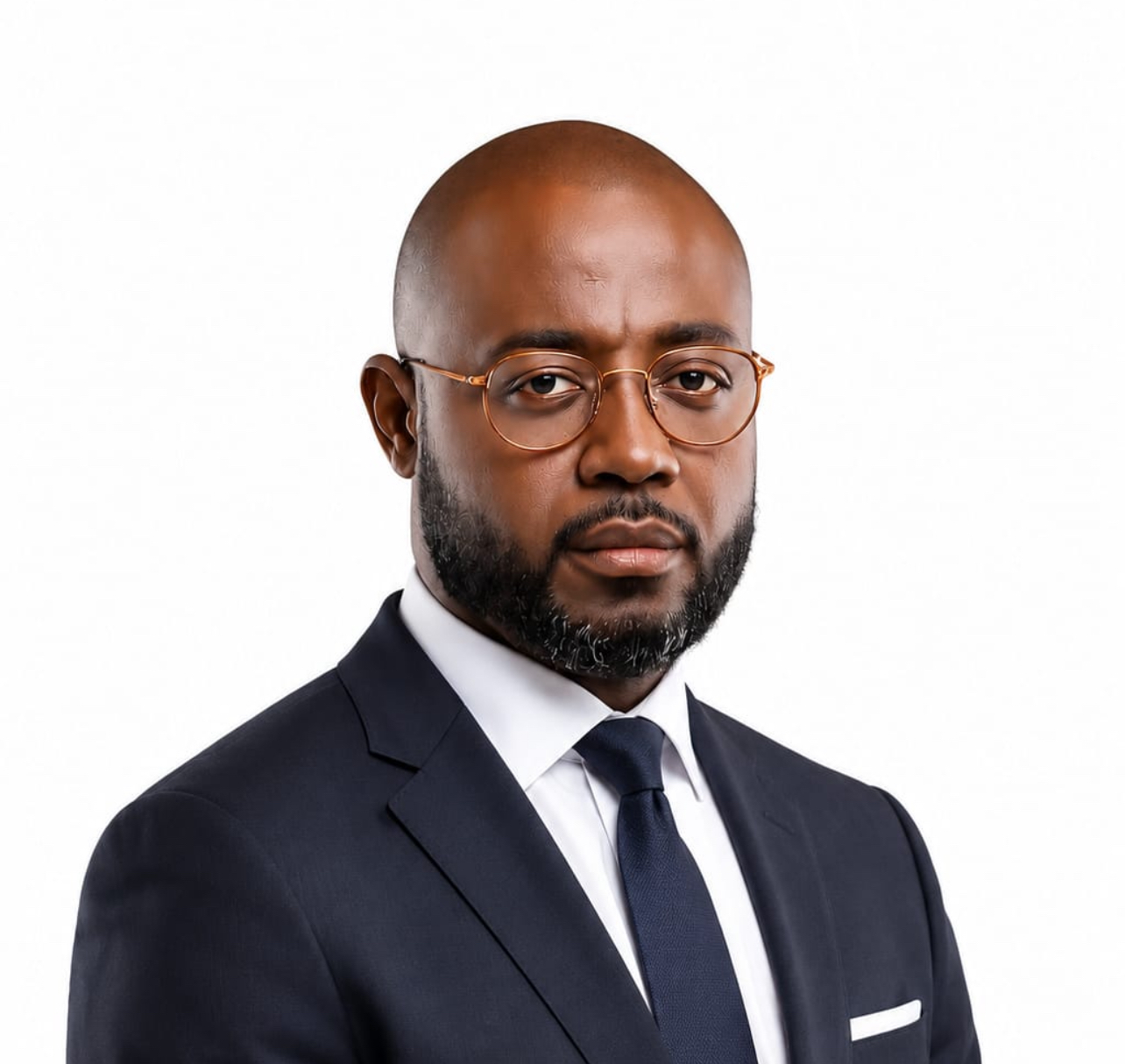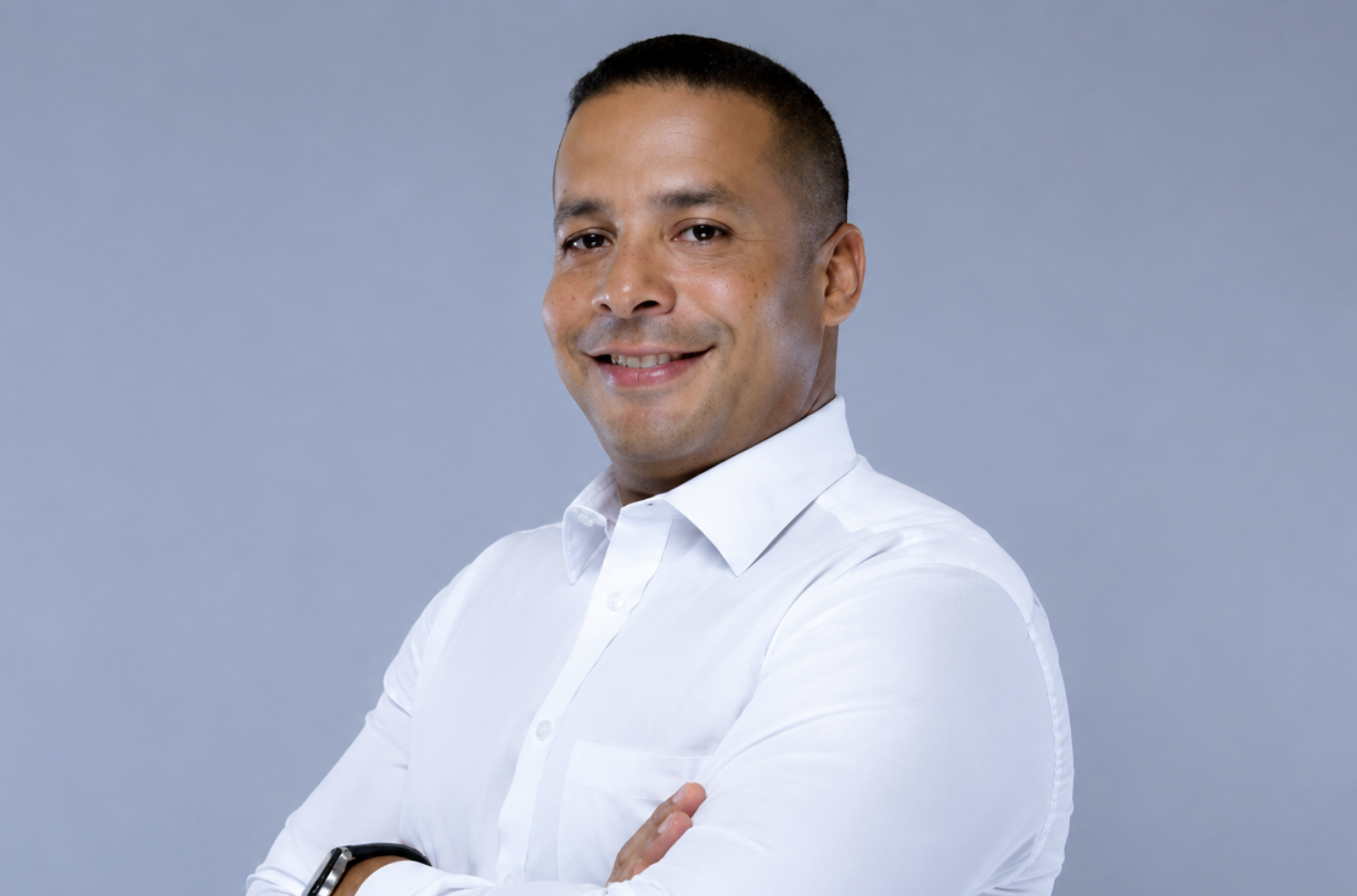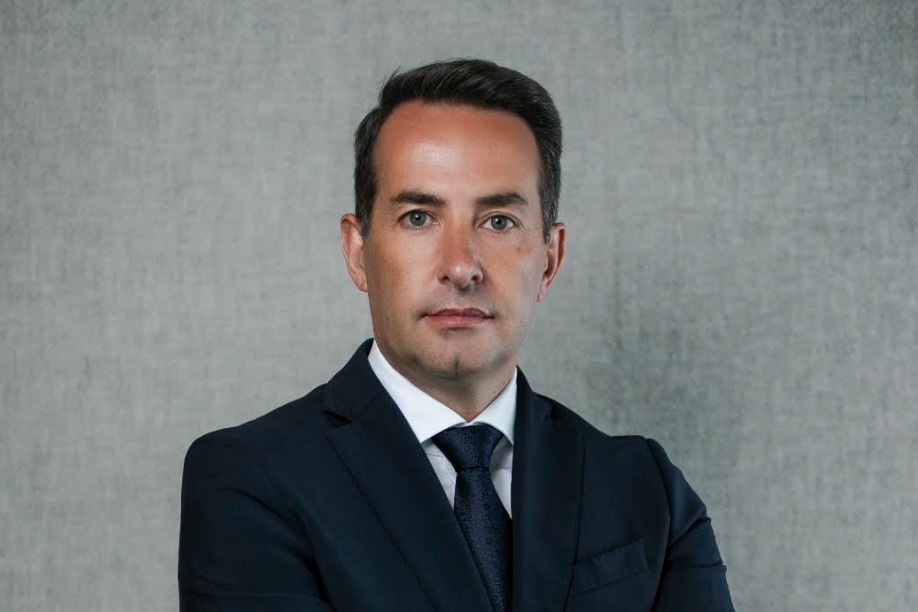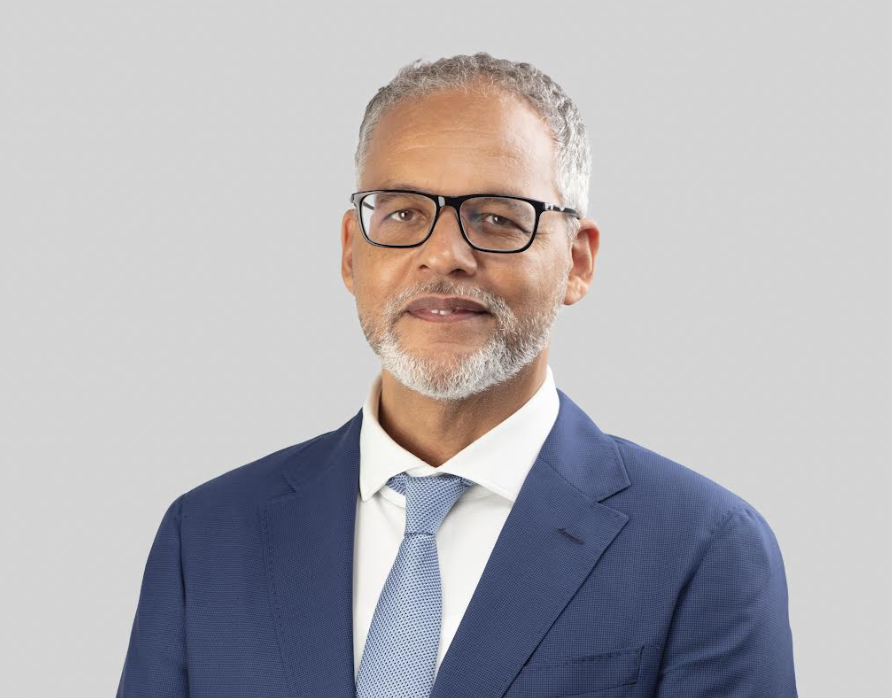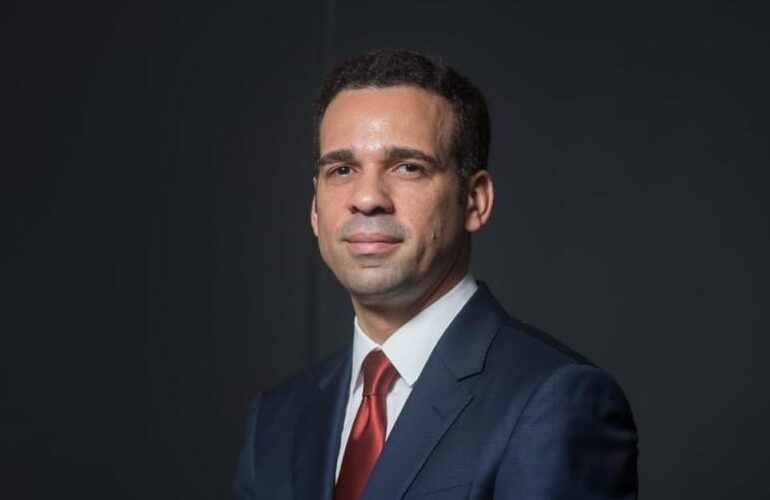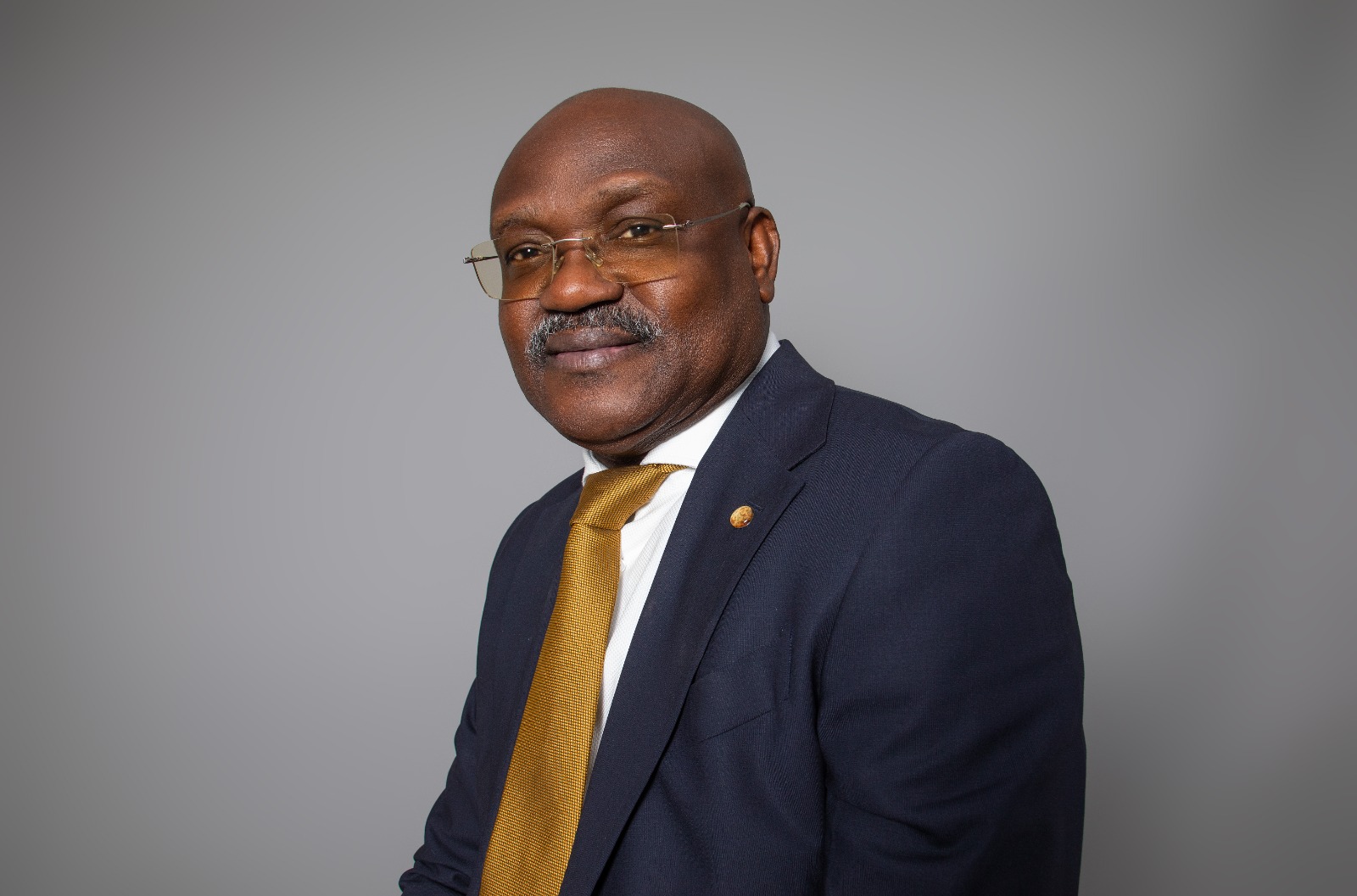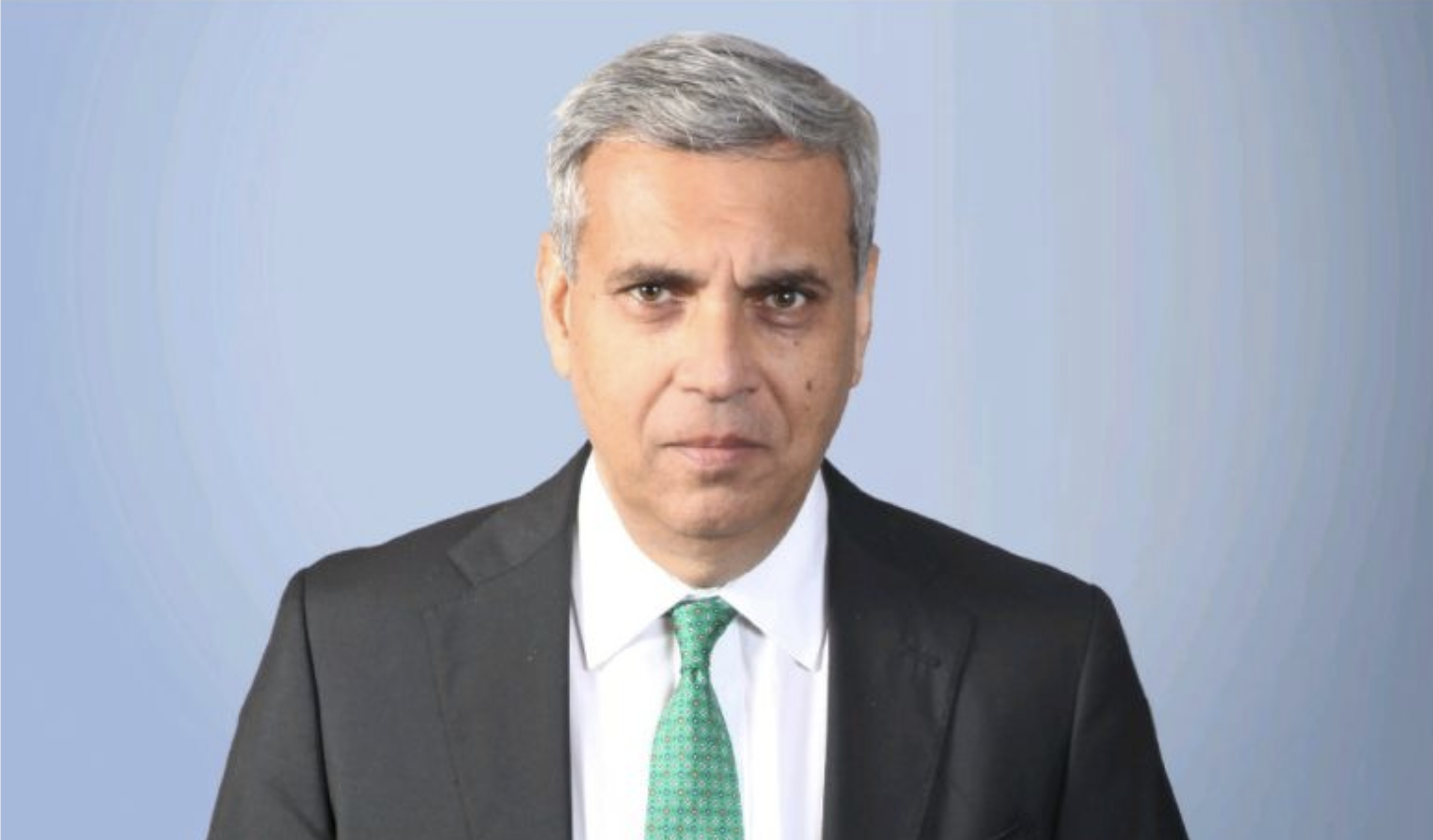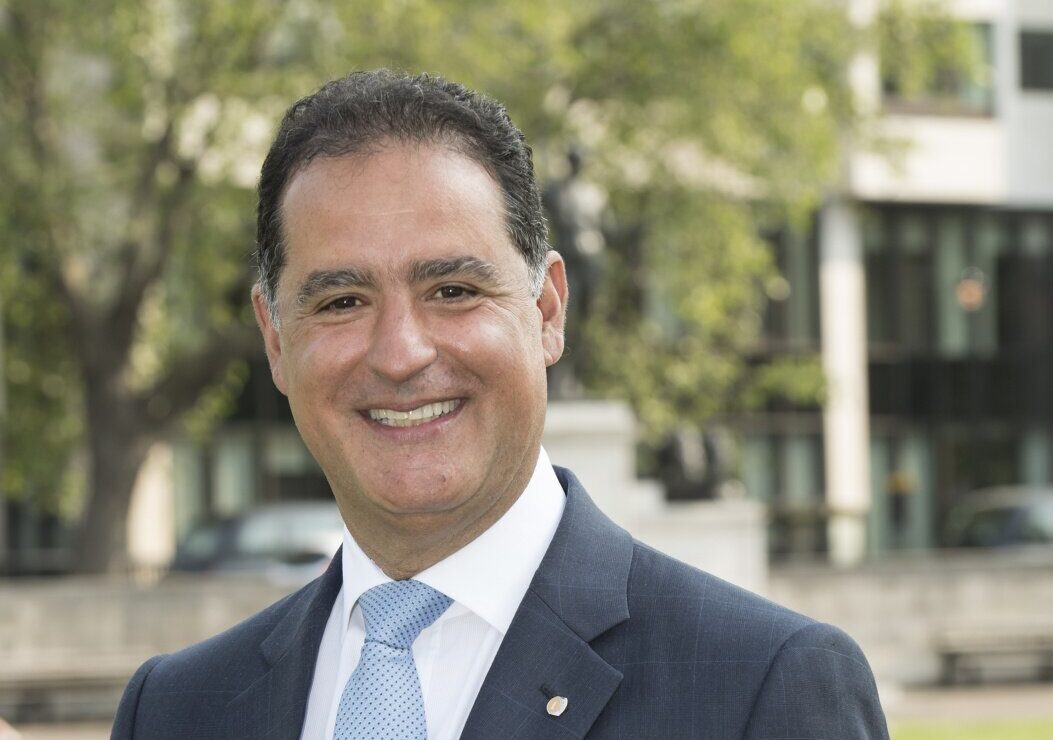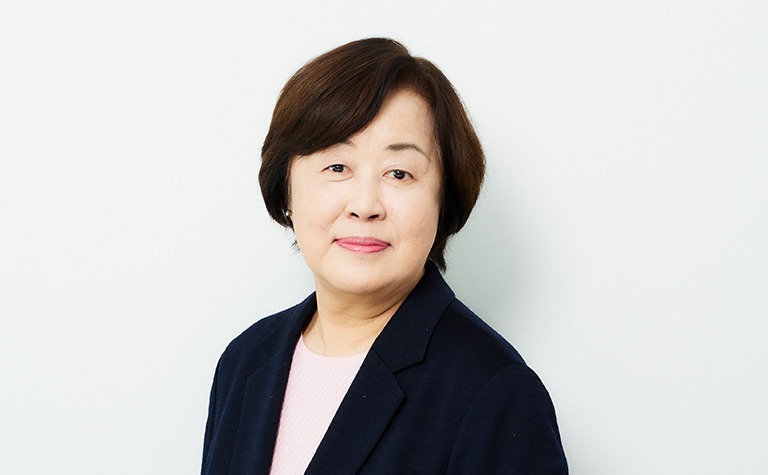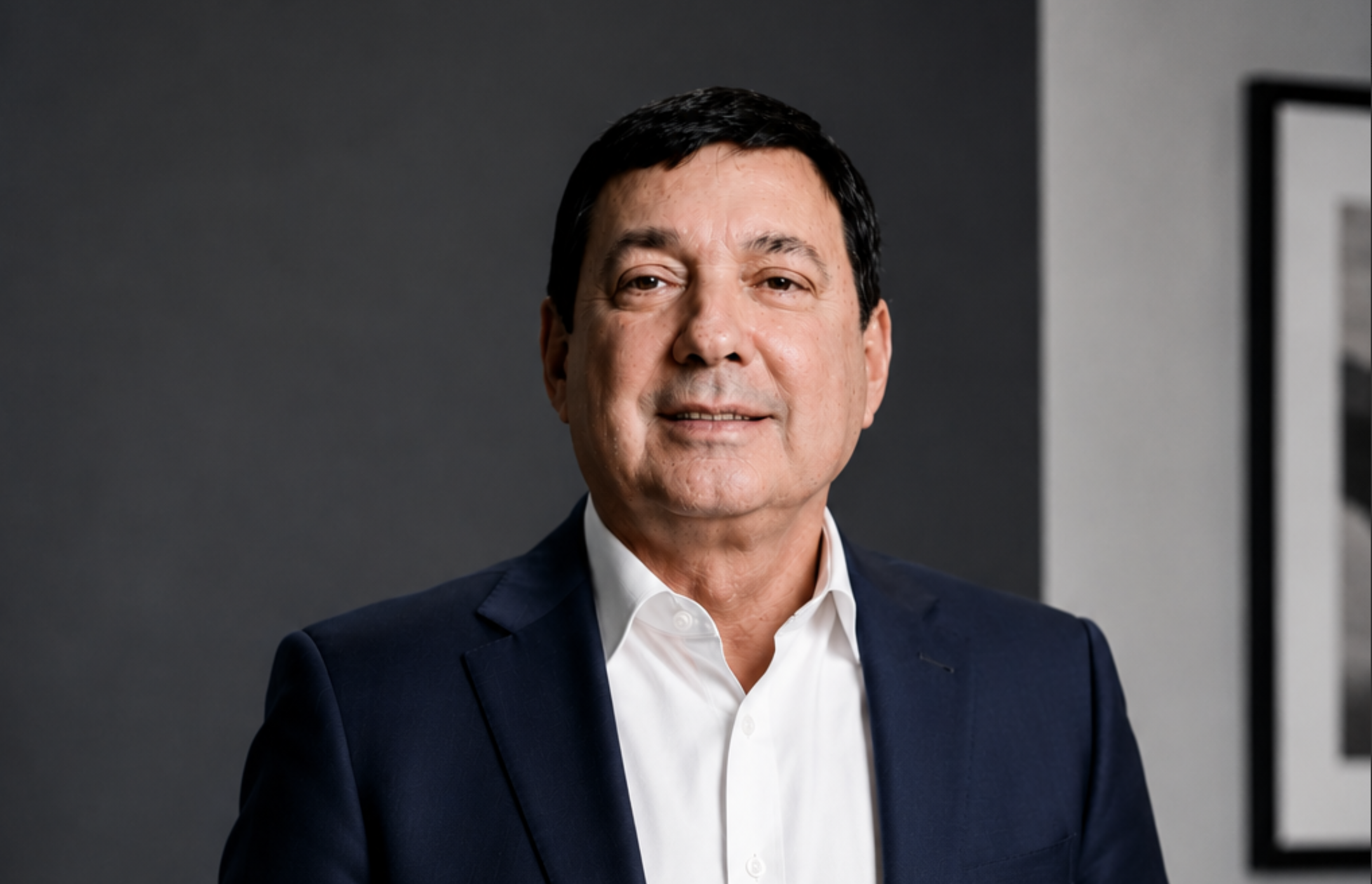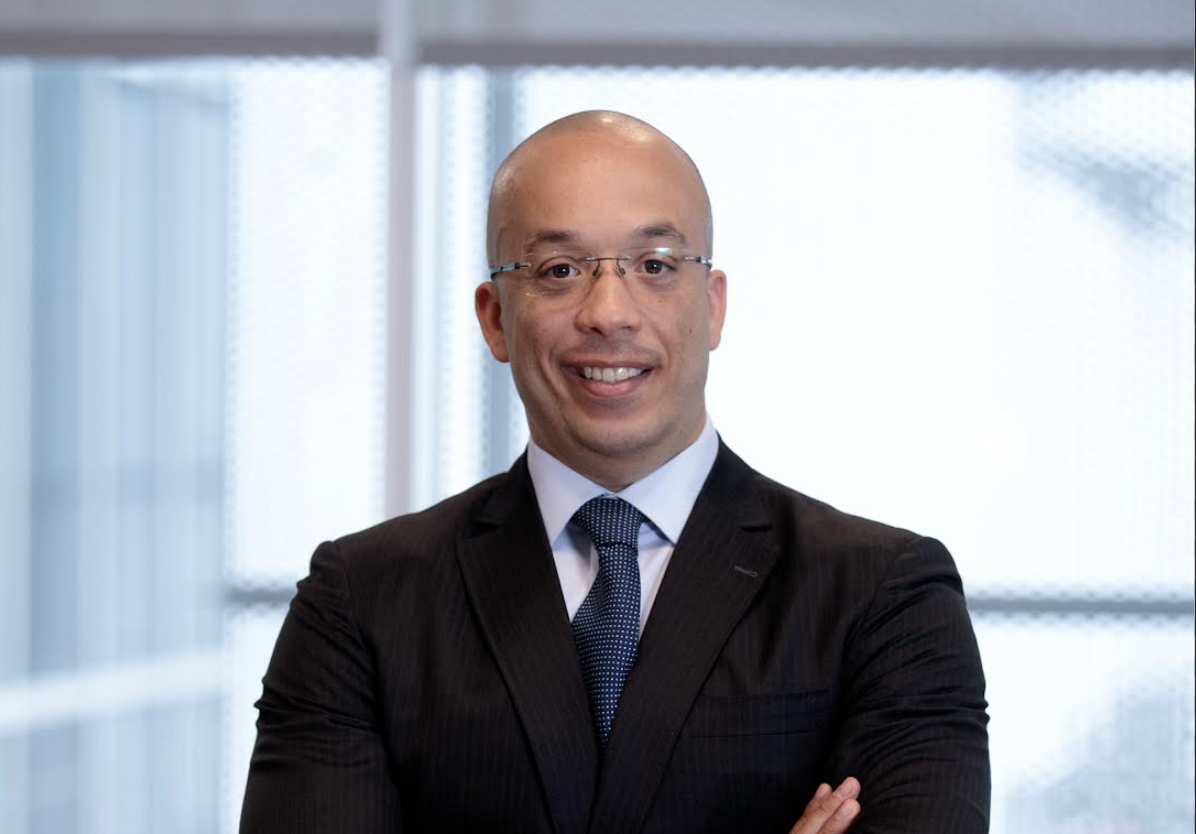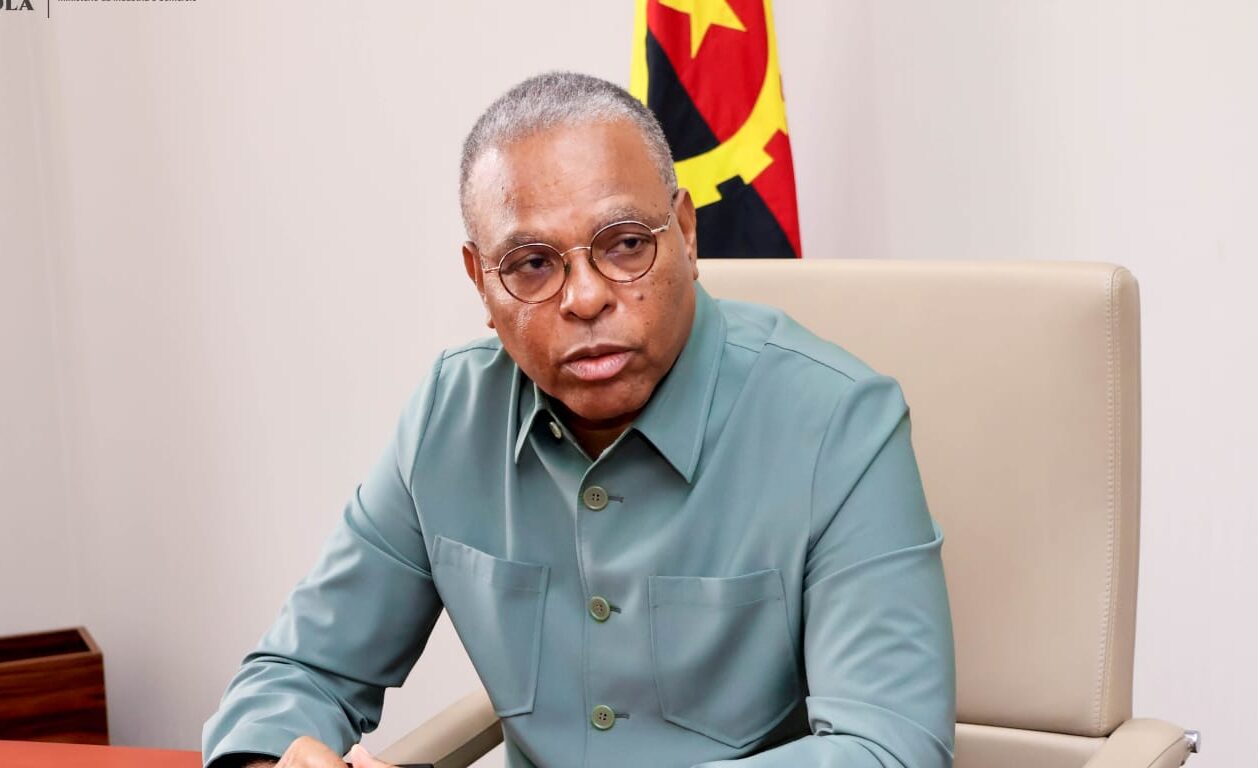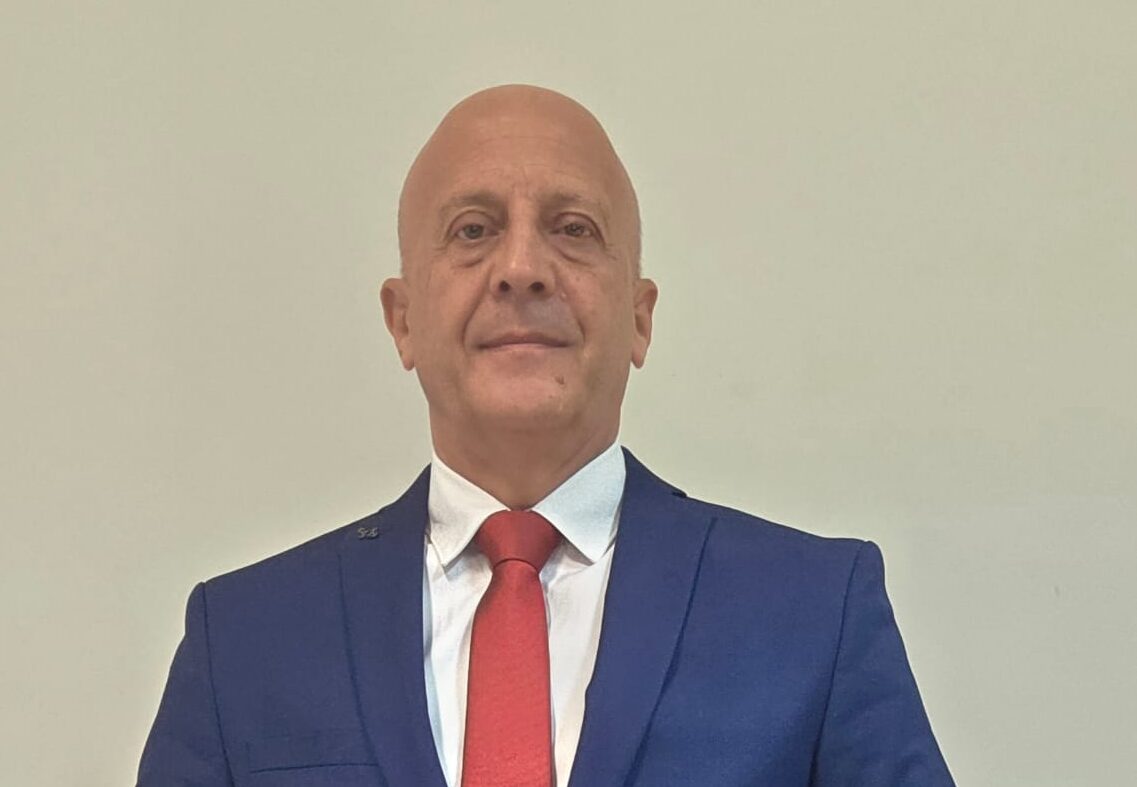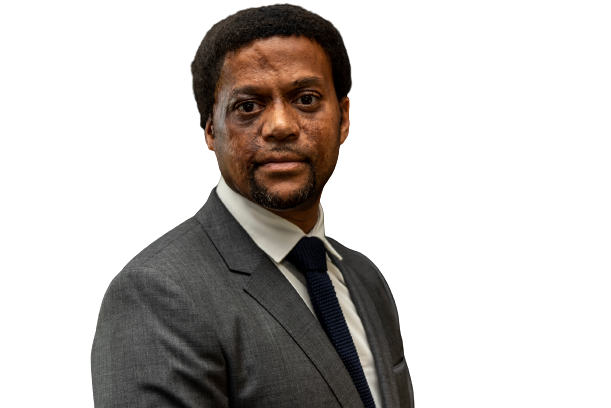
Manuel António Tiago Dias
Governor of the National Bank of Angola
Manuel António Tiago Dias

1.The National Bank of Angola has played a central role in the evolution of the country’s financial system since its establishment in 1926. Could you highlight the main milestones in this journey and how the BNA has adapted to changes in the national and global economic landscape?

The National Bank of Angola, as the Central Bank of the Republic of Angola, was officially established in 1976, one year after the proclamation of National Independence. Since then, the BNA has undergone several transformations, reflecting the country’s economic and political changes.

One of the most significant moments was in 1977, with the introduction of the national currency, the Kwanza, named after Angola’s largest river. This event marked an essential step toward monetary sovereignty.

Another major milestone occurred in 1991, when Angola implemented an economic and financial recovery program, resulting in a two-tier banking system. Until then, the BNA performed both central banking and commercial functions. With the new structure, the BNA focused solely on monetary authority and financial regulation.

In 1997, the BNA became an independent Central Bank, reinforcing its macroeconomic role. Then in 1999, monetary and exchange reforms were implemented to pave the way for financial market liberalization.

Most recently, in 2021, the revised Constitution reaffirmed the BNA’s independence. Law no. 24/21, enacted on July 18, established the BNA’s primary mission as maintaining price stability to preserve the value of the national currency and the financial system. This autonomy is crucial for ensuring decisions are made free of political or external interference.

2. Inflation and currency depreciation are challenges for any developing economy. Considering the Kwanza’s trajectory, what are the BNA’s main strategies to ensure its stability and control inflation, especially given the volatility of international markets?

Price stability is our top priority. Although inflation remains high, we’ve made notable progress. In 2023, inflation peaked at 31% in July but dropped to 27.5% by year-end. Our target is to reduce it to 17.5% by the end of 2025.

One major driver of inflation in Angola is the supply of essential goods—especially food. The food and non-alcoholic beverages category accounts for 55% of the consumer price index and can contribute up to 65% of inflation. Any disruption in food supply has an immediate effect on prices.

To address this, the BNA supports government initiatives aimed at boosting domestic production of essential goods. We also manage economic liquidity to avoid excess money circulation that could drive prices upward.

Another essential element is strengthening international reserves. In 2023, we increased reserves to $15.7 billion, enough to cover more than eight months of imports—boosting Angola’s resilience to external shocks and increasing confidence in the Kwanza.

3. Following the government’s efforts to diversify the economy, how is the BNA helping reduce dependence on the oil sector and encouraging financing for agriculture, industry, and services? Are there specific measures to expand credit to the productive sector?

The banking sector is vital to economic development. Commercial banks need to convert deposits into productive loans, but Angola’s credit-to-deposit ratio is still low—around 40%.

To address this, we issued BNA Notice 10, allowing commercial banks to use part of their mandatory reserves to finance strategic sectors like agriculture, livestock, and fisheries.

This has been effective. In 2023, we saw a 29% increase in credit to the productive sector—without disrupting inflation control. These loans focus on producing essential goods, improving supply-demand balance.

Moreover, interest on these loans is set at 7.5%, significantly below typical market rates, which are higher due to inflation. This creates a strong incentive to grow the productive sector.

4. The financial inclusion rate in Angola is 49.1%, and many citizens still lack access to banking services. How is the BNA promoting digitalization and expanding access, especially in rural areas?

Financial inclusion is a key priority in our 2023–2028 Strategic Plan. Our goal is to raise the inclusion rate to over 60% by the end of this period.

To reach that goal, we developed a National Financial Inclusion Strategy with support from the World Bank and the Angolan Government. A central focus is the digitalization of banking services so Angolans can access them without needing physical bank branches.

We are implementing interoperability between commercial banks and mobile payment providers. The “KWiK – Instant Kwanza” app, for instance, enables transfers and payments across different platforms.

5. Foreign investment is critical for Angola’s economic growth. What is the BNA doing to make the financial system more attractive to investors?

Angola is open to global investors and offers significant opportunities.

We emphasize the importance of increasing domestic production of essential goods. Angola has vast arable land and abundant water resources. All of our rivers originate and end within our borders, minimizing conflict potential with neighboring countries.

Angola has seen major infrastructure investments—especially in electricity production and distribution. Transport and communication infrastructure is also improving. These developments lay the groundwork for economic activity.

Since 2018, Angola has undergone deep financial liberalization. Foreign investors no longer require BNA approval to move funds within the country—only statistical registration of transactions is needed for monitoring.

Another priority is combating money laundering and terrorist financing. We’ve implemented strict regulations to ensure commercial banks meet international standards, bolstering investor confidence in the Angolan financial system

6. Looking ahead, what are the BNA’s main goals for the coming decades?

Our biggest target is to achieve single-digit inflation by 2028, creating a predictable economic environment for investors and entrepreneurs.

We’ll also continue to strengthen the banking sector by requiring commercial banks to increase capitalization and by implementing reforms to make the financial system more resilient and efficient.
More Information

Retrato de hombre con kufi tradicional
Mohamed Gento Kamara
Chairman and Chief Executive Officer — Gento Group of Companies (SL) Limited
Karim Nasser
Karim Nasser
Executive Chairman — Nant Power
André Snyman
André Snyman
Managing Director of Walvis Bay Salt Holdings
Edgar Byamah
Edgar Byamah
Managing Director — KCB Bank Uganda
Rhys Mbala
Rhys Mbala
Chairman, Director & Founder of Trinitas Consulting Engineers
Dr. Rudie Van Vuuren
Managing Director N/a'an ku sê Group of companies and Co-Founder N/a'an ku sê Foundation
Nazim Charania
Nazim Charania
Founder, Chairman & President — Noble Group S.A.
Maja Stevkova Shterieva
President, Macedonian Banking Association — North Macedonia
Svetozar Janevski
Svetozar Janevski
President of the Board of Directors Tikveš Winery — North Macedonia
Naotaka Kondo
Naotaka Kondo
Representative Director, Chairman, President & CEO, Toyo Tanso — Japan
Juliana Kagwa
Juliana Kagwa
CEO of Uganda Tourism Board (UTB)
Girma Wake
Girma Wake
CEO of Uganda Airlines
Hez Kimoomi Alinda
Hez Kimoomi Alinda
Executive Director of UFZEPA
Alberto Biamonti
Alberto Biamonti
Country Manager - Mitrelli Angola
Peter Ogwang
Peter Ogwang
Minister of State for Sports
David Bahati
David Bahati
Minister of State for Industry
Edith Nakalema
Edith Nakalema
Head of State House Investors Protection Unit (SHIPU)
Sanjay Tanna
Sanjay Tanna
Minister of Trade, Industry and Cooperatives
Fred Bamwesigye
Fred Bamwesigye
General Director of Uganda Civil Aviation Authority
James Musinguzi
James Musinguzi
Executive Director of Uganda Wildlife Authority (UWA)
Adilson Miguel dos Santos
Presidente do Conselho de Administração / Chief Executive Officer Angola Telecom, E.P.,
Diogo de Carvalho
Diogo de Carvalho
PCA of Infrasat
Cristina Dias Lourenço
President of the Executive Committee / Chief Executive Officer - BODIVA (Bolsa de Dívida e...
Artur Jorge Alberto Gonçalves
Gerente para Operações Mineiras - Sociedade Mineira do Chitotolo
Ansar Ibraimo
Ansar Ibraimo
Chief Executive Officer, Daimic Motors
Amadeu de Jesus Alves Leitão Nunes
Secretário Executivo AFTTCL – Agência de Facilitação do Transporte de Trânsito do Corredor do Lobito
José Carlos Manuel de Oliveira Cunha
Chief Executive Officer, Grupo Carlos Cunha e Associados (GCC)
Vera Esperança dos Santos Daves de Sousa
Ministra das Finanças, Ministério das Finanças
Amin Herji
Amin Herji
Presidente do Conselho de Administração Easygest-Economato, Equipamentos e Serviços
Luís Damião
Luís Damião
PCA - TECNOVIA Angola
Ramy Abdullatif
Ramy Abdullatif
Country Manager - Ericsson Angola
Gerald Green
Gerald Green
General Director Prezioso Angola, Lda. / ALTRAD Group
Wilson Ganga
Wilson Ganga
Founder & Chief Executive Officer of PayPay
H.E. Ambassador Téte António
Minister of Foreign Affairs
Julius Kakeeto
Julius Kakeeto
Managing Director and CEO of Pearl Bank
Francisco Pinzón
Francisco Pinzón
Chief Executive Officer - DP World Luanda
Eduardo Lira Barbosa
Group Chief Financial Officer / Board Member - Grupo Naval
Orlando Soares
Orlando Soares
CEO / Diretor Executivo - Step Ahead
Arlindo Das Chagas Rangel
Presidente do Conselho de Administração AIPEX – Agência de Investimento Privado e Promoção das Exportações
Jean-Yves Lunot
Jean-Yves Lunot
Country Manager - Africa Global Logistics (AGL)
Hélder Araújo
Hélder Araújo
Diretor / Membro do Conselho de Administração
Alexandre Carreira
Alexandre Carreira
PCE of NOSSA Seguros
Paulo Pizarro
Paulo Pizarro
Chairman & CEO - Novagest Serviços e Gestão S.A
Riaze Karim
Riaze Karim
Co-Founder & Chief Innovation Officer - Forefront Systems
Adam Glapinski, President of the National Bank of Poland (NBP)
Adam Glapiński
President of the National Bank of Poland (NBP)
Azhar Jaffer
Azhar Jaffer
Owner and CEO of Fairway Boutique Hotel
Hussein Khatoun
Hussein Khatoun
Founder and CEO Basel Angola (Sociedade de Detergentes)
Francisco Monteiro
Francisco Monteiro
Chief Executive Officer (CEO) & Chairman of BRIMONT
Sérgio Dias de Sousa
Senior Partner - SOAPRO
Erick Camargo
Erick Camargo
Director General - Afrizona
Rajbir Singh Rai
Rajbir Singh Rai
CEO of Hima Cement
Ivanilson Machado
Ivanilson Machado
Chief Executive Officer - Pumangol
António Dinis Mendes
Chief Executive Officer (CEO) - African Bank of Oman (ABO)
Marcelo Zoéga da Lima
Country Manager – Atlas Copco Angola
Mahomed Ibrahim
Mahomed Ibrahim
Chairman of the Board (PCA) - REMAX Angola Multitrust
Jorge de Morais
Jorge de Morais
General Manager, KAESO Energy Services
Augusto Baptista
Augusto Baptista
Founder & CEO - Ohuasi Investment
Luis Saraiva
Luis Saraiva
CEO - Detudo
Agostinho da Rocha Fernandes da Silva
Presidente do Conselho de Administração (PCA) – Nova Cimangola
David Wang
David Wang
Chief Executive Officer - Ution Tecnologia Lda
Masayasu Yamashiro
Masayasu Yamashiro
President - Okinawa Financial Group
David Hanna
David Hanna
CEO - Finmo, Singapore
Imran Abbasi
Imran Abbasi
CEO of Pakistan Petroleum Limited
Ernest Enrique
Ernest Enrique
Chairman and CEO of CMS Corporation (United States – Guam Operations)
Álvaro Rey
Álvaro Rey
General Manager of InterContinental Presidente
Setsuko Hashimoto
Setsuko Hashimoto
Representative Board Director and President/CEO, CellSeed Inc
Nelson Soutinho
Nelson Soutinho
Director de Engenharia - CARMON
Vitor Santos
Vitor Santos
General Manager at Promasidor Angola
Roxanne Guerin
Roxanne Guerin
Directora-Geral - EUROSTRAL, LDA
Daniel Araujo
Daniel Araujo
CEO - Asseco
Hugo Teles
Hugo Teles
CEO at Banco BIC
Vladimir Ferraz
Vladimir Ferraz
Presidente do Conselho de Administração Banco de Comércio e Indústria (BCI)
Nuno Veiga
Nuno Veiga
CEO – Pay4All
Sebastião Vemba
Sebastião Vemba
Diretor – Economia & Mercado
Rui Miguêns de Oliveira
Ministro da Indústria e Comércio
Gonçalo Soveral
Gonçalo Soveral
Sócio – Gerente da Lusocola
João Teiga
João Teiga
CEO – Orey
Salvador Muteka Tavares Emílio
General Manager at Shoprite Angola
Nuno Nascimento
Nuno Nascimento
Vice Presidente – Lyon
Sameer Jaffer
Sameer Jaffer
General Manager at SICIE
Ulanga Gaspar Martins
CEO at Grupo Poliedro
Paulino Fernando de Carvalho Jerónimo
PCA – Agência Nacional de Petróleo e Gás e Biocombustíveis
Jean-Yves Lunot
Jean-Yves Lunot
Country Manager at AGL Angola
Miguel Baptista
Miguel Baptista
Managing Director – Central, East and Southern Africa SLB
José Carlos Figueiredo
CEO – Teleservice
Abilio Almirante
Abilio Almirante
CEO – Transgás
Victor Povoa
Victor Povoa
Diretor Geral - Americanflag
Venâncio Epolua
Venâncio Epolua
CEO – G4S Angola
João Carlos Barbot
João Carlos Barbot
Administrador Delegado – Barbot Angola
Fabio Bravo da Rosa
Fabio Bravo da Rosa
PCE – Hybris Soluções
Angelo Gama
Angelo Gama
CEO da Angola Cables
Tiago Morais
Tiago Morais
General Manager - Nova Sotecma
Tomasz Dowbor
Tomasz Dowbor
CEO at Grupo Boa Vida
Frans Jol
Frans Jol
CEO – SOGESTER(Sociedade Gestora de Terminais)
Fernando Dias
Fernando Dias
PCA, Porto do Soyo
Maria Miguel Pinto
Maria Miguel Pinto
General Manager at Raxio Angola
Artur Duarte
Artur Duarte
CEO da Tranquilidade Angola
António Magalhães
António Magalhães
Director-Geral de PROMETEUS
Hélder Carreira
Hélder Carreira
Managing Partner at Tintas Toptech
Adilson Mangueira Nelumba
Founder & Managing Director, Copia Group