Guatemala Special Report
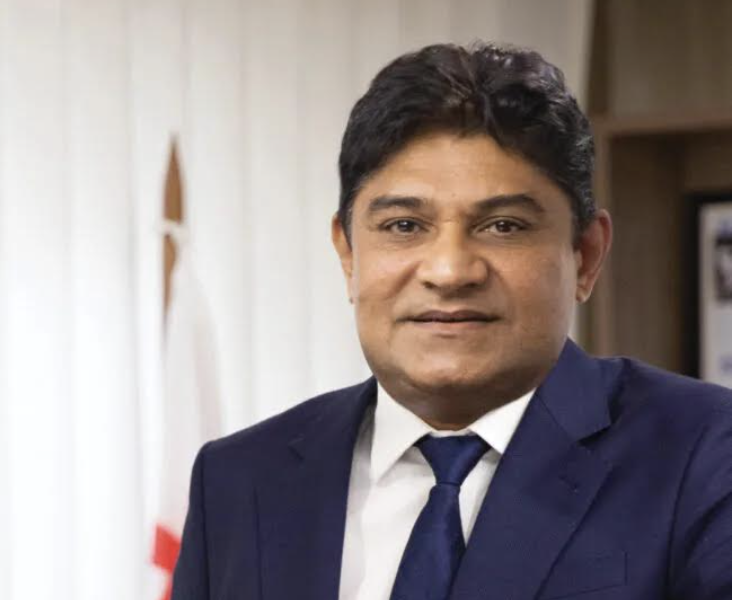
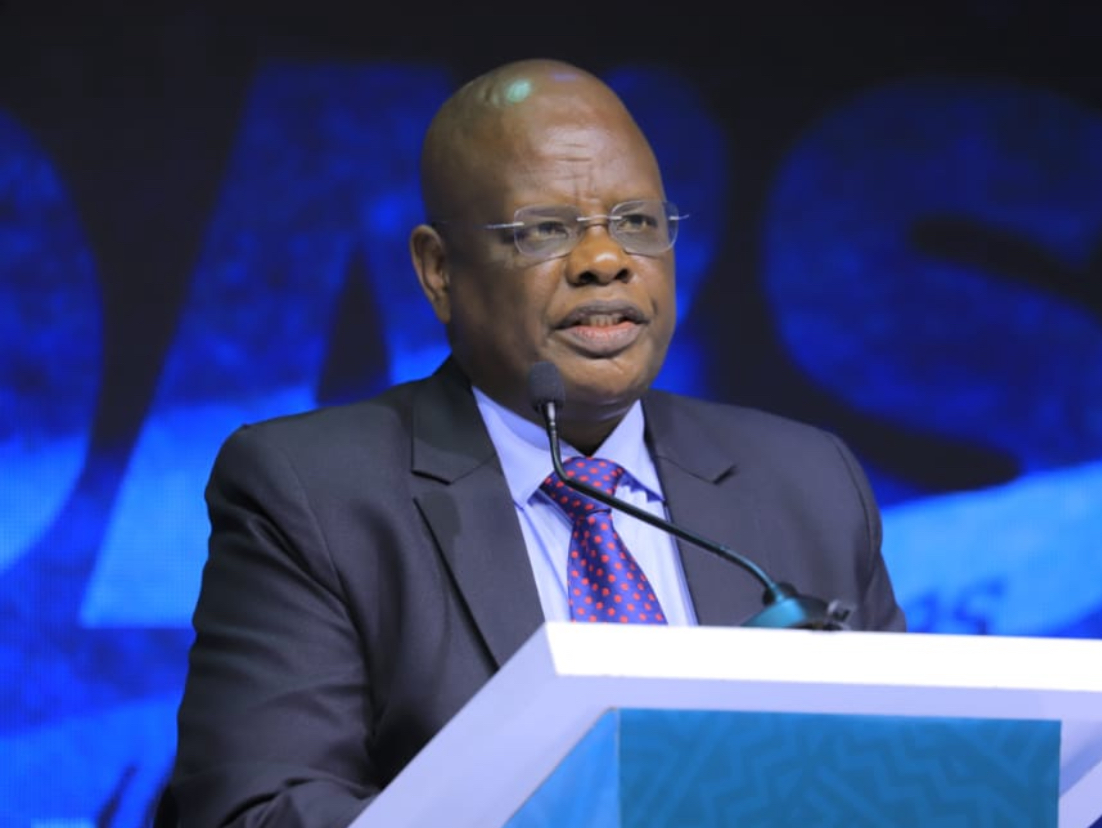
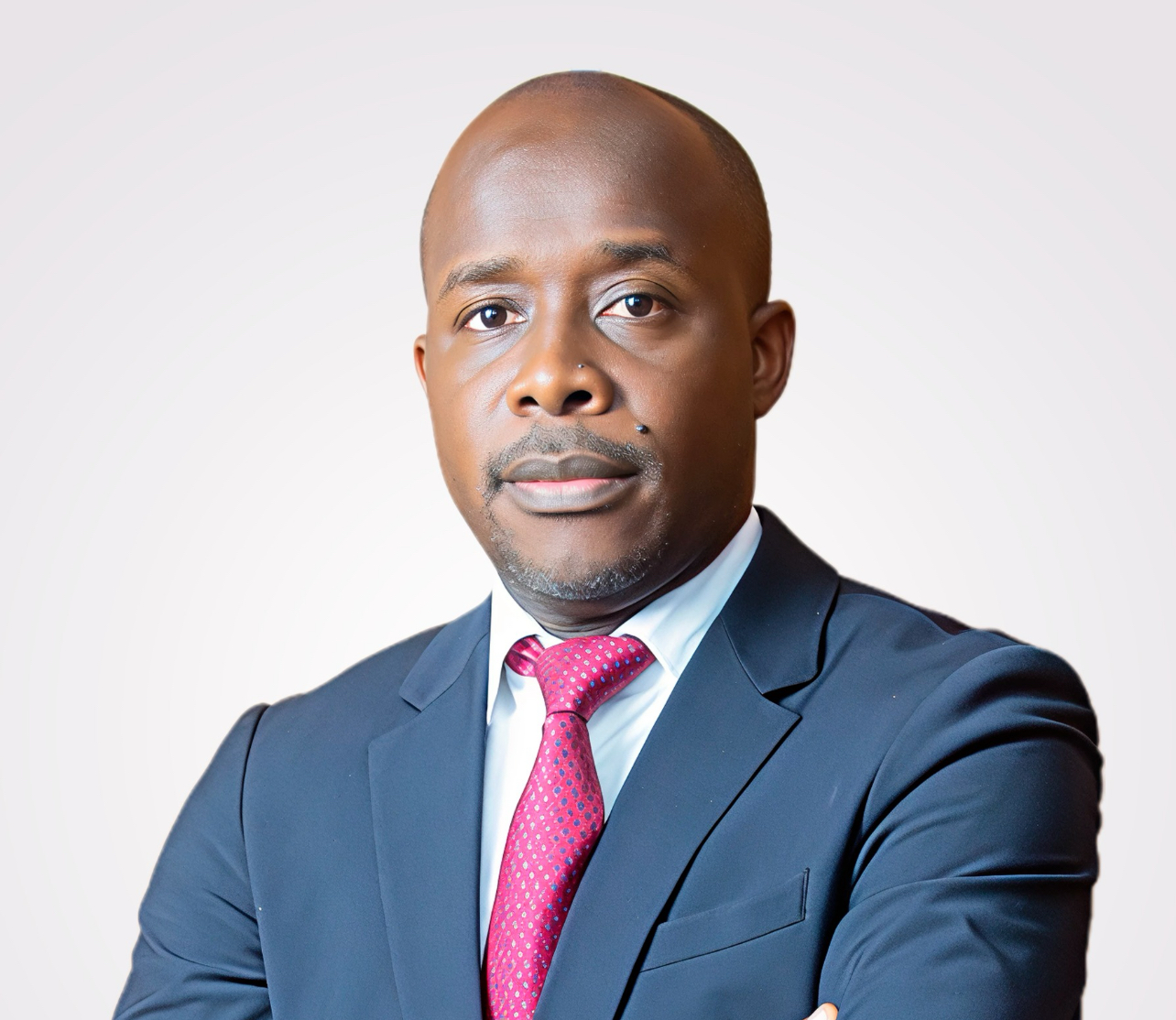
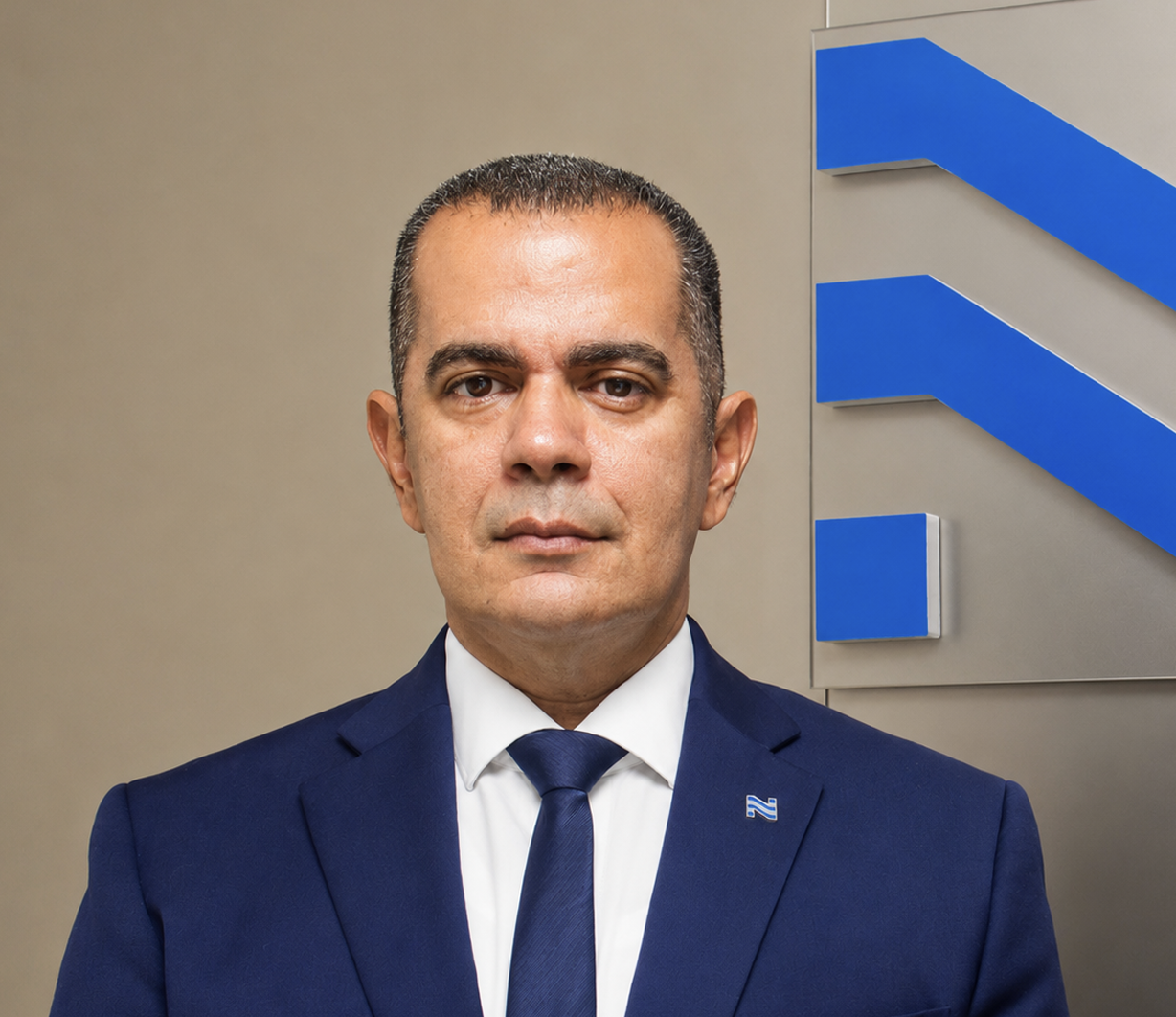
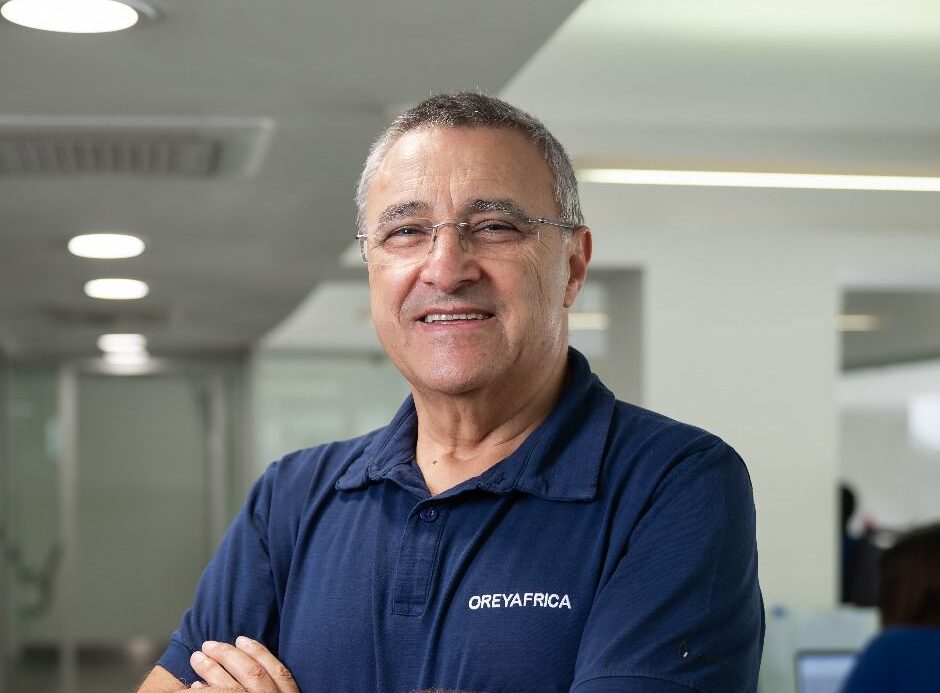
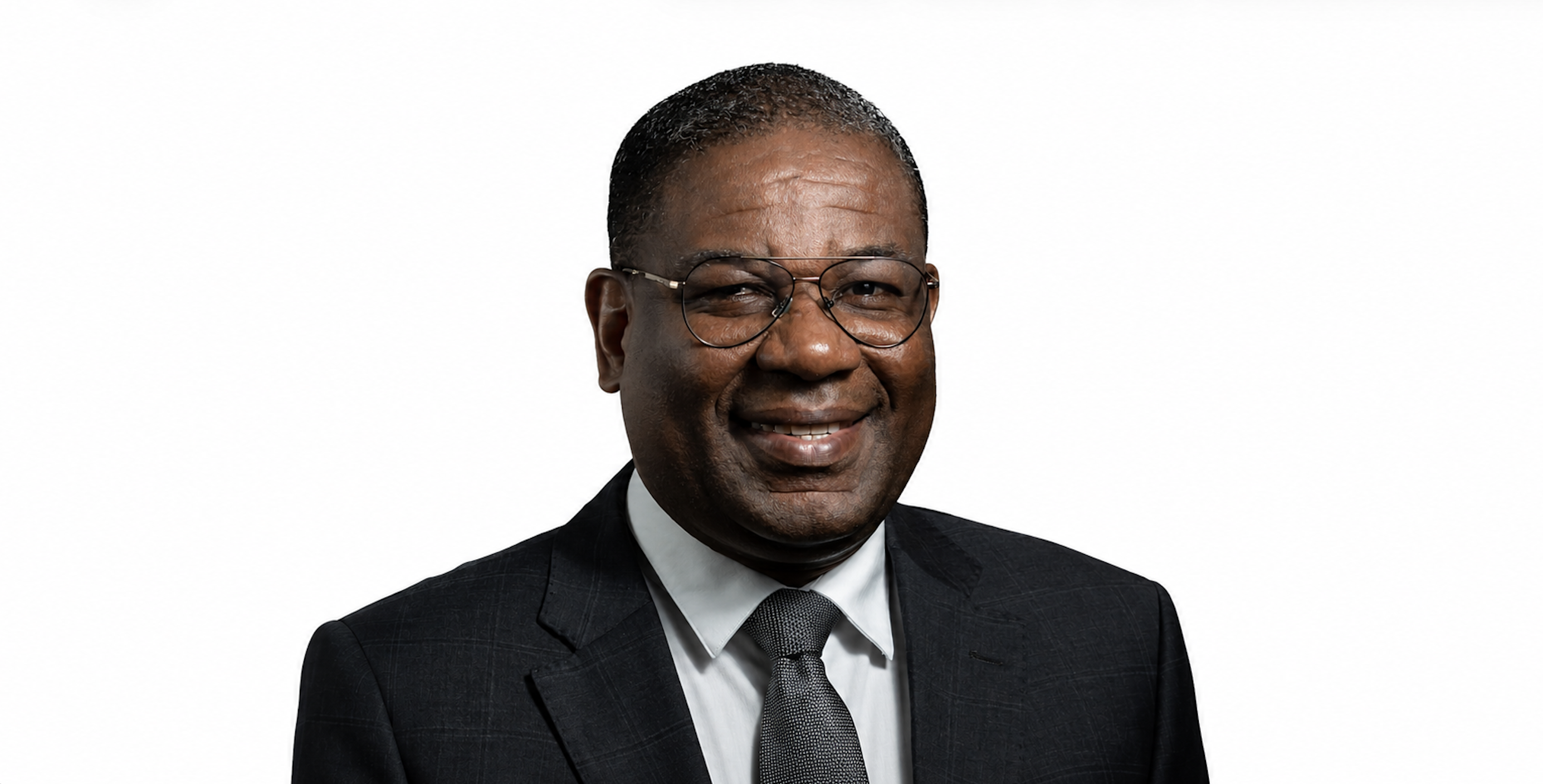
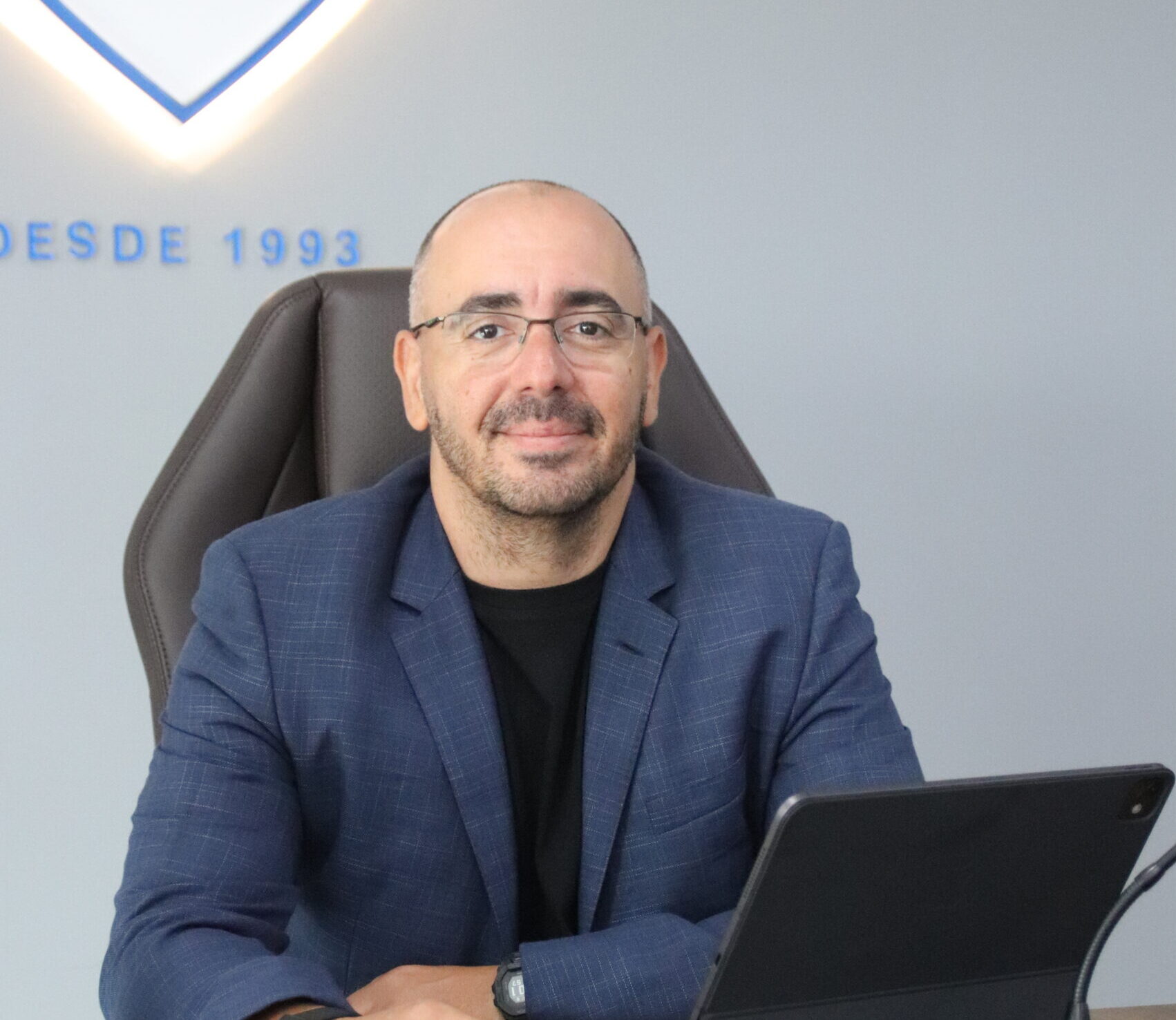
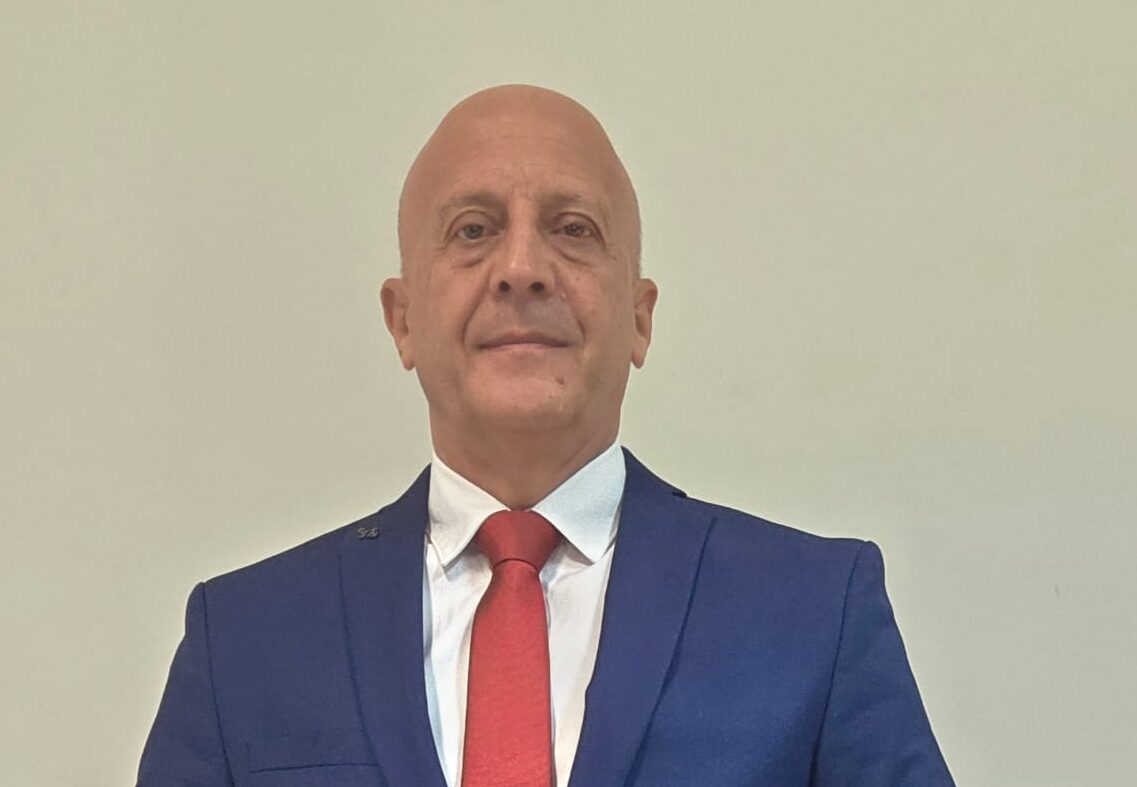
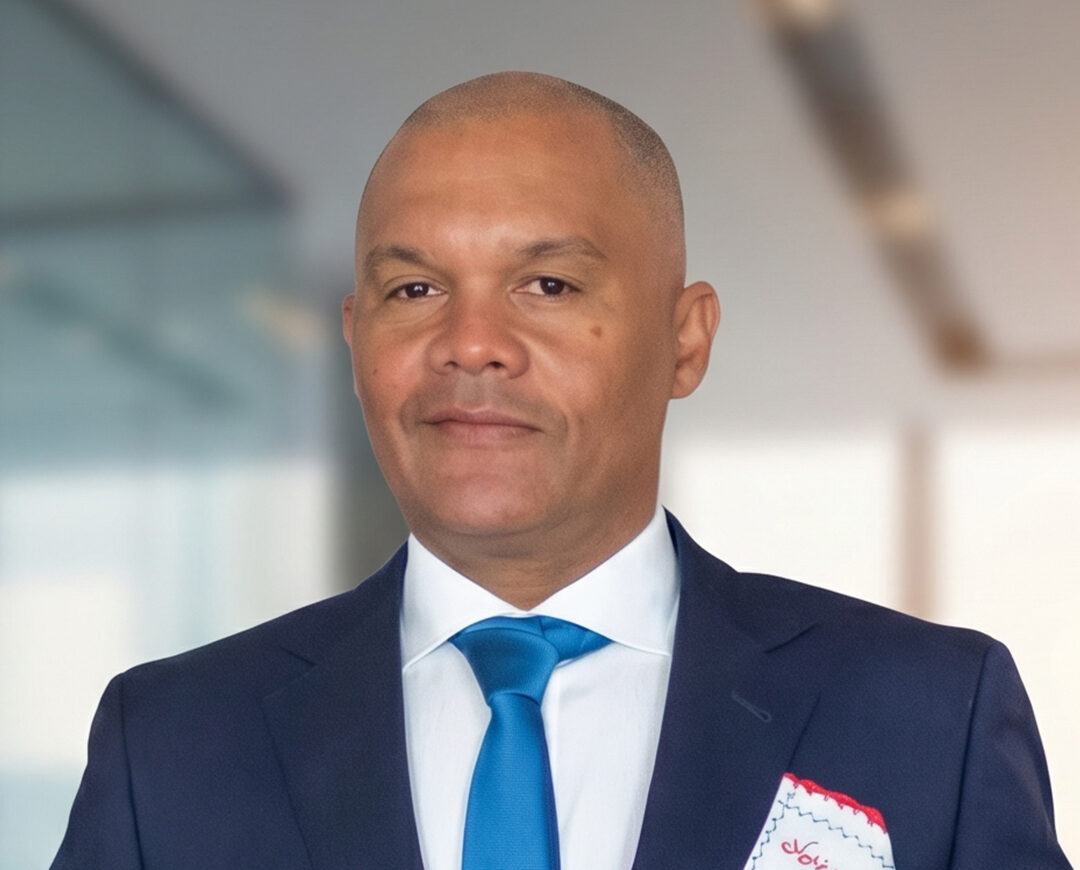
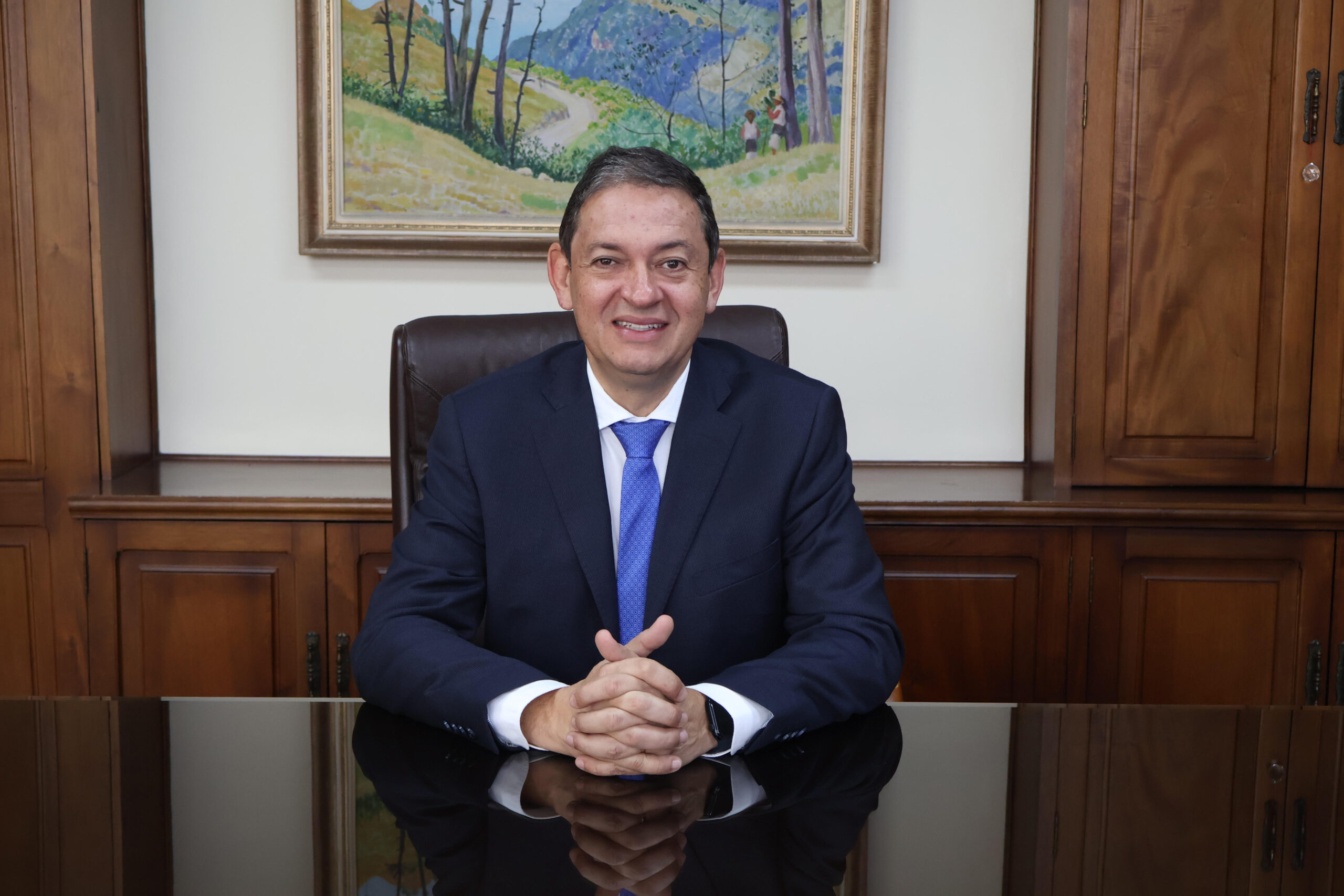
Country General Manager of EEGSA
This interview explores EEGSA’s innovative strategies for reducing its carbon footprint in Guatemala, including PCB management, energy efficiency, and transitioning to electric vehicles. It highlights the company’s vision for achieving carbon neutrality by 2035, its efforts to expand service coverage, and its focus on fostering community-driven initiatives.
EEGSA has a history dating back to 1894 and has been a key player in the development of Guatemala’s energy sector. How do you think the company’s evolution has influenced the growth and modernization of the country’s electrical system?
EEGSA recently celebrated 130 years, solidifying its role as an integral part of the electrical sector’s history in Guatemala. From its inception, EEGSA was a visionary, fully integrated company. Over the past 25 years, the company played a central role in implementing the General Electricity Law, which separated generation, transmission, distribution, and commercialization into independent entities. This restructuring enabled vertical integration within various economic groups and allowed the National Electrification Institute (INDE) to focus on generation and transmission, consolidating its role as the leading generator and transmitter.
Companies like EEGSA emerged from this transformation and became key distributors of energy. EEGSA has participated in every segment of the electrical sector, from generation to distribution, while recently expanding into value-added services. Today, as part of Colombia’s EPM Group, EEGSA operates as EPM Guatemala, with significant participation in transmission, distribution, and commercialization. Its transmission operations, managed through TRELEC, account for about 26% of the country’s infrastructure. In distribution, EEGSA handles approximately half of the distributed energy in Guatemala, while its commercialization activities cover a third of the market through COMEGSA.
The company has also diversified its operations with ENÉRGICA, offering innovative solutions such as telemeasurement, telemetry, smart city initiatives, energy efficiency services, and solar panel installations. This diversification reflects EEGSA’s commitment to meeting customer expectations while evolving beyond basic electricity provision.
With the increasing demand for electricity in Guatemala, how do you plan to ensure a reliable and sustainable long-term supply?
Sustainability is fundamental to EEGSA’s operations and is viewed through financial, environmental, social, and governance dimensions. Financial sustainability ensures the company’s long-term viability, while environmental and social sustainability emphasizes compliance with regulations and maintaining a social license to operate in local communities. Governance and corporate principles guide strategic decision-making, ensuring alignment with the company’s commitment to sustainability.
EEGSA has a $500 million investment plan for the next four years. This plan focuses on expanding and modernizing transmission and distribution infrastructure, automating processes, and strengthening telecommunications and database management. Such investments aim to address Guatemala’s growth and ensure reliable, continuous, high-quality electrical services.
In its coverage area, which includes Guatemala City, Escuintla, Sacatepéquez, Santa Rosa, and Chimaltenango, EEGSA boasts over 99% distribution coverage. However, continued investment is necessary to meet the ever-growing demand, driven by industrial and urban expansion. Current development trends in Guatemala City, with over 150 construction projects, underscore the importance of adapting to the sector’s dynamic nature.
What does the national energy sector in Guatemala need to strengthen and attract more investment?
Balancing supply and demand is crucial as Guatemala approaches a critical intersection of these factors. Long-term bidding processes are needed to attract new generation projects that ensure energy supply and capacity for the coming years. Transmission infrastructure must also expand to connect generation plants with demand centers effectively. Private and government-led initiatives are essential, supported by guarantees of fair returns for investors.
Streamlined environmental and social permitting processes are equally important, as delays can become significant bottlenecks. Expanding electrification is another priority, with solutions like microgrids and isolated solar systems providing opportunities to extend access to remote populations.
EEGSA has invested in photovoltaic solar energy development in collaboration with companies like Grupo Onyx, betting on renewable energy, particularly hydroelectric and solar projects. How do you view the future of renewable energy in Guatemala, and what initiatives are you promoting in this field?
In Guatemala, around 80% of the energy mix comes from renewable and non-conventional renewable sources, while the remainder comes from thermal generation. EEGSA aims to maintain or increase this renewable energy percentage through bidding processes aligned with the country’s climate commitments.
Guatemala’s climatic conditions, with storms and hurricanes from the Pacific and Atlantic, highlight the importance of firm capacity solutions. Cost-efficient battery storage solutions are being explored as part of these efforts. Through ENÉRGICA, EEGSA supports customers installing solar panels for self-consumption and self-generation. This market is rapidly expanding, with an average of two installations daily within EEGSA’s coverage area, reflecting increased adoption of renewable energy.
EEGSA has begun implementing smart grids to optimize energy distribution and prevent outages, along with new digital platforms and mobile applications enabling users to manage their services. How do you plan to integrate more smart technologies into your operations, and how will this enhance the consumer experience?
Recent investments in network automation allow EEGSA to operate remotely and quickly recover services in case of failures. These efforts are supported by georeferencing systems and other technologies, enabling precise fault detection from control centers.
Smart metering has been introduced, with an advanced communication network connecting approximately 24,000 meters. These systems allow real-time consumption monitoring and online billing, currently focused on commercial and industrial clients. While residential implementation is limited due to equipment costs, it remains a long-term goal.
Time-of-use tariffs have been introduced, encouraging customers to shift intensive energy usage to periods with lower rates. Although this approach is not yet widespread, it offers significant economic benefits for customers. EEGSA is also collaborating with municipalities to advance energy transition projects. These initiatives include supporting Guatemala City’s electric bus charging infrastructure, converting sodium streetlights to LEDs, and developing intelligent public lighting systems.
Expanding its expertise to water metering, EEGSA continues to integrate technologies that enhance operational efficiency and customer satisfaction. Recent updates to digital platforms have improved response times for outages and other issues. The updated mobile app, set to launch in early 2025, will allow customers to track service requests, monitor assigned personnel, and receive real-time updates directly from their devices.
What are EEGSA’s key initiatives to reduce its carbon footprint in Guatemala?
Although we don’t have a project by that name, we have developed one focused on PCB management, a highly polluting substance found in transformers. We implemented a plan to collect, diagnose, and gradually remove these residues, exporting them to France for proper final disposal through a special contract with a specialized company. This effort has been crucial in reducing our environmental impact.
In terms of efficiency, we’ve achieved one of the best energy loss indicators in Latin America, with levels below five percent. This is not only economically beneficial—because we purchase less energy—but it also reduces our carbon footprint. Additionally, we are transitioning our fleet to 100% electric vehicles. This year, we acquired seven units, including pickups and panel vans, and we aim for our entire fleet to be electric within five to six years. Furthermore, we are promoting micromobility through partnerships that encourage the use of electric bicycles, scooters, and skateboards.
How do you envision EEGSA’s future over the next five years, and what role will innovation play in its development?
Beyond EEGSA, we aim to venture into solar distributed generation projects with one of our affiliated companies. This aligns with our goal of achieving carbon neutrality by 2035, a vision shared across the EPM Group. Another priority is achieving universal service coverage, increasing it from 99% to 100% across the country.
One significant challenge is the reliance on firewood for cooking in rural areas. We are working with multilateral organizations on projects that promote alternatives like induction stoves and cookware while fostering entrepreneurship led by women in these communities. Additionally, we are studying the use of batteries and storage systems for our network, keeping a close eye on when these projects become sustainable.
Operationally, we are working to ensure that our infrastructure is meshed to meet the growing energy demand in urban areas. Regarding digital transformation, we focus on becoming a dynamic and attractive company for talent aligned with our vision for the future.
What other opportunities or challenges would you highlight for an investor considering Guatemala as their next step?
The primary challenge for an investor is understanding how the market operates and familiarizing themselves with the legal framework, which in the electricity sector is very stable and sends positive signals to participants. Building strong relationships with communities is also essential, as integrating them into projects is critical.
Guatemala has a clear objective of attracting foreign investment, and many companies are considering the country for nearshoring opportunities, primarily with Mexico, the United States, and even South America. This creates opportunities for establishing plants and factories but also involves challenges, such as understanding migration dynamics and creating strong labor conditions with competitive salaries.
In the electricity sector, workforce migration isn’t a significant issue—only a handful of individuals have migrated for labor-related reasons over the past few years—but other sectors face more considerable challenges. The key is generating opportunities that allow people to grow professionally and realize they can achieve their goals within the country.
What has been the biggest challenge you’ve faced since becoming EEGSA’s General Manager, and how have you overcome it?
It may sound like a textbook answer, but I would divide it into two parts. The first major challenge was the pandemic. When the national government implemented COVID-19 lockdown measures, I had only been in the country for three months. I was still getting to know the team, the company’s culture, and the country itself. We had to ensure service continuity, and we made a decision—initially unilateral—that we later shared with the government: we would not cut electricity to any client. We understood how vital it was for people to have energy to work and study from home. Managing this alongside our team of professionals and technicians was an enormous challenge, but we succeeded.
The second challenge, which is ongoing, has been stabilizing and uniting our teams to move faster and achieve results beyond expectations. This is not just a technical challenge but also a human and managerial one, focused on creating a leadership style that brings out the best in people.
What would you like to say to Los Angeles Times readers?
I have two messages. From a business perspective, Guatemala is a country full of possibilities, with a warm population highly capable of achieving great things. The conditions for establishing and growing businesses in various sectors are increasingly favorable.
On a personal level, Guatemala is a unique destination. Its natural landscapes, history, culture, and vibrant colors are unparalleled. From majestic, climbable volcanoes to the historic Mayan sites like Petén, Tikal, El Mirador, and many other lesser-known but equally fascinating city-states, Guatemala offers countless magical corners. It’s a place where people can reconnect with nature and discover a country with immense tourism potential. I invite everyone to visit, experience what Guatemala has to offer, and share their experiences with the world.
EEGSA has a history dating back to 1894 and has been a key player in the development of Guatemala’s energy sector. How do you think the company’s evolution has influenced the growth and modernization of the country’s electrical system?
EEGSA recently celebrated 130 years, solidifying its role as an integral part of the electrical sector’s history in Guatemala. From its inception, EEGSA was a visionary, fully integrated company. Over the past 25 years, the company played a central role in implementing the General Electricity Law, which separated generation, transmission, distribution, and commercialization into independent entities. This restructuring enabled vertical integration within various economic groups and allowed the National Electrification Institute (INDE) to focus on generation and transmission, consolidating its role as the leading generator and transmitter.
Companies like EEGSA emerged from this transformation and became key distributors of energy. EEGSA has participated in every segment of the electrical sector, from generation to distribution, while recently expanding into value-added services. Today, as part of Colombia’s EPM Group, EEGSA operates as EPM Guatemala, with significant participation in transmission, distribution, and commercialization. Its transmission operations, managed through TRELEC, account for about 26% of the country’s infrastructure. In distribution, EEGSA handles approximately half of the distributed energy in Guatemala, while its commercialization activities cover a third of the market through COMEGSA.
The company has also diversified its operations with ENÉRGICA, offering innovative solutions such as telemeasurement, telemetry, smart city initiatives, energy efficiency services, and solar panel installations. This diversification reflects EEGSA’s commitment to meeting customer expectations while evolving beyond basic electricity provision.
With the increasing demand for electricity in Guatemala, how do you plan to ensure a reliable and sustainable long-term supply?
Sustainability is fundamental to EEGSA’s operations and is viewed through financial, environmental, social, and governance dimensions. Financial sustainability ensures the company’s long-term viability, while environmental and social sustainability emphasizes compliance with regulations and maintaining a social license to operate in local communities. Governance and corporate principles guide strategic decision-making, ensuring alignment with the company’s commitment to sustainability.
EEGSA has a $500 million investment plan for the next four years. This plan focuses on expanding and modernizing transmission and distribution infrastructure, automating processes, and strengthening telecommunications and database management. Such investments aim to address Guatemala’s growth and ensure reliable, continuous, high-quality electrical services.
In its coverage area, which includes Guatemala City, Escuintla, Sacatepéquez, Santa Rosa, and Chimaltenango, EEGSA boasts over 99% distribution coverage. However, continued investment is necessary to meet the ever-growing demand, driven by industrial and urban expansion. Current development trends in Guatemala City, with over 150 construction projects, underscore the importance of adapting to the sector’s dynamic nature.
What does the national energy sector in Guatemala need to strengthen and attract more investment?
Balancing supply and demand is crucial as Guatemala approaches a critical intersection of these factors. Long-term bidding processes are needed to attract new generation projects that ensure energy supply and capacity for the coming years. Transmission infrastructure must also expand to connect generation plants with demand centers effectively. Private and government-led initiatives are essential, supported by guarantees of fair returns for investors.
Streamlined environmental and social permitting processes are equally important, as delays can become significant bottlenecks. Expanding electrification is another priority, with solutions like microgrids and isolated solar systems providing opportunities to extend access to remote populations.
EEGSA has invested in photovoltaic solar energy development in collaboration with companies like Grupo Onyx, betting on renewable energy, particularly hydroelectric and solar projects. How do you view the future of renewable energy in Guatemala, and what initiatives are you promoting in this field?
In Guatemala, around 80% of the energy mix comes from renewable and non-conventional renewable sources, while the remainder comes from thermal generation. EEGSA aims to maintain or increase this renewable energy percentage through bidding processes aligned with the country’s climate commitments.
Guatemala’s climatic conditions, with storms and hurricanes from the Pacific and Atlantic, highlight the importance of firm capacity solutions. Cost-efficient battery storage solutions are being explored as part of these efforts. Through ENÉRGICA, EEGSA supports customers installing solar panels for self-consumption and self-generation. This market is rapidly expanding, with an average of two installations daily within EEGSA’s coverage area, reflecting increased adoption of renewable energy.
EEGSA has begun implementing smart grids to optimize energy distribution and prevent outages, along with new digital platforms and mobile applications enabling users to manage their services. How do you plan to integrate more smart technologies into your operations, and how will this enhance the consumer experience?
Recent investments in network automation allow EEGSA to operate remotely and quickly recover services in case of failures. These efforts are supported by georeferencing systems and other technologies, enabling precise fault detection from control centers.
Smart metering has been introduced, with an advanced communication network connecting approximately 24,000 meters. These systems allow real-time consumption monitoring and online billing, currently focused on commercial and industrial clients. While residential implementation is limited due to equipment costs, it remains a long-term goal.
Time-of-use tariffs have been introduced, encouraging customers to shift intensive energy usage to periods with lower rates. Although this approach is not yet widespread, it offers significant economic benefits for customers. EEGSA is also collaborating with municipalities to advance energy transition projects. These initiatives include supporting Guatemala City’s electric bus charging infrastructure, converting sodium streetlights to LEDs, and developing intelligent public lighting systems.
Expanding its expertise to water metering, EEGSA continues to integrate technologies that enhance operational efficiency and customer satisfaction. Recent updates to digital platforms have improved response times for outages and other issues. The updated mobile app, set to launch in early 2025, will allow customers to track service requests, monitor assigned personnel, and receive real-time updates directly from their devices.
What are EEGSA’s key initiatives to reduce its carbon footprint in Guatemala?
Although we don’t have a project by that name, we have developed one focused on PCB management, a highly polluting substance found in transformers. We implemented a plan to collect, diagnose, and gradually remove these residues, exporting them to France for proper final disposal through a special contract with a specialized company. This effort has been crucial in reducing our environmental impact.
In terms of efficiency, we’ve achieved one of the best energy loss indicators in Latin America, with levels below five percent. This is not only economically beneficial—because we purchase less energy—but it also reduces our carbon footprint. Additionally, we are transitioning our fleet to 100% electric vehicles. This year, we acquired seven units, including pickups and panel vans, and we aim for our entire fleet to be electric within five to six years. Furthermore, we are promoting micromobility through partnerships that encourage the use of electric bicycles, scooters, and skateboards.
How do you envision EEGSA’s future over the next five years, and what role will innovation play in its development?
Beyond EEGSA, we aim to venture into solar distributed generation projects with one of our affiliated companies. This aligns with our goal of achieving carbon neutrality by 2035, a vision shared across the EPM Group. Another priority is achieving universal service coverage, increasing it from 99% to 100% across the country.
One significant challenge is the reliance on firewood for cooking in rural areas. We are working with multilateral organizations on projects that promote alternatives like induction stoves and cookware while fostering entrepreneurship led by women in these communities. Additionally, we are studying the use of batteries and storage systems for our network, keeping a close eye on when these projects become sustainable.
Operationally, we are working to ensure that our infrastructure is meshed to meet the growing energy demand in urban areas. Regarding digital transformation, we focus on becoming a dynamic and attractive company for talent aligned with our vision for the future.
What other opportunities or challenges would you highlight for an investor considering Guatemala as their next step?
The primary challenge for an investor is understanding how the market operates and familiarizing themselves with the legal framework, which in the electricity sector is very stable and sends positive signals to participants. Building strong relationships with communities is also essential, as integrating them into projects is critical.
Guatemala has a clear objective of attracting foreign investment, and many companies are considering the country for nearshoring opportunities, primarily with Mexico, the United States, and even South America. This creates opportunities for establishing plants and factories but also involves challenges, such as understanding migration dynamics and creating strong labor conditions with competitive salaries.
In the electricity sector, workforce migration isn’t a significant issue—only a handful of individuals have migrated for labor-related reasons over the past few years—but other sectors face more considerable challenges. The key is generating opportunities that allow people to grow professionally and realize they can achieve their goals within the country.
What has been the biggest challenge you’ve faced since becoming EEGSA’s General Manager, and how have you overcome it?
It may sound like a textbook answer, but I would divide it into two parts. The first major challenge was the pandemic. When the national government implemented COVID-19 lockdown measures, I had only been in the country for three months. I was still getting to know the team, the company’s culture, and the country itself. We had to ensure service continuity, and we made a decision—initially unilateral—that we later shared with the government: we would not cut electricity to any client. We understood how vital it was for people to have energy to work and study from home. Managing this alongside our team of professionals and technicians was an enormous challenge, but we succeeded.
The second challenge, which is ongoing, has been stabilizing and uniting our teams to move faster and achieve results beyond expectations. This is not just a technical challenge but also a human and managerial one, focused on creating a leadership style that brings out the best in people.
What would you like to say to Los Angeles Times readers?
I have two messages. From a business perspective, Guatemala is a country full of possibilities, with a warm population highly capable of achieving great things. The conditions for establishing and growing businesses in various sectors are increasingly favorable.
On a personal level, Guatemala is a unique destination. Its natural landscapes, history, culture, and vibrant colors are unparalleled. From majestic, climbable volcanoes to the historic Mayan sites like Petén, Tikal, El Mirador, and many other lesser-known but equally fascinating city-states, Guatemala offers countless magical corners. It’s a place where people can reconnect with nature and discover a country with immense tourism potential. I invite everyone to visit, experience what Guatemala has to offer, and share their experiences with the world.
EEGSA has a history dating back to 1894 and has been a key player in the development of Guatemala’s energy sector. How do you think the company’s evolution has influenced the growth and modernization of the country’s electrical system?
EEGSA recently celebrated 130 years, solidifying its role as an integral part of the electrical sector’s history in Guatemala. From its inception, EEGSA was a visionary, fully integrated company. Over the past 25 years, the company played a central role in implementing the General Electricity Law, which separated generation, transmission, distribution, and commercialization into independent entities. This restructuring enabled vertical integration within various economic groups and allowed the National Electrification Institute (INDE) to focus on generation and transmission, consolidating its role as the leading generator and transmitter.
Companies like EEGSA emerged from this transformation and became key distributors of energy. EEGSA has participated in every segment of the electrical sector, from generation to distribution, while recently expanding into value-added services. Today, as part of Colombia’s EPM Group, EEGSA operates as EPM Guatemala, with significant participation in transmission, distribution, and commercialization. Its transmission operations, managed through TRELEC, account for about 26% of the country’s infrastructure. In distribution, EEGSA handles approximately half of the distributed energy in Guatemala, while its commercialization activities cover a third of the market through COMEGSA.
The company has also diversified its operations with ENÉRGICA, offering innovative solutions such as telemeasurement, telemetry, smart city initiatives, energy efficiency services, and solar panel installations. This diversification reflects EEGSA’s commitment to meeting customer expectations while evolving beyond basic electricity provision.
With the increasing demand for electricity in Guatemala, how do you plan to ensure a reliable and sustainable long-term supply?
Sustainability is fundamental to EEGSA’s operations and is viewed through financial, environmental, social, and governance dimensions. Financial sustainability ensures the company’s long-term viability, while environmental and social sustainability emphasizes compliance with regulations and maintaining a social license to operate in local communities. Governance and corporate principles guide strategic decision-making, ensuring alignment with the company’s commitment to sustainability.
EEGSA has a $500 million investment plan for the next four years. This plan focuses on expanding and modernizing transmission and distribution infrastructure, automating processes, and strengthening telecommunications and database management. Such investments aim to address Guatemala’s growth and ensure reliable, continuous, high-quality electrical services.
In its coverage area, which includes Guatemala City, Escuintla, Sacatepéquez, Santa Rosa, and Chimaltenango, EEGSA boasts over 99% distribution coverage. However, continued investment is necessary to meet the ever-growing demand, driven by industrial and urban expansion. Current development trends in Guatemala City, with over 150 construction projects, underscore the importance of adapting to the sector’s dynamic nature.
What does the national energy sector in Guatemala need to strengthen and attract more investment?
Balancing supply and demand is crucial as Guatemala approaches a critical intersection of these factors. Long-term bidding processes are needed to attract new generation projects that ensure energy supply and capacity for the coming years. Transmission infrastructure must also expand to connect generation plants with demand centers effectively. Private and government-led initiatives are essential, supported by guarantees of fair returns for investors.
Streamlined environmental and social permitting processes are equally important, as delays can become significant bottlenecks. Expanding electrification is another priority, with solutions like microgrids and isolated solar systems providing opportunities to extend access to remote populations.
EEGSA has invested in photovoltaic solar energy development in collaboration with companies like Grupo Onyx, betting on renewable energy, particularly hydroelectric and solar projects. How do you view the future of renewable energy in Guatemala, and what initiatives are you promoting in this field?
In Guatemala, around 80% of the energy mix comes from renewable and non-conventional renewable sources, while the remainder comes from thermal generation. EEGSA aims to maintain or increase this renewable energy percentage through bidding processes aligned with the country’s climate commitments.
Guatemala’s climatic conditions, with storms and hurricanes from the Pacific and Atlantic, highlight the importance of firm capacity solutions. Cost-efficient battery storage solutions are being explored as part of these efforts. Through ENÉRGICA, EEGSA supports customers installing solar panels for self-consumption and self-generation. This market is rapidly expanding, with an average of two installations daily within EEGSA’s coverage area, reflecting increased adoption of renewable energy.
EEGSA has begun implementing smart grids to optimize energy distribution and prevent outages, along with new digital platforms and mobile applications enabling users to manage their services. How do you plan to integrate more smart technologies into your operations, and how will this enhance the consumer experience?
Recent investments in network automation allow EEGSA to operate remotely and quickly recover services in case of failures. These efforts are supported by georeferencing systems and other technologies, enabling precise fault detection from control centers.
Smart metering has been introduced, with an advanced communication network connecting approximately 24,000 meters. These systems allow real-time consumption monitoring and online billing, currently focused on commercial and industrial clients. While residential implementation is limited due to equipment costs, it remains a long-term goal.
Time-of-use tariffs have been introduced, encouraging customers to shift intensive energy usage to periods with lower rates. Although this approach is not yet widespread, it offers significant economic benefits for customers. EEGSA is also collaborating with municipalities to advance energy transition projects. These initiatives include supporting Guatemala City’s electric bus charging infrastructure, converting sodium streetlights to LEDs, and developing intelligent public lighting systems.
Expanding its expertise to water metering, EEGSA continues to integrate technologies that enhance operational efficiency and customer satisfaction. Recent updates to digital platforms have improved response times for outages and other issues. The updated mobile app, set to launch in early 2025, will allow customers to track service requests, monitor assigned personnel, and receive real-time updates directly from their devices.
What are EEGSA’s key initiatives to reduce its carbon footprint in Guatemala?
Although we don’t have a project by that name, we have developed one focused on PCB management, a highly polluting substance found in transformers. We implemented a plan to collect, diagnose, and gradually remove these residues, exporting them to France for proper final disposal through a special contract with a specialized company. This effort has been crucial in reducing our environmental impact.
In terms of efficiency, we’ve achieved one of the best energy loss indicators in Latin America, with levels below five percent. This is not only economically beneficial—because we purchase less energy—but it also reduces our carbon footprint. Additionally, we are transitioning our fleet to 100% electric vehicles. This year, we acquired seven units, including pickups and panel vans, and we aim for our entire fleet to be electric within five to six years. Furthermore, we are promoting micromobility through partnerships that encourage the use of electric bicycles, scooters, and skateboards.
How do you envision EEGSA’s future over the next five years, and what role will innovation play in its development?
Beyond EEGSA, we aim to venture into solar distributed generation projects with one of our affiliated companies. This aligns with our goal of achieving carbon neutrality by 2035, a vision shared across the EPM Group. Another priority is achieving universal service coverage, increasing it from 99% to 100% across the country.
One significant challenge is the reliance on firewood for cooking in rural areas. We are working with multilateral organizations on projects that promote alternatives like induction stoves and cookware while fostering entrepreneurship led by women in these communities. Additionally, we are studying the use of batteries and storage systems for our network, keeping a close eye on when these projects become sustainable.
Operationally, we are working to ensure that our infrastructure is meshed to meet the growing energy demand in urban areas. Regarding digital transformation, we focus on becoming a dynamic and attractive company for talent aligned with our vision for the future.
What other opportunities or challenges would you highlight for an investor considering Guatemala as their next step?
The primary challenge for an investor is understanding how the market operates and familiarizing themselves with the legal framework, which in the electricity sector is very stable and sends positive signals to participants. Building strong relationships with communities is also essential, as integrating them into projects is critical.
Guatemala has a clear objective of attracting foreign investment, and many companies are considering the country for nearshoring opportunities, primarily with Mexico, the United States, and even South America. This creates opportunities for establishing plants and factories but also involves challenges, such as understanding migration dynamics and creating strong labor conditions with competitive salaries.
In the electricity sector, workforce migration isn’t a significant issue—only a handful of individuals have migrated for labor-related reasons over the past few years—but other sectors face more considerable challenges. The key is generating opportunities that allow people to grow professionally and realize they can achieve their goals within the country.
What has been the biggest challenge you’ve faced since becoming EEGSA’s General Manager, and how have you overcome it?
It may sound like a textbook answer, but I would divide it into two parts. The first major challenge was the pandemic. When the national government implemented COVID-19 lockdown measures, I had only been in the country for three months. I was still getting to know the team, the company’s culture, and the country itself. We had to ensure service continuity, and we made a decision—initially unilateral—that we later shared with the government: we would not cut electricity to any client. We understood how vital it was for people to have energy to work and study from home. Managing this alongside our team of professionals and technicians was an enormous challenge, but we succeeded.
The second challenge, which is ongoing, has been stabilizing and uniting our teams to move faster and achieve results beyond expectations. This is not just a technical challenge but also a human and managerial one, focused on creating a leadership style that brings out the best in people.
What would you like to say to Los Angeles Times readers?
I have two messages. From a business perspective, Guatemala is a country full of possibilities, with a warm population highly capable of achieving great things. The conditions for establishing and growing businesses in various sectors are increasingly favorable.
On a personal level, Guatemala is a unique destination. Its natural landscapes, history, culture, and vibrant colors are unparalleled. From majestic, climbable volcanoes to the historic Mayan sites like Petén, Tikal, El Mirador, and many other lesser-known but equally fascinating city-states, Guatemala offers countless magical corners. It’s a place where people can reconnect with nature and discover a country with immense tourism potential. I invite everyone to visit, experience what Guatemala has to offer, and share their experiences with the world.