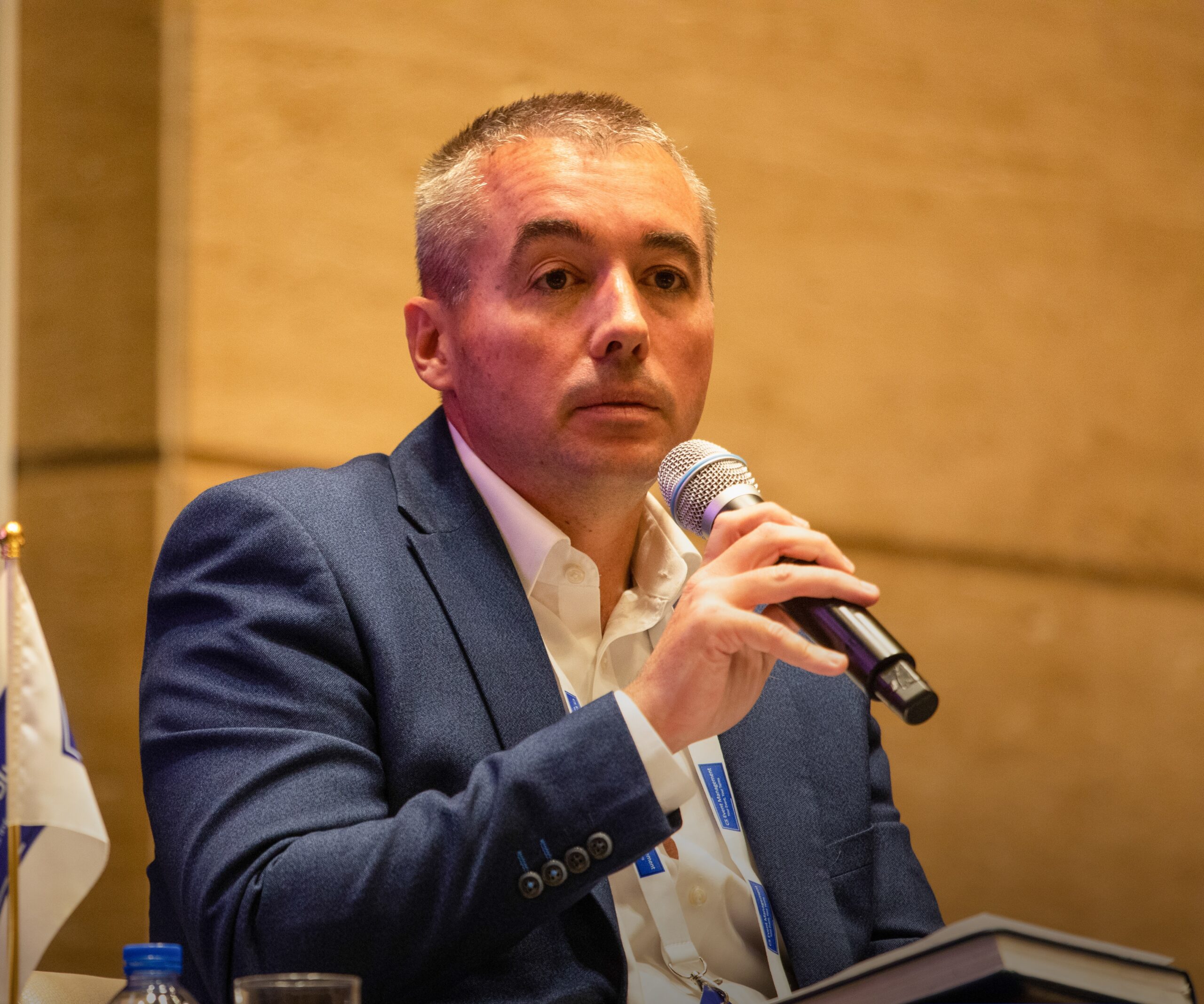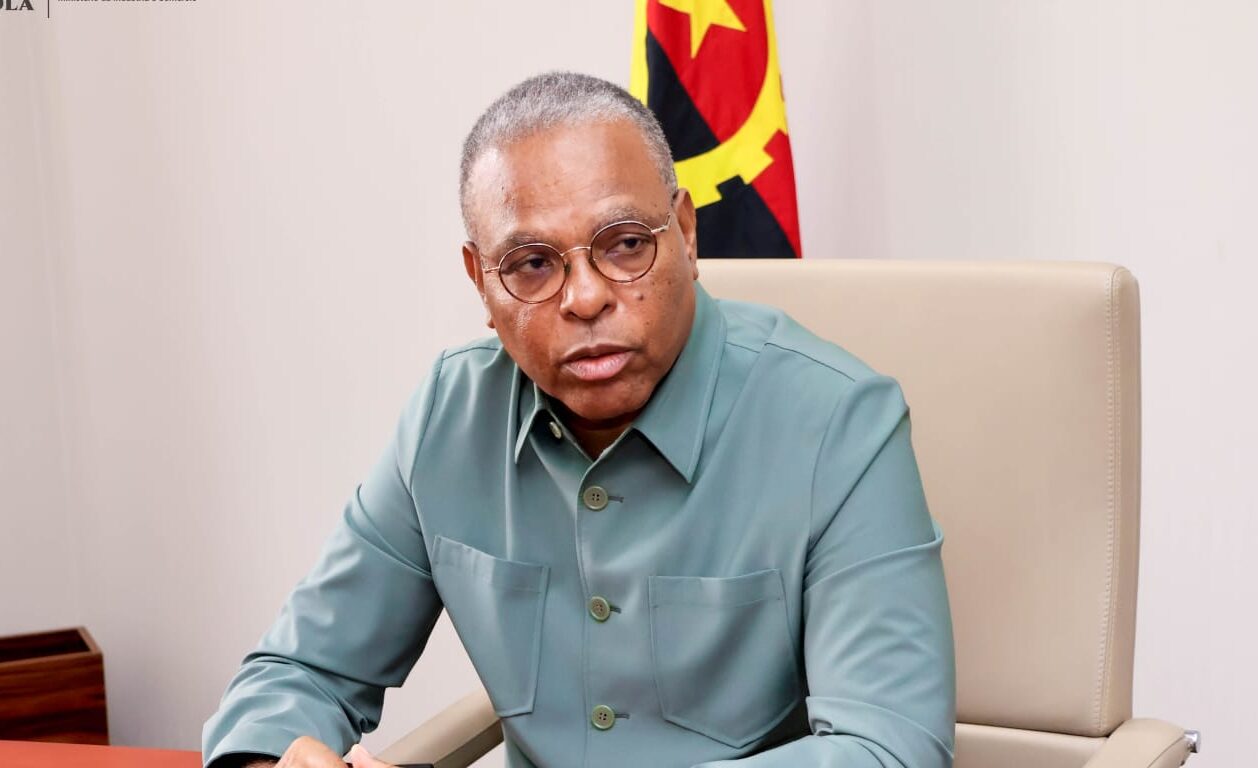

Chair of the Board
Guatemala Wholesale Electricity Market Administrator
In 26 years of operations, what milestones of the AMM would you highlight, and what do you consider the most significant achievements under your leadership?
The Wholesale Market Administrator (AMM) marks 26 years of operation, solidifying its reputation as a mature and technically robust entity. Fortunately for Guatemala, the decision was made to establish an independent body, free from the political and administrative fluctuations of the government. The AMM is a private, non-profit entity governed by the General Electricity Law, its regulations, and the specific norms of the wholesale electricity market.
One key aspect is that Guatemala’s General Electricity Law has remained unchanged for these 26 years, providing a stable and predictable framework that allows the AMM to carry out its work consistently.
The AMM’s main responsibility is to operate Guatemala’s electricity system and market at the lowest possible operating cost, as mandated by law. Over two and a half decades, the AMM has built a highly skilled technical team and developed cutting-edge tools, positioning it as one of the best, if not the best, operators in the region.
Thanks to its transparency, efficiency, and liquidity, Guatemala’s electricity market has maintained impeccable performance. This instills confidence in investors, who value the solidity of both the operator and the regulator, as well as the assurance of timely payments for generation, transmission, or related services.
The AMM is known for being a stable and transparent operator, significantly strengthening the national electricity market. It is currently undergoing modernization and adaptation to contemporary challenges, including improving its facilities, which are practical and modern without being ostentatious, and updating the regulations governing wholesale market operations through a thorough and detailed study to enhance these norms.
The AMM is funded through a percentage charged on electricity market transactions. This model operates efficiently: an annual budget is prepared, and the participation fee is adjusted to meet the operational needs of the calendar year. Any surplus is rolled over to the following year’s budget, ensuring optimal resource use.
The AMM has a remarkable efficiency rate, with a market charge of approximately $0.97 per megawatt-hour. This indicator reflects the absence of bureaucracy and inefficiencies, consolidating its reputation as an efficient and reliable model for Guatemala and the region.
Under the current regulatory framework, how has the AMM ensured transparency and efficiency in the wholesale electricity market, especially in light of the rise in deregulated demand?
The AMM has implemented an open information policy, positioning it as one of the most transparent operators in the region. Its website is one of the most comprehensive and accessible, publishing everything not classified as confidential under the regulations, such as costs or commercial relationships of participating companies. This ensures that information on revenues, expenses, and operational responsibilities is accessible to market agents. While not a public entity, all information is shared clearly and transparently, and efforts are underway to strengthen institutional governance.
Initially, the AMM’s focus was predominantly technical, concentrating on tasks such as dispatching generation plants, operating the transmission system, and coordinating supply for distributors. However, governance was not fully developed. Upon assuming the presidency of the Board of Directors, I proposed an agenda to implement policies on ethics, conflict-of-interest management, and anti-corruption standards. The goal is to establish a solid foundation for the AMM to continue operating with integrity and greater certainty when our term concludes in two years.
A current priority is retaining the highly skilled talent within the AMM, especially in a market where we compete with private companies offering attractive conditions. We are improving performance evaluations and designing strategies to ensure our technical and administrative staff operate under standards of excellence.
Regarding deregulated demand, which now represents more than 35% of transactions, it is vital for this segment to understand how the Wholesale Market operates, its rights and obligations, and how to source energy competitively. With a threshold of just 100 kW to qualify as a free user, Guatemala stands out as one of the most accessible markets in the region, driving significant growth in this segment. This regulatory framework, grounded in operational freedom within quality standards, has been a driving force behind market expansion.
More than a decade ago, Guatemala established itself as a net exporter of energy in the regional electricity market, playing a key role thanks to its robust and surplus generation capacity. This enabled free users to access competitive energy and strengthened the country’s regional position. However, a period of inactivity in long-term planning occurred between 2017 and last year’s PEG IV tender.
Resuming long-term planning is essential to maintaining a stable and diversified electricity supply. Anticipatory planning avoids costly and limited emergency purchases. Unlike other markets in the region, Guatemala has not faced rationing since the General Electricity Law was implemented in 1996. However, during periods of tight supply, such as this year’s prolonged El Niño phenomenon, local supply has been prioritized over exports, aligning with similar decisions in other Central American countries and Mexico.
Guatemala has international interconnections with the Regional Electricity System (SER) and Mexico. What opportunities do you see for improving these relationships and fostering regional energy integration?
The Regional Electricity Market (MER) represents a significant opportunity, albeit one with challenges inherent to integrating six asymmetrical markets. These markets vary in structure: some are fully vertically integrated, others have the state as the sole buyer, while Guatemala and Panama operate under more open models. These differences have slowed decision-making and the development of regional projects, limiting their impact.
The MER’s initial purpose was to promote regional projects and facilitate efficient energy exchanges through the SIEPAC line. However, over time, countries prioritized national supply, leading to the installation of large local generation projects and reducing the prominence of a regional plant concept. To date, no generation plant has been specifically designed to operate at a regional scale, though initiatives like a gas project in Panama aim to change this dynamic by becoming regional suppliers.
A recurring obstacle for interconnections is the concept of energy sovereignty. Countries prioritize local supply over fulfilling regional commitments. This approach has frustrated investors, who often seek alternatives when the regional model does not deliver consistent results.
In Guatemala’s case, mistrust in the MER culminated in President Giammattei’s administration’s decision to denounce the treaty. The denunciation remains in effect, while the current authorities have expressed interest in remaining in the MER and taking necessary actions to strengthen regional integration. Personally, I believe this is the right decision, as withdrawing from the MER does not provide strategic benefits for Guatemala.
With the new PEG IV and PEG V tenders, Guatemala has the opportunity to consolidate its position as an energy exporter and optimize its internal supply. PEG IV is already in the installation phase, and PEG V, an unprecedented volume tender, presents a significant challenge. If these projects are successfully developed, Guatemala could regain its leadership role in the MER and leverage the advantages of regional interconnections.
Currently, Guatemala imports firm and opportunity energy from Mexico, with 240 MW daily, and occasionally exports to both the MER and Mexico. The interconnection with Mexico allows for a flow of 400 MW northward and 240 MW into Guatemala, with the latter capacity almost fully utilized daily. This exchange includes firm contracts, such as one with a Mexican generator supplying natural gas energy to Guatemalan distributors under a 15-year agreement.
The future of the MER hinges on ensuring the firmness of transactions and optimizing regional institutional functioning. With proper planning and renewed commitment to integration, the MER can fulfill its original objective of promoting efficient and mutually beneficial energy trade across the region.
During your recent participation in the International Digital Energy Expo in China, you mentioned that advanced photovoltaic and storage technologies could benefit the country. What specific steps is AMM taking to integrate these technologies into the national electricity market?
This is one of the areas that excites me the most. Over the 26 years of AMM’s operations, we’ve recognized the need to update and develop regulations for new technologies, such as energy storage. In this case, it’s not just about updates but about creating entirely new regulations tailored to these innovations.
Over a year ago, we began adjusting regulations for energy storage, particularly for autonomous hybrid systems like batteries paired with solar or wind projects. Today, this regulation is approved and in effect, offering investors clarity on how their storage investments will be compensated, the technical requirements, and the operational processes for the infrastructure. We also have an active grid code that provides detailed guidance on these aspects.
Guatemala is a regional leader, as no other Central American country has approved and implemented such detailed storage regulations.
We’re now entering the second phase of this project, expanding storage applications to other technologies like hydropower and enabling its use in auxiliary services, such as energy arbitration. Today, the board will review progress on this phase, which we hope to complete by mid-next year.
This effort isn’t solely AMM’s responsibility. While we draft the rules, they must be approved by the regulatory authority. Before reaching the regulator, they must also be agreed upon by all market participants, which lengthens the process. However, our technical team has already made significant progress on the second phase and is even laying the groundwork for the third.
The third phase involves stand-alone storage, which offers transmission solutions, such as deferring infrastructure investments when expanding transport networks isn’t ideal, and auxiliary services like reserves.
Guatemala stands out in the region for its energy storage regulations, and we continue to work hard to maintain this leadership. These advancements are essential for attracting investment and consolidating a competitive, modern, and sustainable electricity system.
With new authorities coming in 2024, what key regulatory changes or alliances are essential to maintaining the stability and growth of the electricity market?
I always emphasize the importance of communicating and highlighting the achievements of Guatemala’s electricity sector reform, particularly the opening to private participation and the market model we implemented. This is crucial because when people don’t understand the technical aspects of a system like the electricity market, criticism or doubts can easily arise.
The market’s technical development isn’t easy to grasp, and challenges such as expanding access to services or delays in transport investments can lead some to question the model. However, I firmly believe that the success of an electricity market lies in the stability of its framework. Frequent shifts—such as returning to a state-monopolized model—undo progress and cause setbacks. I’ve witnessed firsthand how inconsistency affects other countries, and none of those models have proven successful.
Guatemala must focus on preserving model stability and ensuring legal certainty for investments. At AMM, we’ve strengthened alliances and shared experiences, such as participating in a new network of electricity system operators across Latin America and the Caribbean. This network, launched during OLADE’s Energy Week in Paraguay, promotes cooperation through shared lessons without additional costs or legal obligations.
We’ve also learned from countries like Chile, where storage is already installed and operates under an advanced model. Meanwhile, Guatemala offers valuable lessons from our regional electricity market work and interconnection efforts.
How does AMM work with communities and other local stakeholders to ensure that electricity projects are implemented sustainably from a social and environmental perspective?
The electricity market operator doesn’t have a direct role in project approvals; this responsibility falls under the National Commission of Electrical Energy (CNEE), which acts as the regulator. The CNEE develops regulations based on policies issued by the Ministry of Energy and Mines (MEM). A notable example is the renewable distributed generation regulation implemented in 2009. This allows users to install solar energy systems in their homes or businesses, benefiting from bidirectional meters provided by distributors. This way, they can draw energy from the grid at night and sell any surplus generated during the day.
Regarding community engagement, the regulator plays a crucial role in ensuring that social, technical, and environmental aspects are considered to prevent conflicts. Project developers are responsible for building trust with communities from the outset, even before construction begins. Meanwhile, the central government, through MEM and its Vice Ministry of Social Development, must facilitate processes such as community consultations with Indigenous peoples.
However, the lack of regulations for implementing ILO Convention 169, which Guatemala has ratified, has posed a significant obstacle to the development of projects involving natural resources. This has particularly impacted the hydropower sector. Although hydropower accounts for 65% of Guatemala’s electricity generation, new project development in this area has slowed due to complexities involving community relations.
This underscores the need for clear processes and regulations to provide certainty for both communities and investors. For Guatemala to continue leveraging its natural resource potential and maintaining sustainable energy development, the government must advance pending regulations to reduce social conflict risks and foster an investment-friendly environment.
What message would you send to future investors interested in Guatemala’s electricity market?
As I mentioned earlier, Guatemala is a regional standout. Few markets in Central America boast such a strong track record of operating efficiently, sustainably, openly, and with legal certainty. Since the reform was implemented 26 years ago, the country has demonstrated a long-term vision, strong institutions, and a clear commitment to respecting market rules.
When the sector opened, Guatemala had 18 Independent Power Producers (IPPs) with 20-year contracts. These contracts didn’t align with the ideal model envisioned by the General Electricity Law but were fully honored. There were no arbitrations or legal disputes, which demonstrates the institutional strength of the sector. The last of these contracts expired around four years ago, paving the way for new tenders and opportunities that have facilitated long-term projects under clear rules.
For investors, Guatemala offers guarantees that make it an attractive destination for large-scale energy infrastructure projects, such as LNG plants exceeding 500 MW, with investments reaching half a billion or even a billion dollars. These projects require legal certainty, strong institutions, and a regulatory framework that ensures long-term returns. In Guatemala, these conditions are standard.
A key factor is the separation of roles within the electricity sector. The Ministry of Energy and Mines defines energy policy, the National Commission of Electrical Energy supervises monopolistic segments like transmission and distribution, and ensures power and energy procurement aligns with national objectives. Meanwhile, the Wholesale Market Administrator (AMM) manages system and market operations and guarantees timely payments to generators and other actors, respecting agreements and maintaining transparency.
Additionally, Guatemala has avoided the pitfalls of cross-subsidies, a challenge in other markets. Subsidies for low-income consumers are managed externally by the government, which directly transfers funds to distributors. This allows distributors to apply the benefit to user bills without disrupting market dynamics.
For long-term investments, this approach is essential. Developers need confidence that their assets will provide secure returns and that the regulatory framework will protect their interests throughout the project lifecycle. Guatemala’s institutional strength and regulatory stability have shown for 26 years that this is an environment where rules are upheld and investments thrive.
As Chair of AMM’s Board of Directors, what key lessons have you learned from leading such a critical entity for the country’s economic development?
The lessons we’ve learned are fundamental to the success and sustainability of Guatemala’s electricity market. A strong legal foundation and institutional design are key. Operating as a private, non-profit entity allows AMM to function independently, with the technical and financial resources needed to address sector challenges.
Funding operational costs through market transactions ensures financial autonomy and sustainability, avoiding external dependencies that could compromise efficiency or decision-making.
The design of the Board of Directors is another crucial factor. Representing the five main market segments—large users, generators, distributors, transmitters, and marketers—ensures balanced decision-making. Although reaching consensus can be challenging, this model promotes a system-wide perspective, ensuring decisions benefit the entire market rather than specific groups.
Adapting regulations and integrating new technologies has been one of our greatest challenges, requiring consensus among stakeholders. While this process can be slower than desired, it ensures broad support, strengthening the market’s legitimacy and sustainability.
On a personal level, professional commitment and integrity have been central. Having no direct involvement in generation, transmission, distribution, or commercialization investments has allowed me to maintain an impartial stance in decision-making. This has enabled me to focus solely on the collective interest of the market, ensuring decisions prioritize long-term sustainability.
My priority has always been to consider how each decision impacts the market’s stability and strength. Sometimes, this means making unpopular decisions or ones that seem unfavorable to specific segments. However, I’m convinced these choices, though difficult in the short term, guarantee the market’s success and viability in the future.
If an action reinforces the system’s sustainability and strength, I’m confident it’s the right path.
Message for the Los Angeles Times
Guatemala holds a significant competitive advantage, reflected in its status as Central America’s largest economy and its abundant natural resources. The country’s vast territory offers immense ecological and cultural wealth and significant opportunities for development across various sectors.
Its young and dynamic population is energetic, entrepreneurial, and eager to contribute to economic growth. Although migration has been a response to conflicts or limited local opportunities, many Guatemalans have excelled abroad, showcasing their capacity for innovation and adaptability.
Guatemala is an inviting destination for both tourists and investors. It offers archaeological treasures of the Mayan culture in places like Petén, alongside exceptional natural settings for outdoor activities such as volcano climbing and surfing.
The country’s small size and accessibility allow for easy exploration of its diversity in a short time.
Guatemala also provides an investment-friendly environment, supported by policies and conditions that foster business development in key sectors. For these reasons, I invite those unfamiliar with the country to visit, discover its natural and cultural wealth, and consider the investment opportunities this vibrant, promising nation offers.