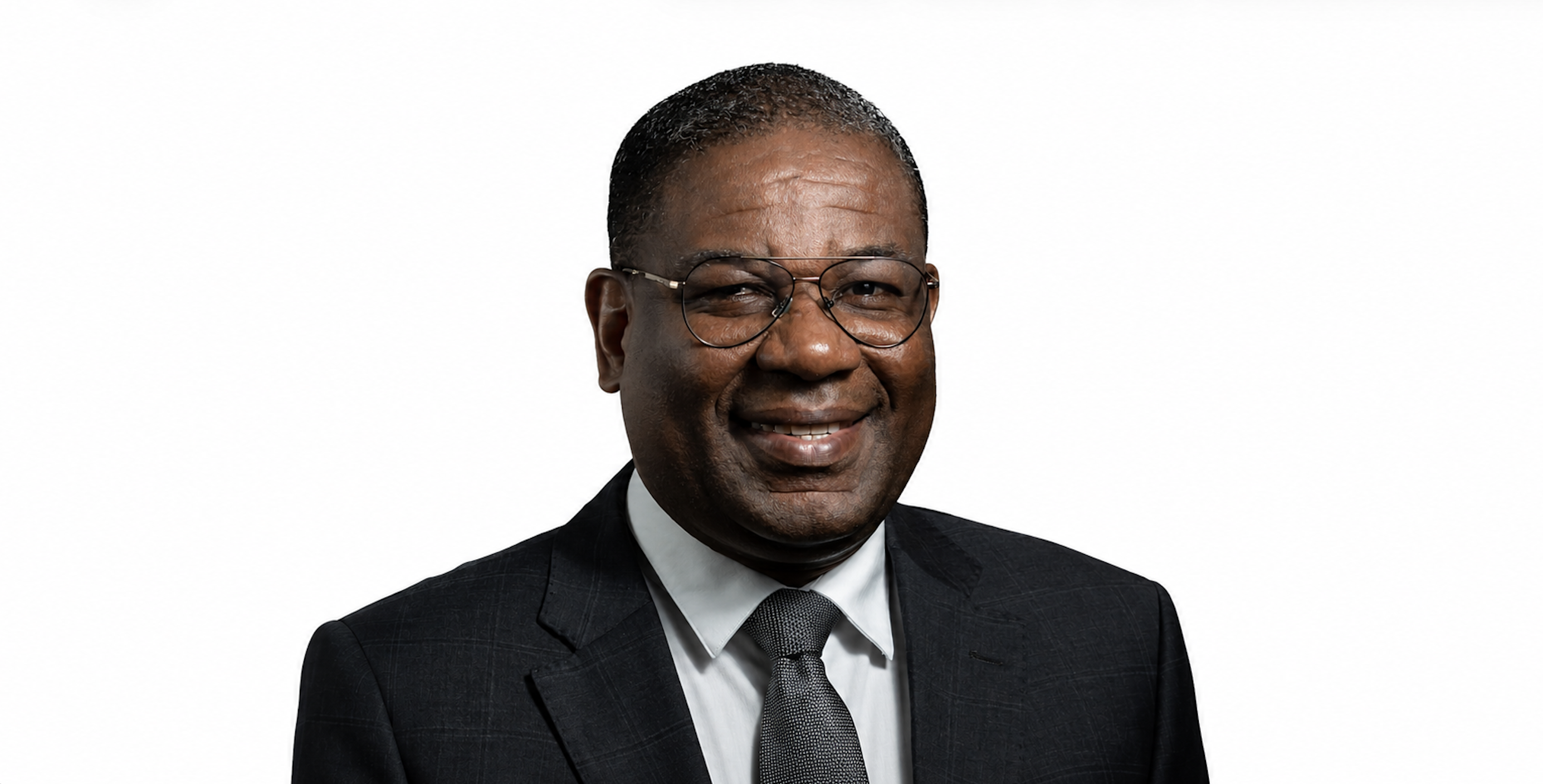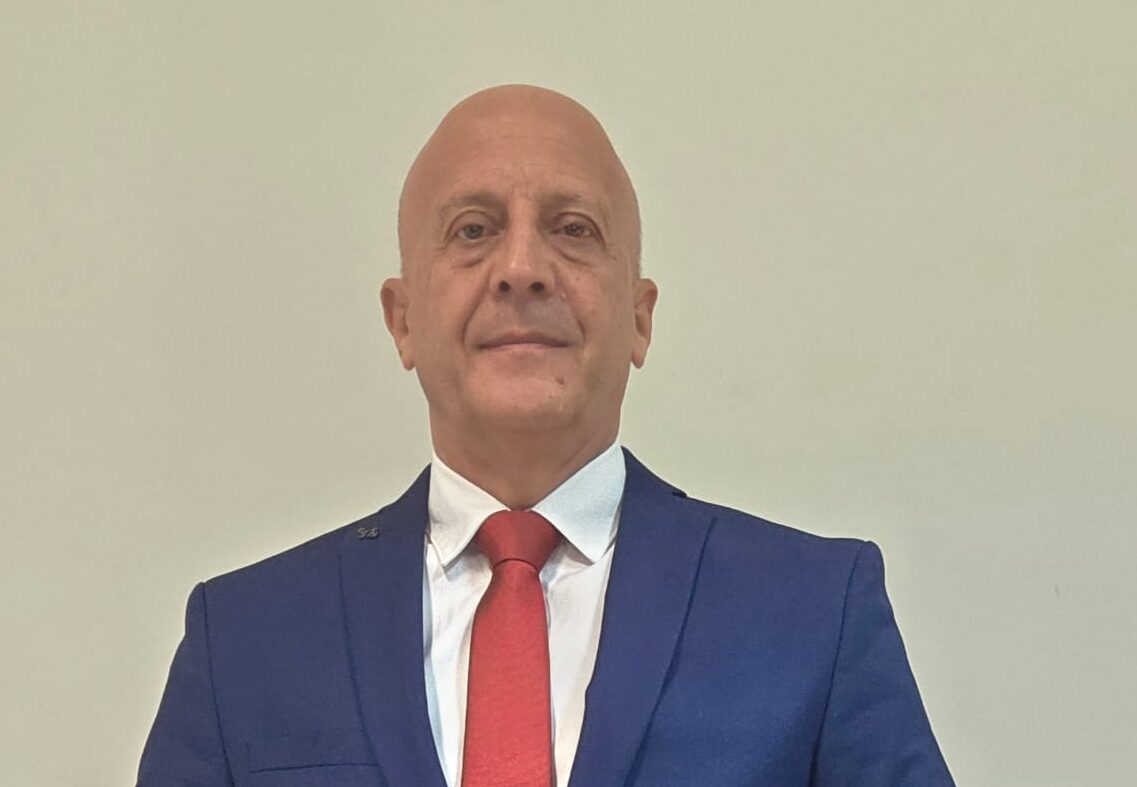
Executive Director
Cuatro Pinos Cooperative
This interview delves into the strategies behind Cuatro Pinos’ sustained growth in Guatemala’s agricultural sector. We discuss their approach to overcoming export challenges, empowering local communities—especially women—and promoting sustainability. With insights on the cooperative’s vision and Guatemala’s potential, this conversation highlights the cooperative’s efforts to drive both social impact and economic resilience.
Could you share with us the story of the Cuatro Pinos Cooperative and the vision guiding it today?
The cooperative emerged after the 1976 earthquake in Guatemala, following massive devastation throughout the country. Given the scale of the destruction, a National Reconstruction Committee was created to coordinate international aid from various parts of the world, primarily from Europe, Mexico, the U.S., and other countries. This committee assigned specific areas to different aid organizations, such as the Red Cross and Caritas. In our case, a group called the “Swiss Group” took responsibility, comprised of at least four organizations, including the Swiss government, the Red Cross, and others. This group focused its aid on the municipality of Santiago Sacatepéquez, which includes the municipal center and three surrounding villages, forming four communities in total. Thus, the cooperative was named “Cuatro Pinos,” representing these four communities.
Initially, Swiss aid focused on housing reconstruction. The reconstruction model was highly efficient, organized block by block, where residents of each section built their homes with the logistical, technical, and financial support of the Swiss group. This phase took about two years, and by its end in 1978, there was a remaining balance of one million dollars due to the efficiency of the process.
The project director at the time, Alberto Hintermeister, proposed to Switzerland that they start an economic and social development project, focused on agriculture, the region’s main economic activity. After a preparation and training process, the cooperative was formalized in 1979 with approximately 150 founding members. The initiative was a success, and we realized it was necessary to teach new skills and technologies, as well as identify the main needs of the municipality, such as access to markets, financing, and distribution.
We started by experimenting with potato production, achieving excellent yields but failing in the market due to oversupply. This led us to explore storage options to extend the product’s shelf life, but it was never a viable solution in the local market. We then decided to focus on exports while maintaining the production of staple grains like corn and beans and crops for the local market, such as carrots, cabbage, and spinach. We established contacts in the U.S., and our products were very well received.
By 1982, we had around 1,200 producers, allowing us to start exporting in large volumes. Initially, we shipped by air due to low freight costs, but later we became pioneers in exporting perishable products by sea, allowing us to send full containers to the U.S. This was the great beginning of the cooperative.
Over time, more producers joined, and today we operate in 186 municipalities across the country, with approximately 4,000 independent producers and 1,550 members in our two cooperatives: one for men and one for women. The reason for creating separate cooperatives was cultural; at that time, women did not participate in the economic life of the community. However, they demanded their place, and while men initially resisted, the women’s cooperative was eventually formed, which has been a resounding success.
What are the main challenges farmers face today, and how does the cooperative support them?
Currently, farmers face many challenges, limitations, and obstacles. The primary challenge is climate change, which has made weather extremely unpredictable. This year, for example, the first months were very warm, and although the rainy season traditionally begins in May, this year it started in mid-June with unusually intense rainfall, causing disasters. In agriculture, this is devastating. Therefore, the cooperative is working on both mitigation and resilience. It is crucial that the climate does not continue to deteriorate, but we must also adapt to current conditions. The cooperative is committed to a sustainability program that includes a strong focus on environmental protection.
Another major challenge is migration, a social issue related to the economy. Each week, we lose workers who migrate to the United States or Canada, where they can earn up to $20 an hour in places like California. Competing with these wages is very difficult, especially when daily wages here in Guatemala are between $15 and $17. This forces us to modernize, improve the technological packages for crops to increase yields and reduce costs, which would allow us to be competitive. In addition, Mexico, our closest neighbor to the U.S., represents strong competition as their freight costs are much lower.
It is worth noting that 85% of the country’s arable land does not have irrigation systems, which limits the productive capacity of small and medium-sized farmers who rely solely on the rainy season to cultivate their fields. We are currently working jointly with the government to install irrigation systems in all possible areas, thereby significantly increasing production volumes for both the local and Central American markets as well as for export to third countries. It is estimated that 3 million hectares lack irrigation, which contributes to the country’s challenges in reducing poverty, especially in rural areas.
How do you support farmers in managing their credits and income?
We act as credit distributors, meaning that, as a cooperative, we lend money. For instance, if we manage a fund of 50 million, which is then distributed to finance each producer individually, the producers commit to us, and we, in turn, commit to the financial entity. This arrangement has yielded excellent results, with a delinquency rate that does not exceed 2%, which is very positive. In addition, we supervise producers and provide personalized technical assistance. We have a team of technicians, agronomists, and agricultural guides who are in constant contact with producers to ensure they make appropriate investments, recover their investment, and follow technological guidelines. This helps us ensure that products meet the required quality and safety standards.
Farmers understand this system well, and we have them organized into groups. The cooperative also has its own organizational structure, with a board of directors, a supervisory committee, an agricultural committee, an education committee, and a social issues committee. These groups ensure that producers follow the rules, and the technicians are in constant contact with them.
Currently, we have about 25 agronomists and 48 agricultural guides, who are members of the same communities. This allows the local guide to intervene quickly and provide relevant recommendations. Additionally, we have decentralized services, with agricultural stores in each village, so farmers do not have to travel far to purchase the supplies they need. These stores are located in places like Jalapa, Quiché, Cobán, Escuintla, Patzún, and others. In this way, farmers have quick access to supplies, technical assistance, and credit.
We also implement a control system over the producers, paying them on Thursdays for the harvest delivered the previous week. Our credit department, called Agrocréditos, is responsible for monitoring this process.
Although we do not generate profits as a for-profit entity, we do generate resources that, at the end of the season, are distributed among the producers according to a previously agreed table. The producer who worked better and delivered more receives more.
On the other hand, cooperative members receive an annual bonus of around $600, and those who reach the age of 65 are entitled to a small pension of 200 quetzales per month. Although modest, this allows them to have an income without completely relying on their families. In addition, farmers and their families receive primary medical and dental care at the cooperative’s clinics.
We have previously discussed agricultural production in the country. To continue increasing production and exports, what is the cooperative’s strategy? We also mentioned that there was a slight decrease in exports in 2023; did this significantly impact agriculture?
Overall, the country’s exports have decreased, but we have not experienced this downturn. We have maintained a steady growth rate of 10 to 15% until 2022. However, in the last two years, we haven’t reached the same growth level and will probably stay around 2 to 5%, primarily due to complex weather conditions. One of the most impactful factors, as seen in the statistics from the Bank of Guatemala, is indeed climate.
In addition, we missed out on many export opportunities to Europe due to logistical challenges. Air freight costs are prohibitive, which prevents us from competing with producers in Egypt, Morocco, or even Kenya. In Kenya, while freight is not necessarily cheaper, labor costs are only $2.50 per day, compared to $17 here.
Because of this, exports of fruits and vegetables to Europe dropped dramatically. In the United States, we also saw a decline, but it was mainly due to climate impacts, which have been especially severe this year. Despite everything, we believe we will maintain growth between 1% and 5% compared to previous years. Achieving this has required tremendous effort, as we’ve had to diversify our production, expand our buyer portfolio, and develop new cultivation areas.
The complexity of managing so many farms, each with its own specific characteristics, has been challenging. It’s not like having a single farm where all decisions are centralized. Here, we have thousands of farms, and each farmer makes their own decisions despite the technical and administrative recommendations, adding an extra layer of difficulty. Although we provide guidance, each farmer ultimately decides how to manage their land.
What are the main supply and distribution chains you are currently working with in the U.S.?
Cuatro Pinos supplies a portfolio of well-known clients in the United States and Canada, with whom we have established commitments that go beyond merely negotiating terms and conditions. These include agreements on sustainability and ensuring the welfare and prosperity of our members and producers.
We understand that sustainability is essential to your growth strategy. What initiatives are you implementing to promote sustainability?
Yes, we are very clear that sustainability must be approached from three key perspectives. First, socially, it is essential that people not only have income but also know how to invest it to improve their quality of life. Ultimately, the primary purpose of this cooperative—and it should be for each of us—is to meet basic needs and lead a dignified life. In this regard, our social involvement is very significant, especially in the area of education.
We have a school with around 400 students, where we practically charge nothing. Additionally, we manage several nutritional recovery centers to address the serious and unfortunate problem of malnutrition our country faces. We also promote a job creation program, where we train people to become bakers, tailors, shoemakers, or owners of small businesses such as grocery stores. We offer financing to help them start their own ventures, which diversifies income sources.
We teach English to many young people and have established partnerships with large call center companies, which have been a great support. Every year, around 100 of our students join these workplaces, transforming not only their lives but also those of their families. Although there is still much to do, the impact has been incredible.
Additionally, we offer a scholarship program for young people to continue their university studies, providing them with even more tools to improve their future.
On another note, approximately five years ago, Cuatro Pinos established a forestry nursery that produces 150,000 trees per year, which is very important as we believe reforesting the country is a significant contribution to preserving and improving the climate.
It’s very interesting what we mentioned earlier about the women’s cooperative known as Mujeres Cuatro Pinos. How did this cooperative come about, and how do you support them?
The model is exactly the same, except that, instead of men, the main actors are women. This model emerged because, as I mentioned earlier, there was resistance from men to accept women as members of the cooperative. To resolve this, we decided they should form their own organization, and thus, this women’s cooperative was born. We knew that adding this initiative to the main cooperative would be beneficial for both. Currently, women represent approximately 40% of total production, while men contribute the remaining 60%.
Last year, the women’s cooperative recorded a significant revenue that reflects its positive economic impact. The most important thing about this income is that it is not spent on things like alcohol, land, or vehicles but is instead invested in improving nutrition, housing, education, and clothing. This focus has considerably improved family quality of life and created an incredible complementarity between men and women. We have become a transformative agent, not only for the families involved but also for the country in general, demonstrating that women can contribute decisively to the economy and the improvement of the most vulnerable households.
One of the biggest challenges was empowering women, helping them believe in themselves, and understanding that their value is equal to that of men. This process of training and awareness was essential, and although I initially thought men would resist, the women quickly embraced this new role. Today, many of them make decisions that were previously reserved for men, and in several cases, women have surpassed men in leadership and management.
We are very pleased with the growth of this project and the fact that women have become ambassadors of a new model and an example of development, especially in a country like ours, with a majority indigenous population and more than 20 native languages. For example, in places like Alta Verapaz, where Spanish is not spoken, we use interpreters to ensure that training reaches people effectively, and the results have been remarkable.
How do you envision the growth of the agricultural sector over the next five years?
I believe we need to make significant efforts in several areas. First, we must focus on technological updates and constant innovation. It is crucial to diversify our client base and expand our product portfolio; each year, we are introducing one, two, or three new products. Currently, we have three products in our portfolio that are nearly ready to launch.
Additionally, it is essential to provide producers with the necessary capital to implement crop protection structures. We must also train them to become true users of technology, including artificial intelligence tools, which will undoubtedly arrive sooner rather than later.
If we make progress in these areas and the government plays an adequate role—covering at least 50% of its responsibilities across all sectors and, in the agricultural sector, specifically addressing irrigation—the growth could be significant. Thus, we foresee annual growth of 10–15%, as all conditions would be in place to achieve it.
A message for Los Angeles Times readers
I want to emphasize that Guatemala is a country with extremely high-quality products that meet all the specifications of the most demanding international markets. We have a hardworking, attentive, helpful, and friendly population with an extraordinary production capacity. We could consider Guatemala a true paradise due to its natural and cultural attractions. We are also close to the United States, where most of your readers are based; a flight from there takes only four or five hours from Los Angeles and just 2 hours and 15 minutes from Florida.
Guatemala is a relatively affordable multicultural country with much to offer. Unfortunately, it is not well-known, but it has a rich culinary diversity with unique and delicious dishes that are a distinctive part of our culture, making any visit a unique experience. So, if you have the chance, come to Guatemala; and if you cannot, I invite you to buy and enjoy our products, which will allow you to be a part of this experience.